Hunting the Rondeau and Erie Shore
Hunting the Rondeau and Erie Shore can be a real head-scratcher for many hunters. Unlike the vast expanses of northern Crown Land, this region is a patchwork of agriculture, small woodlots, and critical wetlands, often leaving hunters wondering where they can even set foot. This guide is here to untangle the complexities and highlight the unique opportunities for chasing game along Ontario's beautiful Lake Erie shoreline, helping you navigate the challenges and make the most of this productive landscape.
Understanding the Unique Landscape of the Erie Shore
The Lake Erie shoreline in Southwestern Ontario presents a distinct ecological zone that shapes both the wildlife populations and the hunting strategies needed to pursue them. It’s a far cry from the dense bush of the Shield country, with its own set of challenges and immense rewards.
The Geography of Lake Erie's Shoreline
Imagine vast, flat agricultural fields stretching to the horizon, broken by ribbons of mature hardwood bush along creeks and drainage ditches, and then giving way to the sprawling marshes and open water of Lake Erie itself. This is the essence of the Erie Shore. The fertile soils support intensive farming, primarily corn, soybeans, and winter wheat, which in turn provide an abundant food source for many game species. The proximity to Lake Erie means significant weather influence – think biting winds, heavy lake effect snow, but also milder temperatures than points further north. This agricultural dominance means deer, turkeys, and small game thrive on the nutritional bounty, while the lake itself acts as a superhighway for migratory waterfowl.
Rondeau Provincial Park and its Hunting Context
Rondeau Provincial Park is a jewel on the north shore of Lake Erie, renowned for its Carolinian forest, incredible birding, and unique spit of land. It's crucial for hunters to understand that hunting is generally prohibited within the boundaries of Rondeau Provincial Park itself. This is a designated protected area focused on conservation and passive recreation.
However, the park's presence creates a significant "refuge effect" for wildlife. Deer, especially, will use the park as a safe haven, venturing out into the surrounding agricultural lands to feed. This means the areas adjacent to Rondeau Provincial Park, within the broader WMUs like 90C and 92, can be incredibly productive. Hunters should focus their efforts on securing permission on private lands bordering the park, or exploring any public access points in the immediate vicinity, knowing that animals are likely moving in and out of the park's protection. Always consult the most current regulations for any specific conservation areas or managed lands near the park, as rules can change.
Surrounding Agricultural and Wetland Zones
Beyond Rondeau, the entire Erie Shore region is a mosaic of agricultural fields and critical wetland habitat. These wetlands, like those found near Point Pelee, Long Point, and various smaller marshes, are absolute magnets for migratory waterfowl. They provide essential staging, feeding, and resting areas for millions of ducks and geese during their epic annual migrations. For hunters, this translates into some of the best waterfowl opportunities in the province.
The vast agricultural fields are not just for waterfowl; they are prime territory for whitetail deer. Deer will bed in dense woodlots or thick cover along creek beds and spend much of their time feeding on corn, soybeans, and other crops. This rich diet often leads to larger-bodied deer and impressive antler growth, making this region a coveted spot for deer hunters. When the corn comes off in the fall, it can dramatically shift deer patterns, concentrating them in remaining cover and unharvested fields. Understanding these movements is key to success.
Target Species and Season Considerations
The diverse landscape of the Rondeau and Erie Shore offers a range of hunting opportunities, each requiring specific knowledge of species behaviour and local regulations.
Whitetail Deer Opportunities
The whitetail deer population along the Erie Shore and surrounding farmlands is robust, healthy, and often boasts impressive animals thanks to the rich agricultural food sources. Hunters in this region often talk about the challenge of spotting deer in thick standing corn or finding them in small, isolated woodlots. The hunting strategy here often revolves around understanding how deer move between their bedding cover – often small, dense bush lots or creek bottom thickets – and their feeding grounds in the vast fields.
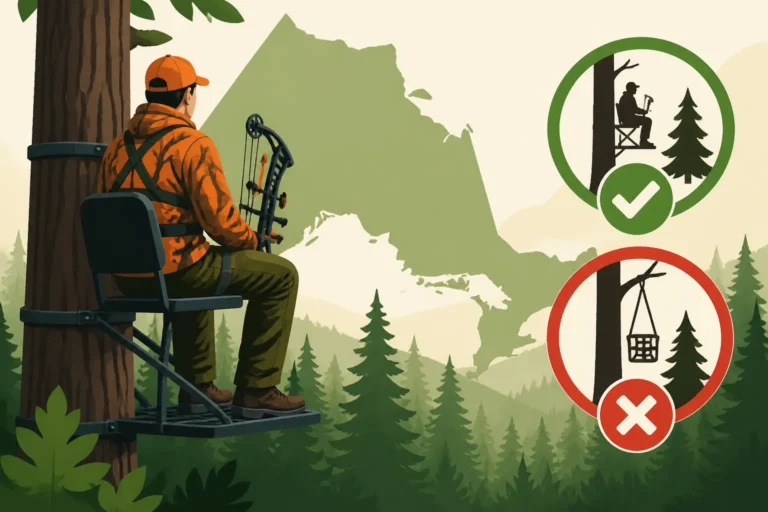
Archery season, When Ontario's Bow Season Runs, can be particularly challenging and rewarding. You might find deer still somewhat predictable as they haven't faced intense pressure, but spotting them in high crops requires patience and strategic stand placement. During the firearms season, which typically runs in November, the pressure increases, but the rut is often in full swing, offering opportunities for active deer movement. Hunting Deer in Southern Ontario Farmland is a whole different ballgame than hunting in the north, often relying on careful scouting of pinch points and travel corridors. Hunters might focus on Hunting a Standing Corn Field Edge in early season or Hunting a Soybean Field at Dusk as crops come off. Securing an antlerless tag, often through a draw, can be a great way to fill the freezer and manage local deer populations.
Waterfowl and Upland Bird Hunting
If you're passionate about waterfowl, the Erie Shore is a premier destination. Located squarely on a major migratory flyway, the region sees incredible numbers of ducks and geese. Canada Geese are abundant, often feasting in stubble fields after the harvest. Field Hunting Geese in Ontario Stubble with decoys and blinds can lead to fast-paced action, especially in the early morning. Ducks, including mallards, pintails, various teal, and divers, utilize the extensive marsh systems and the open water of Lake Erie. Marsh Hunting Ducks on the Great Lakes requires specialized gear like layout blinds or boat blinds, and a keen understanding of bird movements influenced by wind and weather.
Upland bird hunting is more niche here. While ring-necked pheasants are often stocked on private game farms, there can be wild pockets, particularly in areas with good hedgerow and grassland cover. Woodcock can also be found in specific habitats, usually moist, young forest stands or alder bottoms, providing a unique challenge for those willing to seek them out. Hunting Woodcock in Ontario Alder Bottoms demands good dog work and quick reflexes. Always ensure you have the correct federal and provincial migratory bird permits and are using non-toxic shot for waterfowl and wherever else it's required.
Other Small Game and Predators
Beyond the big game and waterfowl, the Erie Shore offers some solid small game hunting. Cottontail rabbits thrive in the dense cover of fencerows, hedgerows, and brush piles that line agricultural fields. Hunting Cottontails Along a Fencerow can be a fun, active hunt, especially in late fall and winter when cover is reduced and tracking in light snow is possible. Snowshoe hare are less common in this southerly, agricultural zone, but you might find them in larger, thicker woodlots.
Coyotes are also prevalent across the farmland, taking advantage of the abundant food sources and cover. Hunting Coyotes on Ontario Farm Ground can be done year-round (with proper licensing), offering an exciting challenge and a chance to help manage local predator populations. Calling coyotes, especially at first light, can be incredibly effective when done stealthily along field edges and woodlot boundaries. Fox, both red and grey, also inhabit the region, though they are often more elusive.
Accessing Hunting Opportunities Along the Erie Shore
Access is arguably the biggest challenge for hunters in Southern Ontario, and the Erie Shore is no exception. With very limited Crown Land, securing permission on private property or navigating conservation area regulations is paramount.
Navigating Private Land and Permission
In WMUs like those around Rondeau and the Erie Shore, the vast majority of huntable land is privately owned. This means that success often hinges on your ability to respectfully approach landowners and secure permission to hunt. It's not just about knocking on a door; it's about building relationships. Start early, well before the season. Introduce yourself, explain what you're looking for, and offer to help with chores or provide compensation. Always leave the property cleaner than you found it, report any suspicious activity, and consider gifting a portion of your harvest as a thank you.
Using modern tools can really streamline this process. Mapping applications like onX Hunt are invaluable here. They provide detailed satellite imagery overlaid with property lines and landowner information, allowing you to pinpoint potential hunting spots and identify who to contact. You can mark access points, note potential bedding areas, and plan your approach long before you ever step foot on the ground. Knocking on Doors in Southern Ontario is a skill, and onX Hunt can give you the intel to do it effectively and respectfully. For goose hunters, specifically, Getting Permission for a Goose Field often involves talking to farmers about crop damage or offering to help scare birds away from vulnerable crops.
Conservation Areas and Special Regulations
Southern Ontario is home to numerous Conservation Areas (CAs) managed by various local authorities. While many CAs are focused on hiking and passive recreation, some do permit hunting in designated zones and during specific seasons. These can be fantastic opportunities, as they often preserve critical habitat and may see less hunting pressure than private lands, or offer specific draws for controlled hunts.
The critical piece of advice here is to do your homework. Each Conservation Authority has its own specific rules, maps, and permit requirements. You cannot assume that because one CA allows hunting, another will. You’ll need to visit the individual Conservation Authority's website, look for their hunting policies, obtain any necessary permits (which may have a fee), and thoroughly understand the allowed species, seasons, and any firearm restrictions. Some CAs might have limited entry draws or specific sign-in/sign-out procedures. Hunting Ontario's Conservation Authority Lands can be a rewarding experience, but only if you follow all the rules to the letter.
Limited Crown Land and Public Access Points
Unlike Northern Ontario, where vast tracts of Crown Land are open for hunting, public access in the Rondeau and Erie Shore region is extremely limited. You won't find large, contiguous blocks of accessible Crown Land here. Any public land is usually restricted to very small, isolated woodlots, road allowances (check local bylaws!), or specific municipal forests.
This scarcity means that when you do find a small parcel of public land, it's often heavily pressured. Hunters looking for public access will need to meticulously scout these smaller parcels, often relying on topographical maps and satellite imagery (again, onX Hunt or similar tools are perfect for this) to identify obscure corners or less-traveled areas. Accessing some areas might involve parking strategically and walking in further than most are willing. Always respect posted signs and ensure you are not encroaching on private property. While you might not find a wilderness experience, these smaller public pockets can still hold game if you put in the legwork.
Practical Tips for Hunting Success in the Erie Shore Region
Hunting along the Erie Shore and surrounding farmlands requires a slightly different approach than hunting in other parts of Ontario. Adapting your strategy to the unique conditions and pressures of this region will significantly increase your odds of success.
Scouting the Erie Shore Landscape
Effective scouting is paramount in this patchwork landscape. Before the season opens, dedicate significant time to exploring the areas you have permission to hunt. This isn't just about finding deer; it's about understanding their daily patterns, where they bed, where they feed, and how they travel between these areas. Look for obvious trails, rubs, scrapes, and feeding sign. Pay close attention to pinch points – narrow strips of cover, fencerows, or creek bottoms that funnel deer movement between large fields or woodlots.
Modern mapping apps like onX Hunt and even tools like GoHunt (for general planning and intel, though focused more on Western US, the principles apply) become your best friends. Use their satellite imagery to identify isolated woodlots, drainage ditches, and fencerows that might serve as natural travel corridors. During the season, after harvest, deer patterns can shift dramatically. Continue scouting as crop conditions change. For waterfowl, scout fields for feeding geese and observe flight paths to and from roosting areas on the lake or larger marshes. Scouting With Satellite Imagery in Ontario can save you countless hours on the ground, helping you prioritize your efforts.
Adapting to Local Hunting Pressure
Southern Ontario, being closer to major population centers, generally experiences higher hunting pressure than the vast northern regions. This means deer and other game can be warier and more nocturnal, especially after opening day. To combat this, consider hunting during less popular times, such as weekdays, or staying out longer through the middle of the day. Sitting All Day in an Ontario Blind can pay off, as deer might move when other hunters are out of the woods.
Look for less obvious access points or hunt areas that other hunters might overlook. A small, swampy woodlot tucked away, or a thick fencerow that seems insignificant, could hold undisturbed game. Stealth is crucial; approach your stands quietly and efficiently. Minimize human scent and unnatural sounds. For waterfowl, if you're field hunting, setting up far from road access and having a good concealment strategy can make a huge difference when birds have seen multiple decoy spreads.
Essential Gear and Safety for the Region
The gear you bring should be appropriate for the mixed bag of conditions along the Erie Shore. Early fall hunts can be surprisingly warm, while late fall and early winter near the lake can bring biting cold winds and dampness. Layers are always key. Good waterproof boots are essential, especially if you're navigating damp fields, marshes, or creek bottoms. For waterfowl, waterproof waders are a must.
Safety is paramount. Always inform someone of your hunting plans and expected return time. If hunting private land, ensure you have explicit permission in writing if possible, and carry it with you. Always identify your target clearly and know what lies beyond it. How Much Blaze Orange Ontario Requires dictates that you wear blaze orange during firearms seasons, typically a minimum of 400 square inches above the waist and visible from all sides. This is for your own safety in areas that may have other hunters. For waterfowl, remember that non-toxic shot is mandatory. Always double-check provincial and federal regulations, as specific rules for certain areas or species can vary.
Disclaimer
This article is for general informational purposes only and does not constitute professional advice. Laws, prices and regulations vary by location and change over time. Consult a qualified professional for guidance on your specific situation.