Bowhunting Ontario’s Long Archery Season
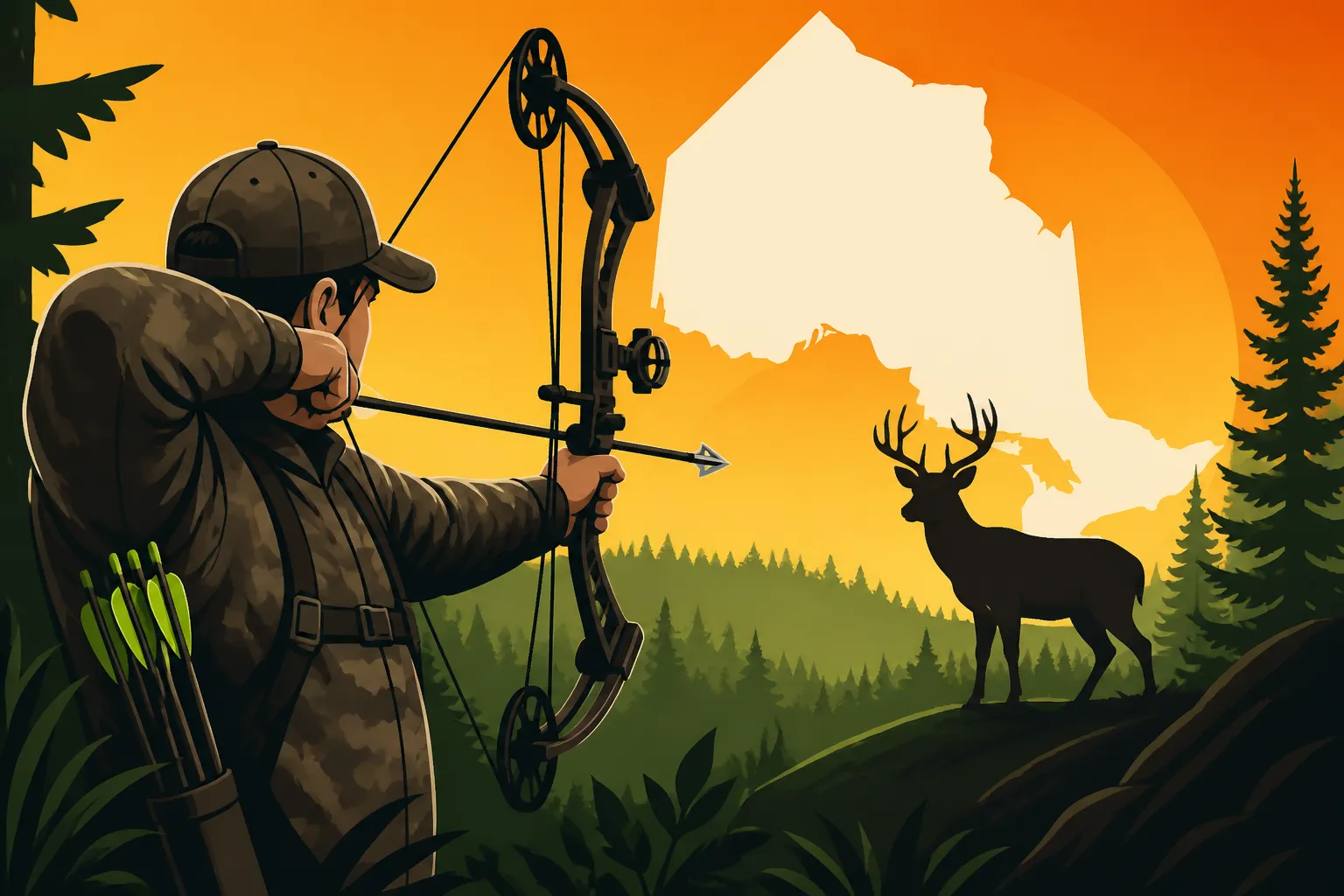
There’s nothing quite like the draw of an Ontario autumn, especially for those of us who prefer to chase big game with a bow and arrow. The province boasts one of the longest archery seasons in North America, offering bowhunters unparalleled opportunities, but it also presents its own unique set of challenges. This comprehensive guide is designed to walk you through everything you need to know to make your Ontario bowhunting adventure a resounding success, from understanding the regulations to mastering the techniques that put venison in the freezer.
Understanding Ontario's Archery Season Dates and Regulations
Ontario's archery season is a marathon, not a sprint, stretching from late August or early September all the way into December in many Wildlife Management Units (WMUs). This extended period gives hunters incredible flexibility and a chance to experience the woods through different phases, from the tail end of summer to the brink of winter. But with that length comes complexity, as dates, legal equipment, and specific rules can vary significantly depending on where you plan to hunt.
Key Season Dates and WMU Variations
The exact start and end dates for bowhunting in Ontario are dictated by the specific WMU you’re in. Generally, the season kicks off earliest in some southern and central WMUs, often in the last week of August or the first week of September, and can run continuously until early December. Other WMUs, especially those in the north, might have a slightly shorter season or specific periods where archery is permitted. This extended period often includes a significant portion of the whitetail rut, which is a prime time for bowhunters. It's absolutely crucial to consult the official Ontario Hunting Regulations Summary each year, or use a tool like GoHunt to cross-reference the current season dates for your chosen WMU, as these can be subject to subtle changes. Don't just rely on what you remember from last year; always double-check. The season can also overlap with firearms seasons in some areas, which brings different safety considerations into play. For a general overview, check out our guide on Ontario Deer Season Dates and Tags.
One common scenario involves WMUs that have an early archery-only period, followed by a general firearms season, and then sometimes another archery-only period, or a combined archery/muzzleloader season. For instance, in many southern Ontario WMUs, you might find an archery-only window in September, then the gun season opens in November, and you can still bowhunt during that gun season. However, if you are bowhunting during a gun season, you are required to follow all the safety protocols of gun season, including wearing blaze orange. This is a critical point that many new or visiting bowhunters sometimes overlook. The beauty of this staggered system is that it allows hunters to target different deer behaviours throughout the fall, from predictable summer patterns around food sources to rutting activity later on.
Licensing, Tags, and Mandatory Reporting
Before you even think about stringing your bow, you need to ensure you're properly licensed and have the correct tags. In Ontario, this starts with an Outdoors Card, which is your basic hunting identification. Once you have an Outdoors Card, you can purchase a Resident Deer Licence. This licence allows you to hunt deer during the appropriate open seasons. Depending on the WMU, your deer licence might automatically come with a tag for an antlered deer. For antlerless deer, you often need to apply for an Antlerless Deer Validation through a draw process, which is something you'll want to plan for well in advance. Our comprehensive guide, Ontario's Outdoors Card Explained, provides a deeper dive into the ins and outs of getting this essential card.
The application process for antlerless tags generally has a deadline earlier in the year, usually in July or August, so missing this can limit your options, especially if you're hoping to fill the freezer or manage local populations. Always double-check application dates. After you harvest a deer, mandatory reporting is essential. You’ll need to report your harvest online or via phone within a specific timeframe, usually within three days. This data is vital for wildlife management, helping the Ministry of Natural Resources and Forestry (MNRF) monitor deer populations and set future regulations. Proper tag notching and attachment to the animal are also critical legal requirements immediately after harvest. Failing to do so can result in significant fines and penalties, so read those instructions carefully on your tag.
Legal Equipment and Safety Considerations
Ontario has specific regulations regarding legal archery equipment for big game. For bows, both traditional bows (longbows, recurves) and compound bows are permitted, as are crossbows. There are minimum draw weight requirements for bows (usually 18 kg or 40 lbs) and minimum arrow length and broadhead specifications. For broadheads, you’ll need either fixed-blade or mechanical (expandable) broadheads with a minimum cutting diameter. It's crucial to ensure your setup meets these standards to stay on the right side of the law. Using an illegal broadhead, for example, could lead to your harvest being confiscated and charges laid.
Safety is paramount, especially when bowhunting. During archery-only seasons, blaze orange is not required by law, which allows bowhunters to wear camouflage for better concealment. However, as mentioned, if you are bowhunting in a WMU during an overlap with a general gun season, you must wear blaze orange. This includes a minimum amount of blaze orange above the waist, visible from all directions. Tree stand safety is another huge consideration. Always use a full-body harness, often referred to as a Fall Arrest System (FAS), when ascending, descending, or hunting from a tree stand. Even experienced hunters can have accidents, and a fall from a stand can have devastating consequences. Consider taking a tree stand safety course if you’re new to elevated hunting.
Gear Essentials for Ontario Bowhunting
Ontario's diverse environment, from dense boreal forests to sprawling agricultural fields, demands specific gear choices to ensure a successful and comfortable bowhunting experience. The long archery season also means you could be hunting in anything from warm, buggy early fall days to frigid, snowy late fall conditions, requiring a versatile and robust gear setup.
Bow and Arrow Setup for Ontario Game
Your bow is, naturally, your primary tool. Whether you shoot a compound, recurve, or longbow, ensure it's tuned meticulously. A bow that isn't shooting consistently will lead to frustration and potentially unethical shots. For compound bows, a reliable sight with multiple pins or a single adjustable pin is essential, paired with a quality arrow rest. Regularly check your string and cables for wear and tear, and make sure your peep sight is properly aligned. Your arrows should be matched to your bow's draw weight and length, and fletched for stability. Many Ontario bowhunters opt for heavier arrows (400-500 grains total weight) to ensure maximum penetration on deer, especially if they anticipate quartering-away shots or encountering larger-bodied northern bucks.
Broadheads are arguably the most critical component of your arrow setup for ethical hunting. Fixed-blade broadheads are known for their reliability and penetration, while mechanical broadheads often offer a larger cutting diameter and better flight characteristics, especially at higher speeds. Practice with your chosen broadheads before the season. They often fly differently than field points, so knowing your actual point of impact is non-negotiable. Consider carrying a broadhead wrench and a spare set of broadheads in your pack. A rangefinder is also an absolute must-have for bowhunting, allowing you to accurately gauge distances in the bush where judging by eye can be deceiving. Don't forget a sharp knife for field dressing, and a small folding saw or pruning shears can be invaluable for clearing shooting lanes from your stand.
Optics, Rangefinders, and Navigation Tools
Beyond your bow setup, a solid pair of binoculars is essential. Good quality 8x or 10x binoculars can help you pick apart dense cover, identify deer at a distance, and assess antler size without spooking game. Look for models that perform well in low light, as the first and last hours of the day are often the most productive. As mentioned, a reliable rangefinder is non-negotiable for bowhunting. Practice ranging objects at various distances and in different light conditions so it becomes second nature. This skill is critical for ensuring precise shot placement in the heat of the moment.
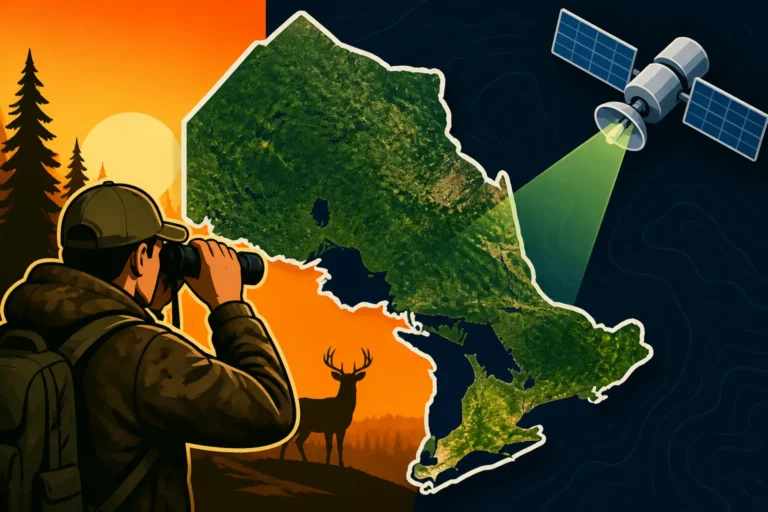
For navigation, a GPS unit or a smartphone with reliable mapping applications like GoHunt or onX Hunt is incredibly valuable, especially when Hunting Whitetails on Ontario Crown Land or venturing into unfamiliar territory. These apps provide detailed satellite imagery, topographic maps, and often include property boundaries, Crown Land designations, and even trails or logging roads. Make sure to download offline maps before heading into areas with no cell service. A traditional compass and map are also excellent backups, as electronics can fail. Don't forget a headlamp or flashlight, preferably one with a red light option to preserve your night vision, for walking in pre-dawn and tracking after dark. A small power bank can keep your electronics charged throughout a long day or multiple-day hunt.
Layering for Ontario's Variable Weather
Ontario's fall weather is notoriously unpredictable. An early September morning might start cool but quickly warm up, making you sweat. A late November afternoon could turn into a full-blown blizzard. Effective layering is the key to comfort and stealth. Start with a moisture-wicking base layer to manage sweat, which can quickly chill you once you stop moving. A mid-layer provides insulation, and a quiet, waterproof/windproof outer shell is crucial for protection against rain, snow, and biting winds. Brands like Sitka, Kuiu, or even more affordable options like those from Bass Pro Shops or Cabela's offer excellent layering systems designed for hunters.
For early season bowhunting in Ontario, expect mild temperatures and a healthy population of mosquitos and black flies. Lightweight, breathable long-sleeved shirts and pants, often in camouflage patterns, are ideal. Consider clothing treated with permethrin or carrying a good bug repellent. As the season progresses into October and November, heavier insulation becomes necessary. A warm, insulated jacket and pants, perhaps fleece-lined or down-filled, along with warm gloves or mittens and a wool or fleece hat, will be essential for staying comfortable on stand for hours. Always bring extra layers; it’s better to have too much and shed it than to be miserably cold. Waterproof boots are also a must, as Ontario’s woods can be wet, especially in swamps, river bottoms, or after rain.
Scouting Strategies for Ontario Whitetails
Effective scouting is the bedrock of any successful bowhunt in Ontario. With a season that spans such a long period, understanding deer movement patterns throughout the early, mid, and late fall is critical. It's about more than just finding deer; it's about understanding why they are where they are and how to intercept them with a bow.
Pre-Season Reconnaissance and Trail Camera Use
Long before the season opens, ideally in late summer, you should be out in the woods. This pre-season reconnaissance is about identifying key areas: primary food sources (acorns, apples, agricultural fields like corn or soybeans), water sources, bedding areas, and the travel corridors connecting them. Look for fresh deer sign like rubs, scrapes, and tracks. In Ontario's diverse habitats, from the open farmlands of the south to the vast mixed forests further north, these signs can be subtle but telling. Consider using a mapping tool like GoHunt to mark potential stand locations, historical deer sightings, and areas with good cover.
Trail cameras are invaluable scouting tools, offering round-the-clock surveillance without your physical presence. Set them up on active trails, scrape lines, or near food sources. They not only show you what deer are in the area but also when they are moving. This intelligence is crucial for timing your hunts. For the early season, cameras can help you identify velvet bucks and monitor their patterns before they shed their velvet. As the season progresses, cameras are fantastic for pinpointing rutting activity and tracking the movement of specific bucks. Remember to place cameras discreetly, using scent control when checking them, and consider using security measures if on public land, especially if you're Hunting Whitetails on Ontario Crown Land.
Reading Sign in Different Habitats
Ontario offers a patchwork of habitats, each requiring a slightly different approach to reading deer sign. In southern Ontario farmland, deer often bed in small woodlots, thick fencerows, or dense creek bottoms, venturing out into fields to feed. Look for entry and exit points into these fields, often funnelled by natural topography or human structures. Along these edges, you’ll find well-worn trails, rubs on smaller trees, and scrapes. Our guide on Hunting Deer in Southern Ontario Farmland delves into these specific strategies.
In the mixed forests of central Ontario, deer patterns can be more dispersed. Here, focus on transition areas – where hardwoods meet conifers, along ridge lines, or near swamps and beaver ponds. Identifying preferred food sources like oak ridges for acorns or forgotten apple orchards is key. Bucks will often use these varied terrains for security and breeding. Learning to differentiate fresh rubs and scrapes from older ones is crucial for knowing where recent activity has occurred. Heavy trails leading into dense cedar swamps are prime spots in colder weather as deer begin to yard up. For deeper insights into forest hunting, read about Hunting Deer in Ontario's Mixed Forest or Reading Whitetail Sign in Ontario Hardwoods.
Adapting to Changing Conditions
Deer patterns are fluid, constantly shifting due to weather, food availability, and hunting pressure. A warm spell in October might keep deer moving at night, while a sudden cold front could spur daytime activity. Heavy acorn crops in one area might pull deer away from agricultural fields, whereas a poor mast crop could push them back. Being adaptable means not getting stuck on one plan. If your trail cameras show deer have moved off a primary food source, it’s time to find the new attraction.
Hunting pressure also plays a significant role, especially on public land. As the season progresses, deer become warier. They'll often shift their movements to low-light hours or use thicker cover to travel. This might mean adjusting your stand locations, hunting deeper into secluded pockets, or sitting all day to catch those rare mid-day movements. Continual scouting, even during the season, helps you stay ahead of these changes. Use tools like GoHunt to identify potential areas where pressure might be lighter, or to locate overlooked pockets of cover that deer might be retreating to. This constant learning and adjustment are what makes bowhunting in Ontario so engaging and challenging.
Effective Bowhunting Techniques in Ontario's Diverse Terrain
Bowhunting requires a more intimate understanding of deer behaviour and movement than rifle hunting, due to its close-range nature. Ontario’s varied landscape demands a diverse set of tactics, from patient waiting in a stand to aggressive still-hunting. The key is to match your technique to the specific terrain, weather, and time of season.
Still-Hunting and Stalking in the Bush
While many bowhunters prefer to hunt from a stationary position, still-hunting or stalking can be incredibly effective, especially in dense Ontario bush or during periods of high deer activity like the rut. Still-hunting involves moving extremely slowly and deliberately through the woods, pausing frequently to observe and listen. This isn't about covering ground quickly; it's about seeing the deer before it sees you. Focus on areas with good visibility but also plenty of cover, such as along ridge lines, creek bottoms, or the edges of dense thickets.
Stalking takes this a step further, involving a calculated approach to a deer you’ve already spotted. This requires exceptional stealth, careful use of wind direction, and an intimate knowledge of the terrain. Picking out individual deer in Ontario's mixed forest can be challenging, so having quality binoculars and practicing your glassing techniques are vital. Move only when the deer’s head is down or obscured, taking advantage of natural sounds like wind or rustling leaves to mask your movement. This technique is often more successful when there's a light rain or a fresh layer of snow to muffle your footsteps. For tips on stealthy movement, you might find our article on Hunting Ontario's Mixed Hardwood Bush useful.
Using Calls and Decoys in Archery Season
Calls and decoys can be powerful tools for bowhunters, especially during the peak of the rut, but they need to be used judiciously. Grunt tubes are excellent for mimicking the sounds of a buck or doe, which can pique the curiosity of a passing deer. Short, subtle grunts can sometimes stop a deer long enough for a shot, while more aggressive grunting or snort-wheezes can challenge a dominant buck. Rattling antlers can simulate two bucks fighting, often drawing in other bucks eager to investigate or challenge. For specific advice, consider our guide on Rattling and Calling Ontario Whitetails.
Doe or buck decoys can also be highly effective, especially in more open country or during the pre-rut and rut phases. A buck decoy can challenge an approaching buck, bringing him into bow range. A doe decoy, especially when paired with scent or calls, can attract cruising bucks looking for receptive does. Position your decoy so that an approaching buck presents a quartering-away shot as he focuses on the decoy. Always be aware of your surroundings when using decoys, especially on public land during overlapping firearms seasons, as they can sometimes draw other hunters’ attention.
Hunting Food Sources and Travel Corridors
Deer are driven by their stomachs for much of the archery season, particularly during the early and late periods. In the early fall, focus your efforts on active food sources. This could be a productive oak stand dropping acorns, a forgotten apple orchard, or the edges of agricultural fields like standing corn or soybeans. Setting up a stand or ground blind downwind of these areas, along the primary trails leading to them, can be incredibly productive. As food sources change throughout the fall, so should your strategy. Hunting a Standing Corn Field Edge can be a great early season tactic.
Travel corridors are the highways deer use to move between bedding and feeding areas, or between different segments of their home range. These can be natural funnels like saddles in ridges, narrow strips of woods between open fields, creek bottoms, or swamp edges. Finding these natural pinch points and setting up your ambush point downwind can increase your chances of intercepting a moving deer. Look for fresh tracks, rubs, and scrapes along these corridors to confirm active use. Remember that deer often use different travel routes depending on the wind direction, so having multiple stand options for different wind conditions is a smart strategy.
The Art of Stand Placement and Hunting from a Blind
Successful bowhunting often hinges on your ability to remain concealed and undetected, and your choice of elevated stand or ground blind placement is paramount to achieving this. It's not just about finding a good spot; it's about finding the best spot for a clean, ethical shot.
Elevated Stands and Tree Saddles
Elevated stands, whether hang-ons, climbers, or ladder stands, are popular among Ontario bowhunters for several reasons. They get you above a deer's primary line of sight and help dissipate your scent higher in the air, making you less detectable. When choosing a tree for your stand, look for one that offers good cover both in front and behind you, breaking up your silhouette. Conifers, especially mature pines or cedars, are excellent choices as their dense foliage provides natural concealment even as leaves fall from deciduous trees. Consider the sun's position throughout the day to avoid being silhouetted or having the sun glare directly into your eyes.
Optimal stand height varies, but generally, 15 to 25 feet (4.5 to 7.5 meters) is a good starting point for bowhunting, depending on the terrain and available cover. Always trim shooting lanes before the season opens, making sure you have clear paths to likely deer trails and feeding areas. Clear lanes for both right and left-handed shots, and remember to clear lanes for both standing and seated shots. Utilizing a tree saddle, like those from Tethrd or other brands, has become increasingly popular for its lightweight, mobile, and versatile nature, allowing hunters to hunt harder-to-reach spots. Our article on Hanging a Stand on an Ontario Bush Edge provides more detailed advice on selection and setup.
Ground Blinds and Their Advantages
Ground blinds offer an excellent alternative, especially in areas with limited suitable trees for stands, or for hunters who prefer to stay on terra firma. They provide complete concealment, making them forgiving for slight movements, and they offer excellent protection from the elements, which can be a huge bonus during cold, wet, or windy Ontario hunts. Pop-up blinds from brands like Primos or Ameristep are portable and quick to set up, making them versatile for hunting different locations. When placing a ground blind, brush it in thoroughly with natural vegetation to break up its outline.
The key to successful ground blind hunting is scouting and setup. Place your blind well in advance of your hunt, ideally several weeks prior, to allow deer to get accustomed to its presence. Position it carefully, ensuring you have clear shooting lanes at various angles and distances. Pay close attention to the background behind your blind – a dark backdrop will help your blind disappear, while an open field behind it might silhouette you. Ground blinds are particularly effective when Hunting a Standing Corn Field or other agricultural fields, or along dense fencerows where deer feel secure.
Scent Control and Wind Awareness
No matter your chosen method, scent control and wind awareness are arguably the two most critical factors for successful bowhunting. Deer have an incredible sense of smell, and any human odour can instantly blow your hunt. Invest in scent-eliminating sprays, detergents, and storage bags for your hunting clothes. Shower with scent-free soap before your hunt and dress in your hunting clothes only when you arrive at your hunting location. Minimize contact with foreign odours like gasoline or coffee.
More importantly, always hunt with the wind in your favour. This means knowing the prevailing wind direction for your chosen stand or blind location and having alternative setups for different wind directions. A simple wind checker (a small bottle of powder or thread) is an essential tool to constantly monitor the wind. Even a slight shift in breeze can carry your scent directly to a wary buck. Understanding how terrain features like ridges, valleys, and dense cover can swirl or channel wind currents is also vital. A good mapping app like GoHunt can provide topographic data to help you predict wind patterns. Never compromise on wind direction; it's better to stay home or choose another location than to hunt with a bad wind.
Shot Placement, Tracking, and Meat Care
The moment of truth in bowhunting is both exhilarating and critical. Ethical shot placement, meticulous tracking, and proper meat care are not just about success; they're about respect for the animal and ensuring the quality of your hard-earned harvest.
Ethical Shot Placement for Archery
For bowhunters, the goal is always a double-lung shot. This shot penetrates both lungs, causing rapid blood loss and typically a quick, ethical harvest. The ideal target area is just behind the shoulder, slightly low and centered vertically on the body. Avoid shooting at the shoulder itself, as the bone can deflect your arrow or prevent adequate penetration. A quartering-away shot can also be highly effective, aiming to exit through the opposite shoulder, ensuring both lungs and potentially the heart are hit.
Practice is paramount. Know your effective range with your bow and stick to it. For most bowhunters, this means limiting shots to within 30-40 yards, or even closer in thick cover. Practice from elevated positions if you hunt from a tree stand, and from a kneeling or seated position if you hunt from a ground blind. In the heat of the moment, target a specific patch of hair on the deer's body rather than just "the deer." This hyper-focus can help you execute a more precise shot. Never take a shot you're not confident in, and if a deer is facing directly at you or directly away, it's generally best to wait for a better angle.
Efficient Tracking Strategies
After the shot, patience is a virtue. Resist the urge to immediately pursue the deer. Give the animal time to bed down and expire. For a good hit (double lung), waiting 30-60 minutes is often sufficient. For marginal hits (liver or gut shots), wait at least 4-6 hours, or even overnight if conditions allow. Mark the exact spot where the deer was standing when you shot it, and the last place you saw it. Look for your arrow; the blood on it can tell you a lot about the hit.
Start tracking slowly and meticulously, looking for blood, broken branches, disturbed leaves, or tracks. Bright red, frothy blood indicates a lung hit. Dark red blood with stomach contents indicates a gut shot. Mark your blood trail with flagging tape or toilet paper every few yards so you don't lose your spot. If the trail becomes sparse, expand your search in ever-widening circles around the last confirmed sign. Enlisting the help of experienced trackers or a tracking dog can be invaluable, especially for difficult trails or when Reading Sign After a Fresh Snow. Having a good headlamp is crucial for tracking after dark. Many Ontario hunters carry a portable spray bottle of hydrogen peroxide, which can make faint blood trails more visible by reacting with the blood.
Field Dressing and Preserving Your Harvest
Once you've recovered your deer, prompt and thorough field dressing is essential, especially during the warmer early archery season in Ontario. The goal is to remove the entrails quickly to allow the carcass to cool down as fast as possible. This inhibits bacterial growth and ensures good meat quality. Wear rubber gloves for hygiene. Make a shallow incision from the breastbone to the pelvis, carefully cutting around the anus, and remove all internal organs. A sharp knife is indispensable here.
After field dressing, consider wiping out the cavity with paper towels or a clean cloth to remove any excess blood or debris. If temperatures are warm, prop the cavity open with a stick to allow maximum airflow. Transport your deer as quickly and cleanly as possible to a cooler environment. If you're out in the bush, especially in northern Ontario, a game bag can help protect the meat from flies and dirt. If you’re hunting in early September when temperatures can still be quite warm, proper Meat Care in Ontario's Warm Early Seasons becomes even more critical. You might need to quarter the deer and get it on ice quickly. Some hunters even carry large coolers packed with ice in their vehicles, especially for longer drives home.
Navigating Ontario's Crown Land and Private Properties
Ontario offers a vast amount of hunting opportunity, but knowing where you can hunt and how to gain access is fundamental. Whether it's the expansive public lands of the north or the more fragmented private parcels in the south, understanding the rules of engagement is key.
Accessing and Navigating Crown Land
Ontario boasts an incredible amount of Crown Land, particularly in the central and northern regions, much of which is open to hunting. This provides fantastic opportunities for bowhunters seeking remote experiences away from pressure. However, navigating Crown Land can be challenging. It's often unmarked and can be dense, rugged terrain. Before heading out, thoroughly research your chosen WMU. Use digital mapping tools like GoHunt, which overlays Crown Land boundaries, to identify accessible areas. You can also get maps from the Ministry of Natural Resources and Forestry (MNRF) or local service centres. Our detailed guide on Public Hunting Land in Ontario provides extensive resources.
Remember that while Crown Land is public, certain restrictions may apply, such as motorized vehicle access rules or camping regulations. Always be aware of any private land inholdings or patented mining claims within Crown Land areas, as these are not open to public hunting without permission. Respect private property boundaries meticulously. While hiking or boating into remote areas can lead to untouched hunting grounds, ensure you have proper navigation tools, emergency communication, and a plan for packing out your harvest. A canoe-in hunt on Crown Land can be an unforgettable experience, as described in our article about Canoe-In Hunting on Ontario Crown Land.
Gaining Private Land Permission
In southern Ontario, much of the huntable land is privately owned, making landowner permission a critical component of successful hunting. Approaching landowners respectfully and well in advance of the season is key. Introduce yourself, explain your intentions, and offer to help with chores or share your harvest. Building a good relationship with a landowner can secure hunting access for years to come. Remember to ask about any specific rules they might have, such as areas to avoid or preferred parking spots.
Always carry a written permission form (many hunt clubs or even the MNRF provide templates) that is signed by the landowner. This protects both you and the landowner in case of any issues. Being a responsible and ethical hunter who respects property, closes gates, and cleans up any messes goes a long way. The ability to access private land can significantly reduce hunting pressure and increase your chances of success, especially on large, mature whitetails. For more tips on this, refer to our post on Knocking on Doors in Southern Ontario.
Understanding WMU Specifics for Bowhunters
Ontario is divided into numerous Wildlife Management Units (WMUs), each with its own specific regulations, season dates, and sometimes, unique challenges or opportunities. As a bowhunter, it's not enough to know the general provincial rules; you must know the specific rules for your chosen WMU. This includes understanding the specific archery season dates, antlerless tag availability through draws, and any controlled hunt zones that might apply.
WMUs are often grouped into larger regions (e.g., Southern, Central, Northern), but even within these regions, local rules can vary. For instance, some WMUs might have a longer archery season than their neighbours, or offer different antlerless tag quotas. Using resources like the official Ontario Hunting Regulations Summary and online mapping tools can help you pinpoint the best WMUs for your bowhunting aspirations. Consider the terrain and game density of a WMU when making your choice. Some WMUs, especially those in the agricultural belt, are known for producing larger bucks due to abundant food sources. Others in more rugged, forested areas might offer a more challenging but equally rewarding experience.
| WMU Region | Typical Archery Start | Typical Archery End (No Gun Overlap) | Common Deer Species | Terrain | Notes for Bowhunters |
|---|---|---|---|---|---|
| Southern Ontario | Early September | Mid-December (variable) | White-tailed Deer | Farmland, small woodlots, dense river bottoms | Higher deer density, private land access key, large bucks possible. |
| Central Ontario | Early September | Mid-December (variable) | White-tailed Deer | Mixed forest, lakes, shield country | Good mix of public/private, diverse habitats, good early rut. |
| Northern Ontario | Mid-September | End of November (variable) | White-tailed Deer, Moose | Boreal forest, vast Crown Land, rugged | Lower deer density, more remote, longer tracking distances, potential for moose. |
| Algonquin Area | Early September | Mid-December (variable) | White-tailed Deer | Hardwood/Conifer mix, rugged, protected corridors | Strict rules on access and designated hunting areas. |
This table provides general guidelines; always consult the current Ontario Hunting Regulations Summary for precise WMU dates and rules.
Common Challenges and How to Overcome Them
Bowhunting in Ontario, while incredibly rewarding, comes with its own set of hurdles. Being prepared for these challenges can often make the difference between a frustrating trip and a successful one.
Dealing with Hunting Pressure
Hunting pressure is a reality, especially on public land in more accessible WMUs. Over the long archery season, deer become warier, often shifting to nocturnal movements or retreating into the thickest, most overlooked cover. To overcome this, start by scouting thoroughly to identify areas that receive less pressure. This might mean walking further from access points, using a canoe or ATV to reach remote areas (where permitted), or finding small, overlooked pockets of cover that other hunters bypass. Using satellite imagery on apps like GoHunt to scout for these hidden gems is an excellent tactic.
Flexibility is key. If your primary spot gets pressured, be ready to move. This might involve packing a mobile setup, like a tree saddle or a lightweight hang-on stand, that allows you to quickly change locations. Consider hunting during weekdays when pressure is typically lower, or during inclement weather when many hunters stay home. Hunting over water sources during dry spells, or focusing on bedding areas during the middle of the day, can also produce results when deer are holed up due to pressure. Sometimes, the best solution is simply to sit all day in a quality stand location during the rut, as described in Sitting All Day in an Ontario Blind.
Managing Bugs and Weather Extremes
The long Ontario archery season means you’ll encounter a range of weather and insect conditions. Early season hunts in September can bring warm temperatures and swarms of mosquitoes and black flies. Bug suits, head nets, and liberal applications of insect repellent containing DEET or picaridin are essential. Permethrin-treated clothing can also provide excellent protection. While the bugs tend to wane with the first hard frosts, the weather itself can become extreme.
Late season hunts in November and December can involve freezing rain, snow, and bitter cold. Proper layering with insulated, waterproof, and windproof clothing is critical, as discussed in the gear section. Hand warmers, insulated boots, and a thermos of hot coffee or tea can make long sits in frigid conditions much more tolerable. Being prepared for rapidly changing weather—a common occurrence in Ontario—means always carrying rain gear, even if the forecast looks clear. A sudden downpour can quickly lead to hypothermia if you’re not properly dressed.
Ethical Considerations and Fair Chase
Bowhunting inherently demands a high ethical standard. Taking responsible shots within your effective range, waiting for the animal to expire, and diligent tracking are all part of fair chase. It's about respecting the animal and the hunting tradition. Avoid shots that are low-percentage or could wound an animal. If you make a less-than-ideal hit, commit to finding that animal, no matter how difficult or long the track. This commitment is a hallmark of an ethical bowhunter.
Beyond the shot, ethical considerations extend to your behaviour in the woods. This includes respecting private property boundaries, leaving no trace behind, and being a good ambassador for hunting. Clean up any garbage, retrieve all flagging tape, and minimize your impact on the environment. Understanding that your actions reflect on the entire hunting community is vital. Always be ready to help fellow hunters when needed and engage with landowners and the public in a positive, respectful manner.
Bowhunting Ontario's long archery season is an incredible journey, full of rich experiences and challenging pursuits. From the crisp days of early fall to the silent, snowy woods of late season, the opportunities are boundless for those who are prepared and dedicated. By understanding the regulations, outfitting yourself properly, mastering scouting and hunting techniques, and upholding the highest ethical standards, you'll be well on your way to a memorable and successful Ontario bowhunting adventure.
Disclaimer
The information provided in this guide is for general informational purposes only and is not a substitute for the official Ontario Hunting Regulations Summary. Hunters are solely responsible for understanding and adhering to all current provincial and federal hunting laws and regulations. Always consult the most recent official regulations summary published by the Ontario Ministry of Natural Resources and Forestry (MNRF) before heading out to hunt. Safety should always be your top priority.