Hunting Ontario’s Haliburton Highlands
Hunting the Haliburton Highlands can feel like stepping into a postcard, but beneath that picturesque beauty lies some truly challenging and rewarding hunting opportunities. Many hunters find themselves intimidated by the rugged terrain, the dense mixed forests, and the patchwork of private and public land that defines this region. This comprehensive guide aims to demystify hunting in the Haliburton Highlands, helping you understand its unique landscape, target the right game, navigate access, and ultimately plan a successful and safe hunt in this stunning part of Ontario.
Understanding the Haliburton Highlands Landscape
The Haliburton Highlands are a distinct geographical area within central Ontario, part of the larger Canadian Shield. This isn't flat, open farmland; it's a world of granite outcroppings, rolling hills, dense forests, and countless lakes and rivers. This rugged, beautiful terrain presents both challenges and advantages for the hunter.
Unique Topography and Forest Types
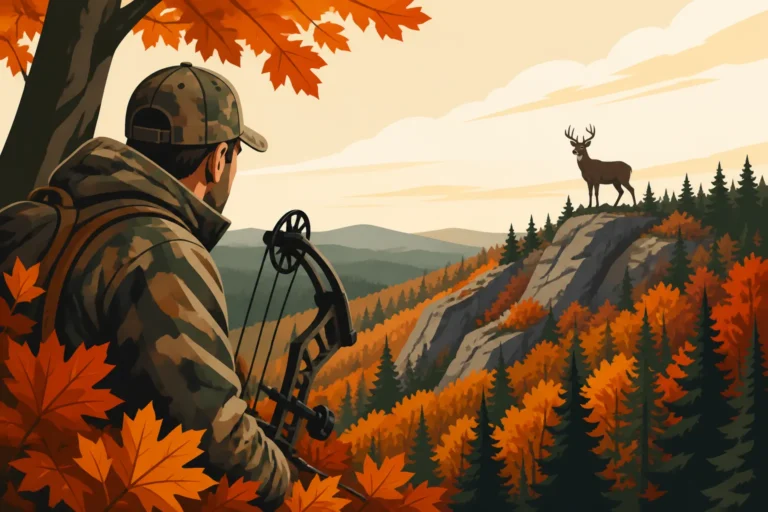
When you head into the Haliburton Highlands, you're entering a landscape shaped by ancient glaciers and covered by a mix of coniferous and deciduous trees. You'll find towering white pines, majestic oaks, maples, and birches, often interspersed with cedar swamps and thick stands of spruce. This mixed forest habitat provides diverse cover and food sources for a variety of game. The rolling hills and deep valleys mean you'll be doing a lot of climbing, and navigating without a solid understanding of the topography can be exhausting. Many ridges offer fantastic vantage points, but getting to them requires effort. You'll often encounter rocky outcrops and uneven ground, which can make footing tricky, especially when carrying gear or dragging an animal. It’s a place where knowing how to read a contour map, or using a robust digital mapping tool like onX Hunt, becomes absolutely invaluable, letting you visualize those elevation changes before you even set foot in the bush.
Imagine hiking along an old logging trail, the ground carpeted in fallen leaves, then suddenly ascending a steep, rocky incline that opens up to a view of a vast, forested valley. That's a typical Haliburton experience. The varied elevation creates thermal currents that can influence game movement, and the changes in forest cover provide distinct zones for different species. A hardwood ridge might be a whitetail hotspot for acorns, while a low-lying cedar swamp offers crucial winter cover. Understanding these subtle shifts in habitat is key to locating game.
Water Bodies and Wetlands
The Haliburton Highlands are renowned for their abundant lakes, rivers, and wetlands. This isn't just pretty scenery; these water features are integral to the ecosystem and profoundly influence animal behavior. Countless small lakes, beaver ponds, and flowing creeks create natural travel corridors and bottlenecks for game. Deer often use the edges of these water bodies for bedding and feeding, and they provide natural escape routes. Hunting a Beaver Meadow Crossing can be a particularly effective strategy, as these areas often concentrate game.
Wetlands, from sprawling cattail marshes to dense cedar swamps, offer sanctuary and food. While they can be incredibly difficult to traverse, they often hold undisturbed game. A mature buck might spend the daylight hours bedded deep in a swamp, only emerging at dusk to feed along its drier edges. Understanding where these wetlands are located and how game uses them is critical. Access points, often found along old roads or ATV trails, can be prime spots for setting up. Always be prepared for wet conditions, as even seemingly dry ground can quickly turn boggy near these water features.
Target Game Species in the Highlands
The Haliburton Highlands offer diverse hunting opportunities, primarily for whitetail deer and black bear, with ample small game and upland bird possibilities. Each species presents its own unique challenges and rewards in this rugged environment.
Whitetail Deer in the Highlands
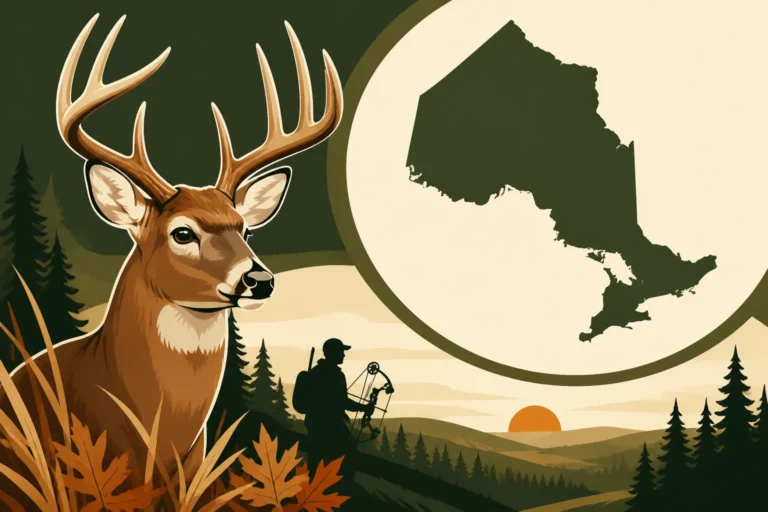
Whitetail deer are the primary big game species pursued in the Haliburton Highlands. While the deer here might not reach the sheer body mass or antler size of their agricultural-fed cousins in Southwestern Ontario, they are known for being incredibly hardy, cunning, and often, quite large for their northern habitat. These bucks are true survivors, well-adapted to the dense cover and often sparse food sources of the Shield country. Expect to find deer utilizing the mixed forests, finding browse in younger regenerating cutovers, and seeking refuge in thick cedar swamps, especially as winter approaches. Hunting Ontario's Mixed Hardwood Bush is a classic Haliburton strategy, focusing on areas with good mast crops like acorns, which draw deer in during the fall.
Hunting whitetails here demands patience and an intimate knowledge of their patterns. You'll often be still-hunting or stand-hunting along natural travel corridors, ridge lines, or the edges of dense cover. Tracking can be effective after a fresh snow, but the rocky ground can make it tough to follow sign without consistent cover. Success often comes down to scouting diligently before the season, identifying bedding areas, feeding zones, and the pinch points that connect them. Understanding Reading Whitetail Sign in Ontario Hardwoods is invaluable here, as every rubbed tree or scraped patch of earth tells a story.
Black Bear Opportunities
The Haliburton Highlands are prime black bear country, offering excellent hunting opportunities. Bear populations are healthy, and the mixed forests provide abundant food sources like berries, nuts, and insect larvae. Hunters often target bears through baiting, particularly during the spring and fall seasons. While baiting requires significant preparation and commitment, it allows hunters to observe bears, judge their size, and ensure an ethical shot. Baiting Black Bear in Ontario is a widely used and effective method in this region.
Alternatively, some hunters opt for spot-and-stalk or still-hunting, especially in areas with recent logging activity where new growth provides both food and cover. Bears are intelligent and highly mobile, often covering large territories. Understanding their seasonal movements – from emerging in spring to fattening up on berries in late summer and early fall – is crucial. Remember, Why You Cannot Shoot a Sow With Cubs is a critical regulation that every bear hunter must respect. Careful identification is paramount, and many outfitters offer guided hunts if you prefer expert assistance in judging animals and navigating the terrain.
Upland Birds and Small Game
Beyond big game, the Haliburton Highlands offer fantastic opportunities for upland bird and small game hunting. Ruffed grouse are plentiful in the mixed forests, particularly along old logging roads, clearings, and bush edges where they find grit and abundant food sources. Ruffed Grouse Hunting Ontario's Bush Roads is a popular technique, slowly walking or driving these routes with a shotgun, often with a good flushing dog to get birds airborne. The drumming of a male grouse is a common sound in these woods, a clear indicator of their presence.
Snowshoe hare also thrive in the dense conifer stands and regenerating clearcuts. These elusive rabbits provide a challenging hunt, especially with their camouflaged coats against the snow in winter. Running beagles through thick cover is a classic and exciting way to pursue them. Cottontail rabbits can also be found along farm fencerows and brush piles on the fringes of the Highlands. Squirrel hunting, particularly for red and grey squirrels in the mature hardwood stands, can offer a fun and active hunt, especially for new hunters. These small game species add another dimension to the Haliburton hunting experience, offering action when big game might be scarce.
Navigating Public and Private Land in Haliburton
One of the biggest challenges for hunters in the Haliburton Highlands, as in much of Southern and Central Ontario, is understanding and navigating the complex patchwork of public and private land. It's not always clear where one ends and the other begins, and respecting property boundaries is paramount.
Unpacking Crown Land Access
Fortunately, the Haliburton Highlands region boasts a fair amount of Crown Land, which is public land open for hunting. However, it's often fragmented, interspersed with private holdings, and can be difficult to access. Identifying these areas is the first step. The provincial government provides online mapping tools, and third-party apps like onX Hunt are incredibly useful for overlaying property boundaries with satellite imagery and topographic maps. This allows you to visually identify Crown Land blocks, understand the terrain, and plan your approach. Hunting Ontario's Crown Land delves deeper into the general rules, but in Haliburton, the key is often finding legal access points, which may be old logging roads, municipal road allowances, or even walking in from public water bodies.
Remember that while you can hunt on Crown Land, rules still apply. Respect any posted signs, even on Crown Land, that might indicate special regulations or seasonal closures. Parking legally is crucial, as many small access roads are not maintained and can become impassable. Always verify your location, especially in dense bush where it's easy to get disoriented. A GPS device or a reliable mapping app is not a luxury, it's a necessity.
Dealing with Private Land Challenges
Private land makes up a significant portion of the Haliburton Highlands, and hunting on it requires explicit permission from the landowner. This is where Getting Private Land Permission in Ontario becomes an art form. Simply walking onto unposted land is not legal; the onus is on the hunter to know who owns the land and secure permission. This often means knocking on doors, introducing yourself, and building a relationship with landowners. Many landowners are wary of hunters due to past negative experiences, so a polite, respectful approach and a promise to be responsible can go a long way.
When seeking permission, be clear about what you intend to hunt, where, and when. Offer to share some of your harvest, or help with small chores on their property. Some private landowners may allow hunting in exchange for venison, or simply appreciate knowing who is on their land. Always carry written permission if possible, and leave the property exactly as you found it. Respecting fences, gates, and agricultural crops is non-negotiable. Building a reputation as a trustworthy hunter can open up more opportunities in the long run.
Utilizing Wildlife Management Units WMUs
Ontario is divided into Wildlife Management Units (WMUs), and understanding these units is fundamental to hunting in the Haliburton Highlands. The region falls primarily within WMU Group 5, which includes units like 52, 53, and 54. Each WMU has specific season dates, bag limits, and regulations for different species. This is particularly important for deer, as antlerless tags are often allocated through draws specific to individual WMUs. Reading an Ontario WMU Map Before You Go is essential preparation.
Before heading out, consult the provincial hunting regulations summary to confirm the dates and rules for the specific WMU you plan to hunt. These regulations can change year to year, so relying on old information is risky. Scouting a WMU means more than just finding game; it means understanding its boundaries, access points, and any special conditions that apply to that particular area. Using mapping tools like GoHunt or onX Hunt can help you visualize WMU boundaries and how they overlay with land ownership. Pay attention to any special draw requirements for antlerless deer or controlled hunts within specific WMUs in the Haliburton area.
Key Hunting Seasons and Regulations for the Region
Understanding the hunting seasons and specific regulations for the Haliburton Highlands is crucial for a legal and successful hunt. Ontario's hunting regulations are set by WMU, so always double-check the current summary for your specific area.
Deer Season Specifics
For whitetail deer in the Haliburton Highlands (WMU Group 5), the season dates are generally split into archery, gun, and often muzzleloader periods. The archery season typically opens in early October, offering hunters a chance to pursue deer before the general gun season pressure begins. The gun season usually kicks off in early to mid-November, coinciding with parts of the rut, making it a very popular time for hunters. Hunting the Rut in Early to Mid November can be incredibly productive, as bucks are more active and less cautious. Muzzleloader seasons often follow the general gun season, providing an extended opportunity, though they can be challenging with colder weather and potentially deeper snow.
Antlerless deer tags in this region are often allocated through a draw system. This means you usually need to apply well in advance, and success isn't guaranteed. If you don't secure an antlerless tag, you'll be restricted to hunting antlered deer (bucks). Bag limits generally allow one deer per hunter, but specific rules about antlered vs. antlerless can vary. Always ensure you have the correct Ontario Deer Season Dates and Tags for your WMU. The Haliburton area's deer can be tough, and success rates can vary depending on weather, pressure, and food availability.
Bear Season Outlook
Black bear hunting in the Haliburton Highlands typically runs in two distinct seasons: spring and fall. The spring bear hunt usually opens in May and runs into June, providing an exciting opportunity to intercept bears as they emerge from their dens and seek food. This season is popular for baiting, as bears are often hungry and eager to find reliable food sources. Timing an Ontario Spring Bear Hunt involves understanding when bears are most active and what food sources are available.
The fall bear season often opens in mid-August and extends through October or even November in some WMUs. This season coincides with bears bulking up for winter, and both baiting and still-hunting can be productive. Berry crops like blueberries, raspberries, and wild apples can be major attractants for bears, and scouting these natural food sources is key. While the Haliburton Highlands have a healthy bear population, success often depends on diligent scouting, proper bait site management (if baiting), and understanding bear behavior. Ensure you're familiar with Ontario's Black Bear Rules, including the requirement for a Black Bear Validation Certificate if you're a non-resident.
Small Game and Bird Seasons
The Haliburton Highlands offer a wide range of small game and upland bird opportunities, with seasons generally extending throughout the fall and into winter. Ruffed grouse, for instance, typically have a season that opens in mid-September and runs through December, providing ample opportunity. Snowshoe hare seasons usually open later in the fall and extend through the winter months, offering a chance for late-season hunting after deer and bear seasons have closed.
Waterfowl hunting can also be found in areas with suitable marshland and water bodies, though it's less prominent than in some other parts of Ontario. Seasons for ducks and geese typically open in September and run into December, with specific dates varying by district. Always check the migratory bird regulations for provincial and federal requirements. For all small game and bird hunting, always carry your Ontario Small Game Licence Rules and ensure you're using legal firearms and ammunition, particularly non-toxic shot for waterfowl.
Practical Tips for a Successful Haliburton Hunt
Hunting in the Haliburton Highlands is an experience that demands preparedness, resilience, and a solid understanding of the terrain. These practical tips can help you make the most of your adventure.
Essential Gear and Preparation
The rugged and often remote nature of the Haliburton Highlands means your gear needs to be up to the challenge. Start with good quality, waterproof hiking boots that provide ankle support; you'll be covering varied and often wet terrain. Layered clothing is crucial, as temperatures can fluctuate dramatically, especially in the fall. Blaze orange is a legal requirement for big game hunting during gun seasons in Ontario, so ensure you have enough to be highly visible from all angles. How Much Blaze Orange Ontario Requires is something every hunter needs to know.
Beyond clothing, a reliable backpack with essentials like a first-aid kit, compass, GPS (or a fully charged phone with a mapping app like GoHunt), headlamp, fire-starting materials, water, and high-energy snacks is non-negotiable. A sharp knife, game bags, and drag rope are essential for field dressing and extracting your harvest. Consider a handsaw or small hatchet for clearing shooting lanes or breaking down game. For those venturing deeper into the bush, a satellite communication device can be a lifesaver where cell service is non-existent.
Scouting Strategies
Effective scouting is the bedrock of a successful Haliburton hunt. Since the terrain is so varied, you can't just expect to "walk into" game. Start with digital reconnaissance: utilize mapping applications like onX Hunt to study topographic maps, satellite imagery, and identify potential bedding areas, travel corridors, food sources (like oak ridges for acorns), and thick cover. Look for pinch points created by terrain features, old logging roads, or water bodies. Scouting With Satellite Imagery in Ontario can save you countless hours of unproductive walking.
Once you have potential areas identified, get boots on the ground long before the season opens. Look for fresh sign: tracks, rubs, scrapes, and droppings. Identify natural funnels and bottlenecks. Pay attention to predominant wind directions and plan stand or blind locations accordingly. Don't be afraid to put in the miles; the hunters who walk further and scout more thoroughly often find less pressured game. Even if you're planning a guided hunt, doing some pre-scouting of the general area will give you a significant advantage and better prepare you for the actual hunt.
Safety Considerations in Rugged Terrain
The Haliburton Highlands are beautiful but unforgiving. Safety must always be your top priority. Always hunt with a buddy if possible, and if hunting alone, let someone know your exact hunting location and your expected return time. Carry a fully charged cell phone (though service can be spotty), a reliable GPS, and a physical compass and map. Know What to Do If You Get Turned Around – staying calm and using your compass to head in a consistent direction is usually the best approach.
The varied terrain presents tripping hazards, so watch your footing, especially when carrying a loaded firearm or in low light. Be mindful of wildlife, especially bears; carry bear spray and know how to use it. Be aware of other hunters, especially during busy gun seasons. Blaze orange is essential, but also listen for gunshots and know where they are coming from. The cold can set in quickly, so pack emergency warm layers. If you're using ATVs for access, be sure to adhere to ATV Rules on Ontario Crown Land and always ride responsibly. This is not the place to take unnecessary risks; a successful hunt means returning home safely.
Table: Haliburton Highlands Hunting Overview
| Feature Category | Description in Haliburton Highlands | Hunting Impact & Tips |
|---|---|---|
| Topography | Rolling hills, granite outcrops, deep valleys, mixed forest. | Physically demanding. Use maps (onX Hunt) for elevation. Focus on ridges, valleys, and pinch points. |
| Forest Type | Mixed hardwoods (maple, oak, birch) and conifers (pine, spruce, cedar). | Diverse habitat. Hardwoods for whitetail food (acorns). Conifers/cedar for winter cover and bear dens. |
| Water Bodies | Numerous lakes, rivers, beaver ponds, cedar swamps. | Natural travel corridors, bedding areas. Difficult to traverse wetlands can hold unpressured game. |
| Primary Game | Whitetail Deer, Black Bear, Ruffed Grouse, Snowshoe Hare. | Whitetails: focus on sign, travel routes. Bear: consider baiting, scout for natural food. Small game: good for active hunting. |
| Land Access | Patchwork of Crown Land and Private Land. | Crown Land: use digital maps (onX Hunt, GoHunt) for boundaries. Private Land: always get explicit permission. |
| Seasons | Archery (Oct), Gun (Nov), Muzzleloader (Dec) for deer. Spring (May-Jun) & Fall (Aug-Nov) for bear. | Check WMU 52, 53, 54 regulations annually for exact dates and tag allocations. |
| Challenges | Rugged terrain, variable cell service, navigation, private land access. | Physical fitness, robust navigation tools, landowner communication, comprehensive safety plan. |
Disclaimer
This article is for general informational purposes only and does not constitute professional advice. Laws, prices and regulations vary by location and change over time. Consult a qualified professional for guidance on your specific situation.