Whether Ontario Has Confirmed CWD
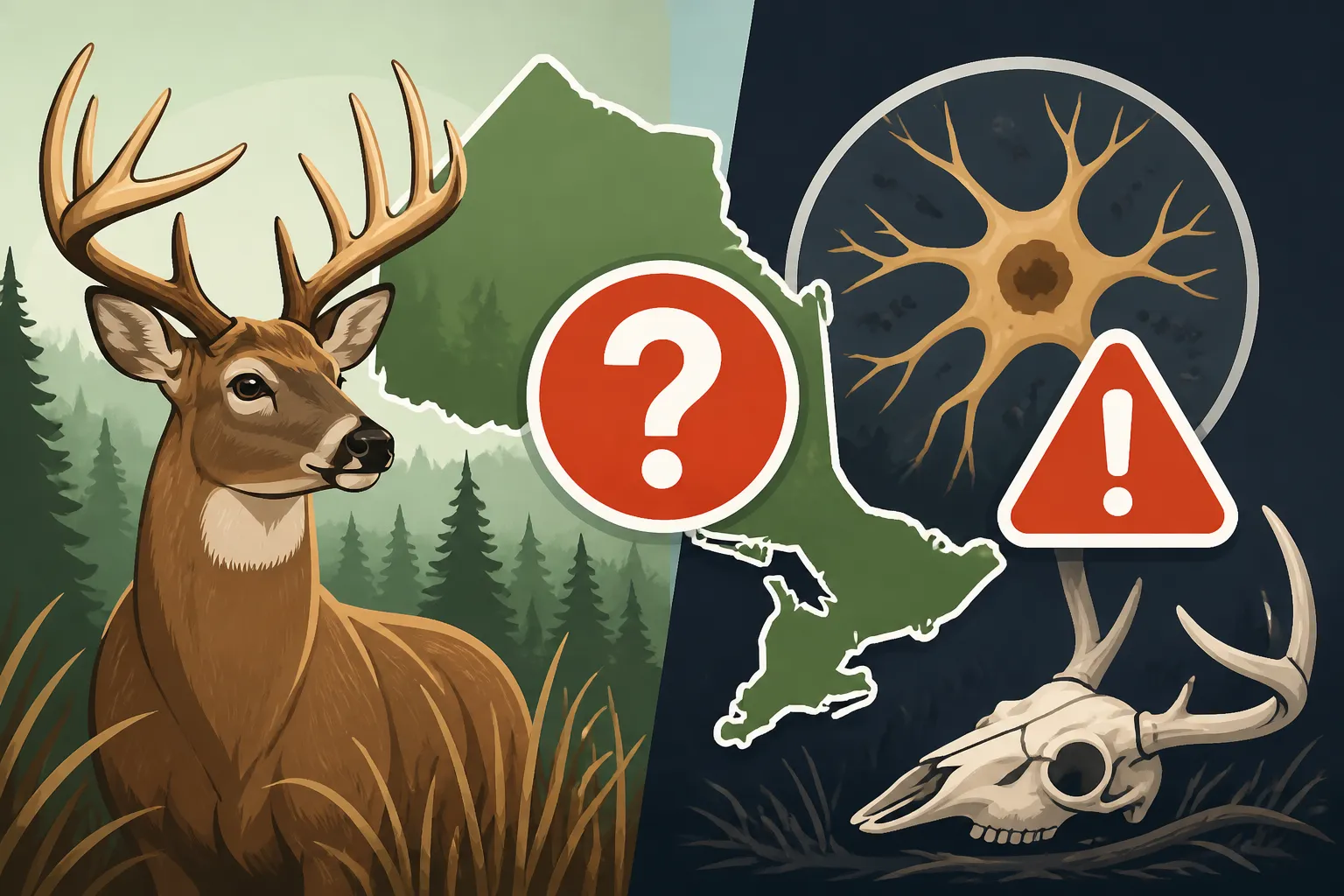
It’s a concern that weighs heavily on the minds of many Ontario hunters, a shadow stretching from news reports south of the border and further afield: is Chronic Wasting Disease (CWD) present in our beloved whitetail, moose, or elk populations here in Ontario? The thought of this devastating neurological disease taking hold is enough to make anyone anxious about the future of hunting and the health of our wildlife. This guide is here to cut through the uncertainty, offering a clear and comprehensive look at Ontario's current CWD status, what the disease entails, and what we, as hunters, can do to help keep our wild herds healthy.
What is Chronic Wasting Disease (CWD) and Why Does it Matter to Hunters?
Chronic Wasting Disease (CWD) is one of those phrases that sends a shiver down a deer hunter's spine. It's a progressive, fatal neurological disease affecting cervids – that's deer, elk, moose, and caribou. Unlike bacterial or viral infections, CWD is caused by abnormal proteins called prions. These prions essentially corrupt normal proteins in the animal's brain, leading to a slow but inevitable decline. The heartbreaking reality is there's no cure, and it's always fatal. For anyone who cherishes wild game and the tradition of hunting, understanding CWD isn't just academic; it's vital to protecting the future of these incredible animals.
The Science Behind CWD
Imagine a normal protein in an animal's brain, perfectly folded and doing its job. Now, picture an abnormal version of that same protein – a prion – coming into contact with it. This prion acts like a rogue instructor, forcing the healthy protein to misfold and become abnormal itself. This chain reaction then spreads, accumulating in the brain and other tissues, slowly eating away at the animal's neurological functions. It's a stealthy killer, often taking months, even years, from initial infection before symptoms become apparent. This long incubation period is precisely what makes CWD so insidious and difficult to detect in its early stages in the wild.
The prions are incredibly hardy, too. They can survive in the environment for years, even decades, in soil, plants, and water, shed through saliva, urine, and feces of infected animals. This means that an area where an infected animal once roamed can become a long-term source of infection for other cervids, making eradication a monumental challenge once it's established. Think of it like a persistent, invisible contaminant that silently waits for its next host.
Impact on Deer and Elk Populations
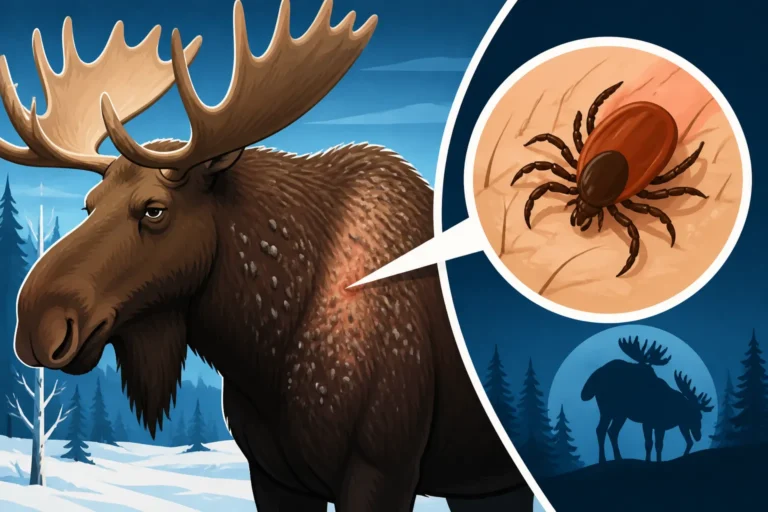
The symptoms of CWD are truly grim. Affected animals will typically show a range of neurological signs: extreme weight loss (hence "wasting"), stumbling, lack of coordination, excessive drooling, lethargy, and a distinct lack of fear of humans. It's a slow, agonizing decline that weakens the animal until it succumbs to the disease itself or falls prey to other factors due to its compromised state. For deer and elk populations, this translates to severe impacts. In areas where CWD is endemic, it can lead to significant population declines, alter herd dynamics, and reduce the overall health and vitality of the herd.
Consider the ripple effect: a healthy deer population contributes to ecological balance, provides hunting opportunities, and supports local economies. A CWD-infected population sees all of this threatened. It's not just about losing individual animals; it's about potentially undermining entire ecosystems and hunting cultures. This is why when we discuss What CWD Means for Ontario Deer, it’s about much more than just a sickness; it’s about stewardship and preservation.
Human Health Concerns
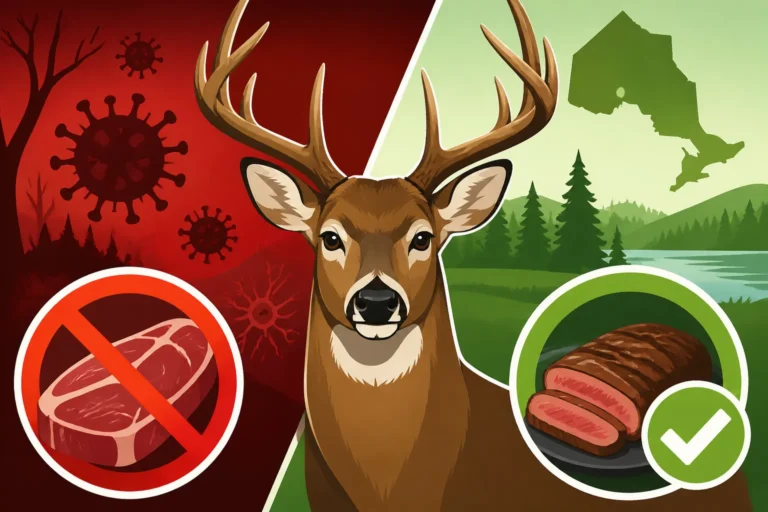
Naturally, a disease that affects animals and is caused by prions raises questions about human health, especially for hunters who handle and consume venison. The good news is that currently, there is no scientific evidence that CWD can be transmitted to humans. Public health agencies, including Health Canada and the World Health Organization, continue to monitor the situation closely, and extensive research has been conducted over decades. To date, no human cases of CWD have ever been identified.
However, the general recommendation from public health authorities in jurisdictions where CWD is present is to avoid consuming meat from animals known to be infected. It's a precautionary principle, meaning that while there's no proven risk, it's always wise to err on the side of caution. For us hunters, this means adhering to strict guidelines when processing game, especially if hunting in areas with known CWD prevalence, and being aware of the ongoing scientific discussions. This concern is often at the forefront when discussing Whether CWD Meat Is Safe to Eat.
Ontario's Current CWD Status and Surveillance Efforts
Now for the big question: has CWD been confirmed in Ontario? As of now, I can confidently state that Chronic Wasting Disease has NOT been detected in Ontario's wild cervid populations. This is fantastic news, a testament to vigilance and proactive measures. However, this doesn't mean we can let our guard down. The disease is present in several US states bordering Ontario, and even in some western Canadian provinces, making ongoing surveillance absolutely critical. The threat is real, and staying CWD-free requires constant effort from everyone involved in wildlife management and hunting.
Ontario's Proactive Surveillance Program
Ontario takes the threat of CWD incredibly seriously and has implemented a robust and ongoing surveillance program. This isn't just a haphazard effort; it's a strategic, scientific approach designed to detect the disease early if it ever makes its way here. The program focuses on targeted sampling of cervids, particularly those that appear sick, have been involved in vehicle collisions, or are harvested by hunters in areas considered at higher risk. Each year, thousands of samples are collected from deer, elk, and moose across various Wildlife Management Units (WMUs) and submitted for laboratory testing.
This surveillance is a huge undertaking and relies heavily on the cooperation of hunters. You might encounter official drop-off locations during deer season or receive information on how to submit samples if you harvest an animal in a priority area. This data collection is vital, giving wildlife biologists the information they need to assess herd health and potential disease vectors. It's truly a collaborative effort to maintain the province's CWD-free status, and your participation is a cornerstone of this success. This proactive approach is further detailed in resources like Ontario's CWD Surveillance Program.
Historical Context: Near-Misses or Concerns
While Ontario's wild cervid populations remain CWD-free, it's important to remember that vigilance wasn't always as widespread. There was a concerning discovery years ago in Quebec, where CWD was detected on a captive deer farm. This incident, though contained, highlighted just how easily the disease could cross borders and enter new territories, especially through the movement of live animals. Thankfully, swift action and rigorous culling protocols prevented its spread into Quebec's wild deer populations.
These kinds of incidents serve as stark reminders that the threat is constant and often originates from human activities, particularly the movement of captive cervids. That’s why Ontario has strict regulations regarding the import and transport of live cervids, and why continued monitoring of both wild and captive populations is so essential. Every piece of legislation and every surveillance effort is a direct response to understanding these risks and protecting our game.
Cross-Border Contamination Risks
Living next door to several US states where CWD is present naturally raises concerns about cross-border contamination. White-tailed deer, for instance, don't recognize international boundaries; they follow food, cover, and breeding cycles. The movement of infected wild animals across the border is a potential pathway for CWD to enter Ontario. However, strict measures are also in place to prevent human-assisted spread.
For non-residents, particularly those hunting in CWD-affected areas, there are specific regulations about bringing carcasses or parts of cervids into Ontario. Generally, only deboned meat, cleaned skull plates, antlers, hides, and taxidermied mounts are permitted. Whole carcasses, brain and spinal column material, and other high-risk parts are usually prohibited to prevent the accidental introduction of prions. When planning a hunt, it's always wise to use a tool like GoHunt to understand the specific WMUs and their regulations, especially if you're coming from a region where CWD is active. Always check the most current regulations for Rules for Non-Residents Hunting Ontario to ensure you comply with all restrictions.
How Hunters Can Help Prevent the Spread of CWD
As hunters, we are often the first line of defense and the most critical partners in wildlife conservation. Our actions in the field, from scouting to harvest and processing, directly impact the health of the ecosystem. When it comes to CWD, our role is invaluable. By adopting best practices and remaining vigilant, we can significantly contribute to keeping Ontario's cervid populations healthy and CWD-free for generations to come. This isn't just about following rules; it's about being responsible stewards of the land and its wildlife.
Best Practices for Field Dressing
Field dressing is an essential part of hunting, but it's also a point where CWD prions could potentially be spread if an animal were infected. The key is to minimize the dispersal of high-risk tissues. While Ontario remains CWD-free, it’s smart to practice these habits anyway, especially if you also hunt in other jurisdictions. When you’re field dressing, remove only the gut pile. Avoid cutting through the brain or spinal column. If possible, choose a site away from trails, water sources, and areas frequented by other cervids.
If you're hunting in an area known to have CWD, even outside Ontario, consider doing the bulk of your processing at a designated facility or an area where you can collect and dispose of all waste properly. For our local hunts, taking measures to perform Field Dressing in Warm Ontario Weather quickly and cleanly helps not only with meat care but also reduces any theoretical risk of environmental contamination. Always wear gloves, and disinfect your tools thoroughly after use with a bleach solution.
Proper Carcass Disposal
Proper disposal of carcasses and high-risk parts is another critical element in preventing CWD spread. If you're hunting in Ontario, and particularly if you've harvested an animal that needs to be tested for surveillance purposes, always follow the specific instructions provided by the Ministry of Natural Resources and Forestry (MNRF). Typically, if you're processing an animal at home, the safest way to dispose of remains like bones, spinal column, and brain matter is to double-bag them and send them to a landfill, where they'll be buried. Do not leave carcasses or high-risk parts exposed in the environment where scavengers could move them or where prions could persist in the soil.
If you hunt outside of Ontario in a CWD-affected area, remember the regulations on Transporting Game Meat in Ontario. Bringing whole carcasses back is usually prohibited. Only deboned meat, cleaned skull plates, antlers, and hides are typically allowed. This prevents the unwitting transport of prions across boundaries. Planning your processing thoroughly is crucial, and it’s always a good idea to consult up-to-date information on the GoHunt platform for any specific WMU guidelines.
Reporting Sick or Unusual Animals
Your eyes in the field are invaluable. You spend hours observing wildlife, and you're often the first to notice if something seems off. If you encounter any cervid – a deer, elk, or moose – that appears sick, emaciated, has difficulty walking, is drooling excessively, or is acting strangely (like being unafraid of humans), it is absolutely vital to report it to the Ministry of Natural Resources and Forestry. Do not approach or handle the animal. Note its location as precisely as possible, take photos or videos if you can do so safely, and contact your local MNRF office or the province's reporting line.
Early detection is paramount in controlling any potential disease outbreak, and your report could be the critical piece of information that helps wildlife managers intervene quickly. This is where Why Mandatory Reporting Matters truly comes into play, contributing to the broader health assessments of White-Tailed Deer Across Ontario and other cervids. By collaborating, we ensure that our beloved game animals remain healthy and that hunting traditions continue for future generations.
Understanding the Broader Impact of CWD
While Ontario has been fortunate to avoid CWD in its wild cervid populations, understanding the broader impacts the disease has had in other regions underscores the importance of continued vigilance. CWD isn't just a biological issue; it's an ecological, economic, and even cultural challenge that ripples through communities and impacts everyone from landowners to small businesses.
Economic Implications for Hunting
In areas where CWD has become established, the economic impact on hunting and associated industries can be severe. Hunter numbers can decline due to concerns about meat safety, reduced animal populations, or simply the added complexity of hunting in CWD zones. This reduction in hunter participation directly affects local businesses that rely on hunting tourism—outfitters, guides, motels, gas stations, restaurants, and sporting goods stores. Imagine a small town that depends on the influx of hunters during deer season; a CWD outbreak could devastate its economy.
Furthermore, managing CWD outbreaks requires significant financial resources. Testing, monitoring, culling, and public education campaigns are expensive, often diverting funds from other important wildlife conservation initiatives. This burden falls on wildlife agencies, which are typically funded, in part, by hunting licence sales. It creates a challenging feedback loop where reduced hunting revenue exacerbates the financial strain of managing the disease. Even for non-residents, using tools like GoHunt to scope out areas where you might travel can help you understand local regulations and potential impacts.
Long-Term Wildlife Management Strategies
The presence of CWD forces wildlife agencies to fundamentally rethink long-term management strategies. Traditional approaches to population management, habitat enhancement, and even season structures can be dramatically altered. In some CWD-affected areas, management goals shift from population growth to disease suppression, often involving increased harvest quotas or specific culling efforts to reduce disease prevalence. This can be contentious and difficult for hunters and communities to accept, especially if it means reducing herd sizes that have been carefully managed for decades.
The focus also broadens to include intensive genetic research, understanding prion transmission dynamics, and exploring new methods for detection and mitigation. It's a constant, evolving battle that requires flexibility, scientific expertise, and the continued cooperation of the hunting public. The insights gained from how Ontario counts its game and similar data collection efforts are critical in developing these nuanced strategies, whether for CWD or other wildlife health challenges.
The Role of Research and Education
The fight against CWD is heavily reliant on ongoing scientific research and comprehensive public education. Researchers are constantly working to understand the disease better: how prions behave in the environment, genetic resistances in cervids, and potential diagnostic tools that are faster and more accessible. This scientific frontier is crucial for developing effective long-term solutions, and funding for this research is incredibly important.
Education, particularly for hunters and landowners, is equally vital. Ensuring that everyone who interacts with cervids understands what CWD is, how it spreads, and what precautions to take is the best way to prevent its introduction and limit its spread. This includes understanding provincial regulations, practicing safe carcass handling, and knowing how to report suspicious animals. Organizations and platforms like GoHunt play a role in disseminating this crucial information, empowering hunters to be informed participants in wildlife health. Our collective knowledge and proactive approach are truly our strongest defenses.
| Aspect | Description | Importance to Hunters |
|---|---|---|
| CWD Status in Ontario | Not detected in wild cervids (as of latest reports). | Crucial to maintain this status; impacts hunting opportunities and meat safety. |
| Causative Agent | Prions (abnormal proteins). | Not a virus or bacteria; extremely hardy and persistent in the environment. |
| Transmission | Direct contact, environmental contamination (soil, water). | Hunter practices like carcass disposal are vital to prevent environmental spread. |
| Symptoms | Wasting, neurological signs (stumbling, drooling, apathy). | Report any suspicious animals immediately; do not consume meat from symptomatic animals. |
| Human Health Risk | No confirmed cases in humans; avoid consuming infected meat as a precaution. | Be informed about Whether CWD Meat Is Safe to Eat and follow public health advisories. |
| Ontario Surveillance | Robust program involving hunter-submitted and targeted samples. | Hunter cooperation is essential for effective monitoring and early detection. |
| Prevention Measures | Strict carcass transport rules, proper disposal, reporting sick animals. | Your active role helps protect our herds and preserve hunting heritage. |
Disclaimer
This article is for general informational purposes only and does not constitute professional advice. Laws, prices and regulations vary by location and change over time. Consult a qualified professional for guidance on your specific situation.