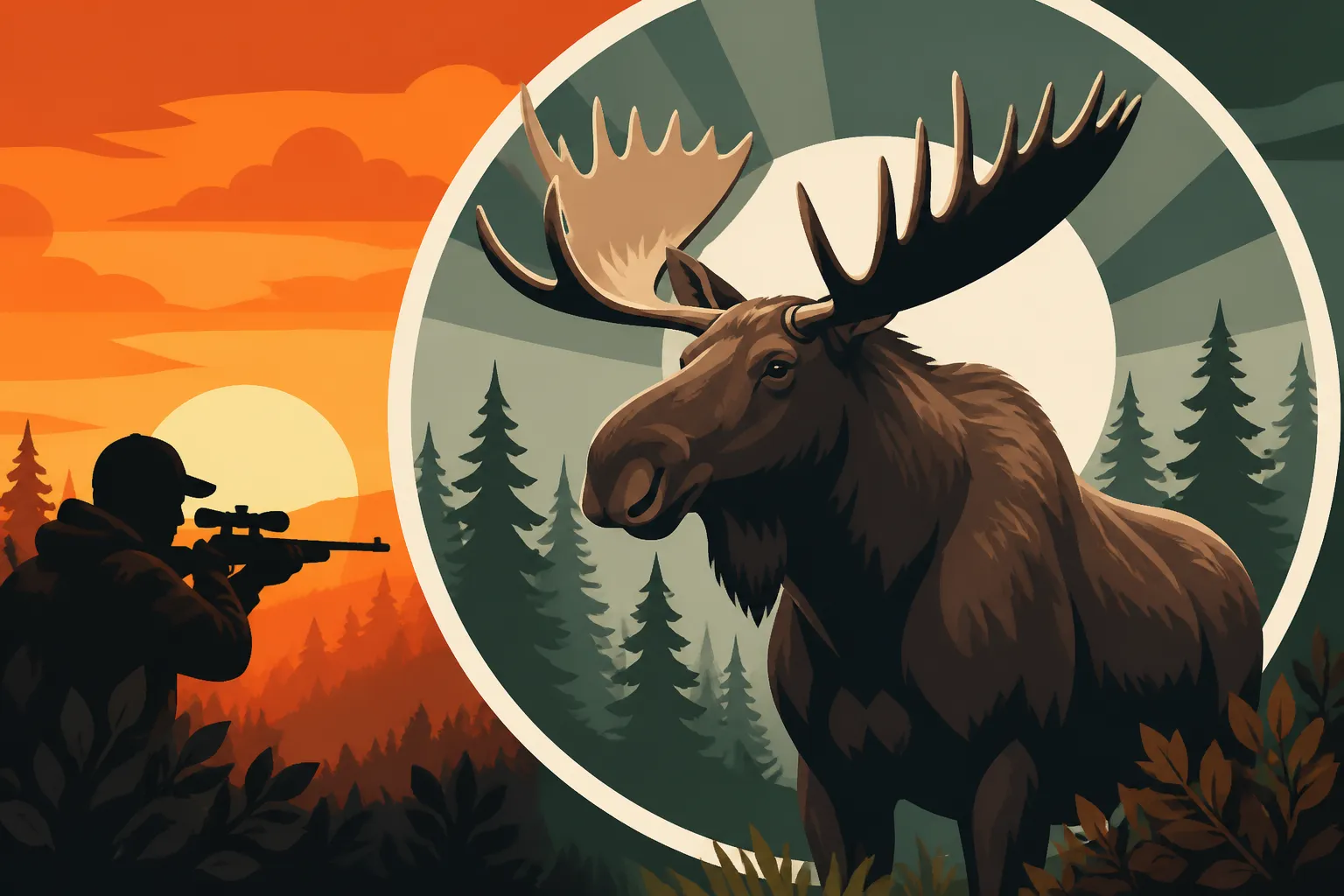
When Ontario’s Moose Rut Peaks
It’s a common lament among moose hunters in Ontario: "I was out there, but the bulls just weren't moving!" Or "I swear I missed the peak!" Getting the timing right for the moose rut can feel like chasing a ghost, leading to frustrating trips and empty freezers. Many hunters expend huge amounts of energy in the vast Ontario bush, only to find the moose are silent and wary. This guide will walk you through exactly when the Ontario moose rut typically peaks, what drives that timing, and how you can use this knowledge to significantly increase your chances of calling in that trophy bull.
Understanding the Ontario Moose Rut Cycle
The moose rut, or breeding season, is a critical period for these magnificent animals, and consequently, for hunters seeking to harvest one. It's a time when the normally solitary bull moose become more active, vocal, and often less cautious, driven by the intense urge to find receptive cows. Understanding this cycle isn't just about knowing dates; it’s about appreciating the biological drivers behind their behaviour and how these translate into hunting opportunities.
The Biological Drivers of the Rut
Moose, like most deer species, are guided by photoperiod – the changing length of daylight – which cues their bodies to prepare for and enter the breeding season. As the days shorten in late summer and early fall, hormonal changes trigger the growth of antlers in bulls and prepare cows for breeding. This biological clock is remarkably consistent year after year, although local conditions like weather or population density can cause slight variations. The primary goal for bulls during this time is to locate cows, impress them with their size and displays, and fend off rivals. This relentless drive makes them more susceptible to calling and more visible than at any other point in the season.
During the rut, a bull’s entire focus shifts to reproduction. His feeding habits might become erratic, and he'll cover more ground than usual, leaving a trail of sign like rubs and scrapes. For a hunter, this means that even though moose are massive, finding these subtle indicators becomes paramount to predicting their movements. Being aware of these biological underpinnings helps you not just hunt during the rut, but to hunt with the rut, understanding the animal's motivations and predicting where they might be looking for a mate. If you want to dive deeper into the province's population, you can explore How Ontario Counts Its Moose.
Why Timing is Everything for Hunters
For Ontario moose hunters, pinpointing the peak of the rut is arguably the most crucial factor for success, especially for those who rely on calling. When the rut is in full swing, bulls are highly responsive to cow calls and even bull challenges. They are less wary, more aggressive, and willing to travel significant distances to investigate a potential mate or rival. Conversely, being a week too early or too late can mean the difference between an exciting, responsive hunt and a frustrating trek through quiet woods.
The peak rut offers a window of opportunity where traditional calling strategies shine. Hunters can capitalize on a bull's heightened curiosity and territoriality. Outside of this peak, moose are often more focused on feeding and conserving energy, making them harder to entice. Knowing Calling a Bull Moose in the Rut is one thing, but knowing when to make those calls is another, equally important, part of the equation. This timing factor emphasizes the need for meticulous scouting and staying adaptable to conditions that might slightly shift the peak activity.
Pinpointing the Peak: When the Action Heats Up
While the general window for the moose rut in Ontario spans several weeks, there's a distinct peak when activity intensifies. This peak isn't a single day, but rather a compressed period where the majority of breeding occurs, and bulls are most actively seeking cows. Understanding this peak, and how it can vary, is key to maximizing your time in the bush.
The General Window and Key Dates
In Ontario, the moose rut generally runs from late September through the third week of October. However, the true "peak" of breeding activity, when bulls are most active and responsive to calls, typically falls within the first two weeks of October. Specifically, many veteran Ontario hunters will tell you that the period from October 1st to October 15th is often when the magic happens. This two-week window sees the most intense searching by bulls, the most frequent vocalizations, and the highest rates of physical encounters between moose.
During this time, the colder nights and crisp, clear days often associated with early October seem to invigorate the moose. You'll find bulls on the move, laying down fresh sign, and often reacting quickly to calls. It's the period when those classic "bull fights" and dramatic encounters are most likely to occur. While you can certainly harvest a moose before or after this peak, the odds of a bull actively seeking you out due to a call are significantly higher during these prime weeks. Many hunters plan their entire trip around this crucial timeframe, knowing it offers the best chance at a rut-crazed bull.
Regional Variations and Local Factors
While the first two weeks of October are a solid guideline, it's crucial to understand that there can be slight regional variations across Ontario's vast moose range. In the southernmost moose management units, where autumn arrives a bit later, the peak might shift a few days later. Conversely, in the far northern reaches, like near the Hudson Bay Lowland edge, it might begin a few days earlier as colder temperatures arrive sooner. These slight shifts are usually only a matter of a few days, but in the compressed world of the rut, a few days can make all the difference.
Local factors also play a role. A sudden cold snap can sometimes kickstart activity earlier than expected, while an unusually warm front might temporarily lull it. Population density within a specific Scouting a Wildlife Management Unit can also influence rut intensity; areas with a higher bull-to-cow ratio might see more competitive and prolonged rutting behaviour. It’s always wise to pay attention to local conditions, speak with local outfitters or experienced hunters, and keep an eye on wildlife reports for your specific hunting area. Tools like GoHunt can also help you scout the terrain pre-season, looking for historical activity patterns or key transition areas moose might use during the rut.
Reading the Signs: Decoding Moose Behavior During the Rut
Successfully hunting the peak rut isn't just about showing up during the right calendar days; it's about understanding what the moose are telling you through their actions and the signs they leave behind. Learning to read these clues can give you a significant edge, confirming that you are indeed in the thick of the action.
Visual Cues and Tracks
One of the most obvious signs that the rut is on, and possibly peaking, is the presence of fresh visual cues. Bulls will become much more active in rubbing their antlers on trees and tearing up saplings. Look for fresh rubs, where bark has been recently scraped off, and small trees that have been thrashed and broken. These aren't just for shedding velvet; during the rut, they serve as visual markers and a way for bulls to release testosterone and practice sparring. The size of the rub can also give you a clue about the size of the bull in the area.
Another key visual cue is ground pawing and scrapes. Bulls will often paw at the ground, sometimes urinating in the depressions to leave a scent. While not as common or distinct as deer scrapes, moose will create these. More importantly, look for fresh, large tracks. During the rut, bulls are covering ground, sometimes travelling long distances to find cows. Fresh tracks, especially those of a large bull, heading in a determined direction, are strong indicators of rutting activity. Pay close attention to trails near water sources, through dense cover, or along Hunting a Boreal Muskeg Edge.
Auditory and Olfactory Indicators
The moose rut isn't just something you see; it's something you hear and even smell. During the peak rut, the woods can come alive with moose vocalizations. Cow moose will emit soft, nasal grunts and moans to attract bulls, while bulls respond with deeper, guttural grunts, often punctuated by the crashing of antlers against brush. If you hear these distinct calls, you know you're in an active rut area. The volume and frequency of these calls often increase significantly during the peak.
Olfactory signs, while harder to detect for the untrained nose, are also present. During the rut, bulls have a musky, distinct odour, particularly from their tarsal glands and when they urinate in wallows or pawed-up areas. This scent is another way they communicate their presence and readiness to breed. While you might not always smell a moose before you see or hear one, being aware of all your senses can help confirm you're in a prime rut location. Many hunters, when tracking a bull during the rut, will describe a faint, almost earthy-musky smell in the air as they get closer.
Strategic Hunting During the Ontario Moose Rut
Once you've confirmed that the rut is peaking in your chosen hunting ground, it's time to adapt your strategies to capitalize on this heightened activity. This is when your calling skills, patience, and knowledge of moose movement patterns truly come into play.
Effective Calling Techniques
Calling is arguably the most effective technique during the peak of the Ontario moose rut. Bulls are actively searching for cows and are highly receptive to vocalizations. The most common and effective calls are cow calls – a series of drawn-out, nasal "moans" that mimic a receptive cow. These can be made with your voice, a birch bark horn, or various commercial calls. When calling, vary the intensity and duration. Sometimes a soft, intermittent call is all it takes; other times, a more aggressive series of calls followed by raking a branch or thrashing brush can mimic a bull working a rub, drawing in a curious or territorial bull.
Patience is key. Call for a minute or two, then wait silently for 10-15 minutes, listening intently for a response. Bulls may approach cautiously and quietly, so scanning your surroundings constantly is vital. If a bull responds with a grunt, try to mimic his intensity and direction. Sometimes, a "challenge" call – a more aggressive, deeper grunt – can provoke a dominant bull to come in quickly, especially if you also simulate breaking brush or rubbing. Tools that allow you to locate your position accurately, like mapping features in GoHunt, can be indispensable when trying to pinpoint where a response is coming from in dense bush. For more specialized calling tips, check out Grunt Calls Late in Ontario's Rut.
Scouting and Stand Placement
Even during the rut, effective scouting and strategic stand placement are critical. Before the rut peaks, identify key areas moose frequent, such as feeding grounds, water sources, and travel corridors. During the rut, bulls will use these same areas, but with a different purpose: searching for cows. Focus on transition areas where different types of cover meet, like the edge of a Hunting a Cedar Swamp Edge leading to a hardwood ridge, or along old logging roads and beaver ponds. These are natural funnels where moose are likely to travel.
Setting up a ground blind or treestand (where legal and safe) in these strategic locations can offer a distinct advantage. Position yourself downwind, with good visibility, allowing for clear shooting lanes. If calling, consider a setup that gives you a view of how a bull might approach, providing him space to come in without feeling pressured. Remember that a mature bull might circle downwind before committing, so having an escape route or an understanding of the terrain around you is crucial. Knowing Hunting a Beaver Meadow Crossing or Hunting an Old Logging Road in the North can provide great insights into ideal stand placement.
Utilizing Weather and Time of Day
Weather and time of day significantly impact rutting activity. Colder temperatures, especially after a frost, tend to increase moose activity. Bulls will be on the move more, and their scent will carry further, making them more detectable. Overcast days, light rain, or even a fresh snowfall can also enhance rut activity, as these conditions often mask human scent and dampen sounds, making moose feel more secure. Heavy rain or strong winds, however, can suppress activity, making calling less effective as sound doesn't travel well.
The early morning and late evening hours are consistently the best times to hunt the rut. Bulls are most active at dawn and dusk, moving between bedding and feeding areas, and intensifying their search for cows. However, during the peak rut, don't rule out midday. A rut-crazed bull might be on the move at any hour, especially if he’s heard calls or is pushing a cow. This means being prepared to Sitting All Day in an Ontario Blind during the peak can sometimes pay off big, as you never know when that bull might decide to cruise through.
Here's a quick guide to understanding rut indicators:
| Rut Indicator | What it Means | Hunting Implication |
|---|---|---|
| Fresh Tree Rubs | Bulls are establishing territory, actively shedding velvet, or displaying. | Focus scouting on areas with multiple fresh rubs, indicating bull presence. |
| Paw Marks/Scrapes | Bulls are leaving scent markers and showing dominance. | High probability of a bull in the immediate vicinity; good calling location. |
| Vocalizations | Moose are actively communicating for breeding (grunts, moans). | Prime time for calling; bulls are responsive and seeking interaction. |
| Increased Tracks | Bulls are covering more ground searching for cows. | Hunt travel corridors, pinch points, and water sources. |
| Musky Odour | Strong indicator of a bull in close proximity during peak breeding. | Be prepared for a quick shot; use wind to your advantage. |
| Antler Polishing | Bulls are fully prepared for sparring and breeding. | The rut is either nearing its peak or already in full swing. |
| Aggressive Behavior | Bulls are less cautious, may respond to challenge calls. | Use aggressive calling cautiously; be ready for a bull to approach quickly and boldly. |
Ultimately, understanding When Ontario's Moose Rut Peaks requires a blend of biological knowledge, keen observation, and strategic hunting. By focusing your efforts during this crucial period and adapting your techniques to the moose's behaviour, you significantly enhance your chances of a successful and memorable hunt in the vast Ontario wilderness.
Disclaimer
This article is for general informational purposes only and does not constitute professional advice. Laws, prices and regulations vary by location and change over time. Consult a qualified professional for guidance on your specific situation.