Why Northern Bucks Carry More Body Mass
It's a question that many of us who hunt across Ontario have pondered: why do those northern whitetail bucks often look like they've been hitting the gym for a decade, carrying significantly more body mass than their southern cousins? You see the pictures, hear the stories, and it's clear there's a tangible difference in their sheer physical bulk. This isn't just a trick of the camera; it's a testament to the incredible resilience and adaptation of these animals to a much harsher environment. This guide will delve into the multifaceted reasons behind the robust build of Ontario's northern bucks, explaining the evolutionary pressures and survival strategies that make them the heavyweights of the bush.
The Relentless Pressure of a Northern Winter
The most significant factor shaping the physical stature of northern bucks is undeniably the brutal Ontario winter. It's a season of relentless cold, deep snow, and scarcity, where survival becomes a daily struggle. These conditions weed out the weak and favour the strong, influencing the very genetics of the deer population.
Surviving Sub-Zero Temperatures
Imagine spending months where the mercury rarely creeps above freezing, often dipping far into the double-digits below zero. This is the reality for whitetails in northern Ontario. The sustained, intense cold demands an enormous caloric output just to maintain core body temperature. A smaller, leaner deer simply doesn't have the same thermal mass or the capacity to store enough energy to endure these prolonged periods of extreme cold.
Northern bucks, therefore, are physiologically programmed to be efficient fat-storers. They pack on layers of insulating fat during the relatively short and productive warmer months, a crucial energy reserve that allows them to burn calories for warmth when food is scarce. This constant need for insulation and energy reserves means their bodies are built for bulk, a direct survival mechanism. While their southern kin might face a few cold snaps, they rarely experience the kind of sustained, life-threatening cold that north-country deer must overcome. This evolutionary pressure means that only the biggest, most metabolically efficient deer truly thrive and reproduce in these frigid conditions.
Navigating Deep Snow
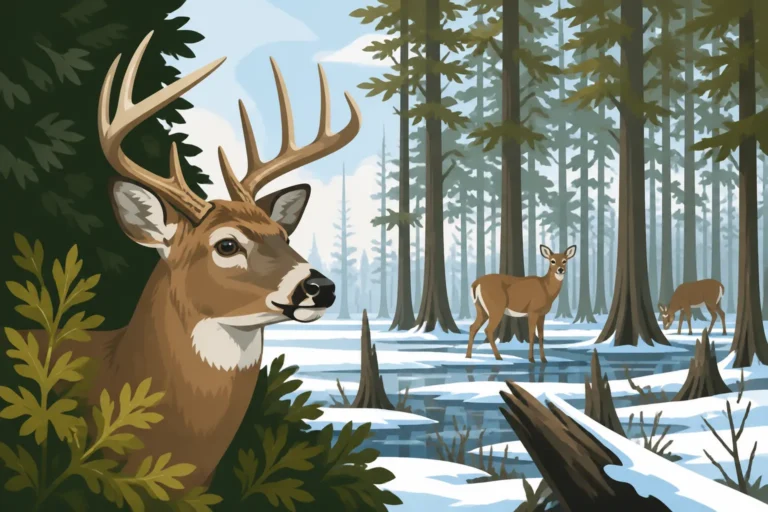
Beyond the cold, the sheer volume of deep snow that blankets northern Ontario for months on end presents another formidable challenge. Traversing snow that can reach hip-deep for a deer is an exhausting ordeal, akin to humans wading through thick mud. Every step becomes a monumental effort, draining precious energy reserves.
A heavier, more robust body, equipped with powerful leg muscles, offers a distinct advantage in these conditions. More body mass allows a deer to push through snow more effectively, gaining better leverage with their hooves. Think of it like a snowplow; a heavier, more powerful plow moves more snow with less effort. Less energy expended on simply moving from one place to another means more energy conserved for warmth and foraging. In areas where deer tend to yard up in deep snow, the ability to break trail or follow an existing one with minimal effort is key. The collective effect of these environmental pressures over generations has selected for bucks that are not just big, but also powerfully built, giving them the resilience needed to survive until spring. If you're hunting Ontario late when snow piles up, you'll quickly see how even a mature buck struggles.
Dietary Differences and Resource Scarcity
The type and availability of food resources play a pivotal role in the physical development of whitetail deer. Northern Ontario's diet is vastly different from that found in the more agricultural south, leading to distinct physiological adaptations.
The Boreal Forest Diet vs. Agricultural Richness
Southern Ontario's agricultural belt offers deer a buffet of high-energy, high-protein food sources. Vast fields of corn, soybeans, alfalfa, and winter wheat provide an abundance of calories and nutrients, allowing bucks to quickly put on mass and grow impressive antlers. This rich, easily accessible diet minimizes the effort needed to maintain condition. This is why you often hear the phrase, "Why Southern Ontario Grows Heavy Bucks," because the sheer quality and quantity of food are unparalleled.
In contrast, northern Ontario's diet consists primarily of natural browse. Deer rely on twigs and buds from species like cedar, balsam fir, aspen, birch, and willow. While these are vital food sources, they are generally lower in easily digestible energy and protein compared to cultivated crops. To compensate, northern deer must consume a much larger volume of forage to extract the necessary nutrients. This evolutionary requirement has led to larger digestive systems and, consequently, larger overall body frames capable of processing this bulkier, less nutrient-dense diet. The effort involved in foraging for what whitetails eat through a hard winter is immense, and a larger body aids in this constant search for sustenance. When you're trying to read whitetail sign in Ontario hardwoods, understanding the preferred browse species is critical to locating these well-fed animals.
Genetic Predisposition and Evolutionary Advantage
Generations of natural selection in a challenging northern environment have effectively "programmed" northern whitetails for larger body mass. Those individual deer with a genetic predisposition to grow larger, store more fat efficiently, and endure harsh conditions were the ones most likely to survive, reproduce, and pass on their genes. This isn't just about external factors; it's about the internal biological machinery.
While southern bucks, given an optimal diet, can also achieve impressive weights, the genetic imperative for sheer body mass as a survival trait is far stronger in the north. Northern deer are built for resilience first, with antler growth being a secondary, albeit still important, indicator of health. The framework for their larger stature is ingrained, making them inherently capable of putting on more mass when food is available. This leads to a population where the average "What a Big Ontario Whitetail Weighs" for a northern buck often exceeds that of a southern deer, even before accounting for environmental variables.
The Role of Predator Pressure and Social Dynamics
Beyond climate and diet, the presence of apex predators and the internal social structures of deer populations also contribute to the development of larger body mass in northern bucks.
Facing Northern Predators
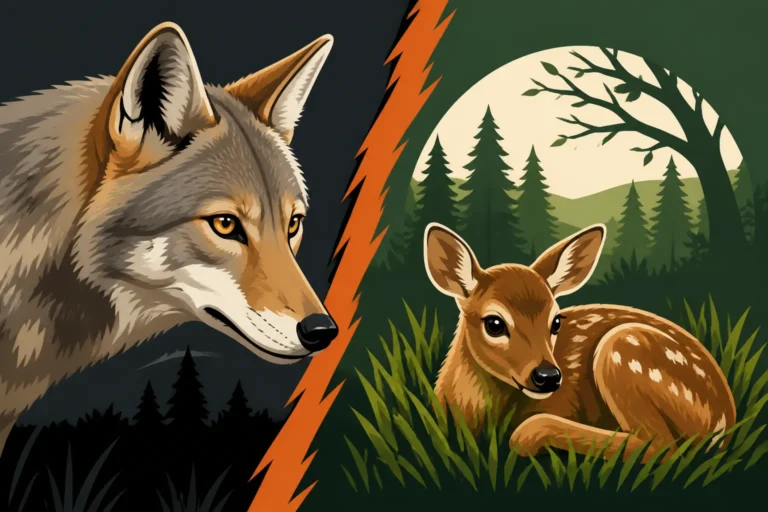
Northern Ontario is true wilderness, home to a robust population of formidable predators, including wolves and larger, more aggressive coyotes. For a whitetail deer, being large and powerful offers a distinct advantage in avoiding becoming prey. A bigger deer is simply harder for a predator to take down, requiring more effort, skill, and risk from the hunter.
This constant threat creates a strong selective pressure. Smaller, weaker deer are more vulnerable and are often the first to be culled from the population by predators. This leaves a breeding pool dominated by larger, more robust individuals that are better equipped to defend themselves or escape. The "survival of the fittest" principle is starkly evident in the north, directly contributing to the prevalence of bigger-bodied deer. The intense pressure from Ontario's Northern and Boreal Species like wolves reinforces this genetic trait for size.
Competition and Breeding Success
Within any deer population, but particularly where resources can be stretched, body size plays a critical role in social hierarchy and breeding success. During the intense period of "Hunting the Rut in Early to Mid November," a larger, heavier buck holds a significant advantage in sparring matches against rivals. While antler size is often what catches a hunter's eye, the sheer body mass and power behind those antlers are what truly determine dominance.
A physically superior buck is more likely to win confrontations, secure access to does, and pass on his genes. This means that the traits for larger body size are continuously reinforced within the population, as the biggest and strongest bucks are the ones most consistently reproducing. This combination of external predator pressure and internal social competition further solidifies the evolutionary path towards larger, more massive bucks in Ontario's northern regions. When you're scouting with a tool like GoHunt, understanding these dynamics can help you predict where the dominant animals might be holding territories.
The Impact of Habitat and Human Influence
The landscape itself, and the degree of human impact, also play a subtle yet significant role in the body mass of northern deer.
Vast, Unbroken Wilderness
Northern Ontario boasts immense, unbroken tracts of wilderness, especially Crown Land. This vast, uninterrupted habitat allows deer to live more naturally, with fewer interruptions from human development, roads, or fences. While human access is possible, particularly in areas like Hunting Ontario's Crown Land, the sheer scale means deer aren't constantly forced to adapt to fragmented landscapes.
In these expansive areas, deer might travel greater distances to find optimal food sources or escape perceived threats, and a robust body provides the necessary endurance for such movements. The ability to roam freely and follow natural patterns without constant human disturbance allows them to conserve energy that might otherwise be spent evading people or navigating man-made obstacles. Compare this to the often-fragmented habitats of southern Ontario, where deer might expend more energy simply living around human infrastructure. Utilizing detailed mapping tools like those offered by GoHunt can help hunters understand the scale of these wild spaces within different Ontario's Wildlife Management Units.
Lower Deer Density and Competition
Generally, deer densities are lower across much of northern Ontario compared to the hyper-dense populations found in some southern agricultural areas. While this might seem counterintuitive to growing big deer, it actually works in favour of individual animal size.
Lower deer density means significantly less competition for available browse. Even though the overall nutritional quality of the northern diet might be lower, there's more of it available per deer. This allows individual animals that survive the harsh winters to access a more substantial share of the food resources. With less internal competition and reduced stress, these deer can allocate more energy towards growth and packing on essential body mass. This phenomenon is a stark contrast to environments where Why Farm Country Bucks Grow Faster is primarily due to unlimited high-quality food, but that comes with the trade-off of higher competition. A healthy, less stressed deer, even on a rougher diet, can still grow larger than a constantly stressed deer in a crowded environment, particularly when how deep snow shapes Ontario game is a major factor.
Comparative Factors: Northern vs. Southern Ontario Whitetails
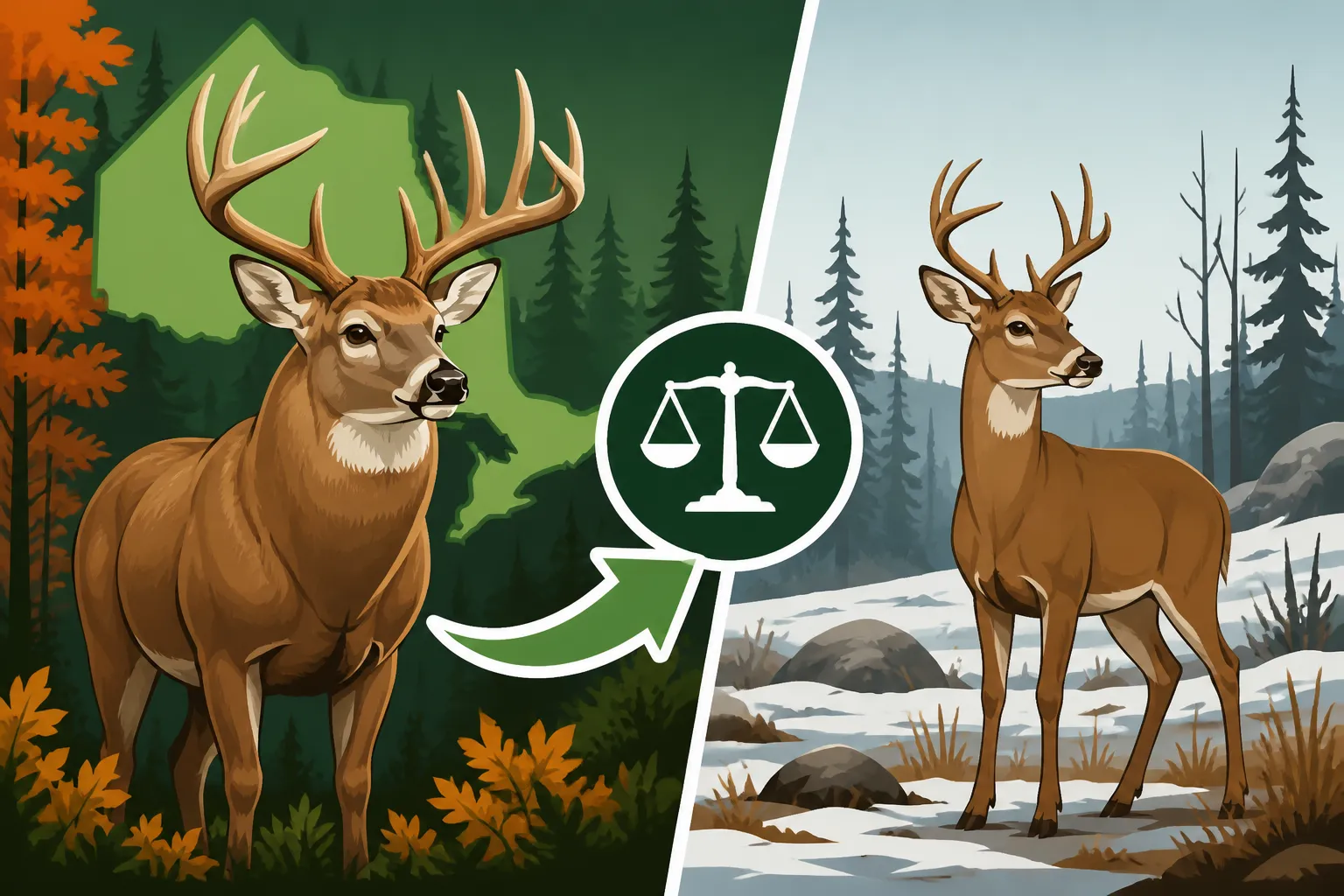
To summarize the key differences influencing body mass, here's a quick look at how northern and southern Ontario bucks stack up.
| Feature | Northern Ontario Bucks | Southern Ontario Bucks |
|---|---|---|
| Average Body Mass | Generally heavier, stockier, more powerfully built | Generally lighter, leaner, often longer-legged |
| Winter Severity | Harsh, deep snow, prolonged sub-zero temperatures | Milder, less consistent snow, shorter cold snaps |
| Primary Diet | Natural browse (cedar, balsam, aspen, willow, etc.) | Abundant agricultural crops (corn, soybeans, alfalfa) |
| Fat Reserves | Crucial for survival, highly developed capacity | Important, but less critical for daily survival |
| Predator Pressure | Higher (wolves, larger coyotes) | Lower (coyotes, domestic dogs) |
| Deer Density | Lower, less intra-species competition | Higher, significant competition for food & territory |
| Habitat | Vast Crown Land, boreal forest, mixed bush, hunting an Ontario river valley environments | Fragmented farmland, smaller bush lots, urban fringe |
| Genetic Selection For | Body mass, resilience, fat storage capacity | Antler size (due to abundant nutrition), speed |
In essence, the northern buck is a product of its environment, forged by generations of adaptation to a challenging and demanding landscape. Their increased body mass is not merely a feature; it's a testament to their incredible will to survive and thrive in one of North America's wildest regions.
Disclaimer
This article is for general informational purposes only and does not constitute professional advice. Laws, prices and regulations vary by location and change over time. Consult a qualified professional for guidance on your specific situation.