How Deep Snow Shapes Ontario Game
Winter in Ontario, especially when the snow piles up deep, can be a beautiful but incredibly challenging time for our wild game. For hunters, it transforms the landscape and the very behaviour of the animals we pursue, making success feel almost impossible at times. We've all faced those hunts where the snow feels like it’s fighting you every step of the way, making you wonder what the animals are even doing out there. This guide will dive deep into how deep snow impacts various game species across Ontario, from altering their movements and feeding patterns to influencing their very survival, and how understanding these dynamics can help you become a more knowledgeable and ethical hunter.
The Profound Effect of Deep Snow on Whitetail Deer
When the snow gets serious in Ontario, it profoundly changes the world for whitetail deer. These animals, while resilient, are not built to consistently battle deep drifts and prolonged cold without significant adaptations in their behaviour. It’s a struggle for survival, plain and simple, and every hunter needs to recognize this.
The Critical Role of Deer Yards
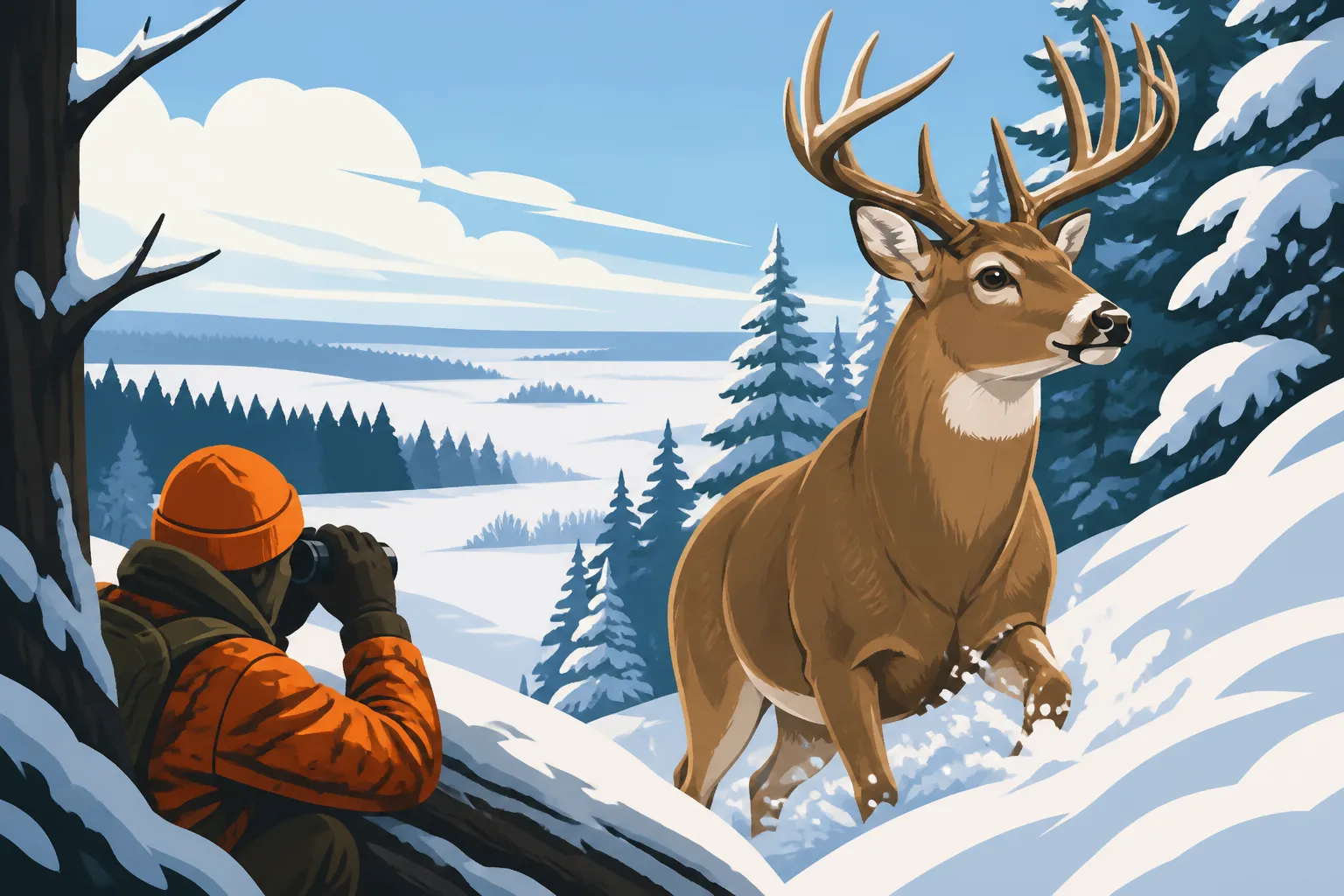
One of the most remarkable adaptations deer exhibit in response to deep snow is "yarding up." This isn't just a quaint term; it's a critical survival strategy. When snow consistently reaches depths of 40-50 cm (about 16-20 inches) or more, deer will gather in specific areas known as deer yards. These are typically dense stands of conifers, like cedar swamps, spruce bogs, or pine plantations, which offer a multi-faceted advantage. The thick canopy intercepts snowfall, creating shallower snow depths on the forest floor, making it easier for deer to move. The dense cover also provides crucial thermal insulation, protecting them from brutal winter winds and extreme cold.
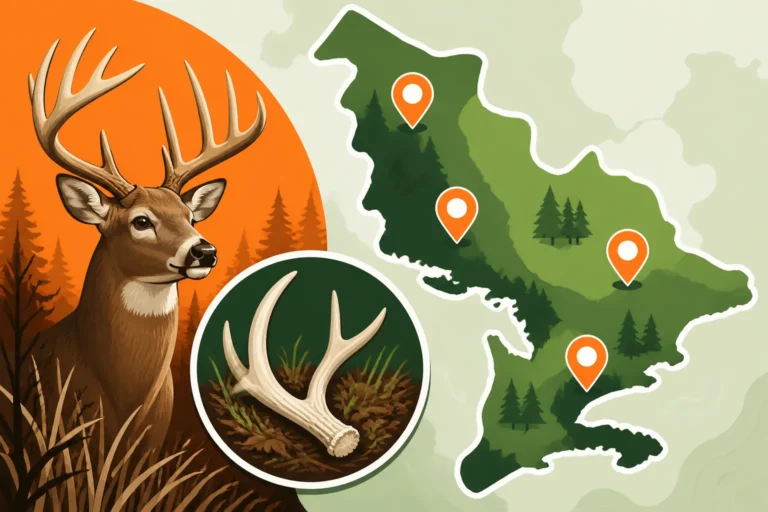
Inside these yards, deer create an intricate network of trails, compacting the snow and expending less energy to travel between bedding and feeding areas. This communal living, while increasing competition for browse, also offers a measure of safety in numbers against predators. Understanding Where Ontario Whitetails Yard in Deep Snow is key for late-season hunting, but also for appreciating the struggles these animals face. A severe winter can force deer into these yards for months, depleting their fat reserves and testing their limits.
Forage Scarcity and Nutritional Stress
Deep snow is a double-edged sword for whitetails when it comes to food. Not only does it make moving incredibly energy-intensive, but it also effectively buries their primary food sources. Preferred browse, like succulent hardwood shoots, herbaceous plants, and fallen acorns, become inaccessible under a thick blanket of white. This forces deer to switch to less palatable and often less nutritious alternatives. You might see them browsing on cedar, balsam fir, or even tree bark—foods that offer minimal caloric value but are all that's available.
This prolonged period of nutritional stress can have devastating consequences. Bucks, already drained from the rut, struggle to rebuild their body condition. Does, especially those pregnant with fawns, face immense challenges in maintaining their own health and sustaining developing embryos. A long, deep-snow winter often leads to what's known as a "winter kill," where weakened deer simply succumb to starvation, cold, or disease. It’s a harsh reality that directly influences deer populations for years, highlighting the critical importance of What Whitetails Eat Through a Hard Winter.
Increased Predation Vulnerability
While deep snow makes life difficult for deer, it can, paradoxically, give an advantage to certain predators. Wolves and coyotes, with their longer legs and larger paw pads, are often better equipped to travel through deep snow, especially if they can utilize packed trails or crusts that support their weight. When deer are confined to yards and their movements are restricted, they become easier targets. A deer struggling to plow through deep snow is far less agile and much more vulnerable than one moving freely on bare ground.
Predators will often patrol the edges of these deer yards, waiting for an opportunity. The deep snow can also make it harder for deer to detect and escape danger, as their senses might be dulled by the cold and their escape routes limited by deep drifts. This dynamic significantly impacts Coyotes Do to Fawn Survival, as stressed does in the spring might give birth to weaker fawns, and the coyotes, ever opportunistic, will capitalize on any vulnerability in the herd.
How Northern Moose Navigate Winter's White Blanket
Moose are often thought of as the kings of the northern winter, and for good reason. They are incredibly well-adapted to cold and snow, but even these giants face significant challenges when the white stuff piles up to extreme depths. Understanding their winter survival tactics provides insight into their behaviour and the health of their populations.
Energy Conservation Strategies
With their long legs and enormous hooves that act like snowshoes, moose are indeed better equipped than deer to navigate deep snow. However, even for a moose, pushing through chest-deep snow for extended periods is incredibly energy-intensive. Their primary strategy in winter, especially when snow is deep, is energy conservation. This means minimizing unnecessary movement. You'll often find moose in concentrated areas, "crater feeding"—plowing their noses into the snow to access browse, then moving only short distances to the next feeding patch.
They will spend more time bedded down, often in sheltered locations, to conserve body heat and energy. A long winter with consistent deep snow forces moose into a more sedentary lifestyle, relying heavily on the fat reserves they built up during the abundant summer and fall. Their thick winter coat provides excellent insulation, but it's the combination of reduced activity and specialized feeding that allows them to weather the harshest conditions.
Habitat Selection in Deep Snow
Just like deer, moose become more selective about their habitat during periods of deep snow, though their preferences differ due to their larger size and dietary needs. They often seek out mature coniferous stands, which offer both thermal cover and slightly shallower snow depths. However, they're less likely to "yard" in dense groups like deer. Instead, they might utilize specific sections of forest where browse is abundant and the snow is somewhat mitigated.
They also favor areas with good access to standing browse that extends above the snowline. South-facing slopes can provide areas where snow melts faster or is shallower due to sun exposure. The crucial factor is finding a balance between thermal cover, manageable snow depth, and readily available food. It's fascinating to observe how they adapt their movements to ensure they can access What Moose Eat Through the Year, which heavily relies on woody browse in winter, even under difficult conditions.
Browse Availability and Winter Tick Impact
Deep snow fundamentally alters browse availability for moose. While they can reach higher than deer, lower-growing shrubs and young trees become buried and inaccessible. This forces them to rely on taller browse species, often stripping bark or reaching for high branches. This can lead to over-browsing in accessible areas if the snow persists for too long, depleting critical food sources.
Perhaps one of the most insidious impacts linked to deep snow is the exacerbated effect of winter ticks. While ticks are always present, prolonged deep snow can concentrate moose in smaller areas, increasing tick transmission. More critically, moose that are already stressed from navigating deep snow and facing nutritional deficits are more susceptible to heavy tick loads. These parasites feed on the moose's blood, leading to significant hair loss (the "ghost moose" phenomenon) and further weakening an animal already struggling to survive. This makes understanding How Winter Ticks Affect Moose Survival absolutely vital, especially in regions with consistent heavy snowfalls.
Black Bear Behavior and Deep Snow Patterns
Black bears are masters of winter survival, primarily through hibernation. However, the timing and depth of snow can still play a significant role in their denning cycles and, crucially, their condition when they emerge in spring, affecting sows and the survival of their cubs.
Denning Duration and Timing
For black bears, the onset of deep snow usually coincides with, or reinforces, their decision to enter their dens for hibernation. While the primary drivers for denning are a combination of decreasing food availability, dropping temperatures, and shortening daylight hours, a significant snowfall effectively seals the deal. The deep snow acts as a natural insulator for their dens, whether it’s a hollow log, a rock cave, or a self-dug burrow. It provides a protective blanket, shielding them from the harshest cold and making their den site less detectable to predators.
A particularly long and severe winter with sustained deep snow can mean bears remain in their dens for a longer period. They are relying solely on their stored fat reserves, which they meticulously built up during the fall hyperphagia (intense feeding) period. The deeper the snow, often the later the ground thaws and the later the first green shoots of spring emerge, which can delay emergence or lead to bears coming out leaner than ideal.
Spring Foraging Challenges
The real challenge for bears, especially after a winter of deep snow, comes in the spring. While they might emerge from their dens in late March or April, if the snowpack is still substantial, their initial foraging opportunities are severely limited. Early spring food sources, such as skunk cabbage, young grasses, and succulent plant shoots, remain buried under the snow. This means bears have to wait longer to replenish their depleted fat reserves.
This delay in accessing nutritious spring greens forces bears to rely longer on their fat, or to seek out alternative, often less ideal, food sources. It can make for a very hungry bear in early spring, which can impact their overall health and energy levels as they navigate the first crucial weeks post-hibernation. This directly relates to Bears Leave the Den in Spring and the condition they're in when they do.
Impact on Cub Survival
The impact of deep snow in winter and late snowmelt in spring is particularly critical for sows with newborn cubs. Cubs are born in the den during mid-winter, small and vulnerable. Their survival through their first few months is entirely dependent on the sow's health and milk production. If a sow emerges from her den after a long, deep-snow winter in poor condition, and then struggles to find immediate, high-quality forage, her milk supply can suffer.
This reduced milk production directly impacts the cubs' growth and survival rates. They need to gain weight rapidly to build their own fat reserves and strength for the challenges of their first year. A spring marked by persistent deep snow and scarce food means a tougher start for these young bears, and it can significantly influence recruitment rates into the population for that year.
Upland Birds and Small Game: Winter's Hidden Struggles
It's easy to focus on the big game, but deep snow reshapes the lives of smaller creatures too, often in surprising ways. For our upland birds and various small game species, winter snow can be both a deadly challenge and a vital lifeline.
Finding Winter Cover and Roosts
For many upland birds, particularly ruffed grouse, deep, soft snow is not just a nuisance; it's a critical survival tool. These birds are famous for "snow roosting"—diving headfirst into a drift of powdery snow to spend the night. The snow acts as an incredible insulator, maintaining temperatures around -5°C (23°F) even when the air above is frigid, sometimes -30°C (-22°F) or colder. This saves an enormous amount of energy compared to roosting in a tree exposed to the wind. For this reason, deep, uncrusted snow is a huge benefit to grouse. Other birds, like spruce grouse, rely more on dense conifer stands for thermal cover.
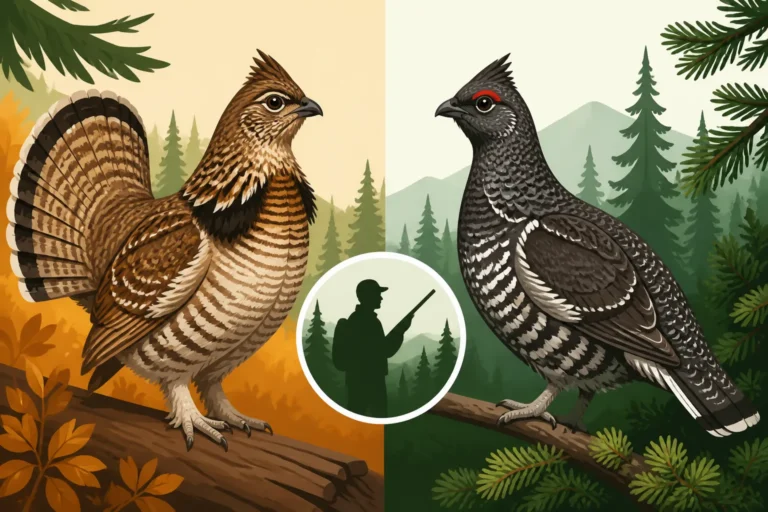
Small game like snowshoe hares and cottontail rabbits also find protection in deep snow. Hares, especially, can tunnel through soft snow, creating a network of runways and chambers that offer concealment from aerial predators and thermal protection. This intricate use of the snowpack for cover is essential for survival. It's a key behaviour that helps differentiate them, just as it's often a good way of Telling a Ruffed Grouse From a Spruce Grouse by observing their winter habits.
Accessing Food Sources
While snow provides cover, it can also bury vital food. For ruffed grouse, while they do rely on buds from aspen and birch trees that are generally above the snowline, they also forage for berries and seeds closer to the ground, which become inaccessible. A hard, icy crust on top of deep snow can be particularly detrimental. It prevents grouse from snow roosting and can limit the ability of hares and rabbits to dig down to accessible forage.
Snowshoe hares and cottontails primarily browse on twigs, bark, and buds of woody plants that protrude above the snow. The depth of the snow dictates which plants are accessible. In years with extremely deep snow, only the tallest shrubs and young trees might be available, leading to increased competition and nutritional stress. If the snow is too deep, they can literally run out of things to eat.
Movement and Predator Avoidance
Deep snow significantly impacts the movement and predator avoidance strategies of small game. Snowshoe hares are remarkably adapted, with large, well-furred feet that spread their weight, allowing them to "snowshoe" across deep drifts where other animals would sink. This gives them an advantage over many predators, like foxes and coyotes, who struggle more in soft, deep snow.
However, if the snow becomes crusted over, it can support the weight of predators, negating the hare's advantage. Packed trails created by humans or other animals can also become highways for predators, making it easier for them to pursue prey. The cyclical nature of Snowshoe Hare and Its Ten Year Cycle is often linked to the severity of winter conditions and the subsequent impact on their survival and reproductive success.
Hunting Strategies and Ethical Considerations in Deep Snow
For us hunters, deep snow doesn't just change how game behaves; it fundamentally changes how we hunt. It can present incredible opportunities for tracking, but also significant challenges for access and safety, demanding both preparation and ethical consideration.
Navigating Access and Terrain
Trying to walk through knee-deep snow for miles can turn a simple hunt into an arduous trek. Deep snow often means limited access to your favourite hunting spots. Bush roads that are perfectly passable in fall can become completely snowed in, requiring snowshoes, skis, or even a snowmobile if legal and safe. This means scouting ahead, knowing your terrain, and understanding potential access points become even more crucial. Mapping tools like GoHunt, for instance, can be invaluable even in winter, allowing you to study contour lines and elevation changes that might indicate shallower snow, or to plan out a route with minimal elevation gain to conserve energy.
You might find yourself having to walk significantly further into areas simply because vehicle access is cut off. Always prioritize safety, and let someone know your route and expected return time. Getting stuck, or becoming disoriented in deep snow, can turn a challenging hunt into a dangerous situation quickly. This is particularly true when you're considering Hunting Ontario's Crown Land in the late season, where services are often minimal or non-existent.
Reading Sign and Tracking
While deep snow certainly adds a layer of difficulty to travel, it also offers one of the greatest advantages to hunters: unparalleled tracking opportunities. Fresh snow provides a clean slate, revealing every movement an animal makes. Tracks become incredibly clear, showing not just the animal's presence but also its direction of travel, gait (walking, trotting, running), and even its relative size. This is where your skills in Reading Sign After a Fresh Snow become paramount.
In deep snow, you can often follow a track for miles, learning the animal's patterns, where it beds, feeds, and travels. The challenge lies in distinguishing truly fresh sign from tracks that have been partially melted and refrozen or those that have been subtly altered by subsequent light snowfalls. Patience is key. You might find tracks leading into dense cover where deer are yarded, giving you an insight into their winter sanctuaries. Using your GoHunt app or physical map to mark where you find fresh sign can help you develop a better understanding of winter game patterns.
Ethical Considerations and Animal Stress
Hunting in deep snow requires a heightened sense of ethical responsibility. Animals are already under immense stress from the cold, limited food, and the sheer effort of moving through the snow. Pursuing game that is significantly weakened or highly concentrated in deer yards can be viewed as unethical by many. The goal is a fair chase, and sometimes, nature's conditions make that incredibly difficult.
It's vital to consider the animal's welfare. If you choose to hunt in conditions of deep snow, commit to making a clean, ethical shot to minimize suffering. Avoid unduly pressuring deer in known winter yarding areas, as this can cause them to expend critical energy needlessly. A quick recovery of your animal is also paramount, as a wounded animal in deep snow faces an even more dire struggle for survival. Remember, hunting isn't just about filling a tag; it's about respectful engagement with nature. Your Ontario Hunter Education Requirements likely touched on these ethical principles, and they become even more critical when hunting in challenging winter conditions.
Conclusion
Deep snow is more than just a seasonal inconvenience in Ontario; it's a powerful force that sculpts the very lives of our game animals. From forcing whitetails into critical deer yards to testing the resilience of moose and influencing the denning cycles of black bears, every species adapts in profound ways. For hunters, understanding these dynamics isn't just academic; it directly informs our strategies, our access, and most importantly, our ethical responsibilities. By respecting the challenges that deep snow presents to wildlife, we can become more informed, more patient, and ultimately, more successful and responsible hunters, even when Hunting Ontario Late When Snow Piles Up.
Disclaimer
This article is for general informational purposes only and does not constitute professional advice. Laws, prices and regulations vary by location and change over time. Consult a qualified professional for guidance on your specific situation.