Woodland Caribou and Their Status
It’s easy to get caught up in the pursuit of more common game species in Ontario, but there's a majestic, elusive animal that holds a special place in our northern wilderness: the woodland caribou. For those of us who cherish Ontario's wild spaces and are committed to responsible hunting and conservation, understanding the delicate status of these iconic animals is absolutely essential. This guide will delve into the current state of woodland caribou in our province, explore the challenges they face, and highlight how we, as outdoor enthusiasts, can contribute to their future.
Understanding Ontario's Woodland Caribou
Woodland caribou aren't just any deer species; they're a unique and vital part of Ontario's biodiversity. Their presence signifies a healthy, intact boreal forest ecosystem, stretching across much of Northern Ontario. They represent the wildness we often seek when we head into the bush.
Distinctive Features and Subspecies
When you picture a caribou, you might think of vast herds on the tundra, but Ontario's woodland caribou (a subspecies of caribou, Rangifer tarandus caribou) are different. They are generally larger and darker than their barren-ground cousins, with shorter, thicker legs, and broad, crescent-shaped hooves that act like snowshoes, helping them move easily through deep snow and soft muskeg. Both males and females grow antlers, though the bulls' racks are typically much larger and more impressive. Their diet consists mainly of lichens, especially arboreal lichens that hang from trees, which is why old-growth boreal forests are so critical to their survival, especially during harsh winters.
Unlike deer or moose, caribou are uniquely adapted to northern environments. They're often described as nomadic, moving through vast areas of continuous habitat rather than sticking to smaller home ranges. This wide-ranging behaviour makes them particularly vulnerable to habitat fragmentation, as they need large, undisturbed tracts of forest to thrive and avoid predators. Their reliance on specific food sources and their aversion to disturbed landscapes sets them apart from other cervids we share the bush with, making their conservation a distinct challenge.
Historical Range Versus Current Range
Historically, woodland caribou roamed much further south in Ontario, right down to areas that are now bustling with human activity and agriculture. Imagine caribou once moving through forests where towns like North Bay or even further south now stand! Their historical range was a testament to the vast, unbroken wilderness that once dominated the province. However, over the last century, their range has dramatically receded northward. This is a clear indicator of significant changes to their habitat and increased human disturbance.
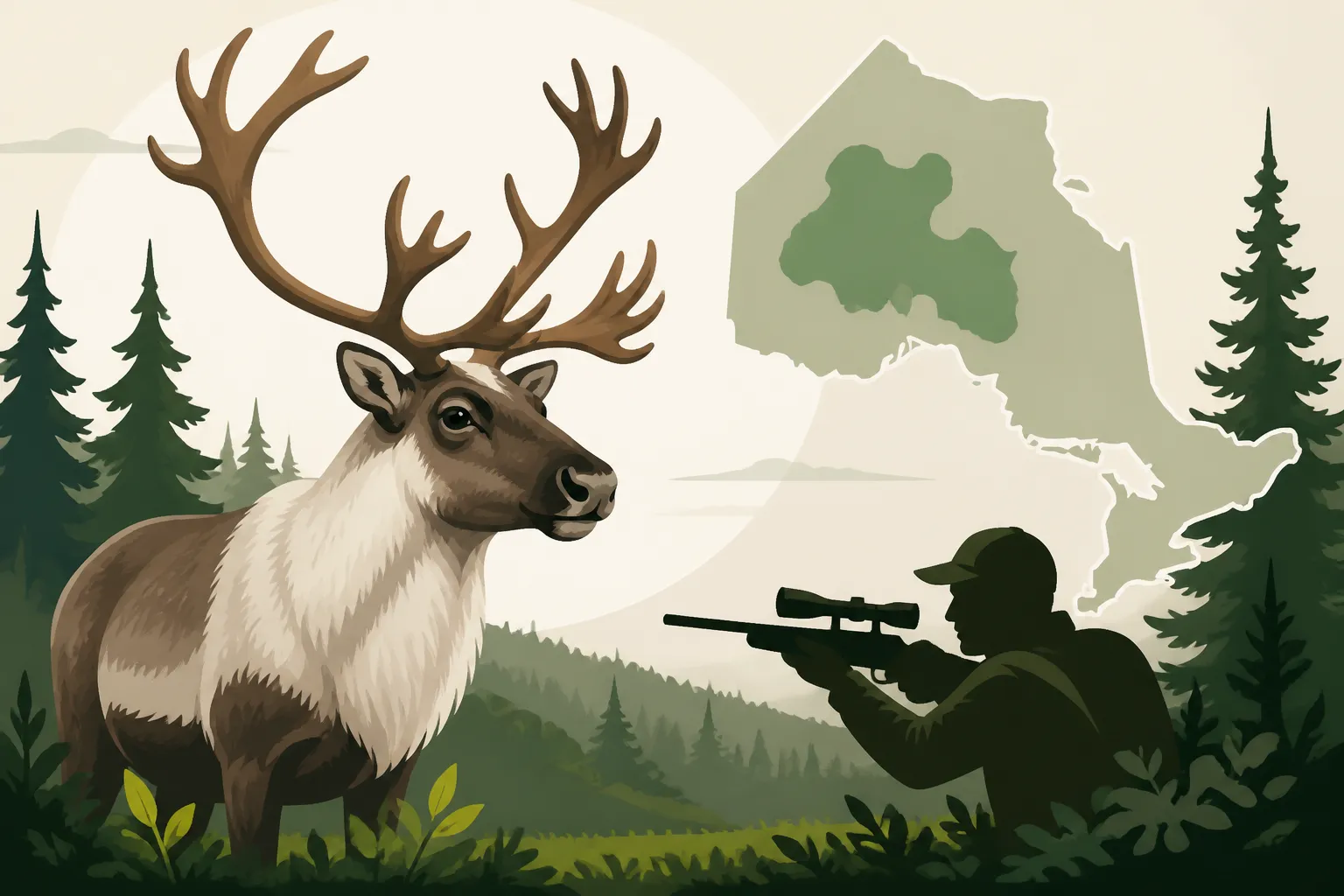
Today, Ontario's woodland caribou populations are primarily found in a continuous band across the far northern parts of the province, generally north of the "caribou conservation line." This line is an imaginary boundary that roughly follows the southern edge of their main distribution, from the Manitoba border in the west to Quebec in the east. South of this line, you'll find isolated, fragmented populations, often referred to as "disjunct" herds, clinging to existence in specific areas like the Slate Islands in Lake Superior or parts of the Pukaskwa National Park region. These small, isolated herds are particularly vulnerable to environmental changes and lack the resilience of larger, connected populations. Understanding these range shifts helps us grasp the urgency of conservation efforts. You can use mapping tools, like those found on GoHunt, to get a better visual understanding of these northern territories and their ecological characteristics, though explicit caribou range maps might require more specialized provincial resources.
The Current Status of Caribou in Ontario
When we talk about caribou, we're talking about an animal under immense pressure. Their status isn't just a biological detail; it's a barometer for the health of our wildest places. For anyone who spends time in the Ontario bush, this should be a serious concern.
Population Trends and Declines
The story of Ontario's woodland caribou over the past few decades has largely been one of decline and range recession. While exact province-wide numbers are incredibly difficult to pin down due to their elusive nature and the vastness of their habitat, monitoring efforts consistently show a troubling trend. Many of the disjunct populations in the south have either disappeared entirely or are teetering on the brink. Even within their continuous range further north, there are concerns about population stability and the long-term viability of some herds.
This decline isn't a sudden event; it's a slow, steady erosion driven by multiple factors. It means fewer caribou in the landscape, less genetic diversity, and an increased risk of local extinctions. For hunters, while caribou are not a species we pursue in Ontario, their decline serves as a stark reminder of the interconnectedness of all wildlife and habitat. It highlights the importance of understanding game populations beyond just the species you're licensed to hunt. It's about preserving the entire ecosystem.
Provincial and Federal Classifications
Due to these dire trends, woodland caribou are afforded significant protection under both provincial and federal legislation. Federally, the Canadian government lists the boreal population of woodland caribou as "Threatened" under the Species at Risk Act (SARA). This designation legally obligates the federal government to protect the species and its critical habitat. It's a serious classification, reflecting a species that is likely to become endangered if nothing is done to reverse the factors leading to its decline.
Here in Ontario, the province also recognizes the urgency of their situation. Woodland caribou are listed as "Threatened" under Ontario's Endangered Species Act, 2007 (ESA). This provincial listing provides legal protection for individual caribou and their habitat within Ontario. It means that activities that could harm caribou or damage their habitat are restricted, and proponents of projects in caribou range are often required to implement mitigation measures to minimize impacts. For hunters, this translates into a strict "no hunting" policy for caribou in Ontario. It also underscores the importance of staying informed about specific Ontario's Wildlife Management Unit System regulations and boundaries to ensure you're not inadvertently impacting caribou habitat, even if you're targeting other species.
Threats to Ontario's Caribou Populations
The challenges facing woodland caribou are complex and interconnected, forming a perfect storm that pushes these magnificent animals closer to the edge. It's not just one thing; it's a combination of pressures that impact their ability to survive and thrive.
Habitat Fragmentation and Loss
One of the most significant threats to woodland caribou is the ongoing loss and fragmentation of their preferred habitat. Caribou need vast, undisturbed tracts of mature boreal forest, especially those rich in lichen. Unfortunately, human activities like logging, mining, and the development of new roads and infrastructure often break up these continuous habitats. When a forest is logged, it not only removes their food source (lichens take decades to grow back on mature trees) but also creates younger, regenerating forests. These younger forests might be good for species like moose and deer, but they attract predators.
The issue isn't just about losing forest cover; it's about breaking up the connectivity that caribou rely on. A network of roads or cut blocks can essentially create "islands" of habitat, preventing caribou from moving freely between areas to find food, escape predators, or adapt to changing conditions. This fragmentation also makes it easier for predators to access previously remote caribou areas, putting even more pressure on the herds. It’s a classic example of how development designed for human needs can have unforeseen and devastating consequences for wildlife that require intact wilderness, and you can see how Hunting Ontario's Northern Bush is impacted by these land use changes.
Predation Pressures
Predation is a natural part of any ecosystem, but for woodland caribou, it's become an amplified threat, largely due to human-induced changes to their habitat. Their primary predators are wolves and black bears, and traditionally, caribou have evolved strategies to deal with these threats, such as spreading out across the landscape to make it harder for predators to find them, and seeking out areas with less diverse prey where wolves and bears might not concentrate.
However, when their habitat becomes fragmented, and younger forests grow in, it creates ideal conditions for moose and deer. These species thrive on early successional forests. With more moose and deer in an area, the wolf and bear populations often increase because they have a more abundant food source. This phenomenon is known as "apparent competition" – the caribou aren't competing with moose and deer directly, but they are indirectly harmed because the increased numbers of other ungulates support higher predator densities, leading to more predation on caribou. It's a vicious cycle where habitat changes favour other prey animals, which in turn leads to more predators, and caribou, being more vulnerable, suffer disproportionately. This challenge is also why understanding Hunting Wolves in Ontario's North and Ontario's Black Bear Rules can be intertwined with caribou conservation efforts in some ways.
Climate Change Impacts
While habitat loss and predation are immediate, visible threats, climate change presents a more insidious, long-term challenge to woodland caribou. Northern ecosystems are particularly sensitive to even slight changes in temperature and precipitation patterns. For caribou, this can manifest in several ways. Milder winters with more freeze-thaw cycles can lead to hardened snow crusts that make it difficult for caribou to access ground lichens, their critical winter food source. This means they have to expend more energy searching for food, weakening them and making them more susceptible to disease and predation.
Furthermore, changes in vegetation patterns could alter the distribution and abundance of their preferred arboreal lichens. Increased frequency and intensity of wildfires, which are projected under many climate change scenarios, can destroy vast swaths of mature forest habitat, wiping out essential food sources and cover. The northward shift of deer and moose populations, driven by warmer temperatures, also brings them further into traditional caribou range, exacerbating the apparent competition and predation issues. This interconnectedness makes it clear that What Climate Shift Means for Ontario Game is a critical factor for caribou survival.
Conservation Efforts and Management Strategies
The situation for woodland caribou might seem bleak, but there are dedicated efforts underway to reverse these trends and give these iconic animals a fighting chance. It's a complex undertaking, requiring a multi-faceted approach.
Protected Areas and Recovery Strategies
A cornerstone of caribou conservation in Ontario involves establishing and maintaining large, contiguous protected areas. These aren't just parks for people; they're vital sanctuaries for caribou. Within these areas, activities that cause habitat disturbance, like industrial logging or extensive road building, are either restricted or prohibited entirely. The goal is to create safe havens where caribou can live and reproduce without constant human pressure and habitat fragmentation. For example, parts of Wabakimi Provincial Park and other wilderness parks in Northern Ontario serve as crucial caribou habitat.
Beyond just designating protected areas, comprehensive recovery strategies are developed under both federal and provincial endangered species legislation. These strategies outline specific actions needed to recover caribou populations, including habitat restoration, research and monitoring, and managing threats. They are living documents, updated as new scientific information becomes available, and they guide the efforts of government agencies, Indigenous communities, and conservation groups. These efforts are often a collaborative undertaking, reflecting a shared commitment to preserving our natural heritage.
Managing Predation and Human Impact
Given the significant role of predation, particularly amplified by habitat changes, management strategies often include approaches to reduce predator pressures on caribou. This is a sensitive topic, but in some cases, focused wolf management has been implemented in specific areas where caribou populations are critically low and predator numbers are unusually high due to human-altered landscapes. The aim is to create a temporary buffer for caribou populations, giving them a chance to stabilize while long-term habitat recovery takes hold. This is a tactic used in carefully considered circumstances and is not a widespread or permanent solution.
Equally important is managing human impact directly. This includes careful land-use planning to minimize new disturbances within caribou range. For example, when new logging operations or resource extraction projects are proposed, strict conditions are often put in place to ensure caribou habitat is protected or rehabilitated. This might involve setting aside buffer zones, limiting road access, or using specific harvesting techniques that mimic natural disturbances but maintain overall habitat integrity. It's about finding a balance between economic activity and ecological responsibility, a challenge often explored when discussing topics like Hunting Ontario's Crown Land and its various uses.
Hunter's Role in Caribou Conservation
While caribou hunting isn't permitted in Ontario, we, as hunters, still have a vital role to play in their conservation. Our love for the outdoors, our connection to the land, and our understanding of wildlife make us natural allies for species at risk.
Education and Awareness
One of the simplest yet most powerful ways hunters can contribute is through education and awareness. Many people, even fellow outdoors enthusiasts, might not fully understand the plight of woodland caribou or the complexities of their conservation. By taking the time to learn about caribou ecology, their habitat needs, and the threats they face, we can become informed advocates. Share what you learn with friends, family, and other hunters. Help dispel myths and foster a greater appreciation for these animals.
This also extends to being aware of caribou range. Even if you're not hunting caribou, knowing where they live helps you tread lightly. If you're Scouting a Wildlife Management Unit in northern Ontario, use tools like GoHunt to understand the landscape, and pay attention to signs or information about caribou presence. Avoid unnecessary disturbance in sensitive areas, and always respect posted closures or restrictions. Being an informed and respectful user of the land directly benefits caribou by reducing incidental pressures.
Supporting Conservation Initiatives
Beyond personal education, hunters can actively support organizations and initiatives dedicated to caribou conservation. Many reputable conservation groups in Ontario and across Canada are working on the ground to protect caribou habitat, conduct research, and advocate for stronger protections. This support can come in various forms, from volunteering your time for habitat restoration projects (if available in relevant areas) to financial contributions.
It's also about lending our voices. When discussions about land use, resource development, or conservation policies arise, hunters can engage in these conversations, highlighting the importance of caribou and the need for sustainable practices. We are often among the first to notice changes in the environment, and our observations from time spent in the bush can provide valuable insights. By working together, and by leveraging our collective passion for wildlife, we can help ensure that woodland caribou continue to roam the Ontario wilderness for generations to come, much like we work to sustain species like White-Tailed Deer Across Ontario.
Future Outlook for Ontario's Woodland Caribou
Looking ahead, the path for Ontario's woodland caribou is certainly challenging, but it's not without hope. The future of these magnificent animals will largely depend on our collective will to prioritize long-term ecological health over short-term gains.
Remaining Challenges
The challenges that caribou face aren't going to disappear overnight. Habitat fragmentation, altered predator dynamics, and the looming threat of climate change are persistent and require sustained effort. There's an ongoing tension between resource development, which is vital for Ontario's economy, and the need to protect critical caribou habitat. Finding innovative ways to balance these competing interests will continue to be a significant hurdle.
Furthermore, public and political will can wax and wane. Maintaining a consistent focus on caribou conservation, even when other issues demand attention, is crucial. The isolated "disjunct" herds in particular face an uphill battle, as their small size makes them more vulnerable to genetic issues, disease, and random events. Restoring connectivity between these fragmented populations or even simply stabilizing them will require considerable investment and long-term commitment. It's a reminder that species recovery is a marathon, not a sprint.
Glimmers of Hope and Collaborative Approaches
Despite these formidable challenges, there are genuine reasons for optimism. The very fact that woodland caribou are a recognized "Threatened" species means that they have legal protections and dedicated resources allocated to their recovery. Scientific research continues to improve our understanding of caribou ecology, providing better data to inform management decisions. Tools like detailed satellite imagery available on platforms such as GoHunt, or even more specialized governmental datasets, allow for precise mapping and monitoring of habitat and potential disturbances.
Perhaps most encouraging are the collaborative efforts underway. Indigenous communities, who have deep traditional knowledge and a profound connection to caribou, are increasingly playing a leading role in conservation and management. Government agencies, industry partners, and conservation organizations are working together, often in complex multi-stakeholder processes, to find solutions that benefit both caribou and people. For instance, initiatives that focus on sustainable forest management practices, caribou-friendly road decommissioning, and strategic planning for linear disturbances are showing promise. As hunters, supporting these broader conversations and taking an active interest in our collective environmental stewardship, much like we do when discussing Hunting a Cutover Three Years On or Hunting a Hardwood Ridge for Whitetails, is paramount. With continued dedication and a commitment to these collaborative approaches, there is hope that Ontario's woodland caribou can not only survive but eventually thrive once more in their northern strongholds.
Woodland Caribou: Threats and Conservation Actions
| Threat Category | Specific Challenges for Caribou | Key Conservation Actions and Strategies |
|---|---|---|
| Habitat Fragmentation & Loss | Logging, mining, road building breaking up large, continuous boreal forest habitat. | Establishing and maintaining large protected areas and conservation reserves; implementing caribou-friendly land-use planning; minimizing new linear disturbances; prioritizing habitat restoration in key areas; using satellite imagery (e.g., via GoHunt) for precise habitat monitoring. |
| Increased Predation | Higher wolf/bear populations supported by increased moose/deer in altered habitats (apparent competition). | Targeted, carefully considered predator management in specific, critical areas where caribou are at high risk; managing other ungulate populations where appropriate; promoting habitat conditions that favour caribou over other prey species in core caribou range; understanding predator dynamics via Calling Coyotes in Ontario Farm Country. |
| Climate Change Impacts | Milder winters, freeze-thaw cycles hindering access to food; increased wildfires; northward shift of other species. | Protecting and restoring diverse habitat types to increase resilience; reducing greenhouse gas emissions; adapting forest management practices to consider future climate scenarios; monitoring long-term environmental changes; assessing What a Hard Ontario Winter Culls and its impact on caribou. |
| Human Disturbance | Recreational activities, noise, and presence disrupting caribou behaviour and movement. | Education and awareness campaigns for land users; establishing seasonal access restrictions in sensitive areas; promoting responsible backcountry travel; respecting ATV Rules on Ontario Crown Land and other access regulations in caribou country. |
Disclaimer
This article is for general informational purposes only and does not constitute professional advice. Laws, prices and regulations vary by location and change over time. Consult a qualified professional for guidance on your specific situation.