Evidence of Sex Requirements
The moment of truth arrives after a successful hunt – the animal is down, and the adrenaline is high. But before you even think about loading up or celebrating too much, there’s a critical step that often gets overlooked in the excitement: ensuring you've maintained the required evidence of sex. Missing this detail can turn a triumphant hunt into a frustrating, even costly, encounter with conservation officers. This guide is here to walk you through Ontario’s specific requirements, saving you headaches and keeping you on the right side of the law.
Why Evidence of Sex is More Than Just a Rule
It might seem like a nitpicky detail, but the requirement to maintain evidence of sex on harvested game animals is rooted in sound wildlife management principles. It's not just about making things difficult for hunters; it's about protecting the resource for everyone, ensuring sustainable populations, and upholding the integrity of our hunting seasons.
Ensuring Regulatory Compliance and Sustainable Harvest
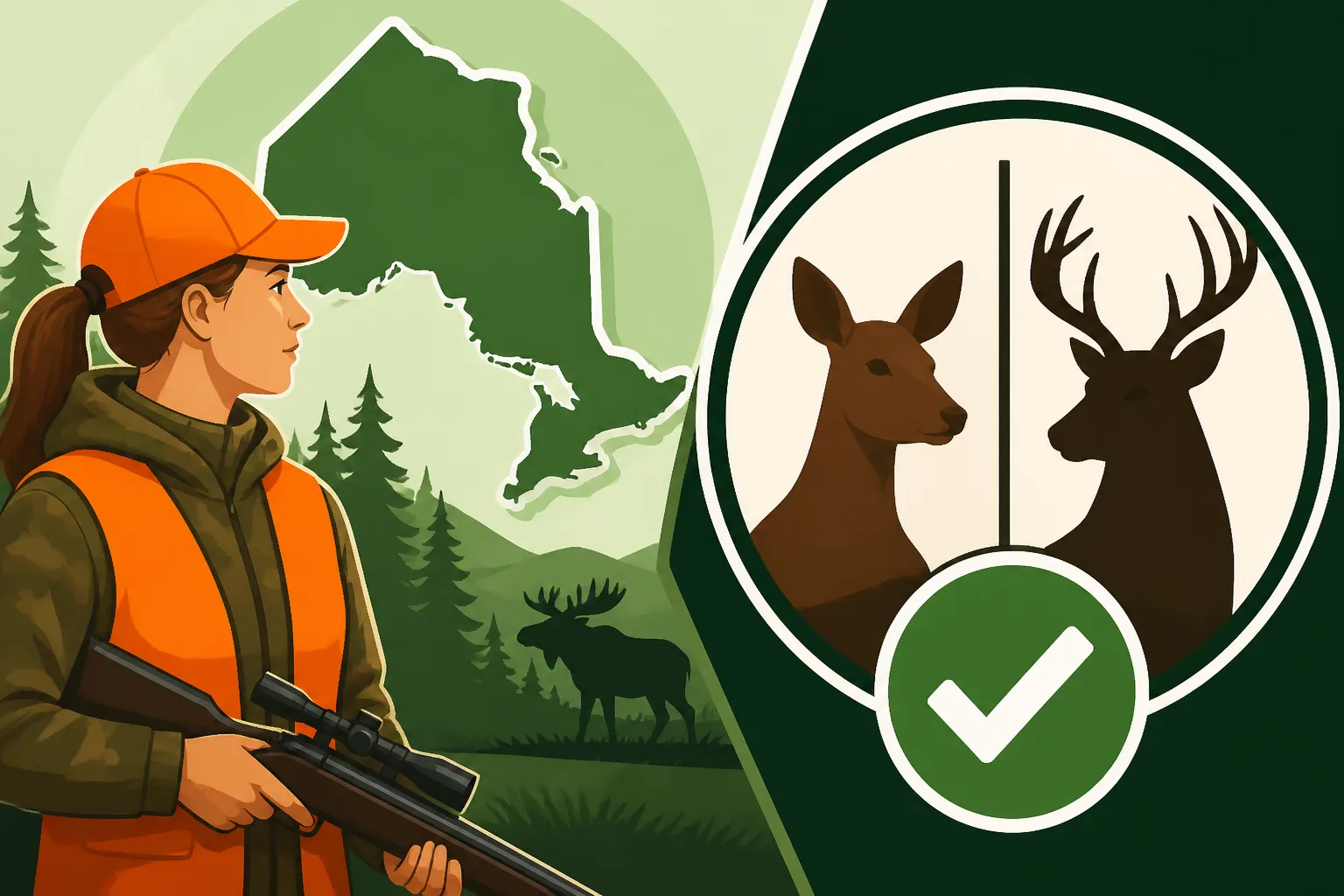
Hunting regulations in Ontario are meticulously crafted to manage wildlife populations effectively. Many species have harvest quotas or specific tags that differentiate between male and female animals. For instance, deer hunts often have separate tags for antlered (male) and antlerless (female) deer, or specific controlled hunts that target one sex over the other to manage herd demographics. Without clear evidence of sex, it becomes impossible for conservation officers to verify that you've harvested an animal in accordance with your tag and the regulations of the specific Wildlife Management Unit (WMU) you’re hunting in.
This distinction is crucial for population control. For example, if too many does are harvested in an area, the population growth can slow dramatically, impacting future hunting opportunities. Conversely, if too many bucks are taken, the breeding success might be affected. Maintaining evidence of sex helps biologists gather accurate data on harvest composition, which directly informs future season structures and tag allocations. It’s a collective effort, and your compliance plays a vital role in the bigger picture of wildlife conservation.
Preventing Unlawful Harvests and Poaching
The evidence of sex requirement also acts as a powerful deterrent against unlawful harvesting and poaching. Poachers often try to conceal the true nature of their kill, and removing anatomical features that indicate sex is a common tactic. By mandating that specific evidence remains attached to the carcass during transport and sometimes even storage, the Ministry of Natural Resources and Forestry (MNRF) provides its conservation officers with a clear standard for enforcement.
Imagine a scenario where an antlerless deer tag is filled, but the hunter removes all distinguishing features. Without the requirement for evidence of sex, it would be incredibly challenging for officers to determine if a buck was actually taken illegally. This regulation makes it much harder for unscrupulous individuals to flout the rules, protecting the ethical hunting community and ensuring that legal hunters aren't unfairly suspected. It reinforces the principle that every animal harvested must be accounted for and harvested legally.
Species-Specific Evidence of Sex Requirements in Ontario
Ontario's hunting regulations are quite clear on what constitutes sufficient evidence of sex, but these requirements vary by species. It's not a one-size-fits-all situation, and understanding the nuances for each type of game you pursue is absolutely critical. Let’s break down the main species where this rule applies.
White-Tailed Deer
For white-tailed deer, the evidence of sex requirement is straightforward but often misunderstood. If you harvest an antlered deer, you must ensure that at least one antler remains naturally attached to the skull plate of the animal during transportation and until it's delivered to a place of residence. This proves that you indeed harvested an antlered animal.
However, the real point of confusion usually arises with antlerless deer. If you've filled an antlerless deer tag, which often requires a specific validation for certain WMUs, you must keep the entire head, or at least the part of the head that clearly shows the absence of antlers or antler pedicles, attached to the carcass. This means if you field dress your deer, the head should stay connected. If you quarter the animal in the bush, the head should be transported with the meat portions until you get it home or to a processor. The rules around Ontario Antlerless Deer Draws can be quite specific, so always double-check your validation details. This ensures that you aren’t claiming an antlerless deer when, in fact, you took an antlered one. It's a simple rule, but one that causes many an ethical hunter grief if they forget it in the heat of the moment.
Moose
Moose hunting in Ontario, especially with its complex Ontario's Moose Tag Allocation Process, comes with strict evidence of sex rules, primarily due to the differentiated tags for bull, cow, and calf moose. If you've harvested a bull moose, the requirement is that at least one antler must remain naturally attached to the skull plate. This is essential for verifying you harvested a bull, especially if you have a "bull" tag.
For cow moose, the process is a bit more involved. You must retain the external evidence of the animal's sex, which typically means keeping the udder attached to one of the hind quarters, or the vulva attached to the carcass. This is especially important for verifying that a cow was harvested under a cow tag and not, for example, a bull. If you're quartering your moose in the bush, which is very common given their size, ensure that the quarter with this evidence stays clearly identifiable. For calf moose, you typically need to retain either the head or a portion of the hindquarter with the external genitalia attached. These rules help manage the breeding population and ensure hunters adhere to their specific tags. Understanding How an Ontario Moose Hunt Party Works is key, as all members are responsible for adherence to these rules within the party's tag.
Black Bear
Black bear hunting also has specific rules, mainly revolving around the concern of accidental harvest of a sow with cubs. While Ontario's spring bear season has specific dates, the rules for evidence of sex generally apply year-round for all bear hunters. When you harvest a black bear, you are required to keep the external sex organs (penis sheath for a boar, vulva for a sow) naturally attached to the hide or carcass until the bear has been registered and transported to your residence or a meat processor. This is a critical step to ensure that a sow, especially one potentially with cubs, isn't mistakenly identified or illegally harvested.
The importance of this rule cannot be overstated, particularly since Why You Cannot Shoot a Sow With Cubs is a fundamental conservation principle. Conservation officers will be very keen to verify the sex of a harvested bear to ensure no regulations were violated regarding dependent cubs. Therefore, make sure that as you're skinning or butchering your bear, you leave this crucial piece of evidence intact and clearly visible.
Wild Turkey
For wild turkeys, the evidence of sex requirements are tied directly to the different seasons and tags, particularly the spring season which targets gobblers. In the spring wild turkey season, you can only harvest a bearded turkey. This means that when you harvest a bird, you must leave the beard naturally attached to the breast of the bird until it is brought to your residence or property. This ensures that only legal, bearded birds are taken.
In the fall turkey season, depending on the WMU, you might be able to harvest either sex. In these cases, the evidence of sex requirement is generally less stringent, but it's always best practice to leave enough of the bird intact for identification until you're safely home. Always consult the current year's Ontario Wild Turkey Licences and Tags regulations, as specific rules for certain WMUs or seasons can sometimes change.
Other Game Species
While white-tailed deer, moose, black bear, and wild turkey have the most explicit and often complex evidence of sex requirements, for most other small game and migratory birds, these specific rules generally do not apply in the same way. For instance, when Waterfowl Hunting Across Ontario, duck and goose species are identified primarily by their plumage and size, not by specific external sex organs that need to be maintained on the carcass.
However, regardless of the species, the general principle of being able to identify your harvest remains. If a conservation officer stops you, you should be able to clearly identify the species and quantity of game you have, as per your bag limits and tags. While you might not need to keep the penis sheath on a rabbit, you still need to be able to show it's a rabbit and that you haven't exceeded your limit. It's always a good idea to keep game as intact as reasonably possible until it's processed at home, just to avoid any ambiguity.
Practical Steps for Ensuring Compliance in the Field
Knowing the rules is one thing, but putting them into practice when you're out in the bush, often in challenging conditions, is another. Field dressing and transporting game are critical junctures where mistakes can easily happen. Let's walk through some practical steps to help you stay compliant.
Field Dressing and Carcass Preparation
The key to proper evidence of sex retention starts immediately after the harvest, during field dressing. For most big game, you'll be removing the internal organs to cool the meat quickly, but you need to be mindful of where the evidence of sex is located and ensure it remains attached.
For deer, if you have an antlered tag, simply leaving one antler attached is usually easy. For an antlerless deer, the entire head must remain attached to the carcass. This means when you’re gutting, don't sever the head. If you plan to quarter the deer, the head should stay with one of the main carcass portions. This is where pre-planning, perhaps with the help of a tool like GoHunt to review WMU-specific rules, really pays off. You might decide to keep the deer whole, or quarter it into larger sections to ensure the head remains attached to a significant part of the meat.
For moose, given their immense size, quartering in the field is almost always necessary. If you've taken a bull, ensure one antler remains with the skull plate and that piece travels with you. For a cow, the udder or vulva must remain attached to a hindquarter. When you're breaking down the animal, consciously decide which quarter will carry this evidence and ensure it's not damaged or removed. Clearly mark it if you're with a group. This might mean making a slightly less "clean" cut than usual, but compliance is paramount.
For black bears, when you field dress and skin, ensure the external genitalia (penis sheath or vulva) remains attached to the hide or carcass. Many hunters will leave it attached to the hide that's being rolled up, but verify the specific wording in the current regulations for Ontario's Black Bear Rules to be absolutely sure. This is crucial for verifying the sex of the bear.
Wild turkeys in the spring mean leaving the beard attached to the breast. This is usually straightforward during initial preparation, as you're likely only gutting the bird in the field. Don't pluck or cut off the beard until you're safely back home and ready for full processing.
Transporting Game Legally
Transporting your harvested game from the field back home or to a processor is another critical phase. This is often when conservation officers conduct checks, and it's where most violations for evidence of sex occur.
No matter the species, the "evidence of sex" must remain naturally attached to the carcass or a substantial portion of the carcass (e.g., a hindquarter) until you arrive at your primary residence, an approved game processor, or a cold storage facility. It is generally not sufficient to simply carry the severed evidence in a bag next to the meat. It needs to be physically connected as it would naturally appear.
Here’s a simple table summarizing the key requirements:
| Species | Primary Evidence of Sex Requirement (Until Home/Processor) |
|---|---|
| White-Tailed Deer (Antlered) | At least one antler naturally attached to the skull plate. |
| White-Tailed Deer (Antlerless) | Entire head, or part of the head showing absence of antlers/pedicles, attached to carcass. |
| Moose (Bull) | At least one antler naturally attached to the skull plate. |
| Moose (Cow) | Udder attached to a hindquarter, or vulva attached to carcass/hindquarter. |
| Moose (Calf) | Head or hindquarter portion with external genitalia attached. |
| Black Bear | External sex organs (penis sheath/vulva) naturally attached to hide or carcass. |
| Wild Turkey (Spring/Bearded) | Beard naturally attached to the breast. |
When loading your vehicle, make an effort to ensure the evidence is visible or easily accessible if you're stopped. Don't bury the crucial part under a pile of gear. If you’re utilizing a mapping service like GoHunt, you can often mark your harvest location and any specific processing notes right in the app, which can be a helpful reminder. This attention to detail will save you a lot of hassle and potential fines. Always remember, the goal is to make it easy for a conservation officer to verify your legal harvest, not to make them play a guessing game. For more details on safe transport, refer to the guide on Transporting Game Meat in Ontario.
Common Mistakes to Avoid
Even experienced hunters can make mistakes when it comes to evidence of sex, often due to excitement, forgetfulness, or misinterpretation of the rules. Here are some common pitfalls to avoid:
1. Removing the Head Too Soon: For antlerless deer, or calf moose, separating the head from the carcass in the field before reaching your destination is a frequent mistake. The regulations require it to remain attached to a portion of the carcass, not just transported separately.
2. Damaging the Evidence: When field dressing or quartering, inadvertently cutting off or severely damaging the udder on a cow moose, the external genitalia of a bear, or the beard of a turkey can lead to issues. Be precise and deliberate with your cuts.
3. Assuming "Known" Sex is Enough: Just because you know you shot a bull moose doesn’t mean you can remove both antlers or the skull plate. The physical evidence must remain as specified by law, regardless of your personal certainty.
4. Not Double-Checking WMU-Specific Rules: While the general rules are consistent, specific WMUs or controlled hunts might have slight variations. Before you head out, always consult the current Ontario Hunting Regulations Summary, readily available through the MNRF website or often integrated into scouting apps.
By being meticulous and understanding the why behind these rules, you can ensure your hunt concludes successfully and legally, avoiding unnecessary stress.
Consequences of Non-Compliance
It's tempting to think of hunting regulations as mere suggestions, especially when you've just put in days or weeks of effort for a successful harvest. However, Ontario's conservation officers take evidence of sex requirements very seriously. Non-compliance can lead to a range of severe consequences that go far beyond a simple slap on the wrist.
Fines and Penalties
The most immediate and common consequence for failing to maintain evidence of sex is a substantial fine. These aren't minor tickets; fines for provincial offenses under the Fish and Wildlife Conservation Act (FWCA) can easily run into the hundreds, if not thousands, of dollars. For instance, a conviction for failing to comply with evidence of sex requirements could result in a fine of up to $25,000 for a first offense. This is especially true for big game species like deer, moose, or bear, where the regulations are in place to protect valuable wildlife populations.
Conservation officers have the discretion to issue warnings in certain minor circumstances, but given the clarity of these regulations and their importance, violations are often met with formal charges. These fines can quickly overshadow the cost of your hunting trip and your licenses, making a successful hunt financially painful. Ignorance of the law is generally not considered a valid defense, so it's incumbent upon every hunter to know and follow these rules meticulously. You can find more information about these consequences in resources like Ontario Penalties for Hunting Violations.
Seizure of Game and Equipment
Beyond monetary fines, conservation officers have the authority to seize any game illegally harvested or improperly transported. This means that prize deer, moose, or bear you worked so hard for could be confiscated. Imagine the disappointment of losing your hard-earned meat and trophy simply because a specific piece of anatomical evidence was missing. The emotional and practical loss can be devastating.
In more serious cases, especially if there's suspicion of other violations like hunting out of season or without a proper tag, equipment such as firearms, bows, vehicles, and even ATVs used in the commission of the offense can also be seized. While these items might eventually be returned, the process can be lengthy, costly, and require legal intervention. This disruption to your hunting gear and daily life can be a major headache and a clear deterrent to non-compliance.
Loss of Hunting Privileges
Perhaps the most significant consequence for a passionate hunter is the potential loss of hunting privileges. A conviction under the FWCA can result in a court-ordered prohibition from hunting for a specified period, often several years. This means you wouldn't be able to purchase hunting licenses, apply for draws, or participate in any hunting activities in Ontario. For those who live and breathe hunting, this can be a truly heartbreaking outcome.
Furthermore, a conviction in Ontario could have reciprocal effects in other jurisdictions. Many states and provinces have inter-jurisdictional agreements that recognize hunting suspensions. So, if you lose your hunting privileges in Ontario, you might find yourself unable to hunt anywhere else in Canada or even parts of the United States. This consequence underscores the importance of every rule, no matter how small it may seem, and the need to always ensure ethical and legal hunting practices.
Navigating Reporting and Further Information
Staying informed and accurately reporting your harvest are final, yet critical, steps in ensuring you remain compliant and contribute to responsible wildlife management in Ontario.
Mandatory Harvest Reporting
In Ontario, many species, especially big game like deer, moose, and bear, require mandatory harvest reporting. This isn't just a suggestion; it's a legal obligation. When you report your harvest, you'll typically provide details like the species, sex, WMU where it was harvested, and the date. This data is vital for the MNRF to monitor populations, assess the health of herds, and make informed decisions about future hunting seasons and tag allocations.
The process for reporting is usually done online through the Ontario hunting licence portal. Make sure you complete your report within the specified timeframe, which can be as short as a few days after the harvest. Even if you didn't fill your tag, some tags might require you to report whether you hunted or not. Always check the specific reporting requirements for your tags and species. You can find detailed instructions and the importance of this step in guides such as Reporting Your Ontario Harvest. Remember, your data helps paint a clearer picture of Ontario’s wildlife, benefiting all hunters in the long run.
Where to Find the Most Up-to-Date Regulations
Hunting regulations are subject to change, sometimes annually, based on wildlife population dynamics, research, and policy adjustments. Relying on outdated information or word-of-mouth can lead to inadvertent violations. The single most authoritative source for current Ontario hunting regulations is the official Ontario Hunting Regulations Summary published by the Ministry of Natural Resources and Forestry (MNRF). This document is available online as a PDF and often in print at licence issuers.
Before every hunting season, make it a habit to thoroughly review the summary, paying close attention to any changes from previous years, and specifically checking the rules for your chosen species and WMU. Tools like GoHunt can provide great supplemental information and mapping, but the official government summary is your legal bible. Pay particular attention to sections on "General Regulations" and the specific sections for each game species. If something isn't clear, don't guess! Contact the MNRF directly for clarification. It's always better to ask a question than to face a charge. Understanding rules like When Ontario's Bow Season Runs or Ontario Gun Season Opening Day means also understanding the specific requirements for the game you pursue during those periods.
The Role of Conservation Officers
Conservation officers are dedicated professionals whose primary role is to protect Ontario's natural resources and ensure public safety. They are responsible for enforcing the FWCA and other related legislation. When an officer approaches you in the field, remember they are simply doing their job. Being polite, cooperative, and prepared with your licenses, tags, and properly presented game will make the encounter smooth and respectful for everyone.
Officers conduct checks to ensure compliance with all regulations, including the evidence of sex requirements. If you've followed the rules, you have nothing to worry about. If you haven't, they are there to enforce the law. Their work is essential for maintaining the health of our wildlife populations and preserving the integrity of hunting as a respected activity. They often carry vast knowledge of local areas, species, and habitat management, so a positive interaction can even be an educational one.
By understanding the importance of "evidence of sex" requirements, taking practical steps in the field, being aware of the consequences of non-compliance, and staying informed through official channels, you can ensure your Ontario hunting experiences are always rewarding and fully legal.
Disclaimer
The information provided in this guide is for general informational purposes only and does not constitute legal advice. Hunting regulations in Ontario are subject to change, and specific rules may vary by Wildlife Management Unit (WMU) or special hunt conditions. It is the responsibility of every hunter to consult the most current official Ontario Hunting Regulations Summary, published by the Ministry of Natural Resources and Forestry (MNRF), before engaging in any hunting activities. Always ensure you are fully aware of and comply with all applicable federal, provincial, and local laws and regulations.