When Deer Validation Applications Open
It's incredibly frustrating when you're planning your deer hunt in Ontario, eyeing those prime dates, only to realize you've missed the application window for a crucial antlerless tag or a controlled hunt validation. That sinking feeling of knowing you've lost out on a season-defining opportunity just because a deadline slipped by is something most of us hunters have experienced. This guide is here to cut through the confusion and make sure that doesn't happen to you again. We're diving deep into when deer validation applications typically open, what you need to know about the process, and how to stay on top of those all-important dates so you can successfully secure your deer tags for the upcoming season.
Understanding Deer Validation Applications in Ontario
Before we dive into the "when," let's clarify what we mean by "deer validation applications." In Ontario, simply possessing a general deer hunting licence isn't always enough to harvest certain types of deer or to hunt in specific areas. That's where additional validations come into play. These are essentially special permits you apply for, often through a draw system, that grant you the privilege to pursue antlerless deer (does or fawns) or to participate in "controlled hunts" within specific Wildlife Management Units (WMUs).
These validations are a critical component of Ontario's deer management strategy. They allow the Ministry of Natural Resources and Forestry (MNRF) to regulate harvest pressure, balance deer populations with available habitat, and address agricultural damage in various regions. For us hunters, it means that while your base licence gets you in the game, these validations dictate the specifics of what you can pursue and where, truly shaping your season. Without them, you might be limited to only antlered deer in many areas, which can significantly reduce your opportunities, especially if your goal is to fill the freezer with venison.
Why Deer Validations Matter for Your Hunt
Deer validations are far more than just extra paperwork; they are often the key to unlocking the full potential of your hunting season. Imagine scouting a particular area for weeks, noticing abundant deer sign, including healthy does and fawns, only to realize you're restricted to only harvesting antlered deer. This scenario plays out for many hunters who don't secure an antlerless validation. An antlerless tag can be incredibly valuable, especially in areas where deer populations are robust and antlerless harvest is encouraged. It gives you the flexibility to take the first legal deer that presents a safe, ethical shot, rather than holding out solely for a buck, which can be a challenging endeavor, particularly for newer hunters or those hunting public land with significant pressure.
Furthermore, controlled deer hunt validations are specifically designed for certain WMUs where deer populations might need tighter management, or where public safety considerations dictate a more structured hunt. These hunts often take place in areas with high deer density or in proximity to agricultural lands or urban centers, offering unique opportunities that are otherwise unavailable. Participating in a controlled hunt means adhering to specific dates and rules for that WMU, which could include special access conditions or harvest reporting requirements. For instance, some southern Ontario WMUs, rich in agricultural fields and mixed forests, might see controlled hunts to manage herds that impact crops. Failing to apply for these validations means you're simply out of luck for those specific, often highly desirable, hunting periods and locations. It’s crucial to understand Ontario Deer Season Dates and Tags to see how these validations fit into the broader hunting calendar.
Key Dates and Application Windows for Ontario Deer Validations
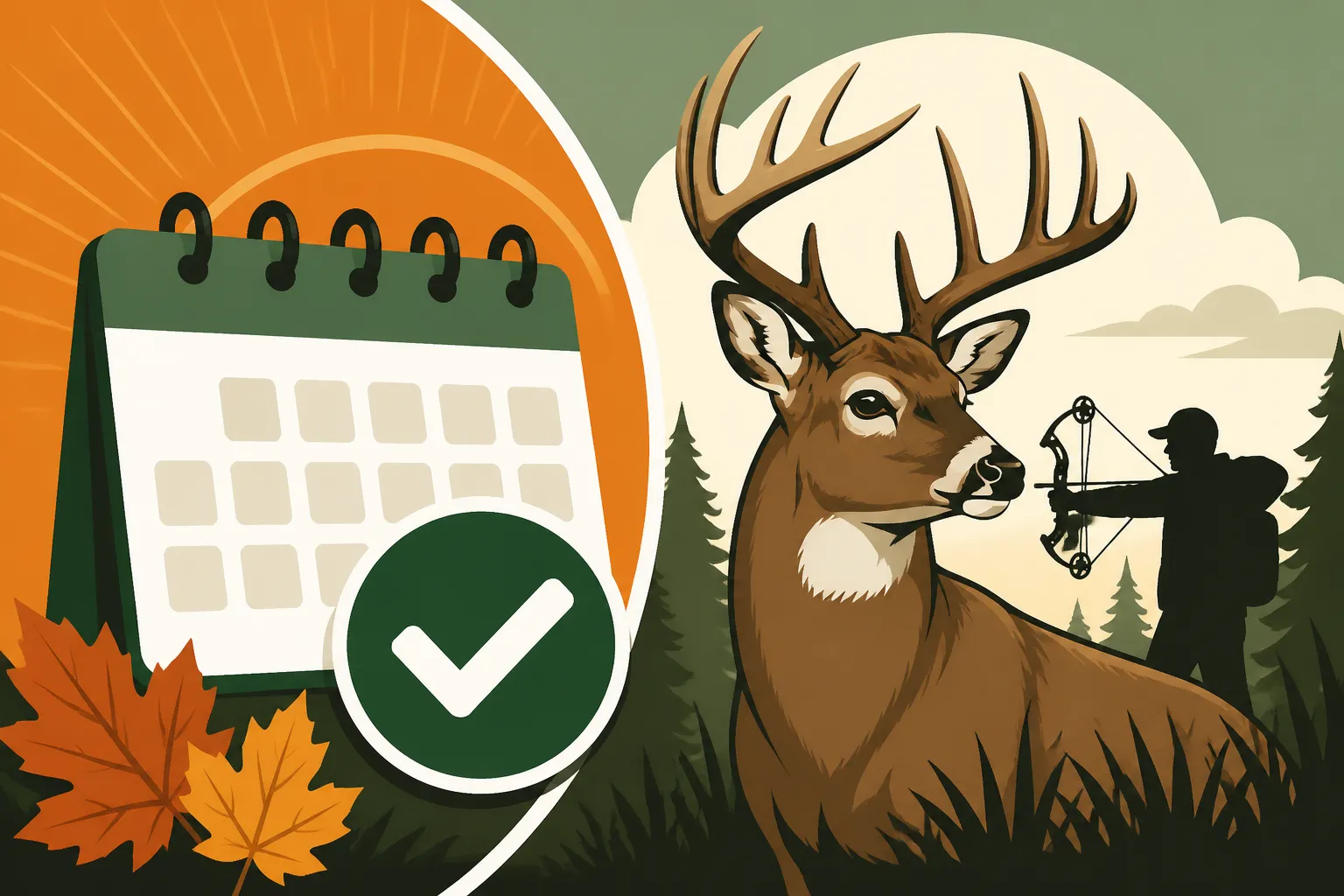
This is the information everyone really needs to mark on their calendar! The application period for deer validations in Ontario is not year-round, and missing it means waiting another year. Generally, the application window for antlerless deer tags and controlled deer hunt validations opens in the spring or early summer, typically around April or May, and usually closes by mid-June. However, it is absolutely paramount to remember that these dates can, and sometimes do, shift slightly from year to year. The best practice is always to consult the official Ontario Hunting Regulations Summary, usually updated and released in late winter or early spring, or check the MNRF's online hunting portal directly.
The Antlerless Deer Draw Application Timeline
The Antlerless Deer Draw is often the first significant application period for deer hunters each year. For many seasons now, the application window has opened in mid-April and run until mid-June. For example, in recent years, it has opened around April 15th and closed around June 15th. During this roughly two-month period, eligible hunters can log into their online account and apply for an antlerless deer tag for a specific WMU. The draw is essentially a lottery, and your chances depend on the number of available tags for your chosen WMU versus the number of applicants.
When you apply, you'll typically select up to three WMU choices in order of preference. It's a strategic decision that requires some thought. Are you aiming for a highly sought-after WMU with good success rates but potentially lower draw odds, or a less popular unit where your chances are better? Results for the antlerless draw are usually posted in mid-July, often around the 15th. If you're successful, you then have a window, usually until late August, to claim your tag through your online account. This is a critical step; winning the draw doesn't automatically mean the tag is yours – you must claim it! For those looking to ensure they have the option of Filling an Antlerless Tag in Ontario, this application is non-negotiable.
Here's a general overview of the typical application and results timeline:
| Event | Typical Opening Date | Typical Closing Date | Results Posted (Approx.) | Claim Deadline (Approx.) |
|---|---|---|---|---|
| Antlerless Deer Draw Application | Mid-April | Mid-June | Mid-July | Late August |
| Controlled Deer Hunt Validation Application | Early May | Mid-June | Mid-July | Late August |
Note: These dates are general and subject to change by the MNRF. Always verify current dates on the official Ontario Hunting Regulations Summary or the online hunting portal.
Controlled Deer Hunt Validation Application Dates
Controlled deer hunts are another unique opportunity in Ontario, designed to manage deer populations in specific, often more sensitive, WMUs. The application period for these validations usually overlaps with, or begins shortly after, the antlerless draw, typically opening in early May and also closing by mid-June. Like the antlerless draw, applying involves selecting your preferred WMUs through the online portal. These hunts are highly specific, often with limited participation and very particular rules regarding hunting methods or periods.
The areas designated for controlled hunts often include WMUs in Southern Ontario, where deer populations can be high due to abundant food sources but where traditional large-scale hunting might be challenging due to land fragmentation and proximity to human settlements. These hunts are a fantastic way to access quality hunting ground that might otherwise be unavailable or too crowded. The results for controlled hunt validations are also generally released in mid-July, aligning with the antlerless draw, and successful applicants have a similar window to claim their validation. It's important to differentiate these from general season dates, and consulting the official regulations for specific WMU rules is crucial for understanding Hunting a Controlled Deer Hunt Validation.
Navigating the Application Process and Increasing Your Chances
The application process for deer validations might seem daunting at first glance, but with a little preparation and understanding, it's quite straightforward. The key is to be proactive, informed, and organized. Don't wait until the last minute, as technical glitches or forgotten passwords can easily derail your plans.
Your Go-To for Application Details: The Ontario Hunter Portal
The vast majority of deer validation applications are handled through the Ontario Ministry of Natural Resources and Forestry (MNRF) online hunting and fishing licence portal. This digital platform is your one-stop shop for everything from purchasing your base hunting licence and Ontario's Outdoors Card Explained to applying for various draws and claiming your tags. To begin, you’ll need an active Outdoors Card and an online account linked to it. If you don't have one, setting it up is usually a simple process, but it's best to do it well in advance of any application deadlines. Ensure all your personal information is up-to-date, especially your contact details, as this is how the Ministry will communicate important updates or draw results.
When the application window opens, you'll navigate to the appropriate section within the portal. You'll be prompted to select the specific WMUs you wish to apply for, in order of preference. This is where your research comes in handy. You can consult resources like GoHunt to analyze historical draw odds, harvest data, and local conditions for various WMUs, helping you make informed choices. The platform will guide you through the selections, and once submitted, you'll usually receive an email confirmation. Keep this confirmation for your records. Remember, the online portal is accessible 24/7 during the application period, so you can apply at your convenience, but don't let that convenience turn into procrastination! Understanding Ontario Resident Licence Options is a good first step before diving into the validation applications.
Strategies for a Successful Application
Securing a deer validation, especially in popular WMUs, often comes down to strategy and a bit of luck. While you can't control the luck, you can certainly control your strategy. The first and most crucial step is thorough research into the WMUs you're considering. Don't just pick a WMU because it's close to home or because a buddy mentioned it once. Utilize resources to understand deer populations, habitat, and hunter pressure. GoHunt, for example, offers detailed maps and analytics that can help you scout a Wildlife Management Unit virtually, even showing crown land boundaries which are essential if you're planning on Hunting Whitetails on Ontario Crown Land.
Understanding Reading an Ontario WMU Map Before You Go will give you a significant advantage. Look for WMUs with higher antlerless tag allocations or controlled hunt opportunities, but also consider the draw odds. A WMU with a high tag allocation might also have a huge number of applicants, making it harder to draw. Sometimes, applying for a less popular, but still productive, WMU can increase your chances significantly. If allowed, applying for multiple choices (e.g., first, second, and third WMU preferences) maximizes your potential. Additionally, consider the type of hunt you prefer. Do you like Hunting Deer in Southern Ontario Farmland or are you more inclined to explore Hunting Deer in Ontario's Mixed Forest? Your preferred hunting style should influence your WMU selection. Lastly, always double-check your application before submitting it. A simple typo in a WMU code could mean a lost opportunity.
Post-Application: What Happens Next?
Once you've submitted your application and the deadline has passed, the waiting game begins. This period can feel long, especially if you're eagerly anticipating the chance to harvest an antlerless deer or participate in a unique controlled hunt. It’s important to know how to check your results and what steps you need to take if you’re successful, or what alternatives you have if you’re not.
Receiving and Using Your Deer Validation
The moment of truth usually arrives in mid-July when the draw results are released. You'll typically be notified via email or, more commonly, you'll need to log back into your online hunting and fishing licence account to check your status. The portal will clearly indicate whether your application for an antlerless tag or a controlled hunt validation was successful. If it was, congratulations! However, your journey isn't over yet. You'll then have a specific window, usually until late August, to claim your validation. This is a critical step, as failing to claim it within the specified timeframe means forfeiting your tag, and it might be reallocated to another hunter.
Once claimed, the validation will be linked to your Outdoors Card. You'll typically print it at home or download it to your mobile device as proof of your validation. When you're out in the field, it's absolutely crucial to carry this validation with you, along with your general hunting licence and Outdoors Card. Understand the specific rules associated with your validation, such as the exact season dates it's valid for, the WMU it applies to, and any specific species (e.g., antlerless deer only). After a successful harvest, proper Ontario Tag Notching and Attachment Rules must be followed immediately. This ensures compliance and helps conservation officers track harvests effectively.
Maximizing Opportunities Even Without a Draw
It’s a tough pill to swallow when you don’t draw a coveted antlerless tag or controlled hunt validation, but it doesn't mean your season is over! Many hunters face this outcome, and it’s important to have a backup plan. You still hold your general deer licence, which permits you to hunt antlered deer in open WMUs during the legal seasons. This means focusing your efforts on scouting for buck sign, understanding rutting behavior by checking articles like When Ontario's Whitetail Rut Peaks, and adapting your hunting strategy to target those elusive antlered animals.
Furthermore, consider expanding your hunting horizons beyond deer. Ontario offers a wealth of other hunting opportunities that don't require specific draws or are easier to obtain. You could shift your focus to Small Game Hunting in Ontario, pursuing rabbits, hares, or squirrels, which can be incredibly fun and provide excellent meat for the table. Upland birds like ruffed grouse are plentiful in many regions, and a day of Hunting Ruffed Grouse on an Ontario Bush Road can be incredibly rewarding. If waterfowl hunting interests you, securing a Migratory Game Bird Permit opens up opportunities for ducks and geese, and you might even consider Getting Permission for a Goose Field. Even without a deer validation, there's always an adventure to be had in the Ontario bush!
Disclaimer
The information provided in this guide is for general informational purposes only and is based on typical past seasons. Hunting regulations and application dates in Ontario are subject to change by the Ministry of Natural Resources and Forestry (MNRF). It is the responsibility of every hunter to consult the most current official Ontario Hunting Regulations Summary, available on the provincial government website or through authorized licence issuers, before planning or engaging in any hunting activities. Always prioritize safety, ethical hunting practices, and adherence to all applicable laws and regulations.