Applying for a Controlled Deer Hunt
The anticipation and, let's be honest, often the sheer confusion surrounding Ontario's hunting regulations can be a real headache. One area that frequently trips up even seasoned hunters is the process for applying to a Controlled Deer Hunt. It’s not just about buying a tag; it’s a specific, often competitive, draw designed to manage deer populations in certain areas. This guide will walk you through everything you need to know about these unique hunts, from understanding their purpose to successfully navigating the application and preparing for your hunt.
Understanding Ontario's Controlled Deer Hunt System
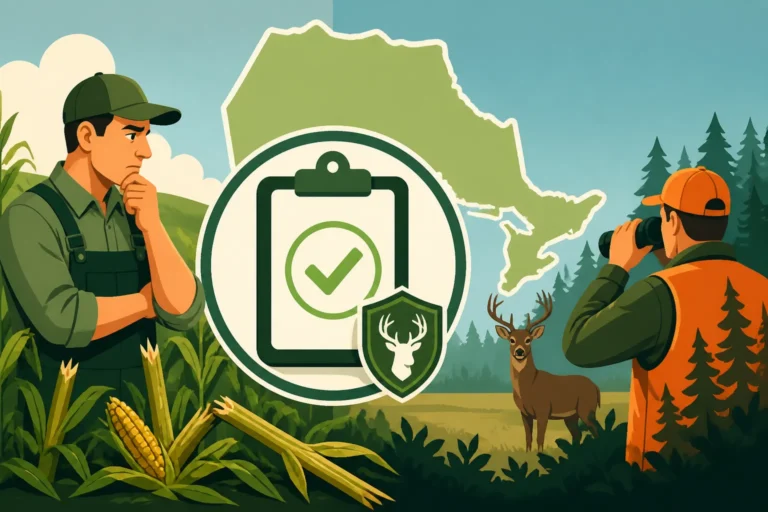
Ontario’s Controlled Deer Hunts are a critical component of the province’s wildlife management strategy. Unlike the general deer seasons where you can purchase an over-the-counter tag for a specific Wildlife Management Unit (WMU) group, controlled hunts are limited-entry draws for designated WMUs. This system is primarily put in place to manage deer populations in areas where general hunting pressure might be too high or too low, or where specific management objectives are in play, such as reducing deer-vehicle collisions near urban centres or addressing agricultural damage.
Why Controlled Hunts Are Different
The fundamental difference with a controlled hunt is the lottery system. You're not guaranteed a tag simply by wanting one. Instead, you apply for a chance to hunt in a specific WMU during a designated season, often with restrictions on the type of deer (e.g., antlered or antlerless). This controlled access helps ensure that hunting pressure remains sustainable, allowing local deer populations to thrive without overtaxing their habitat or causing excessive conflict with human activities.
Many hunters find the concept of a lottery frustrating, especially when they've scouted a prime area and can't just buy a tag. But it's all about balance. These hunts often take place in areas with unique challenges, perhaps smaller bush lots surrounded by private land, or zones where a specific harvest goal needs to be met. The rules are designed to give everyone a fair shot while meeting the conservation goals set out by the Ministry of Natural Resources and Forestry (MNRF). It’s a system designed to spread opportunity and manage resources carefully, even if it feels a bit like a game of chance.
Common Areas for Controlled Hunts
Controlled hunts are typically found in WMUs that require closer management, often in southern Ontario where deer populations can be dense, or in proximity to agricultural lands and more populated areas. For instance, specific WMUs in Southwestern Ontario, the Eastern Region, or even parts of Central Ontario frequently feature controlled hunts. These areas might include WMUs near cities like Kingston, Ottawa, or around the Greater Toronto Area's fringe, where deer can become a nuisance or a safety concern due to their numbers.
Consider the Pelee Island hunt, a highly sought-after controlled deer hunt that offers a unique experience. It’s a prime example of a specialized hunt designed to manage a contained deer population. Other WMUs in more agricultural regions, like those involved in Hunting Deer in Southern Ontario Farmland, might also have controlled hunts to mitigate crop damage or balance herd health. It’s always critical to check the current Hunting Regulations Summary for the most up-to-date list of WMUs offering controlled hunts and their specific requirements each year. Don't rely on last year's intel; things can and do change annually.
Navigating the Application Process
Applying for a controlled deer hunt isn't as simple as walking into a licence issuer. It requires careful attention to detail, adherence to strict deadlines, and a good understanding of the specific WMU you’re applying for. The online application system, while streamlined, can still throw a few curveballs if you're not prepared.
Eligibility and Requirements
Before you even think about applying, you need to ensure you're eligible. First and foremost, you must hold a valid Ontario Outdoors Card. This card is your unique identifier within the provincial licensing system and is essential for all hunting and fishing activities. If you don't have one, or if yours is expired, you'll need to sort that out before you can apply for a controlled hunt. You can find more information about Ontario's Outdoors Card Explained to make sure yours is in order.
Beyond the Outdoors Card, you must possess a valid hunting licence (either resident or non-resident, depending on your status). For deer hunting, this usually means a deer hunting licence. You'll also need to have successfully completed Ontario’s Hunter Education Program. All these foundational elements are checked by the system, and any missing piece will prevent you from completing your application. It’s a good idea to check your licensing profile well in advance of the application period to avoid any last-minute stress.
Key Deadlines and Portal Usage
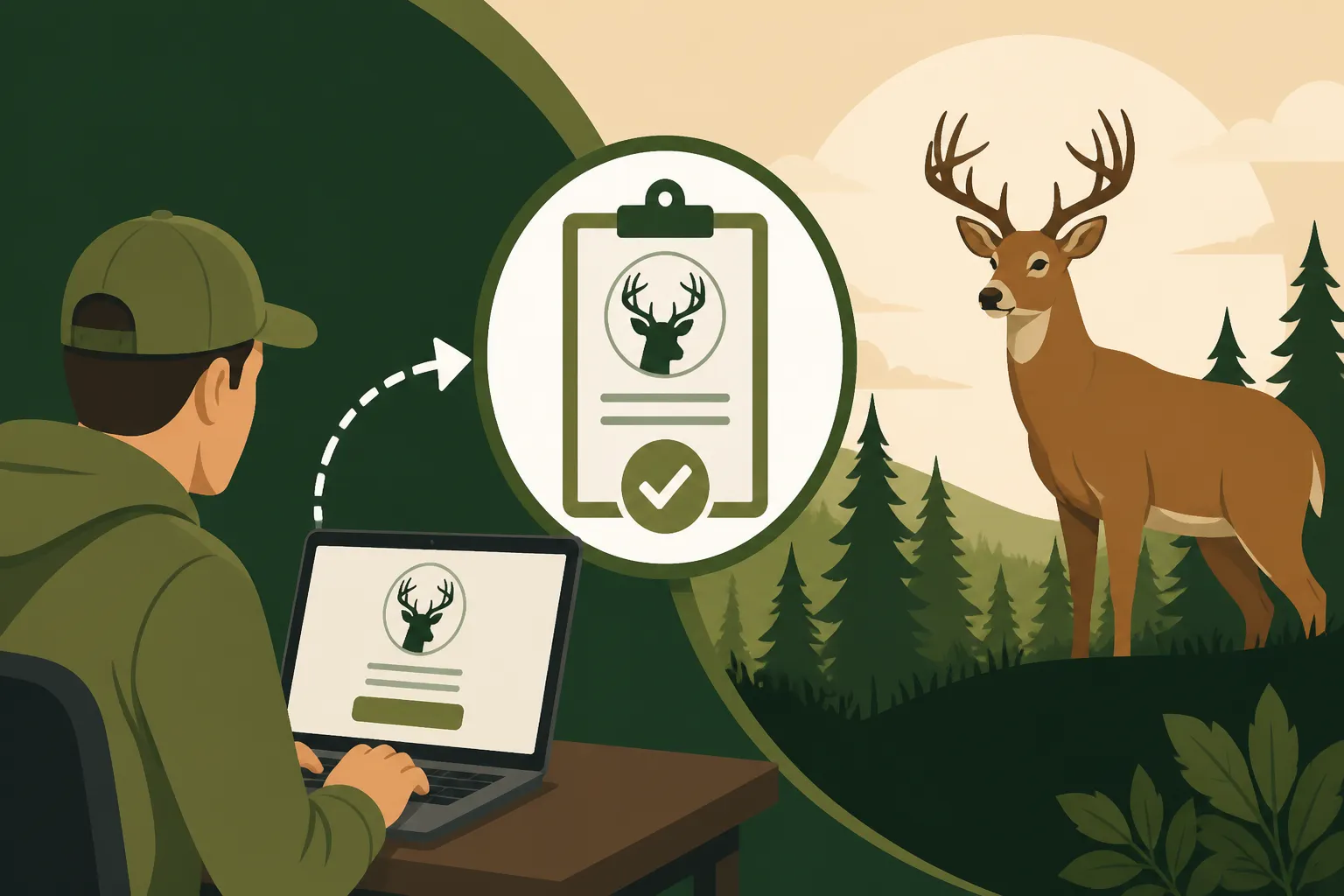
The application period for controlled deer hunts is typically in August. Missing this window means you're out of luck for the entire season, so mark your calendar! The application is submitted through Ontario's online licensing service. You'll log in with your Outdoors Card number and date of birth, navigate to the "controlled hunt" section, and follow the prompts.
When applying, you'll need to select your preferred WMU and the type of tag you're hoping to draw (e.g., antlered, antlerless). It's crucial to consult the annual Hunting Regulations Summary for the precise dates and specific WMU offerings. Tools like GoHunt can be incredibly useful here, as they often compile and visualize this information, helping you quickly identify application periods and available units. They can also help you stay organized, ensuring you don't miss that crucial submission deadline.
Here's a simplified look at a typical controlled deer hunt application timeline:
| Activity | Typical Timeframe | Notes |
|---|---|---|
| Application Period Opens | Early August | Exact date published in the Hunting Regulations Summary |
| Application Period Closes | Mid-September | Strict deadline, no late applications accepted |
| Draw Results Available | Late September/Early October | Check online, usually via your account or email notification |
| Tag Claiming Window | October | Must claim your tag by a specific date, or it's forfeited |
| Hunt Season Dates | Varies by WMU and Hunt | Refer to the specific WMU dates in the Regulations Summary |
Always double-check these dates in the current year's Hunting Regulations Summary, as they can shift. The last thing you want is to have done all your scouting and prep work only to find you missed the application deadline.
Choosing Your WMU and Tag Type
This is where strategy really comes into play. You can typically select up to three choices for WMUs and tag types (e.g., first choice: WMU 60, antlerless; second choice: WMU 65, antlered; third choice: WMU 60, antlered). Your choices should be based on a combination of factors, including deer density, hunting pressure, and personal preferences for a specific area.
Before making your selections, spend time researching the WMUs. Look at past draw odds, deer population reports, and hunter success rates if available. GoHunt might offer historical data or mapping tools that can help visualize these factors. Consider the terrain – is it deep bush, mixed forest, or Hunting a Standing Corn Field Edge? Each will present different challenges and opportunities. Also, think about access. Some controlled hunt WMUs might be primarily private land, meaning you'll need to Knocking on Doors in Southern Ontario to secure permission before you even apply. Drawing a tag for a private land-dominated WMU without access is a sure path to frustration. Make sure you understand the specifics of Ontario Controlled Deer Hunt Validations for the areas you are interested in.
Strategies to Boost Your Chances
While it is a lottery, there are definitely ways to apply smarter and potentially increase your odds of drawing a coveted controlled deer hunt tag. It's not just about luck; it's about making informed decisions based on available data and understanding the system.
Researching Your Unit Wisely
Diligent research into your chosen WMUs is paramount. Don't just pick the closest unit or one you've heard about from a friend. Dive into the Ontario Hunting Regulations Summary, and any available MNRF reports on deer populations. Pay close attention to previous draw statistics – these might not be perfectly predictive, but they offer insight into which WMUs are highly sought after and which have higher success rates for the draw. A less popular WMU might offer better odds, even if it requires more travel or different hunting tactics.
Consider factors like deer density, habitat types, and overall deer health. Some WMUs might have a strong population of mature bucks, while others might offer more opportunities for antlerless tags, which are often easier to draw but require careful planning for Filling an Antlerless Tag in Ontario. Utilize mapping software, satellite imagery, and even tools like GoHunt that can layer information on top of WMU boundaries, showing access points, terrain, and potential deer hotspots. Reading an Ontario WMU Map Before You Go can be an invaluable skill in this pre-application phase. The more thoroughly you research, the more confident you'll be in your choices, and the less likely you'll be disappointed if you don't draw your top pick.
Understanding Group Applications
Ontario's controlled hunt system allows for group applications, which can be a double-edged sword. Applying as a group means that if anyone in the group is drawn, everyone in that group receives a tag. This is fantastic for ensuring your hunting party stays together. However, it also means that your group's application is pooled, and if you're applying for a WMU with limited tags, a large group might reduce the overall statistical chance of any single application being drawn from the entire pool, even if it ensures group success once drawn.
The system is designed so that a group of four applying for four tags essentially has the same chance as one person applying for one tag. The key benefit is social – if you're drawn, everyone in your group gets to hunt. Before applying, have an open conversation with your hunting buddies. Decide on your collective priorities: is it critical to hunt together, or would individuals prefer to maximize their personal draw odds by applying separately, even if it means potentially hunting alone? For many, the camaraderie of a group hunt, perhaps even Deer Drives With Three or Four Hunters if permitted, outweighs slightly reduced individual odds.
Considering Less Popular Options
Sometimes the best strategy for drawing a tag isn't to aim for the "trophy" WMUs that everyone else is targeting. Instead, look at units that have historically lower application numbers or higher draw success rates. These might not be the units famous for Why Southern Ontario Grows Heavy Bucks, but they still offer a quality hunting experience and a much better chance of actually getting a tag in your hand.
Often, these less popular units might have a slightly different terrain, be further from major population centres, or require more effort in scouting and accessing the huntable ground. But that's often where dedicated hunters find success. Don't shy away from a WMU simply because it's not a household name. Do your research, scout the area (if possible), and consider if the higher draw odds make the extra legwork worth it. Sometimes, a less glamorous draw can lead to a surprisingly rewarding hunt.
After the Draw: What's Next?
So you've submitted your application, meticulously reviewed your choices, and now the waiting game begins. The period between application closure and results notification can feel like an eternity, but once the results are out, there are crucial steps you need to take, whether you've drawn a tag or not.
Checking Draw Results and Claiming Your Tag
Controlled deer hunt draw results are typically posted online in late September or early October. You'll need to log back into your online hunting account to check your status. If you were successful, congratulations! The next vital step is to claim your tag within the specified timeframe. This is not optional; if you don't claim your tag by the deadline, it will be forfeited, and you'll miss out on the hunt you worked so hard to get into. The provincial system is strict on these deadlines, so don't procrastinate.
Once claimed, your tag will be available digitally through your online profile, and you can print it out or have it on your mobile device as required by regulations. Make sure you understand all the rules regarding Ontario Tag Notching and Attachment Rules before heading into the field. This also includes understanding the requirements for Evidence of Sex Requirements for your harvest, as controlled hunts often have very specific antlered or antlerless rules.
Pre-Season Scouting and Preparation
Drawing a tag is just the beginning; the real work now starts. With your specific WMU and tag type confirmed, you can now focus your scouting efforts. If you're hunting in a new area, use maps, satellite imagery, and tools like GoHunt to identify potential bedding areas, food sources, and travel corridors. Plan your access points and egress routes, especially if you're Hunting Ontario's Crown Land where access might be more challenging.
Consider the timing of your hunt in relation to the deer rut. If your controlled hunt falls during Hunting the Rut in Early to Mid November, your strategies will differ significantly from an early-season hunt. Set up trail cameras, look for fresh sign like rubs and scrapes, and try to understand the local deer patterns. You'll also want to make sure your gear is in order: your rifle is sighted in, your archery equipment is tuned, and you have appropriate clothing for the expected weather conditions, which can vary wildly in Ontario. If your hunt is early in the season, remember to account for Field Dressing in Warm Ontario Weather to ensure your meat is cared for properly.
Understanding Controlled Hunt Conditions
Controlled hunts often come with specific conditions that might differ from general season regulations. These can include:
- Weapon Restrictions: Some controlled hunts might be limited to archery-only, muzzleloader-only, or shotgun-only areas, especially closer to urban centres or in specific agricultural zones where safety considerations are paramount. Always check the regulations carefully.
- Antler Restrictions: Beyond antlered/antlerless, some hunts might have minimum antler point requirements.
- Access Limitations: Even if the WMU has public land, specific areas within a controlled hunt zone might have restricted access, or require landowner permission. Always verify property boundaries.
- Reporting Requirements: All harvested deer in Ontario must be reported, but controlled hunts might have additional or expedited reporting requirements. Make sure you know how to complete Reporting Your Ontario Harvest accurately and on time.
Failing to adhere to these specific conditions can result in fines or loss of hunting privileges, so it's critical to be fully informed. Don't assume anything; read the regulations for your specific WMU and controlled hunt code thoroughly before you step into the bush.
Disclaimer
The information provided in this guide is for general informational purposes only and is subject to change. Hunting regulations, seasons, and application processes in Ontario are determined by the Ministry of Natural Resources and Forestry (MNRF) and can be updated annually. It is the responsibility of every hunter to consult the most current official Ontario Hunting Regulations Summary, available on the Ontario government website, before participating in any hunting activity. Failure to do so could result in penalties.