Hunting a Beaver Dam Crossing
There's nothing quite like the frustration of spending hours still-hunting, only to feel like you're walking through an empty forest, wondering where all the game has gone. We've all been there, pushing through thick brush, scanning endless tree lines, and coming up empty-handed. But what if I told you there are natural hotspots in the Ontario bush that act like animal highways, concentrating game movement and dramatically increasing your odds? This guide will dive deep into the often-overlooked art of hunting a beaver dam crossing, revealing why these natural structures are absolute magnets for deer, moose, and even bears, and how you can effectively hunt them.
Why Beaver Dam Crossings Are Natural Game Magnets
Think about the challenging terrain of the Ontario wilderness: dense forests, sprawling swamps, meandering rivers, and countless small creeks. Animals, just like us, prefer the path of least resistance. They need to get from one feeding area to another, from bedding cover to water sources, and from summer range to winter yards. And when they encounter a significant water barrier, a well-built beaver dam often becomes their preferred bridge. It’s not just a random crossing; it's a strategic choke point that funnels game.
Natural Funnel Points in the Landscape
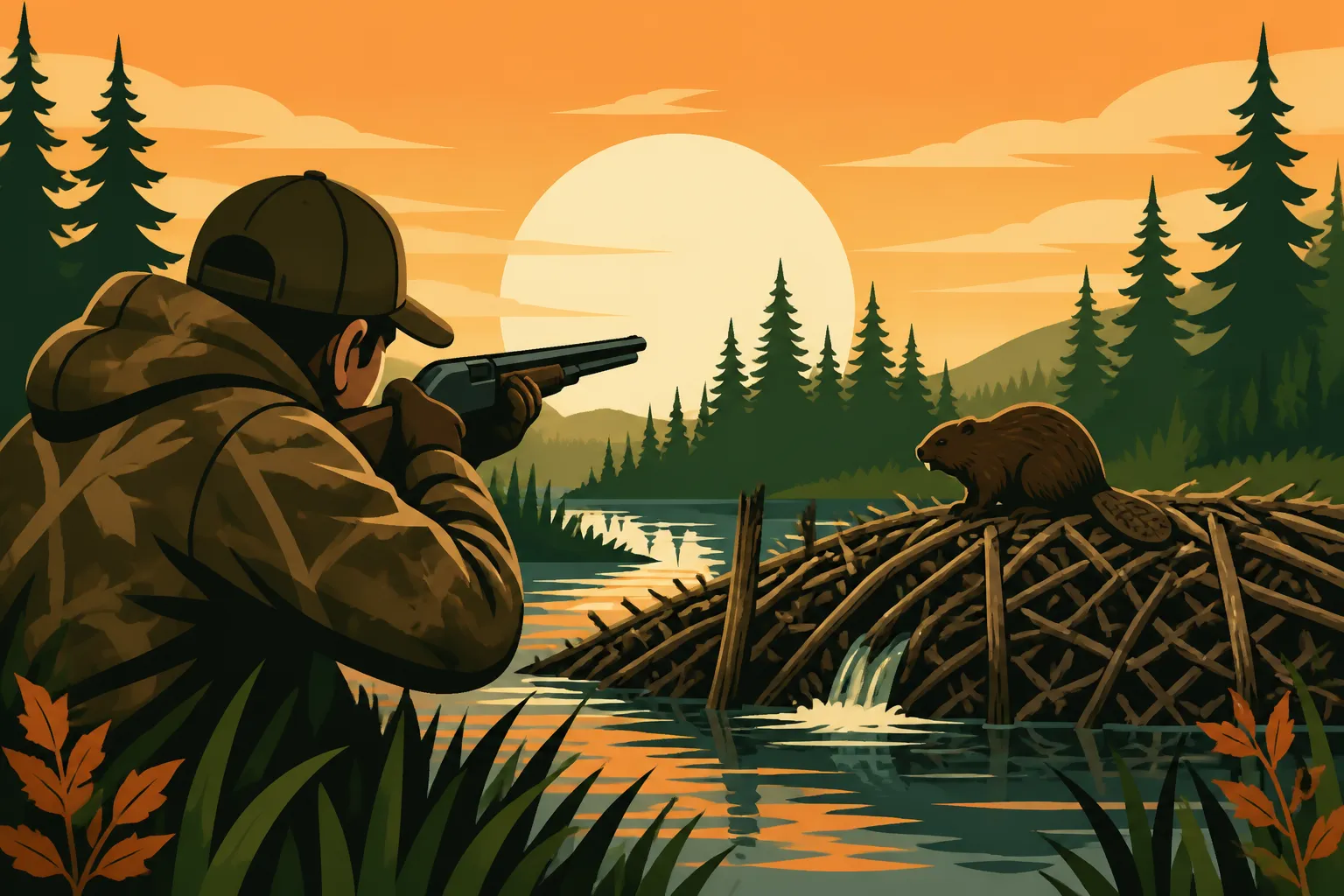
Beaver dams are more than just piles of sticks and mud; they're engineering marvels created by some of Ontario's most industrious residents. These structures back up water, creating ponds and altering stream flows, which in turn dictate how animals navigate the landscape. Instead of wading through deep, slow-moving water or attempting to cross a swift current, a solid beaver dam provides a dry, stable, and often well-trodden pathway.
Imagine a large swamp or a long, winding creek system that might otherwise be almost impenetrable for a deer. A beaver dam effectively creates a "land bridge" where none existed, forcing animals from a wide area into a narrow corridor. This funneling effect is what makes these spots so incredibly valuable to hunters. Deer will use them to cross from a hardwood ridge to a cedar swamp, moose might use them to move between feeding areas, and even bears will amble across, following the scent of berries or other food sources. These aren't just convenient paths; they're often the only convenient paths for miles around, making them high-traffic intersections in the animal world. This concentration of travel reduces the amount of ground you need to cover and increases the likelihood of an encounter.
Water Source and Diverse Habitat Attraction
Beyond just providing a crossing, the environment created by a beaver dam is inherently attractive to a wide array of wildlife. The pond itself is a vital water source, especially during drier periods, drawing animals in for a drink. But it's also a hub of biological activity. The flooded areas often kill off mature timber, creating standing deadwood that provides shelter and insect food. The edges of these ponds, where the water meets the forest, are transition zones – what we often call "edges" – which are notoriously productive for game. Here, you'll find a mix of wetland vegetation, regenerating hardwoods, and thick underbrush, offering both food and cover.
Consider the diverse menu available: aquatic plants in the pond, tender new growth along the shore, and often mature mast-producing trees like oaks or beeches on the higher ground nearby. This rich buffet, combined with the security of thick cover, makes a beaver dam complex a prime destination for animals looking to feed, drink, and bed down. You might find whitetail deer browsing on various shrubs, moose munching on willow or aquatic plants, and even waterfowl using the pond itself. This blend of resources means that not only are animals crossing these dams, but they are also often spending time in the immediate vicinity, making them active zones throughout the day.
Consistent and Predictable Travel Routes
One of the most appealing aspects of hunting a beaver dam crossing is the predictability it offers. While deer and other game can be notoriously elusive and their travel patterns seemingly random, natural funnels like beaver dams impose a degree of order on their movements. Animals learn these crossings and use them repeatedly, often for generations. Once a dam is established and used, it becomes a permanent fixture in their mental map of the territory.
This consistency means that if you find fresh sign on a beaver dam crossing today, there's a very high probability that animals will continue to use that same crossing tomorrow, next week, and even next year, provided the dam remains intact. This long-term reliability is a huge advantage over hunting ephemeral food sources or temporary cover, which can change day by day. When you're trying to pattern animals in a vast area, knowing that they have to cross at certain points significantly narrows down your search. It allows you to focus your efforts on a precise location rather than trying to guess where game might pop out of the bush. It's like finding the deer's equivalent of a highway off-ramp – you know they'll be using it.
Scouting for the Perfect Crossing
Finding a beaver dam crossing is one thing, but finding one that's actively used by the game you're after is quite another. Effective scouting is paramount here. You can't just stumble upon one and expect success; you need to understand the nuances of reading sign, considering the time of year, and even leveraging modern technology to your advantage. It’s all about putting together the puzzle pieces to identify the busiest intersections in the deer's world.
Reading the Sign for Active Use
Once you locate a beaver dam, your boots-on-the-ground scouting begins. You're looking for undeniable evidence that animals are regularly using this crossing. Start by inspecting the dam itself and the approaches on both sides. Look for tracks – deer hooves, moose prints, or bear paws – embedded in the mud or soft earth. Pay attention to the freshness of the tracks. Are they crisp and well-defined, indicating recent travel, or are they washed out and old? Fresh tracks, especially those of multiple animals, are a fantastic indicator.
Beyond tracks, look for rubbed trees or fresh scrapes near the crossing, particularly during the rut. Whitetail deer will often create these as communication points, and a busy crossing is an ideal spot for them. Browse lines on vegetation, especially around the edges of the beaver pond, indicate that animals are feeding in the area. Broken twigs, droppings, and even disturbed leaves can all tell a story of recent activity. If you're hunting black bear, look for overturned rocks, claw marks on trees, or scat. For moose, look for stripped saplings and heavily browsed willows. The more fresh, diverse sign you find, the higher the probability that this is a consistently used crossing. Don't just look for one piece of sign; piece together a mosaic of evidence to confirm your suspicions. It's often helpful to think like the animal – where would they enter, exit, feed, or feel secure?
Time of Day and Season Considerations
The activity at a beaver dam crossing can vary significantly depending on the time of day and the season. In the early archery season, especially in September, deer activity might be highest in the early morning and late evening as they move between bedding and feeding areas. If temperatures are warm, they might also visit the water source during the midday heat. Moose, being less nocturnal than deer, might use these crossings throughout the day.
As the season progresses into late fall, particularly during the deer rut in early to mid November, buck activity around these crossings can intensify. Bucks will travel more widely, checking scent and seeking does, and a natural funnel like a beaver dam becomes a prime location to intercept them. During the colder parts of the season, animals might cross during the warmest parts of the day.
Consider how the adjacent habitat changes with the seasons as well. If one side of the dam leads to a dense cedar swamp, it might become a critical travel route in late season as deer yard up in deep snow. Knowing when Ontario's Archery Season Opens or Hunting the Rut in Early to Mid November can help you time your hunts. Observing the general movement patterns of game in your specific Wildlife Management Unit (WMU) will give you critical clues on when to focus your efforts on these crossings.
Using Technology for Pre-Scouting
In this day and age, you don't always have to rely solely on boot leather to find these spots. Modern technology can give you a massive head start. Satellite imagery tools, like those found on platforms such as GoHunt, are invaluable for identifying potential beaver dam crossings from the comfort of your home. You can often spot the distinct patterns of beaver ponds, the dams themselves, and the associated water flow changes. Look for areas where narrow strips of land traverse wider wetlands or water bodies.
GoHunt, for example, allows you to overlay different map layers, including public land boundaries, topography, and even timber cuts, giving you a comprehensive view of the landscape. You can identify potential access points, understand the surrounding cover, and mark likely crossing locations before you ever step foot in the bush. This remote scouting is particularly useful in large areas of Hunting Ontario's Crown Land where cover is vast and travel can be difficult. Once you've identified a few promising spots on the map, you can then plan your in-person scouting trip much more efficiently, focusing your efforts on verifying these high-probability areas. It saves you immense time and effort, allowing you to prioritize the most promising locations. Utilizing Scouting With Satellite Imagery in Ontario is a game-changer for finding these hidden gems.
Hunting Strategies for Beaver Dam Crossings
So you've found an active beaver dam crossing, and the sign is screaming "game highway!" Now comes the crucial part: how do you hunt it effectively? Your approach will depend on the species you're after, the prevailing conditions, and your personal hunting style, but some fundamental principles apply across the board. The goal is always to remain undetected and intercept the animal at this predictable choke point.
Stand Placement and Wind Direction
This is probably the single most critical factor for success. Animals using beaver dam crossings are almost always on the move, and they'll often be alert. Your stand placement needs to give you a clear shot at the crossing itself, but more importantly, it needs to hide you from sight and scent. The wind is your ultimate enemy and your best friend. Always, and I mean always, hunt with the wind in your favour, blowing your scent away from the expected travel path of the animals. If the wind isn't right, don't hunt that spot. It's better to wait for another day or find an alternative location than to educate an animal on your presence.
Look for a spot within comfortable shooting range of the dam, preferably elevated in a tree stand or ground blind that blends seamlessly with the surroundings. Consider the sun's position – you don't want to be silhouetted or have the sun directly in your eyes during prime hunting hours. Think about the entry and exit routes for your stand as well. Can you get in and out silently, without disturbing the area around the crossing? Animals will often skirt the edges of a beaver pond, so placing your stand on a knoll overlooking the entire area can be highly effective. If deer are typically moving from a specific cedar thicket towards a hardwood ridge, position yourself where your scent carries away from both, but you can see the crossing. Understanding how to expertly hang a stand is key; perhaps reviewing tips for Hanging a Stand on an Ontario Bush Edge might be helpful.
Still-Hunting and Ambush Tactics
While a static stand can be highly effective, still-hunting or employing ambush tactics can also yield results, especially if you're exploring new territory or don't have time for a full stand setup. Still-hunting involves moving very slowly and deliberately through the bush, often taking only a few steps every minute or two, pausing to scan and listen. As you approach a beaver dam crossing, this method allows you to identify fresh sign and potentially catch an animal unaware as it's approaching or just finishing its crossing.
For ambush tactics, you'd identify a promising crossing and then set up a temporary position, perhaps behind a fallen log or in a thicket, well before prime movement times. This is different from a long-term stand in that it's often more spur-of-the-moment. It works well if you're exploring a new area and suddenly find a red-hot crossing. The key is to be absolutely motionless and silent, letting the animals come to you. This approach is excellent for mornings or evenings when animals are on the move. Just remember to use natural cover to break up your silhouette and try to pick a spot that gives you a clear shot without exposing yourself.
Calling and Scents to Enhance Attraction
Once you're set up, you can further enhance your chances by incorporating calls or scents, especially when hunting whitetail deer or moose. For deer, a soft grunt tube or a doe bleat can sometimes pique the curiosity of a passing buck, particularly during the rut. If you've been doing your homework on Rattling and Calling Ontario Whitetails, you'll know that the volume and intensity of calls depend heavily on the cover density. Around a beaver dam crossing, where visibility can be limited by thick shoreline vegetation, subtle calls are often more effective.
Scents can also play a significant role. Using doe estrus scent near the crossing can draw in a cruising buck, while a mock scrape, freshened with urine, can attract a territorial deer. For moose, cow calls or grunts can be incredibly effective, especially during the peak of their rut. Imagine a bull moose, already seeking a cow, hearing a call near a convenient crossing – it's a powerful attractant. Just remember, when using scents, place them strategically downwind of your position but upwind of where you expect the animal to approach, ensuring the scent carries towards them without revealing your location.
Essential Gear and Safety Considerations
Hunting beaver dam crossings often means venturing into wetter, sometimes more remote parts of the Ontario bush. This calls for specific gear and a heightened awareness of safety. It's not just about having the right gun or bow; it's about being prepared for the environment and knowing how to navigate it safely.
Waders and Water-Crossing Essentials
If you're going to hunt beaver dam crossings regularly, a good pair of waterproof boots or chest waders is non-negotiable. While the dam itself might be solid, the approaches to it, or side channels, are often mucky, swampy, or flooded. You'll likely need to cross shallow water or push through wet terrain to get to your stand or to retrieve game. Neoprene waders are excellent for colder weather, providing insulation, while lighter rubber or breathable waders work well in warmer conditions.
Beyond just staying dry, consider how you'll move through these wet areas. A sturdy walking stick can be invaluable for testing water depth, maintaining balance, and pushing through thick brush. If you anticipate deeper crossings or potential retrieval challenges, a small, collapsible canoe or even a sturdy inflatable boat might be worth considering, especially when Hunting Moose From a Boat or Canoe or trying to get a deer out of a particularly mucky area. Don't forget waterproof bags for your electronics, maps, and extra clothing. Getting wet in the cold Ontario bush isn't just uncomfortable; it can be dangerous.
Dealing with Mosquitoes and Black Flies
The areas around beaver ponds, with their stagnant water and dense vegetation, are prime breeding grounds for some of Ontario's least-loved inhabitants: mosquitoes and black flies. Especially during the early seasons or on warmer fall days, these pests can be relentless, turning an otherwise enjoyable hunt into a miserable ordeal.
Being prepared is key. A good quality insect repellent with a high concentration of DEET or picaridin is a must. Thermacell units can also provide a small, scent-free zone of protection around your stand, which can be a lifesaver. Consider wearing light-coloured clothing that covers as much skin as possible, and a head net can make a huge difference in your comfort and ability to stay still. Don't underestimate these tiny tormentors; a constant barrage of bites can break your concentration and make you fidget, potentially blowing your hunt. You'll want to be comfortable enough to sit patiently, as waiting is often the name of the game when hunting these funnel points.
General Bush Safety and Navigation
Hunting in and around beaver ponds and swamps means you're often in relatively remote, thick country. This raises some important safety considerations. It's easy to get disoriented in dense bush, especially when tracking game or moving in low light conditions. Always carry a reliable compass and a GPS unit or a smartphone with downloaded offline maps (like those on GoHunt, which work even without cell service). Tell someone exactly where you're going and when you expect to return. A fully charged power bank for your phone is also a smart idea.
Be aware of your surroundings: soft ground, hidden ditches, and deep water can all pose hazards. If you're hunting alone, be extra cautious. Consider carrying a small first-aid kit, a headlamp, a fire starter, and emergency rations. While beaver dams are excellent game magnets, they can sometimes be in areas where cell service is spotty or non-existent. Knowing What to Do If You Get Turned Around is crucial for any Ontario hunter venturing into less-traveled areas. Your safety should always be your top priority, ensuring you can enjoy the hunt and return home safely, hopefully with some venison!
Here's a quick look at why beaver dam crossings are so vital for game movement:
| Factor | Why it Attracts Game | Impact on Hunting | Key Species Benefiting |
|---|---|---|---|
| Natural Funnel | Creates a narrow, dry path through otherwise difficult, wet terrain. | Concentrates animal movement, reducing search area. | Whitetail, Moose, Black Bear |
| Water Source | Pond provides essential drinking water, especially in dry conditions. | Draws animals in for hydration, increasing time spent in the vicinity. | Whitetail, Moose, Black Bear |
| Habitat Diversity | Edge habitat (water/land interface) offers abundant food and cover. | Animals feed and bed nearby, making them more present. | Whitetail, Moose, Waterfowl |
| Predictability | Animals learn and consistently use established dams for travel. | Provides reliable, long-term stand locations and scouting intelligence. | Whitetail, Moose, Black Bear |
| Cover & Security | Dense vegetation along pond edges offers concealment for travel and bedding. | Animals feel safer moving through, making daylight activity more likely. | Whitetail, Moose, Black Bear |
Hunting a beaver dam crossing isn't just about finding a spot; it's about understanding the land, reading the subtle signs, and being prepared for the unique challenges and incredible opportunities these natural wonders offer. It's another excellent method to add to your repertoire when Whitetail Hunting in Ontario or even during Moose Hunting Ontario's Northern Bush. These spots are often overlooked by other hunters who stick to more obvious terrain features, giving you a distinct advantage if you're willing to put in the effort to find and understand them. Happy hunting out there!
Disclaimer
The information provided in this guide is for general knowledge and informational purposes only, and does not constitute professional advice. Hunting regulations, seasons, and requirements can change frequently. Always consult the most current Ontario hunting regulations summary and relevant government resources before planning any hunt. Ensure you have all necessary licenses, tags, and safety certifications, and respect all landowner rights and privacy. Hunt safely and ethically.