Hunting Along an Old Trapline Cut
It's easy to feel overwhelmed by the vastness of Ontario's wilderness, especially when you're trying to find that perfect, unpressured spot where game animals feel safe to roam. Modern logging roads or ATV trails get hammered with traffic, making it tough to find consistent success. But what if I told you that some of the best hunting opportunities lie hidden in plain sight, along forgotten pathways etched into the landscape generations ago? This guide will dive deep into how to effectively scout, hunt, and strategize around these often-overlooked old trapline cuts, giving you a serious edge in the Ontario bush.
The Enduring Value of Old Trapline Cuts in Ontario's Bush
When we talk about hunting "the bush," it often conjures images of endless trees and impenetrable undergrowth. But the wilderness is full of subtle lines and features that funnel wildlife, and old trapline cuts are prime examples. These aren't just random paths; they are historical corridors chosen by seasoned woodsmen for very specific, strategic reasons that still hold true for hunters today.
Why Traplines Were Established Where They Were
Historically, trappers weren't just wandering through the woods; they were masters of understanding animal movement and habitat. They knew the lay of the land intimately, creating routes that maximized their chances of intercepting furbearers. These routes often followed natural contours, connecting different ecological zones that animals frequented. Think about it: a trapper needed efficient access to their sets, and animals naturally gravitate towards the path of least resistance, especially when moving between key resources.
These trappers had an uncanny ability to read the landscape, identifying subtle funnels, water sources, and established game trails. They'd often lay out their lines along creek bottoms, which offer sheltered travel and access to water. Ridge saddles, connecting two high points, were also prime locations, acting as natural crossing points for animals moving between valleys. The edges of swamps or marshes, linking small lakes or beaver ponds, provided consistent travel routes for many species. These aren't random lines on the map; they're historical testaments to human and animal movement patterns, chosen for maximum efficiency.
What this means for us hunters is that these old trapline routes weren't arbitrary. They were carefully considered pathways that connected prime habitat components – bedding areas, feeding grounds, and water sources. A deer moving from a thick cedar swamp to a stand of oaks for acorns might well have used the same subtle travel corridor that a trapper did a century ago. This inherent strategic value is why they remain so relevant for finding game today.
How Time and Nature Have Reclaimed Them
Decades, and in some cases over a century, have passed since many of these traplines were actively maintained. Nature, as it always does, has begun to reclaim them. The once-clear paths might now be less distinct, grown over with successional vegetation. Instead of a wide, obvious trail, you might find a faint depression in the ground, a subtle break in the canopy above, or even just a strip of different vegetation species growing where the sunlight could once reach the forest floor more easily.
This regrowth isn't necessarily a bad thing; in fact, it often enhances the hunting potential. The original path, now softened by time, often becomes a slightly thicker, denser strip of vegetation, creating fantastic new cover. Young alders, poplars, or dense conifers might have sprung up, offering shelter and browse. These areas become perfect hideouts or travel lanes for game that appreciates a bit of cover while moving through more open woods. It’s like nature built a hidden highway, and then added a roof and walls.
Even when they're heavily overgrown, these old paths continue to function as natural corridors. While a deer or moose could theoretically push through any part of the forest, why would they, when there's a slightly easier, albeit overgrown, route available? These "ghost trails" provide a consistent, low-effort travel lane, especially in dense bush where every bit of energy conservation counts. Animals are incredibly efficient, and they'll choose the path of least resistance every single time. It's up to us to learn how to identify these subtle invitations.
Scouting and Identifying Old Trapline Cuts
Finding these historical treasures isn't always easy, but with the right approach and a keen eye, you can unlock some truly unique hunting grounds. It takes a combination of modern technology and good old-fashioned boots-on-the-ground effort.
Leveraging Topographic Maps and Satellite Imagery
Before you even step foot in the woods, your best friend will be a good set of maps. Older topographic maps, particularly those from the mid-20th century, can sometimes show faint, dashed lines indicating old trails or cuts that were once more prominent. Look for relatively straight lines cutting across contours or connecting geographical features like lakes, rivers, or prominent ridges. These are strong indicators of potential trapline routes.
Today's technology gives us even more powerful tools. Modern satellite imagery, easily accessible through platforms like GoHunt or other popular mapping applications, allows you to scrutinize the canopy from above. Look for subtle linear breaks in the tree cover, especially in deciduous or mixed forests where leaf-off imagery can reveal more detail. You might spot variations in tree height, slight differences in vegetation density, or even a different species of tree growing in a line where the original cut once was. These subtle differences often reveal the ghost of a trail. When you're zooming in and out, try changing the date of the satellite imagery if your app allows it, as conditions can change year to year, revealing different details. Remember to check out how to use scouting features like this effectively by reading up on Scouting With Satellite Imagery in Ontario.
It's crucial to differentiate these old trapline cuts from more modern features. Active logging roads are typically wider and more pronounced, often with obvious signs of vehicle traffic. ATV trails might be narrower but still show clear signs of recent human activity, often avoiding the most challenging terrain. Trapline cuts, by contrast, are usually much narrower, often more sinuous as they follow natural contours, and show little to no sign of modern human maintenance. They blend more seamlessly into the landscape. Always start your planning by really digging into your maps, understanding the topography, and getting a sense of the broader landscape. A good starting point is always to familiarize yourself with Reading an Ontario WMU Map Before You Go.
Boots-on-the-Ground Reconnaissance
Once you've identified a promising linear feature on your map that could be an old trapline cut, the real adventure begins. There's no substitute for getting out there and putting boots on the ground to confirm your suspicions and truly understand the area. This physical scouting is where you'll gain the critical insights needed to plan a successful hunt.
As you walk the suspected line, look for subtle indicators that confirm its historical use. You might find remnants of old tree blazes – shallow cuts or marks on tree trunks that are now heavily overgrown with bark. Sometimes, you'll even stumble upon bits of old, faded flagging tape, or if you're really lucky, some ancient, rusted cans or pieces of wire left behind by a trapper. Beyond these artifacts, pay close attention to the ground itself: a slight, consistent depression in the earth, a line of different undergrowth, or even just a distinct lack of deadfall in a particular linear pattern. These are the whispers of an old path.
Following these faint lines requires patience and a sharp eye. As you walk, pay intense attention to game sign. Fresh tracks are, of course, a dead giveaway, but also look for droppings, rubs (especially during rut season), scrapes, and areas of concentrated browsing. Often, game animals will bed down along the edges of these old cuts, utilizing the slightly different vegetation for cover while still being close to an easy travel route. The key is to treat your scouting mission almost like a slow, deliberate still-hunt, moving quietly and constantly observing your surroundings. Take your time, stop often, and let the bush reveal its secrets. You'll be amazed at what you find when you slow down and really look for Reading Whitetail Sign in Ontario Hardwoods. Remember, these areas might not be on a main road, so being able to read and follow the subtle signs is important, much like you would if you were Hunting an Old Logging Road in the North.
Hunting Strategies for Old Trapline Cuts
Once you’ve done your homework and pinpointed a promising trapline cut, it’s time to strategize your hunt. These historical pathways lend themselves to a few distinct hunting methods, each with its own advantages, depending on your preferred style and the specific terrain.
Ambush Hunting Along the Corridor
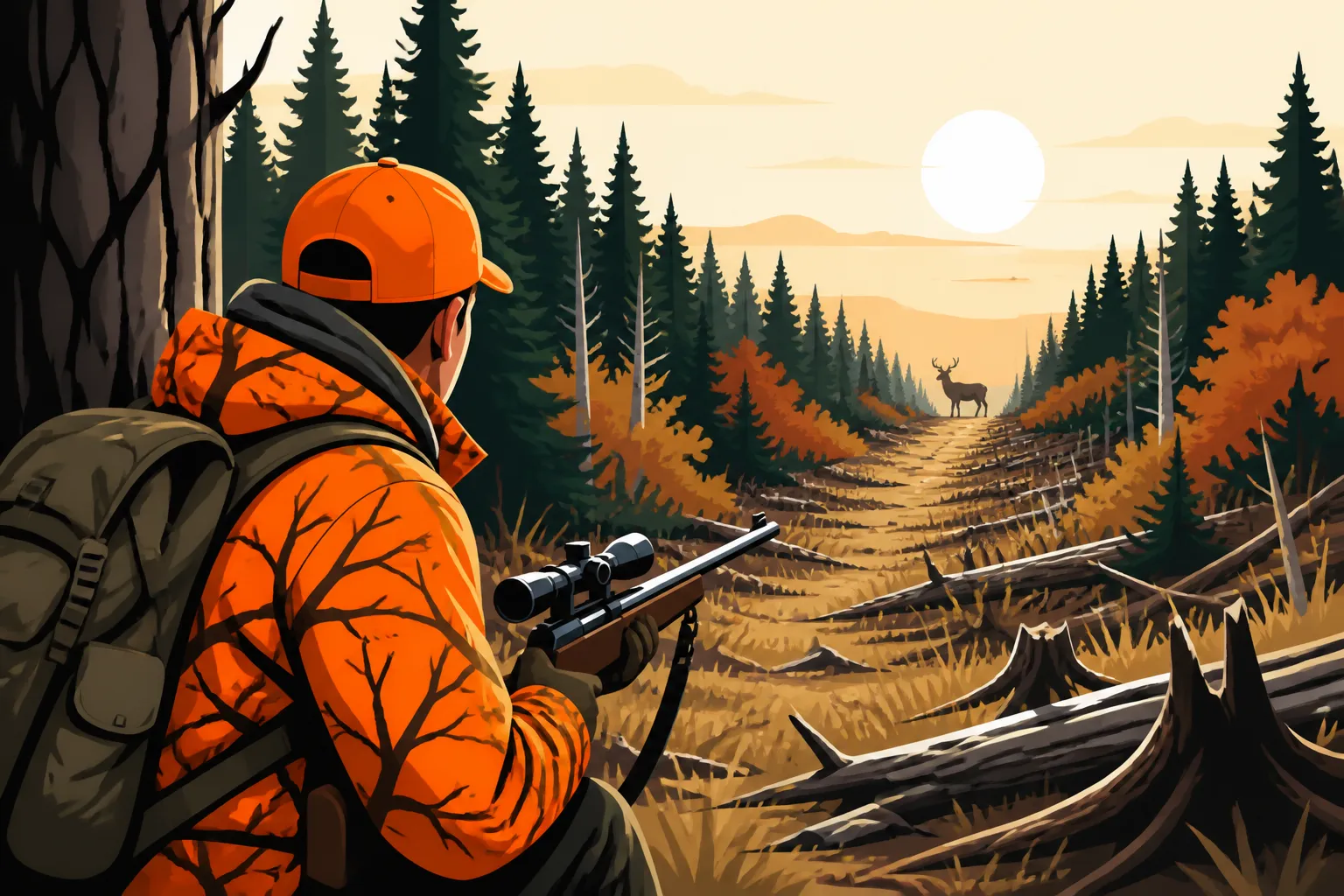
Old trapline cuts are, by their very nature, natural travel corridors. This makes them absolutely perfect locations for ambush hunting, whether you're targeting whitetail deer, moose, or even black bear. The animals are already using these routes, so your job is to simply be there when they do.
The trick to successful ambush hunting is identifying key pinch points, crossings, or areas where the trapline cut passes unusually close to bedding areas, feeding zones, or water sources. Imagine a narrow section of the cut that funnels animals between a thick swamp and a hardwood ridge, or a spot where the cut crosses a small creek. These are high-traffic intersections that demand your attention. Position your stand or blind downwind of the anticipated travel route, and slightly off the main trail itself. This allows you a clear shot into the cut, but also provides shooting lanes for animals that might parallel the trail just inside the thicker cover. Consider both treestands for elevated visibility and ground blinds, which offer excellent concealment if properly set up. Learn more about optimal setup by exploring Hanging a Stand on an Ontario Bush Edge.
Patience is paramount when ambush hunting. You're waiting for the animals to come to you, so long sits are often required. Focus your efforts during peak movement times, typically dawn and dusk, when animals are most active. During the whitetail rut, these corridors become even more vital as bucks cruise them looking for does. Hunting the entire day, especially in mid-November, can pay off handsomely, as animals can be on the move at any hour. For prime opportunities, consider focusing your efforts during Hunting the Rut in Early to Mid November.
Still-Hunting the Trapline
For those who prefer a more active approach, still-hunting (which is essentially a very slow, deliberate stalk) along an old trapline can be incredibly effective. Instead of waiting, you’re slowly covering ground, moving stealthily through the habitat.
The key to successful still-hunting is to move at an almost imperceptible pace. Think in terms of one step every minute or two, sometimes even longer. Stop frequently, not just for a few seconds, but for several minutes at a time. During these stops, scan every shadow, every cluster of brush, and every potential game trail ahead and to the sides. Use your binoculars or scope to pick apart the cover. The trapline cut itself might offer slightly easier walking, but always be ready for game animals that might be just off the trail, feeding or bedded down, using the cut as a security blanket. Listen intently for subtle sounds – a twig snapping, leaves rustling, or the distant call of a crow that might signal a larger animal moving.
Paying meticulous attention to wind direction is crucial. The old cut might create subtle mini-thermals or wind tunnels, so be vigilant and check your wind frequently with a puff bottle or powder. Ideal conditions for still-hunting include light rain, a fresh blanket of snow, or moderately windy days. These conditions help to mask your sound and scent, giving you a greater advantage. Just be prepared for the wet or cold conditions, as they can be intense when you're moving slowly. Hunting similar subtle features, like river valleys, requires the same kind of careful, deliberate movement, so you might find more tips by exploring Hunting an Ontario River Valley.
Drives and Push Hunting Opportunities
In specific situations where deer drives are legal and practical, an old trapline cut can serve as an invaluable tool for small groups of hunters. These cuts naturally funnel animals, making them ideal features to incorporate into a well-planned drive.
The strategy here involves positioning standers at key crossings, pinch points, or obvious escape routes along the trapline cut. These are the locations where you anticipate game animals will attempt to cross or travel once disturbed. Then, one or two drivers slowly and methodically push through a block of cover towards the standers, using the trapline as a boundary or a primary funnel. The animals, seeking the path of least resistance or their preferred escape routes, are often guided directly past the waiting hunters. This method requires excellent communication and strict adherence to safety protocols. Make sure everyone knows their shooting lanes and has a clear understanding of the plan. For groups looking to maximize their efforts, especially in dense areas, reading about Deer Drives With Three or Four Hunters can offer valuable insights.
This strategy is particularly effective in thicker bush or areas with limited visibility, where a still-hunter might miss game, or where animals can easily slip away unseen. Because game animals often default to using these established travel corridors, even when pressured, the trapline cut provides a predictable element in an otherwise unpredictable environment. Always confirm local regulations regarding deer drives and group hunting, and prioritize safety above all else.
Game Species Found Along Trapline Cuts
The beauty of hunting old trapline cuts is their versatility. Because these corridors often pass through diverse habitats and connect critical resources, they attract a wide array of game species. You might go in looking for one thing and come out with an unexpected bonus!
Whitetail Deer
Whitetail deer are creatures of the edge, and old trapline cuts are essentially extended, linear edges. They provide both easy travel and security. As you walk or sit along these cuts, look for concentrated deer sign. Bucks, especially during the pre-rut and rut, will heavily patrol these lines, leaving rubs on trees and scrapes on the ground, often directly within the cut or just along its immediate edges. They use these corridors as communication highways, checking for does and rivals.
Deer utilize these cuts to move efficiently between their bedding areas, which are typically thick, secure cover like dense cedar swamps or young conifer stands, and their feeding grounds, such as hardwood ridges laden with acorns or nearby agricultural fields. The slight overhead canopy or denser regrowth along the cut offers a sense of security, allowing them to travel more confidently during daylight hours. In periods of harsh weather, like heavy snow or cold winds, these cuts also provide sheltered travel, making them even more attractive. Understanding their feeding habits, such as What Acorn Crops Do to Ontario Deer, can help you predict movement patterns along these routes.
Moose
In Ontario's vast boreal forest, moose are masters of navigating thick cover, but they too appreciate the path of least resistance. Old trapline cuts, particularly those that parallel or cross wetlands and beaver ponds, are often prime moose habitat. These low-lying, watery areas are where moose find their preferred aquatic vegetation during warmer months and abundant browse in the winter.
When scouting a trapline cut for moose, keep an eye out for fresh tracks – their large, unmistakable prints are a dead giveaway. Look for broken saplings and obvious browse lines where they've nipped off twigs and branches. During the fall rut, these cuts become even more exciting. A bull moose, searching for a cow, will often follow these established routes. If you're skilled at calling, setting up along a trapline cut during the peak of the rut and trying to entice a bull can be incredibly effective. For insights into this thrilling method, read up on Calling a Bull Moose in the Rut. Regenerating cuts, where young alders, willows, and poplars are abundant, provide excellent forage and make them high-priority areas for these massive animals.
Black Bear
Black bears are incredibly opportunistic animals, and like other game, they will utilize any travel route that offers easy access to food sources. Old trapline cuts often lead to or run through areas rich in bear food, making them excellent spots to hunt.
Look for signs of bear activity along these cuts: fresh scat, overturned rocks or logs where they've foraged for insects, and distinctive claw marks on trees where they've climbed or rubbed. These cuts can connect areas where wild berries are abundant, such as blueberries or raspberries, or lead to old abandoned apple orchards, which are a magnet for bears in the fall. If you're hunting bears over bait in areas where it's permitted, a trapline cut can serve as a natural approach route for bears heading to your site, making stand placement critical. For more on setting up a successful bear hunt, check out Baiting Black Bear in Ontario. Their notoriously quiet movement means that still-hunting or sitting patiently on a trapline cut can result in a close encounter, often when you least expect it.
Small Game and Predators
While often thought of for big game, old trapline cuts are also fantastic for a variety of smaller species and predators. These linear features create diverse edge habitats that are highly attractive to small game. Ruffed grouse, for instance, love the varied cover and abundant food sources found along these edges, often dusting themselves in sunny spots or feeding on buds. Snowshoe hare will use the dense regrowth for cover and easy travel, particularly in areas where their population cycles are peaking. Even spruce grouse might be found if the cut passes through suitable black spruce or jack pine stands. If you're interested in pursuing these smaller quarry, you might find useful information in Ruffed Grouse Hunting Ontario's Bush Roads.
Predators like coyotes and wolves also regularly patrol these trapline cuts. They instinctively know that these routes funnel smaller game, making them efficient hunting grounds. A coyote might use a cut to silently stalk a hare, or a wolf pack could use it as a highway between territories. Foxes, martens, and fishers – the very species that the original trappers were after – still frequent these areas, attracted by the abundant small prey. Being prepared for a multi-species hunt can make your day in the bush even more rewarding.
This diversity means that a single trapline cut can offer a layered hunting experience. You might be sitting for a moose and have a flock of grouse flush nearby, or spot a coyote slinking down the trail. It's a testament to the enduring ecological value of these historical pathways, showing how much wisdom those old trappers truly held.
| Feature Type | Key Characteristics | Hunting Tips | Scouting Focus |
|---|---|---|---|
| Old Trapline Cut | Faint, overgrown, subtle depressions, natural funnels | Ambush pinch points, slow still-hunting, small group drives | Satellite imagery (GoHunt), old topo maps, subtle ground signs, game trails |
| Modern Logging Road | Wider, vehicle tracks, clear cut edges, maintained | Spotting game crossing, often pressured, focus on edges away from road | Obvious on maps, recent activity, wider clearings |
| ATV Trail | Narrower than logging roads, distinct tracks, human sign | Similar to logging roads but for smaller vehicles, game may use less during day | Clear on maps, distinct linear features, look for tire tracks |
| Natural Game Trail | Animal-made, often winding, less distinct than cuts | Excellent for still-hunting or stand placement, high traffic areas for game | Heavy game sign (tracks, droppings), often leads to food/water/bedding |
Disclaimer
Hunting is an inherently risky activity. This guide provides general information and strategies based on common practices and experiences. Conditions in the field can change rapidly, and hunter safety should always be the absolute top priority. Always consult the most current Ontario hunting regulations, obtain the necessary licenses and tags, and hunt ethically and responsibly. Remember to respect private property, even if you believe a trapline cut extends onto it, and always get landowner permission where required.