Hunting the Haliburton Highlands
Hunting the Haliburton Highlands presents a unique blend of challenge and immense reward, often leaving hunters feeling overwhelmed by the vastness of the mixed forest and the intricate patchwork of public and private lands. It's a region that demands careful planning and a deep understanding of its specific characteristics, or you risk spending more time scratching your head than actually hunting. This guide aims to unravel the complexities of chasing game in the Haliburton Highlands, offering practical insights and strategies to help you navigate its rugged beauty and find success, whether you're after whitetails, bears, or even a coveted moose tag.
Understanding the Haliburton Highlands Landscape
The Haliburton Highlands isn't your typical flat farmland or vast, unbroken boreal forest. This is a region shaped by ancient glaciers, leaving behind a stunning, rugged landscape of rolling hills, granite outcrops, dense mixed forests, and an incredible number of lakes and rivers. This unique geography dictates everything from animal movement patterns to where you can realistically access hunting grounds.
The Geology and Topography of the Region
When you look at a topographical map of the Haliburton Highlands, you'll immediately notice the dramatic elevation changes and the prevalence of water. We're talking about the southern edge of the Canadian Shield here, which means a lot of exposed granite, shallow soils, and a complex network of wetlands, beaver ponds, and narrow valleys. This isn't easy walking; expect steep climbs, rocky terrain, and plenty of marshy ground. This ruggedness can be a hunter's best friend and worst enemy. It makes for incredible natural funnels and bedding areas for deer, but it also means you'll be working hard for every step. Understanding these features, from a subtle saddle between two ridges to a dense cedar swamp, is paramount. Deer will often use these natural features to move between feeding and bedding areas, making them prime spots for stand placement. Similarly, bear frequently travel along ridgelines and near water sources, especially during the fall when they're gorging on berries.
Forest Types and Habitat Diversity
The Haliburton Highlands boasts a diverse mix of forest types, creating a rich mosaic of habitats that appeal to a variety of game species. You'll find mature hardwood stands, particularly oak and maple, which are critical for providing mast crops like acorns – a huge draw for whitetail deer and bears. Mixed in with these are coniferous areas, including stands of white pine, spruce, and cedar, especially in lower, wetter areas. These conifer stands are often used by deer for winter cover and thermal protection, making them crucial yarding areas when the snow gets deep.
Beyond the mature forests, you'll also encounter regenerating cutovers and areas of younger growth. These are often thick and tough to navigate but provide excellent browse for deer and dense cover for all game. Old logging roads, hydro lines, and abandoned farmsteads also weave through the landscape, acting as natural travel corridors or offering open edges that can concentrate wildlife. When you're Hunting an Ontario Bush Edge, these transition zones are where the action often happens. Knowing how to identify these different forest types and predict how animals will utilize them at different times of the year is a skill that comes with experience, but studying maps and doing some serious preseason scouting can give you a significant head start.
Key Game Species and Seasons in the Highlands
The Haliburton Highlands offers opportunities for several popular game species, each requiring a tailored approach and understanding of their habits in this particular environment.
White-Tailed Deer in Haliburton
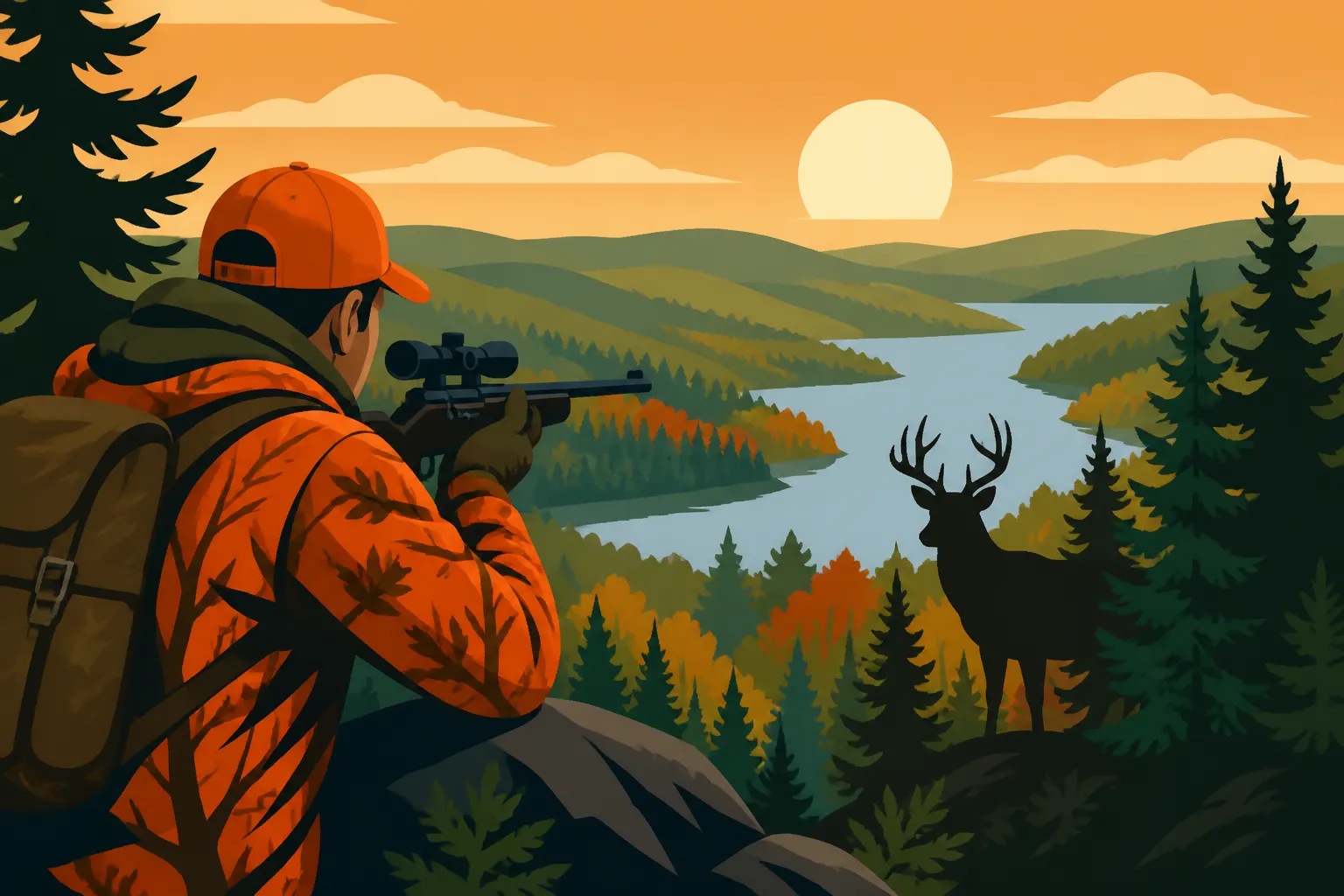
Whitetails are the most commonly pursued big game animal in the Haliburton Highlands. While the sheer numbers might not be as high as in some southern Ontario agricultural zones, the deer here tend to be resilient, intelligent, and often carry impressive body weight to withstand the tougher winters. The terrain itself makes for challenging but rewarding deer hunting. They use the broken topography to their advantage, often bedding on higher ground with good visibility or tucked into dense cover within valleys and swamps.
Successful deer hunting in this region revolves around understanding their travel corridors between bedding areas and food sources. Look for areas with a good mix of hardwoods (for acorns), conifer thickets (for cover), and access to water. The numerous lakes and rivers also create natural pinch points and crossings that deer will habitually use. The fall archery season, which can include Hunting Ontario's Late September Archery Opener offers a fantastic opportunity, as deer are often still in summer patterns before the heavy pressure of the gun season. During the rut, typically in early to mid-November, bucks will be actively cruising these rugged hills, often sticking to benches and less-traveled areas. Understanding White-Tailed Deer Across Ontario will give you a broader context, but remember that the Haliburton terrain adds unique layers to their behavior.
Black Bears: A True Highlands Challenge
Black bears are prevalent throughout the Haliburton Highlands, offering an exciting and often unpredictable hunt. This region provides an abundance of their preferred habitat: dense forests, plenty of natural food sources like berries (blueberries, raspberries, saskatoons), and easy access to water. Bear activity often peaks in late summer and fall as they try to put on weight for winter hibernation.
Hunting bears in the Haliburton Highlands can involve spot-and-stalk tactics in areas with good visibility (like recent clear-cuts or along hydro lines, where berries thrive), or baiting, which is a common and effective method where permitted. If you're considering baiting, remember that setting up a bear bait site requires commitment and understanding of local regulations. Bears are intelligent and have incredible senses, making them a worthy adversary. You'll need to know their travel routes, often indicated by old logging roads or game trails along ridgelines, and where they're feeding. Scouting for fresh sign – scat, tracks, claw marks on trees – is crucial. Understanding Black Bears Across Ontario's Bush Country will highlight their general characteristics, but the Haliburton's specific food availability and terrain will influence their patterns.
Moose: Elusive and Highly Sought After
While not as common as deer or bear, the Haliburton Highlands does offer limited opportunities for moose hunting. Moose populations here are part of Ontario's southern range, and tags are typically very difficult to draw, often requiring many points in the provincial allocation system. If you're lucky enough to draw a tag for a Wildlife Management Unit (WMU) in or near the Haliburton Highlands, you're in for a true wilderness experience.
Moose in this region will be found in areas with plenty of browse – willow, aspen, and other aquatic vegetation – often near swamps, beaver ponds, and along lake edges. Their preferred habitat often overlaps with some of the densest, wettest, and most challenging terrain. Patience, perseverance, and a willingness to explore remote areas are key. Calling moose, especially during the rut, can be effective, but expect to cover a lot of ground. Remember to focus on areas with recent timber harvest where regenerating forest provides abundant food. Information on Moose in Ontario's Boreal Forest offers broader context, but specific local scouting for fresh browse and sign in the Haliburton will be paramount.
Small Game and Upland Birds
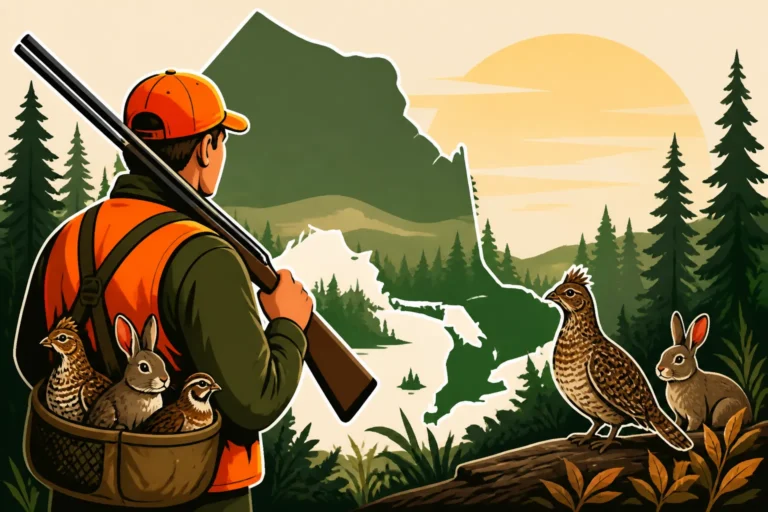
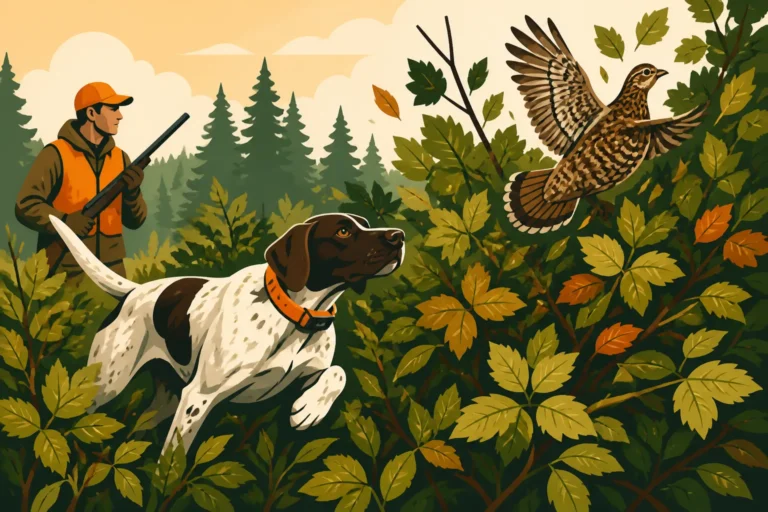
Don't overlook the incredible small game and upland bird opportunities in the Haliburton Highlands. Ruffed grouse are abundant in areas of mixed forest and regenerating clearcuts, often found along old logging roads and ATV trails. Hunting them can be a great way to explore the bush and add some wild game to your freezer. Snowshoe hares are also present, particularly in dense conifer thickets, and can provide exciting rabbit hunting, especially after the first snow. For a truly unique experience, you might even find spruce grouse in the denser, black spruce stands. Targeting Ruffed Grouse Hunting Ontario's Bush Roads is a classic approach in this region.
Accessing Hunting Opportunities in Haliburton
One of the biggest hurdles and sources of frustration for hunters in the Haliburton Highlands is navigating the complex mosaic of land ownership. This region is a popular cottage country, meaning a significant portion of land is privately owned, often with varying degrees of development.
Public Land: Crown Land and Conservation Areas
While much of the Haliburton Highlands is private, there are still substantial tracts of Crown Land available for public hunting. These areas are typically more remote, less developed, and often require more effort to access. Tools like a good GPS unit or a mapping app like GoHunt are invaluable here. You can download topographical maps and satellite imagery, then overlay Crown Land boundaries, making it much easier to identify legal hunting areas and plan your routes. GoHunt, for instance, can quickly show you which parcels are open for public use and help you avoid trespassing.
Beyond Crown Land, some Conservation Authority lands may also permit hunting, though rules and access points can vary significantly. Always check with the specific Conservation Authority (e.g., Kawartha Conservation, Haliburton Highlands Land Trust properties) to confirm their regulations, permitted species, and season dates before heading out. Sometimes these areas require special permits or have very specific access points. Understanding Hunting Ontario's Crown Land in a broader sense is a good start, but hyper-local verification is crucial in the Highlands.
Private Land: The Permission Imperative
Given the high concentration of private property, especially around lakes and towns, securing permission from landowners is often essential for consistent hunting success in the Haliburton Highlands. This isn't always easy, but a polite, respectful approach can go a long way. Many landowners are open to responsible hunters, especially if they have concerns about deer overpopulation or crop damage.
When approaching landowners, always be prepared. Dress neatly, bring a written liability waiver (if you have one), and clearly explain your intentions. Offer to share your harvest or help with small tasks around their property. Building a relationship is key. Even if they say no, ask if they know anyone else who might be looking for hunters. This is where local knowledge and a good reputation can really pay off. For comprehensive advice, check out Getting Private Land Permission in Ontario.
Here's a quick comparison of public vs. private land access in the Haliburton Highlands:
| Feature | Crown Land (Public) | Private Land (Requires Permission) |
|---|---|---|
| Availability | Remote, often fragmented, less accessible by road | Abundant, often closer to roads/settlements, varied in size |
| Access | Generally unrestricted, but may require hiking/canoeing | Requires explicit permission from landowner; no trespassing! |
| Pressure | Can be high in accessible areas, but drops significantly deep in | Varies greatly; can be low if you're the only permitted hunter |
| Game Density | Can be excellent, especially for moose and bear in remote spots | Often good for deer, turkeys due to proximity to agriculture |
| Tools Needed | Detailed topo maps, GPS, satellite imagery (GoHunt) | Landowner contact info, pleasant demeanor, liability waiver |
Essential Strategies for Success in the Haliburton Highlands
Hunting this unique landscape demands a blend of careful planning, robust gear, and a flexible mindset.
Scouting: Your Most Valuable Pre-Season Activity
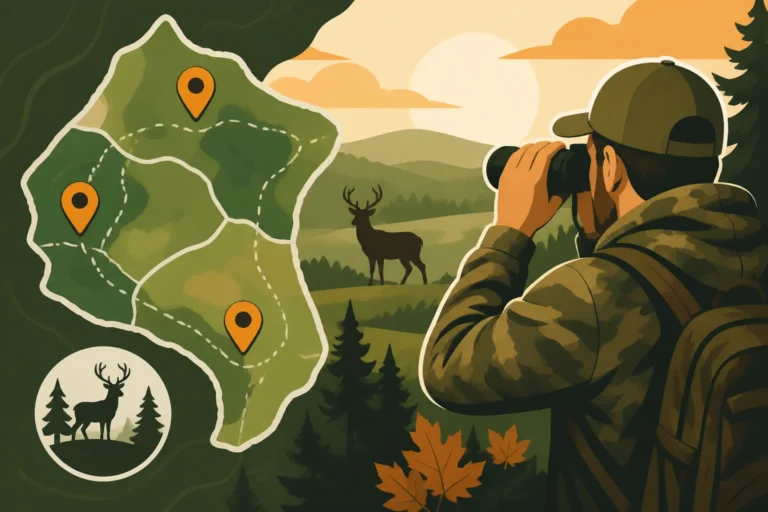
Scouting isn't just a suggestion in the Haliburton Highlands; it's absolutely vital. The terrain is complex, and animal patterns can shift with food availability and pressure. Start by using online mapping resources, including satellite imagery and topographical maps – applications like GoHunt offer excellent tools for this. Look for natural funnels, pinch points between lakes or swamps, old logging roads, and areas with different forest types converging. Identify potential bedding areas (dense cover on high ground) and feeding areas (hardwood ridges with mast, clear-cuts with browse).
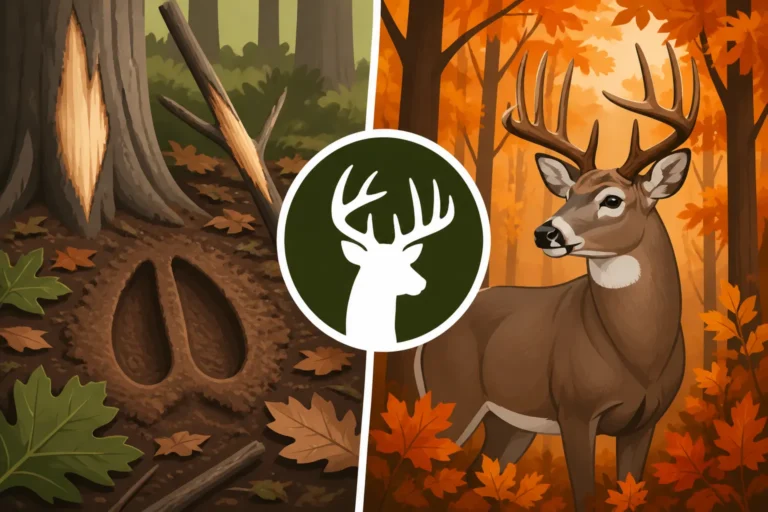
Once you have potential spots identified, hit the ground. Pre-season hiking will not only help you learn the lay of the land but also build your physical endurance, which you'll definitely need. Look for fresh tracks, rub lines, scrapes, and scat. Pay attention to transition zones – where hardwoods meet conifers, where high ground drops into a swamp. These are often high-traffic areas. During the season, if you're able to, take a few days to simply observe. Watch how deer move in relation to the wind and time of day. This region offers a lot of challenges, but careful scouting can turn those challenges into opportunities.
Equipment and Gear Considerations
Given the rugged and often wet conditions in the Haliburton Highlands, your gear choices are paramount.
- Footwear: Invest in high-quality, waterproof, and supportive hunting boots. You'll be covering varied terrain, including rocky ascents, boggy lowlands, and slippery leaf litter. Good ankle support is critical.
- Layered Clothing: Temperatures can fluctuate wildly, especially during the fall. Dress in layers that you can easily add or shed to adapt to changing weather and activity levels. Blaze orange requirements are in effect during gun seasons, so make sure you have enough to be visible.
- Navigation Tools: A reliable GPS unit or a hunting app like GoHunt on your smartphone (with downloaded offline maps!) is non-negotiable. Cell service can be spotty to non-existent in many remote areas. Carry a compass and a physical map as a backup. Knowing What to Do If You Get Turned Around is vital in this country.
- Calling Gear: If you're targeting deer, consider grunt tubes and doe bleats. For moose, a cow call and bull grunts can be effective. Bear hunters might use distress calls, though patience on a bait site is often more fruitful. For Rattling Volume in Thick Bush, remember that the dense cover here can muffle sound, so adjust accordingly.
- Optics: Good binoculars are invaluable for scanning distant ridges or identifying game in dense cover. A rangefinder is also a great asset for ethical shot placement in varying terrain.
- Game Retrieval: The ruggedness of the Haliburton Highlands makes game retrieval a serious consideration. A good deer cart or pack frame can be a lifesaver, but be prepared for manual dragging and potentially quartering game in the field, especially for larger animals like moose or bear. Access to reliable game processing is also a factor, particularly if you're traveling a distance. Thinking about Field Dressing in Warm Ontario Weather can be critical if you hunt early season.
Adapting to Local Conditions and Hunter Pressure
The Haliburton Highlands can see significant hunter pressure, especially during the opening week of rifle season. To increase your odds, be willing to hike deeper into the bush than others. Many hunters stick to easily accessible areas near roads or trails. The areas that require more effort – an extra mile or two walk, a canoe paddle across a lake, or a climb over a particularly rugged ridge – are often where you'll find less pressured animals.
Be flexible with your hunting times. While dawn and dusk are prime, animals in pressured areas might become more nocturnal or move during the mid-day hours in thicker cover. Understanding how animals react to pressure is key. If the area you planned to hunt is suddenly crawling with other hunters, have a backup plan. Utilize the topographical features to your advantage, finding hidden pockets of cover or less obvious travel routes that other hunters might overlook. This region rewards persistence and a willingness to explore off the beaten path.
Navigating Regulations and Ethical Considerations
Beyond the practicalities of hunting, it’s crucial to be well-versed in Ontario’s hunting regulations and maintain the highest ethical standards, especially in a popular recreational area like the Haliburton Highlands.
Ontario’s Hunting Regulations and Wildlife Management Units
Before you even step foot in the Haliburton Highlands, ensure you have a valid Ontario Outdoors Card and the appropriate hunting licenses and tags for the species you intend to pursue. The Haliburton Highlands spans several Wildlife Management Units (WMUs), and season dates, bag limits, and specific regulations can vary between them. Always consult the current Ontario Hunting Regulations Summary, available from the Ministry of Natural Resources and Forestry (MNRF), for the most up-to-date information. Pay close attention to rules regarding controlled deer hunts, antlerless deer validations, and moose tag allocation processes for the specific WMU you plan to hunt in. Keeping up with Ontario's Wildlife Management Unit System is fundamental.
Also, be acutely aware of weapon restrictions, particularly in more populated or built-up areas. Shotgun-only zones are common in many southern Ontario WMUs, and it's essential to confirm if this applies to your chosen hunting area. The last thing you want is to be caught off guard by a regulation you overlooked.
Respecting Landowners and Local Communities
In an area like the Haliburton Highlands, where private land and seasonal residences are abundant, being a respectful hunter is not just good etiquette; it's essential for maintaining hunting access for everyone. Always assume land is private unless proven otherwise. If you have secured permission to hunt private land, abide strictly by any conditions set by the landowner. Leave gates as you found them, pack out all your trash, and avoid damaging property.
Be mindful of noise, especially early in the morning or late in the evening. Understand that non-hunters, cottagers, and hikers also frequent the area, and maintain a positive image of hunters. Report any illegal activity or trespassers you encounter to the proper authorities. Your actions reflect on the entire hunting community. A good relationship with local residents can open doors to more hunting opportunities down the line.
Safe Hunting Practices in Remote Terrain
The rugged and often remote nature of the Haliburton Highlands demands heightened attention to safety.
- Carry a First-Aid Kit: A comprehensive first-aid kit is crucial for any hunting trip, but especially when you're in areas with limited access to immediate medical care.
- Tell Someone Your Plan: Always inform a trusted person about your hunting location, your intended route, and your expected return time. This is critical in case of an emergency.
- Hunt with a Buddy (if possible): Hunting with a partner significantly enhances safety, especially when tracking game in challenging terrain or retrieving a large animal.
- Know Your Limits: Don't push yourself beyond your physical capabilities, especially when alone. Hypothermia, sprains, and exhaustion can quickly turn a hunt dangerous in this environment.
- Firearm Safety: Always adhere to the four fundamental rules of firearm safety. Be extra cautious of your backdrop in hilly, timbered country where visibility can be limited. Ontario Blaze Orange Requirements are there for a reason – wear it proudly and correctly.
Hunting the Haliburton Highlands can be an incredibly rewarding experience, connecting you with challenging game in some of Ontario's most beautiful and wild landscapes. By understanding the terrain, knowing your target species, securing proper access, and adhering to strict ethical and safety standards, you'll set yourself up for many memorable adventures in this unique region.
Disclaimer
The information provided in this guide is for general informational purposes only and is not intended as legal advice or a substitute for official hunting regulations. Hunters are responsible for consulting the most current Ontario Hunting Regulations Summary, available from the Ministry of Natural Resources and Forestry (MNRF), and for adhering to all federal, provincial, and local laws and regulations. Hunting involves inherent risks, and safety should always be the top priority.