Hunting the Fall Turkey Season With a Bow
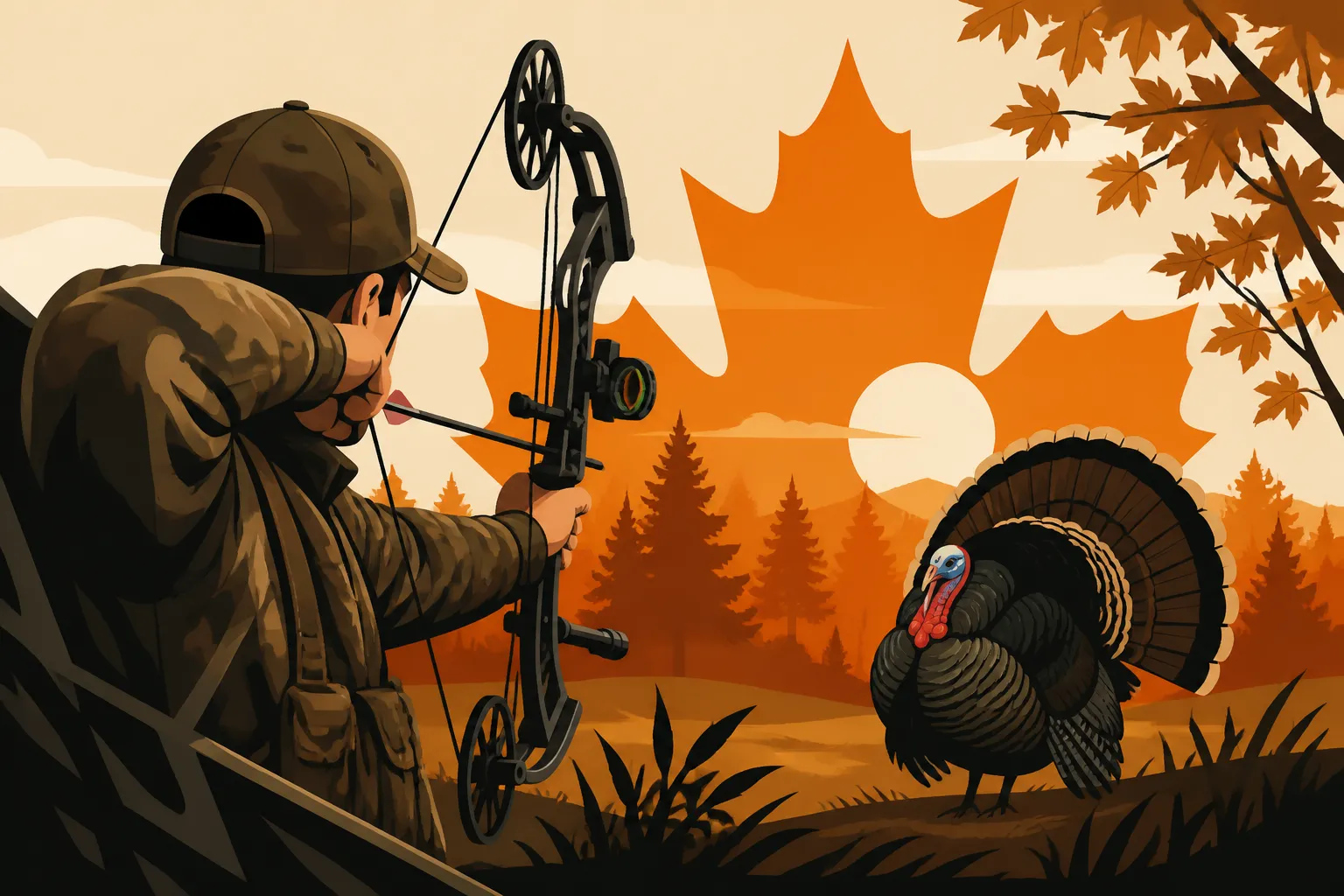
Fall turkey season presents a whole new puzzle for hunters, especially for those of us who commit to the challenge of bowhunting. Unlike the vocal, strutting gobblers of spring, fall birds are often grouped up, more cautious, and far less prone to responding to calls in the same aggressive way. This guide is here to walk you through the nuances of successfully hunting the Fall Turkey Season With a Bow in Ontario, offering practical strategies to fill your tag with archery gear when the leaves turn.
Understanding Fall Turkey Dynamics for Bowhunters
The crisp air and vibrant colours of autumn signal a significant shift in turkey behavior. What worked so well in spring won't necessarily cut it when the fall birds are focused on survival and sustenance rather than breeding. Bowhunting adds another layer of complexity, demanding even more precision and understanding of these subtle changes.
The Shift from Spring Fervor to Fall Survival
Fall turkeys are a completely different animal than their spring counterparts. Gone are the days of locating a hot gobbler on the roost and trying to get him to commit to a decoy spread in an open field. In autumn, turkeys are no longer driven by breeding instincts but by the relentless pursuit of food and survival. They group into large flocks, often segregated by hens with their poults and bachelor groups of gobblers. This flock mentality means more eyes, more ears, and a heightened sense of caution, making a close-range bow shot significantly harder to achieve.
Their daily routine revolves around foraging for mast crops like acorns and beechnuts, picking through harvested fields, and generally trying to put on weight for the winter. You'll find them roaming across vast areas, sometimes covering miles in a day, making static ambush hunting a low-percentage game. This requires a hunter to be far more mobile, adaptable, and often aggressive in their approach. The quiet discipline of bowhunting, usually an advantage, can feel like a massive hurdle when faced with 50 pairs of wary turkey eyes.
Recognizing this fundamental shift is critical. If you try to hunt fall turkeys like you would in spring, you're likely to be disappointed. We need to shed the idea of setting up and waiting for a lone bird to waltz in. Instead, think about intercepting large groups, breaking them up, and then using specific calling techniques to bring them back into bow range. It's a game of chess, not just a waiting game, and understanding their seasonal motivations is your first move.
Distinguishing Between Bachelor Flocks and Hen/Poults
Knowing what kind of flock you're dealing with can dramatically change your strategy. Bachelor groups of gobblers tend to be more patternable, often using similar travel routes and feeding areas day after day. They can also be a bit more predictable in their reactions, though still incredibly wary. Hens with poults, on the other hand, are the most common sight in the fall. These flocks are typically larger and contain multiple generations of birds, making them exceptionally alert. The sheer number of eyes and ears means they're very difficult to sneak up on, and even harder to call in as a full flock.
Observing flock composition from a distance, perhaps with good binoculars or a spotting scope, is invaluable. Are you seeing mostly large-bodied birds with thick beards and prominent spurs? That's a gobbler group. Are there many smaller birds mixed with larger hens? That's a hen and poult flock. Your approach to calling and even choosing your setup location will differ based on this identification. A well-known mapping tool like GoHunt can really help here, allowing you to mark observations and analyze terrain features to predict where these different groups might move.
The behaviour difference is also key. Gobbler flocks, while wary, might be more interested in reuniting with perceived lost flock members, or even responding to aggressive gobbler calls, especially later in the fall when they might still be establishing dominance. Hen and poult flocks are almost exclusively looking to regroup with family. This is where the 'flock scatter' technique, which we'll discuss later, truly shines. Understanding the social structure of the specific flock you're targeting is like having an insider's tip – it informs every subsequent decision you make.
Archery-Specific Challenges and Strategic Advantages
Bowhunting fall turkeys isn't for the faint of heart, but it offers immense satisfaction. The key is to acknowledge the inherent difficulties and then leverage the unique advantages your archery equipment provides.
The Close-Range Imperative and Camouflage Discipline
Bowhunting turkeys in the fall means you're operating on an even tighter margin of error than with a shotgun. Your effective range is significantly reduced, often to 20-30 yards for most bowhunters. This mandates being absolutely fanatical about concealment and stillness. Any flicker of movement, any shine from exposed skin or gear, or any sound out of place will send a flock of 30+ birds scattering like wildfire, leaving you with nothing but dust and regret.
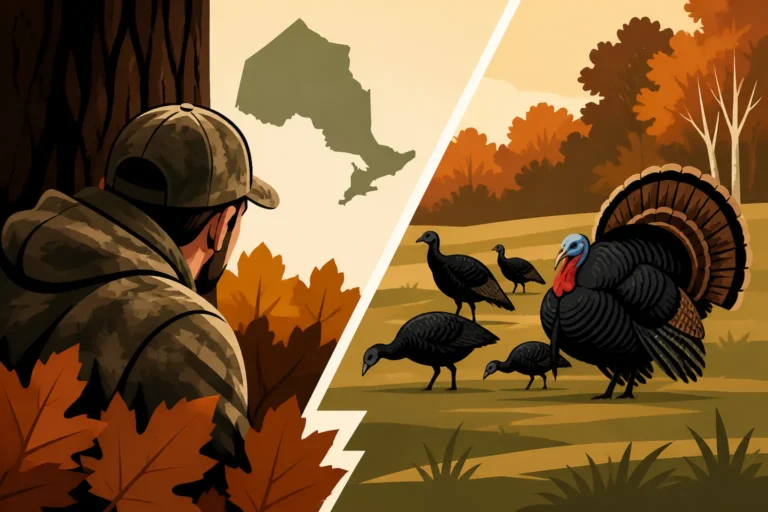
Full head-to-toe camouflage, including a face mask and gloves, is non-negotiable. Breaking up your outline against a solid background, like a thick cedar tree or a dark shadow, is crucial. For fall, consider lighter camo patterns that blend with the yellows, oranges, and browns of changing leaves and dry grasses. Unlike sitting for deer, where you might have moments to adjust, turkey hunting requires you to be absolutely frozen in position the moment you expect birds to appear. It's a mental game of endurance and discipline, knowing that the slightest twitch will blow your hunt.
Furthermore, consider using a ground blind. While not always practical for mobile hunting, a pop-up blind can provide a significant advantage for concealment, especially if you've patterned birds to a specific feeding area or travel corridor. It allows for more movement to draw your bow, which is a major benefit when a flock is approaching from multiple angles. When setting up, remember that you need a clear shot path and lanes, free from branches that could deflect an arrow, something you might not think about as critically with a scatter gun.
Gear Considerations for Mobile Archery Hunting
Your gear choices can make or break a fall bowhunt. While a heavy fixed-blade broadhead is great for big game, a mechanical broadhead with a wide cutting diameter (1.5" or more) is often preferred for turkeys to maximize shock and ensure a quick, ethical kill given their small vital zone. A good rangefinder is also essential for precisely judging distances, as your shot opportunity might be fleeting and you won't have time to second-guess.
Mobility is paramount. You need to be able to move quickly and quietly to intercept flocks or react to scattered birds. This means packing light. A small backpack with calls, water, a snack, and your rangefinder is usually sufficient. Think about quiet clothing that won't rustle against brush as you move. A sturdy yet lightweight stool or cushion can make long sits more comfortable, but be ready to ditch it and move if the birds dictate. Using an app like GoHunt can help you scout and navigate without unnecessary bulk.
Consider your calling setup. For fall, you'll want a variety of calls, particularly those that mimic hen and poult sounds. A slate call, box call, and a diaphragm call give you versatility to make clucks, purrs, and yelps that will resonate with scattered birds. Practicing these calls is just as important as practicing your shot. Remember, consistency and realism are key; turkeys are masters of mimicry themselves. If you're pondering what to pack for a longer trip, consider reviewing a guide on What to Bring to an Ontario Bush Camp to ensure you have all essentials covered.
Scouting and Setup Strategies for Fall Bowhunting
Successful fall bowhunting for turkeys hinges on thorough scouting and intelligent setup. You can't just stumble into success; you need a plan based on the birds' current habits.
Locating Food Sources and Travel Corridors
In the fall, turkeys are driven by their stomachs. Finding reliable food sources is your number one priority. This often means scouting for mast crops like acorns in oak ridges, beechnuts in beech stands, or even wild grapes and berries in dense thickets. Agriculture fields, especially those with corn or soybeans that have recently been harvested, are absolute magnets. Drive country roads, stop and glass fields, and look for telltale turkey sign – droppings, tracks, and disturbed leaves where they've been scratching for food.
Once you've identified feeding areas, your next step is to find the travel corridors leading to and from them. Turkeys will often use natural funnels like creek bottoms, old logging roads, or the edges of dense cover to move between roosting sites, feeding areas, and watering holes. Look for distinct tracks in soft soil or dust. These corridors are prime ambush points, especially early in the morning when birds are heading out to feed, or late in the afternoon when they're making their way back to roost. You might find similar travel patterns if you're Hunting a Hardwood Ridge for Whitetails, as both species often utilize these areas.
This is where modern scouting tools become invaluable. Using satellite imagery on a platform like GoHunt can help you identify potential food sources, locate dense cover for roosting, and map out likely travel corridors from the comfort of your home. You can mark these points and then verify them on the ground. This kind of diligent Scouting a Wildlife Management Unit will drastically increase your odds, giving you a significant leg up on birds that are constantly on the move. Don't forget to pay attention to areas like an Hunting an Ontario Bush Edge, as these transition zones are often hotspots for turkey activity.
The Art of the Flock Scatter and Ambush Setup
The "flock scatter" is arguably the most effective fall turkey bowhunting tactic. The idea is to deliberately spook a large flock, sending birds flying and running in every direction. The immediate goal is to break up the cohesive group. Once scattered, individual birds, particularly poults and hens, will quickly begin clucking and yelping, trying to re-establish contact with the rest of their flock. This instinct to regroup is what you capitalize on.
After scattering the flock, immediately set up as quickly and quietly as possible in a spot that offers good concealment and a clear shooting lane. Think about where the birds should want to regroup – perhaps a slight rise, a field edge, or a clearing where they can see and be seen. Pick a spot where you have a good backdrop that breaks up your silhouette. Then, begin calling softly, mimicking lost hen and poult calls. The key is to sound like a lonesome bird trying to find its family. Wait patiently; often, scattered birds will come in cautiously, slowly working their way back.
For this to work, you need to be aggressive. Don't be afraid to bust a flock. Sometimes, the best way to get a bow shot is to charge into a group of feeding birds. It sounds counterintuitive, but it works. This tactic is especially effective when hunting groups of hens and poults, as their desire to reunite is incredibly strong. When they start sounding off, it's often a frantic cacophony, and your job is to sound like another frantic bird, drawing them into your ambush. This aggressive approach is a cornerstone of successfully Breaking Up a Fall Turkey Flock. Pay close attention to subtle signs like those you might see when Reading Sign After a Fresh Snow, as these can tell you where birds may have regrouped previously.
Calling Techniques and Decoy Strategies for Bowhunters
Calling fall turkeys requires a nuanced touch, very different from the loud, aggressive tactics of spring. Your aim is to sound like a natural part of their scattered flock, drawing them in with reassurance.
Realistic Calling to Reassure and Draw Them In
Unlike the aggressive yelps and gobblers of spring, fall calling is all about reassurance and sounding like a lost, lonely turkey. Soft clucks, purrs, and subtle yelps are your bread and butter. You want to sound like a hen or a young poult trying to find the rest of the flock. Start soft and gauge their reaction. If you hear responses, match their cadence and volume. Consistency is more important than being loud.
Diaphragm calls are excellent for fall because they allow hands-free calling, which is crucial when holding your bow at the ready. A slate call or box call can add realism and variety to your sequence. Practice sounding like multiple birds, perhaps one louder hen and a softer, younger poult. This can make your setup sound more inviting and believable to approaching turkeys. Remember, they are often coming in cautiously, trying to locate you visually before fully committing.
It's important to be patient. After a scatter, it can take 15 minutes to an hour, sometimes even longer, for birds to start responding and working their way back. Don't overcall. Call for a minute or two, then listen. Let the woods "breathe" and allow the turkeys to do some of the work. If you're Hunting a Fall Bear Bait in September, you might also be seeing turkeys, and a natural, soft approach to calling will always serve you best. For more specific details on when you can pursue these birds, check out Ontario Fall Turkey Season Dates.
Decoy Placement for Bowhunting Ambush
Decoys can be incredibly effective in fall, but they need to be deployed differently than in spring. Instead of big, strutting gobbler decoys, focus on realistic hen and poult setups. A single hen decoy or a combination of a hen and one or two poult decoys can be very convincing. The goal is to visually affirm your calling, making your setup look like a small, lost group that scattered birds will want to join.
Placement is key for bowhunting. Set your decoys within your comfortable bow range, typically 15-25 yards from your blind or concealed position. Position them so that any incoming turkey will naturally approach the decoys and present a broadside or slightly quartering-away shot opportunity. If you're using a ground blind, set the decoys slightly in front and to the side of your blind, leaving a clear shooting lane between you and the decoy. Using a decoy specifically designed to be shot over, like those from Avian-X, can make a huge difference in directing the bird’s attention away from you.
Consider motion decoys as well. A simple fan or a decoy with a slight head bob can add an extra layer of realism that might be just enough to draw in a wary bird. However, avoid anything too aggressive or unnatural; fall turkeys are looking for safety in numbers, not a fight. The visual aid of a calm, feeding hen or curious poult can often be the final piece of the puzzle to draw a cautious turkey into that crucial bow range, especially if you're trying to replicate a lost flock scenario after a scatter. If you want more tips on how to effectively use decoys, even if primarily written for spring, Decoy Placement for Pressured Ontario Gobblers offers some great insights.
Shot Placement and Recovery for Archery Turkeys
Making a clean kill with a bow is paramount for an ethical hunt. Turkeys are notoriously tough, and their vital zones are small, demanding precise shot placement and a diligent recovery effort.
Aiming for the Vitals on a Small Target
Taking a turkey with a bow is a true test of precision due to their relatively small vital area and notoriously tough feathers. Unlike deer, where a broadside shot to the lungs is often the goal, turkeys present a few ideal shot opportunities depending on their posture. The most common and highest percentage shot is through the body, aiming for the heart and lungs. On a broadside bird, this means aiming about one-third of the way up from the bottom of the body, just behind the wing.
Another excellent shot, if presented, is a head or neck shot. While incredibly challenging, if successful, it drops the bird instantly. This requires extreme precision and a broadhead designed for such a shot. For most bowhunters, the body shot remains the most realistic and ethical option. Avoid aiming for the wing butt, as this can lead to a wounded bird that escapes. Understanding Ontario Wild Turkey Licences and Tags will ensure you’re hunting within legal parameters for this specific challenge.
A useful aiming point often recommended is to envision the turkey’s drumstick and aim right at the joint where it meets the body, or even a couple inches forward of that, when the bird is broadside. This puts your arrow directly into the heart/lung area. Practice shooting at turkey targets that clearly mark the vital zones. Confidence in your aiming point is paramount, as you’ll likely only get one chance. Remember, the Ontario's Wild Turkey Restoration Story is one of conservation success, and ethical hunting practices are key to maintaining healthy populations.
Tracking and Recovering Your Bow-Shot Turkey
After the shot, patience is your best friend. Turkeys can be incredibly tough, and even a well-placed arrow might not result in an immediate flop. Watch where the bird goes and mark the spot. If it flies, note where it landed or where you last saw it disappear. Then, resist the urge to immediately pursue.
Wait at least 15-20 minutes after the shot before you start tracking. This gives the bird time to expire and reduces the chance of bumping a wounded bird that might still be alive and capable of fleeing further. Turkeys can sometimes “pump” an arrow, meaning they work it out of their body, or it can get caught in brush, which is another reason for the wait. After your wait, go to the last place you saw the bird and begin searching for blood, feathers, or disturbed ground.
Blood trails from turkeys can be sparse, especially with mechanical broadheads that cause internal damage. Look for broken feathers, tracks, and disturbed vegetation. If you lose the trail, expand your search in concentric circles from the last confirmed sign. If you’re Using a Pointing Dog in Ontario Cover for other small game, a well-trained dog might be able to help, but generally, it's a slow, methodical grid search. Don't give up too quickly; your dedication in recovery ensures an ethical hunt.
| Feature | Spring Turkey Season (Bowhunting) | Fall Turkey Season (Bowhunting) |
|---|---|---|
| Primary Drive | Breeding (gobbling, strutting) | Food and survival (foraging) |
| Flock Behavior | Solitary gobblers, smaller hen groups | Large, mixed flocks (hens/poults, bachelors) |
| Calling Focus | Aggressive hen calls, gobbler vocalizations | Soft clucks, purrs, lost hen/poult yelps |
| Primary Strategy | Ambush strut zones, calling gobblers | Flock scatter, regrouping calls, ambush food |
| Decoys | Strutters, jakes, single hen | Hen & poult setups, single hen, feeding |
| Mobility | Often static, blind hunting | Highly mobile, still hunting, ambushing |
| Concealment | Critical, especially in open areas | Paramount, due to many eyes |
| Frustration | Hang-ups, silent gobblers | Unresponsive flocks, constant movement |
Disclaimer
Always consult the official Ontario Hunting Regulations Summary for the most current and comprehensive information regarding seasons, bag limits, licensing requirements, and any other rules and regulations before heading into the field. This guide provides general advice and should not be considered a substitute for the official regulations.