Deer Drives With Three or Four Hunters
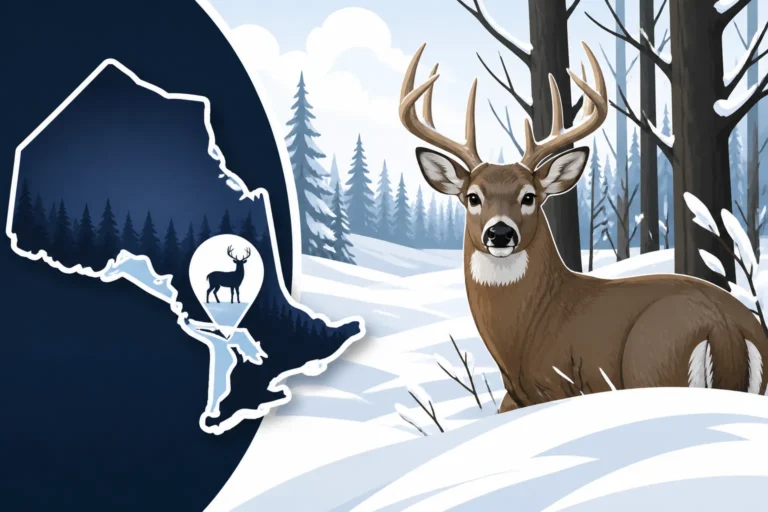
Trying to fill a deer tag in Ontario can feel like you're playing a frustrating game of hide-and-seek, especially when those whitetails seem to melt into the landscape the moment you step foot in their territory. Solo still-hunting or waiting patiently on a stand isn't always feasible or effective, particularly in heavy cover or on smaller parcels. This guide is all about how to effectively organize and execute a deer drive with just three or four hunters, turning those elusive Ontario whitetails into a real opportunity.
Why Small-Group Deer Drives Work in Ontario
Let's face it, hunting smart, mature whitetails, especially in some of Ontario's denser bush or smaller woodlots, can be downright exasperating. You spend hours scouting, find all the sign you could ever wish for – rubs, scrapes, fresh tracks – but when opening day arrives, the deer are nowhere to be seen. They’re masters of evasion, and sometimes, a fresh approach is exactly what you need. Small-group deer drives offer a highly effective, controllable, and often exhilarating way to get those deer moving and present shot opportunities that might otherwise never materialize.
The Limitations of Solo or Large-Group Hunts
When you're out there on your own, still-hunting through the timber, you're relying entirely on your own stealth and the deer making a mistake. In really thick cover, where visibility is measured in yards, it’s incredibly difficult to move silently enough to surprise a deer, and they often slip away long before you even know they're there. Stand hunting is fantastic, don't get me wrong, but it requires patience, the right wind, and the deer to follow their script, not yours. If you've only got a few hours or the deer are locked down in a bedding area, a stand can feel like a lonely vigil with little to show for it.
On the flip side, some hunters try large-scale drives with a dozen or more people. While these can work on massive properties, they often devolve into chaos, with too much noise, confused deer, and, most importantly, serious safety concerns. It's tough to manage that many people, ensure safe shooting lanes, and keep everyone on the same page. Especially on smaller, more fragmented pieces of private land or compact blocks of Crown land that are common in many parts of Ontario, a big, noisy mob of hunters is more likely to scatter deer far and wide, or simply push them out of the area entirely, without anyone getting a shot. The frustration of seeing all that deer sign – knowing they’re there – but never laying eyes on one is a common lament, and sometimes, traditional methods just don't cut it.
Ideal Scenarios for Three or Four Hunters
This is where the beauty of a tight-knit, three or four-person deer drive truly shines. You're not trying to push an entire county; you're focusing on smaller, more manageable pockets of cover where deer are likely bedding or moving through. Think about those awkward, overlooked spots: a dense cedar swamp tucked between two fields, a narrow strip of mixed forest along a river bottom, a fencerow that provides crucial bedding cover, or a small, isolated bush lot on private property. Even smaller chunks of Crown land, perhaps bordered by a logging road or a river, are perfect for this approach.
These smaller coverts are often too small for a large drive but too dense for effective stand hunting, especially if the wind isn't cooperating. A small drive allows you to methodically work these areas, pushing deer out of their comfort zones and towards strategically placed standers. It's incredibly efficient because you can quickly move from one small thicket to the next, covering ground that would take hours to still-hunt. This method is particularly potent during the late season when deer are yarded up in thermal cover like thick cedars, or after a fresh snowfall reveals exactly where they’re hunkered down. Imagine a scenario where you've been Reading Whitetail Sign in Ontario Hardwoods and identified a specific, brushy draw where deer are clearly holding up. A small drive can be the perfect way to dislodge them. Tools like GoHunt can be invaluable here, allowing you to identify these smaller, more manageable parcels of private or Crown land with specific terrain features that lend themselves perfectly to a small, coordinated push.
Planning Your Small-Group Deer Drive
The success of any deer drive, especially with a smaller group, hinges entirely on meticulous planning. It's not about randomly stomping through the woods; it's a strategic chess match against some of the wariest animals in the Ontario wilderness. Every hunter needs to understand their role, the terrain, and the overall objective before a single boot hits the ground.
Scouting and Setting Up the Drive
Before you even think about putting on a drive, you absolutely must scout the area thoroughly. This isn't just a suggestion; it's non-negotiable. Look for fresh deer sign: recent tracks, droppings, browse lines, and active rubs or scrapes. Pay close attention to the terrain. Where are the natural escape routes? Are there thick draws, creek beds, or old logging roads that deer typically follow when pressured? What about natural funnels – narrow strips of cover, pinch points between fields, or changes in elevation that will naturally direct deer movement? The wind direction on the day of the hunt is also paramount. You generally want to drive with the wind in the drivers' faces, pushing deer downwind towards the standers, who will ideally be positioned to have the wind blowing towards them from the direction the deer are expected to come. This way, the deer are less likely to scent the standers until it’s too late.
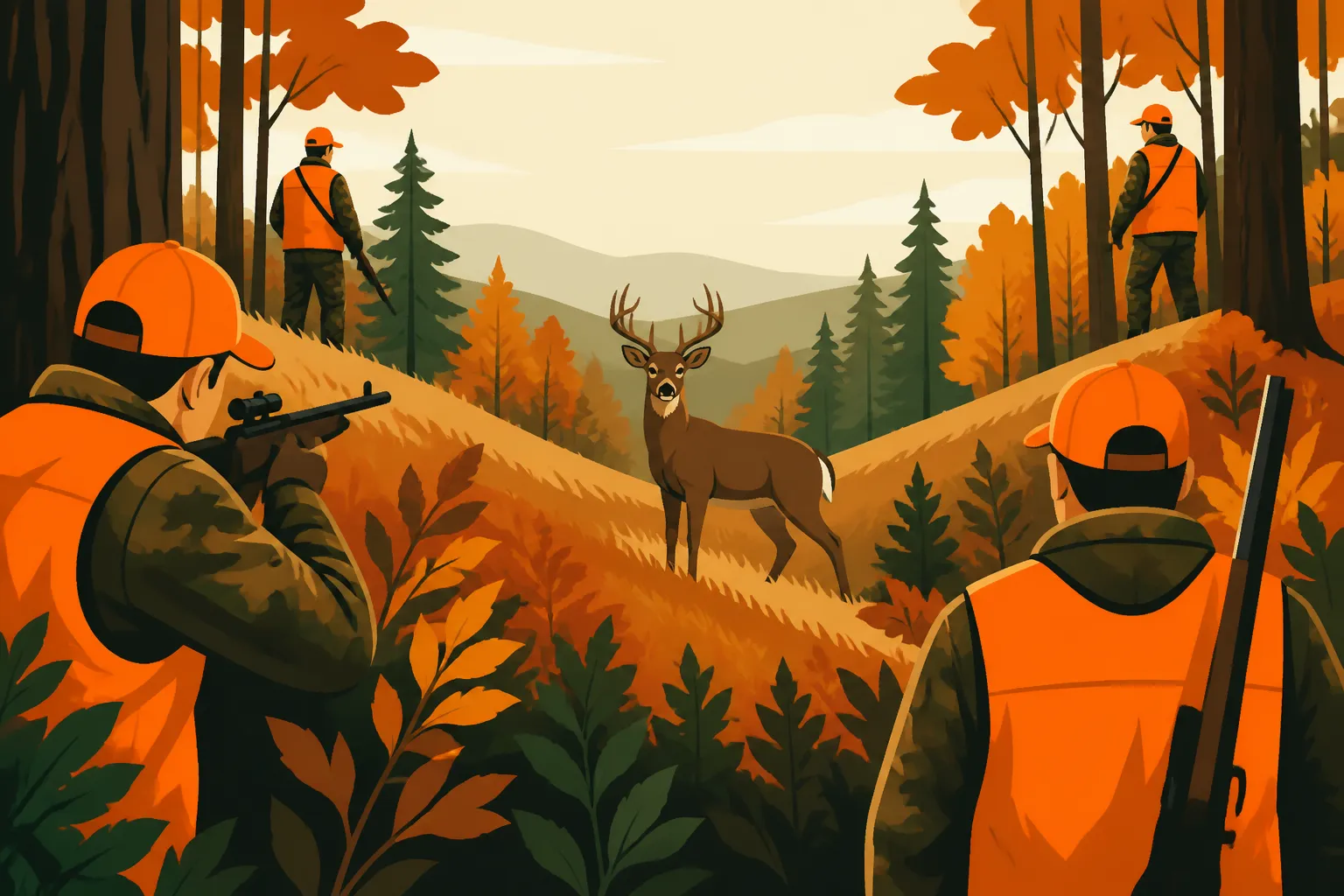
Once you have a clear picture of the terrain and deer movement, you can assign roles. Typically, with three or four hunters, you'll have one or two drivers and two or three blockers (also known as standers). The blockers need to be placed strategically, usually downwind of the expected deer path, covering those escape routes and funnels. It’s critical to choose spots with good visibility, safe shooting lanes, and a solid backstop behind your target zone. You want to avoid any possibility of shooting towards another hunter or into an unsafe area. Using advanced mapping tools, such as those found on GoHunt, can be a game-changer for this planning phase. You can mark everyone's positions, identify escape routes, measure distances, and visualize the drive path, all before you even step into the woods. This detailed digital reconnaissance can save valuable time and significantly improve safety and success.
The Role of Each Hunter
Clarity on roles is key. Everyone needs to know their job, and equally important, everyone needs to understand what not to do.
The Drivers
If you have two drivers in a four-person group, their role is to move through the pre-determined block of cover, gently or aggressively (depending on the strategy) pushing deer out. Their spacing is important; they should be close enough to cover the breadth of the drive block effectively but spread out enough not to miss deer trying to slip back between them. The pace is critical. A slow, deliberate push, with drivers moving quietly, is often best for smaller, thicker areas, trying to ease deer past the standers without spooking them into a dead run. This allows deer to often walk or trot out, offering easier shots. A faster, noisier push might be employed in larger, more open timber to get deer moving quickly. Crucially, drivers need to maintain awareness of each other's positions and communicate, often using two-way radios, to ensure they're moving in a coordinated fashion and not pushing deer in an unintended direction. Remembering the blaze orange requirements for How Much Blaze Orange Ontario Requires is non-negotiable for all hunters, especially drivers who are actively moving.
The Blockers/Standers
The blockers' job is arguably the most demanding, requiring immense patience and stillness. Once positioned, they must remain absolutely motionless and silent, scanning their assigned shooting lanes constantly. Deer will often try to sneak past a stander, using every bit of cover available. The stander must be aware of their surroundings, identifying potential approach lanes and being ready to react quickly but calmly when a deer appears. Choosing vantage points that offer good visibility without exposing the hunter too much is vital. It could be a solid tree, a natural rise, or even a small ground blind setup. Understanding how deer might react to pressure is important – they often try to circle back, or skirt the edges of the drive, so standers need to anticipate these movements. The moment a shot is taken, or a deer is seen, clear communication with the rest of the group is paramount. This ensures everyone knows what's happening and can adjust if needed. Sometimes, standers might even have to remain still for a long time, mirroring the experience of Sitting All Day in an Ontario Blind but with the added anticipation of a deer potentially being pushed directly to them.
Executing the Drive: Tactics and Considerations
Now that you've got your plan and your team, it's time to put it all into action. But even with the best planning, deer are unpredictable, and you need to be ready to adapt. Knowing a few different drive strategies can give you the edge you need in various Ontario hunting scenarios.
Different Drive Strategies for Small Groups
The beauty of a small group is its agility. You can switch tactics on the fly and tailor your approach to the specific piece of cover and the deer's behavior.
The "Slow Push"
This is a classic for a reason, especially effective in dense cover like a Hunting a Cedar Swamp Edge or a thick pine plantation. One or two drivers move incredibly slowly, almost still-hunting themselves, trying to ease deer forward without panicking them. The goal isn't to blast through the bush, but to subtly nudge deer out of their beds and encourage them to walk or trot past the waiting standers. Drivers might stop every few minutes, listening intently, letting the deer get a little ahead before resuming their deliberate movement. This often results in deer exhibiting more natural movement patterns, offering standers better opportunities for a calm, well-placed shot. This method requires a lot of discipline from the drivers to maintain a slow, steady pace and avoid making unnecessary noise.
The "Corner Drive"
This strategy works wonders when you have a block of cover bordered by natural barriers on two or three sides, like a field, a road, or a steep embankment. You position your standers along the open "corner" or exit point. Drivers then work their way from the wider end of the cover, pushing deer towards the standers, effectively squeezing them into the corner. This can be incredibly effective in smaller woodlots where deer feel safe until the pressure mounts. It forces deer to make a decision quickly, and often, their preferred escape route is right where your standers are. It's crucial here for drivers to maintain a straight line and not let deer slip past them laterally. This can be an excellent tactic when you're Hunting an Ontario Bush Edge that borders open fields.
The "Funnel Drive"
Ontario's landscape is full of natural funnels: narrow strips of bush between two fields, a beaver pond crossing, a saddle in a ridge, or a specific creek bottom that deer love to follow. This drive leverages those natural pinch points. Drivers push a larger block of cover, but the standers are concentrated at the narrowest point of the funnel. The terrain does most of the work for you, naturally directing the deer to a specific area. This requires excellent scouting to identify these funnels and precise stander placement. An example might be Hunting a Beaver Meadow Crossing where deer are naturally inclined to cross at a particular spot.
The "Bump and Sit"
This is a less common but highly effective tactic for very wary deer. The drivers make a quick, relatively noisy push through a known bedding area. The idea is to quickly jump the deer. Instead of continuing the drive, the drivers then immediately sit down in a pre-scouted spot with good visibility (perhaps a quick, impromptu stand or ground hide). Wary deer, once bumped, often don't run far. Instead, they circle back to their original bedding area or move just a short distance before stopping to assess the situation. If the drivers sit down quickly and remain motionless, they often catch deer circling back within minutes, thinking the danger has passed. This requires quick thinking and a lot of stillness from the "bumpers" once they sit. This can be especially good when Hunting a Hardwood Ridge for Whitetails where deer might just go over the crest and stop.
Overcoming Challenges and Maximizing Success
Even with the best plan, deer drives rarely go exactly as rehearsed. Deer are intelligent, and they will try to outsmart you.
Deer Circling Back: This is probably the most common challenge. Deer, especially mature does and bucks, will often try to circle around the drivers and go back into the cover they just came from. To combat this, drivers need to maintain awareness of their flanks and occasionally pause, listening for movement behind them. Sometimes, a driver might have to stop and quietly position themselves on a game trail for a few minutes, acting as a temporary blocker, while the other driver continues the push. In some cases, a well-placed, very quiet stander slightly behind and to the side of the main drive line can intercept these circling deer.
Wind Shifts: Ontario weather can be fickle. A strong wind that was perfect for your drive can shift unexpectedly. If the wind changes significantly, it might blow the scent of the standers directly into the deer's path. You need to be able to adapt. This might mean quickly repositioning a stander if possible, or even aborting the drive and trying a different section of cover where the new wind direction is more favourable. Constant monitoring of weather apps is a good practice.
Noise Management: There's a fine line between enough noise to move deer and too much noise that sends them into an uncontrolled panic. For a slow push, drivers might only use subtle noises, like snapping a twig or scuffing their boots, along with their natural movement. For a faster drive, more vocalizations or louder steps might be used. The key is consistency and avoiding sudden, jarring noises that will make deer bolt wildly, potentially running past standers too quickly for a safe shot or out of the drive area entirely.
Post-Shot Procedures: Once a shot is fired, communication is critical. The shooter must immediately inform the rest of the group. If the deer is down, great. If not, everyone needs to stay put and silent for a period, allowing the deer to bed down. Then, a coordinated tracking effort can begin. Never rush into a tracking job. Give the deer time. Knowing proper Field Dressing in Warm Ontario Weather is also essential, even if you’re hunting in cooler temperatures, to ensure the meat is handled properly. Also, always remember to notch your tag immediately and securely attach it, as per Ontario regulations for Ontario Tag Notching and Attachment Rules.
Deer drives, especially with a small, coordinated group, are an exciting and effective method for hunting whitetails in Ontario. They allow you to cover ground efficiently, exploit specific terrain features, and actively engage with the deer on their terms, increasing your chances of success during Hunting Ontario's November Gun Season or other active seasons.
| Role | Primary Goal | Key Actions | Common Challenges & Tips |
|---|---|---|---|
| Driver | Move deer out of cover towards standers | Walk predetermined path, maintain spacing, control pace, communicate | Too fast/noisy: Deer blow out, miss standers. Too slow/quiet: Deer slip back. Tip: Vary pace, listen for movement, adapt to cover density. |
| Stander | Remain still, cover escape routes, take ethical shot | Position silently, scan shooting lanes, stay alert, avoid sudden movements | Deer circle back: Missed opportunities. Deer spot you: Freeze. Tip: Pick good cover, focus on natural funnels, remain absolutely motionless until deer commit. |
| Both | Safety, Communication, Execution | Wear blaze orange, use radios, understand boundaries, know each other's positions | Safety breaches: Shooting towards hunters, unsafe shots. Tip: Clear communication before & during, strict adherence to shot zones, confirm every hunter's location. |
Disclaimer
Hunting is an activity that carries inherent risks. This guide provides information for educational purposes only and is not a substitute for proper hunter education, adherence to all local hunting regulations, and common sense safety practices. Always prioritize safety, know your target and what is beyond it, and hunt responsibly. Check current Ontario hunting regulations before heading afield, as rules and seasons can change.