Hunting Moose on an Ontario Logging Road
The vastness of Ontario's northern bush can feel overwhelming when you're chasing moose, and the maze of old logging roads often presents more questions than answers. It’s tough to know which roads are worth your time, where a moose might actually be, and how to safely and effectively hunt this challenging terrain. This guide is dedicated to breaking down the complexities of hunting moose on Ontario's logging roads, offering practical strategies to help you navigate these unique hunting grounds and increase your chances of success.
Understanding Ontario's Logging Road Network for Moose Hunting
Logging roads are the arteries of Ontario's vast northern forests, carving through dense bush and often leading to prime moose habitat. However, not all roads are created equal, and understanding their function and current status is crucial for a productive hunt. Many hunters feel a sense of both excitement and intimidation when faced with these extensive road systems, wondering where to even begin.
The Allure and Challenge of Road Hunting Moose
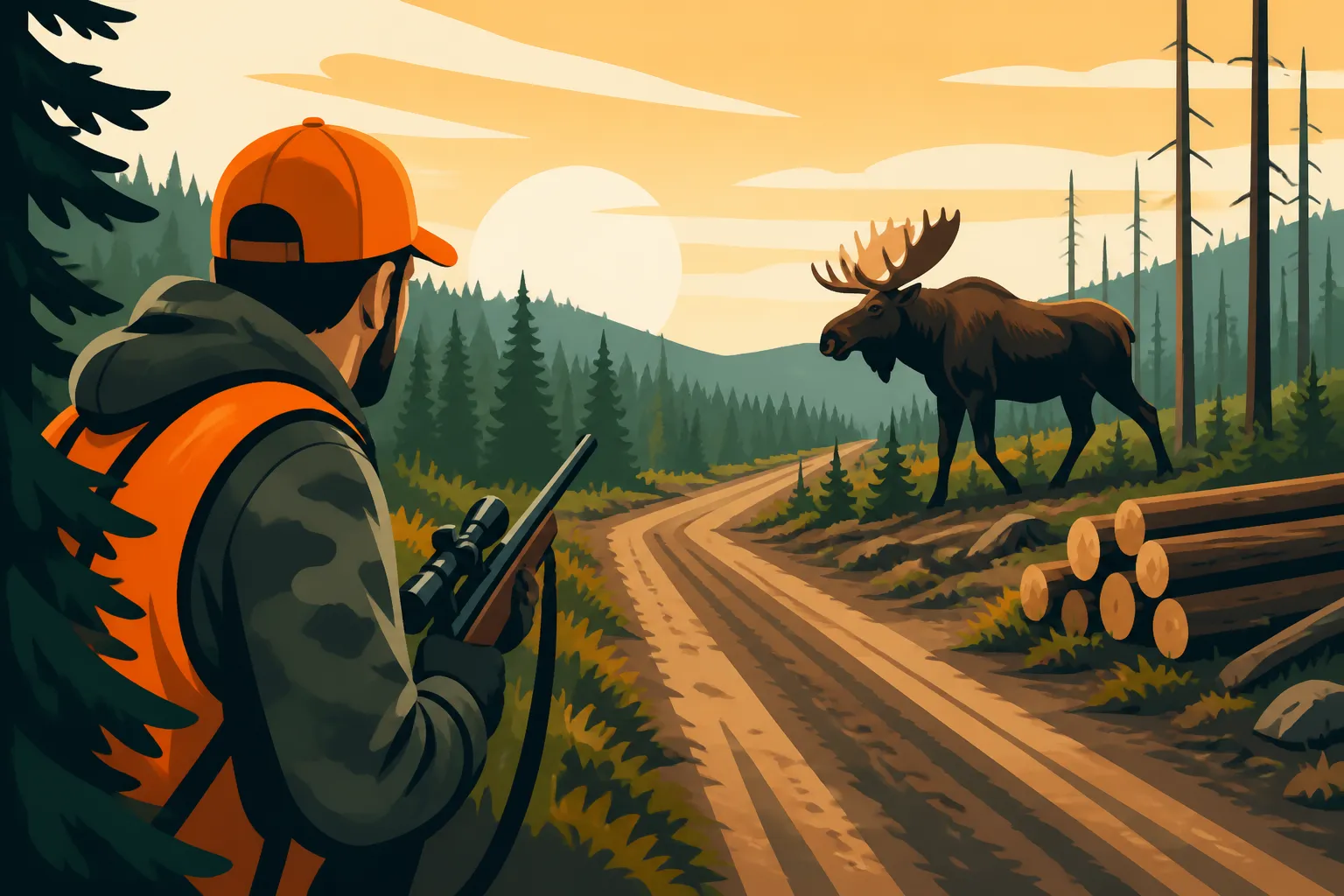
There's a reason why logging roads are a magnet for moose hunters: they offer access to remote areas that would otherwise be impenetrable. Moose, being creatures of edge habitat, frequently use these clearings and corridors for travel, browsing, and even escape routes. The open lines of sight can make spotting moose easier, especially during early morning and late evening when they are most active. Imagine driving down a quiet stretch of gravel, the boreal forest towering on either side, and suddenly seeing a massive bull step out to browse on willows. It’s a classic northern hunting scenario that fuels many dreams.
However, the "road hunting" moniker can be misleading. It’s not about driving aimlessly and hoping for a shot. It's about strategic use of access, understanding moose behaviour, and employing effective hunting techniques. The sheer mileage of these roads can be daunting, leading to wasted time if you don't know how to differentiate productive areas from barren ones. Furthermore, the presence of other hunters, logging operations, and the inherent challenges of deep woods hunting all contribute to the complexity. It demands patience, good observation skills, and a solid understanding of the terrain.
Identifying Active vs. Deactivated Roads
Not all logging roads are the same. Some are active, regularly used by heavy machinery for ongoing forestry operations, while others are deactivated, slowly reclaiming their wild state. Knowing the difference is paramount for both safety and hunting success. Active roads, while offering easy access, can be dangerous due to industrial traffic and might be less appealing to moose during peak operational hours. You'll often see freshly graded surfaces, new culverts, and signage indicating active work zones. Hunting close to these operations requires extreme caution and awareness.
Deactivated roads, on the other hand, are often overgrown with young poplars, willows, and other browse species that moose absolutely love. They might be impassable by vehicle due to washouts, fallen trees, or thick regrowth, requiring foot or ATV travel. These are often the true gems for moose hunting. They provide excellent cover, abundant food, and far less human disturbance. Many of these roads eventually lead to beaver ponds or old cut blocks, creating fantastic hunting opportunities. Using detailed maps, including those from services like GoHunt, to identify and differentiate these road types is incredibly helpful. Look for contours indicating old roadbeds, even if they are no longer visible from the ground.
Navigating Access and Regulations
Before you even hit the gravel, it’s critical to understand who owns the land and what the access rules are. Most logging roads traverse Crown Land in Ontario, which is generally open to hunting. However, some areas might be within private land, particularly closer to settled areas or around specific industrial operations. Always check your maps for land ownership designations. Additionally, some logging companies have their own access rules or may temporarily close roads due to active operations or extreme weather like heavy rain that makes roads impassable.
Familiarize yourself with the specific regulations for your Wildlife Management Unit (WMU). The official Ontario Hunting Regulations Summary is your bible, detailing everything from season dates to legal hunting methods. Pay close attention to rules regarding ATV Rules on Ontario Crown Land if you plan to use an off-road vehicle for access, as there are strict guidelines. Also, be aware of any restrictions on how close you can hunt to roads, especially paved or well-travelled public roads. Respecting these rules isn't just about avoiding fines; it's about ensuring a safe and responsible hunting experience for everyone sharing the wilderness. It's always a good idea to notify local authorities or logging companies of your presence if you're venturing into active logging areas, just for safety's sake.
Here's a quick comparison of logging road types:
| Feature | Active Logging Roads | Deactivated Logging Roads |
|---|---|---|
| Usage | Regular heavy vehicle traffic (trucks, graders) | Minimal to no vehicle traffic, may be impassable by truck |
| Appearance | Well-maintained, graded, recent culverts, industrial signs | Overgrown, washouts, fallen trees, new growth (poplar, willow) |
| Moose Appeal | Lower during operational hours, higher at dawn/dusk | High, especially with abundant browse and less disturbance |
| Access | Generally good for vehicles, but watch for active work | May require ATV, hiking, or canoe for deeper access |
| Safety | Be aware of heavy machinery, industrial traffic | Fewer industrial hazards, but more remote; travel preparedness is key |
| Scouting | Look for fresh tracks after operations cease | Focus on browse, rub lines, trails, and water sources |
Scouting Logging Roads for Moose Sign
Success on logging roads isn't about covering endless miles; it's about knowing where to look. Just like a detective reads clues, a savvy moose hunter learns to interpret the subtle signs that indicate moose presence and predict their movements along these forest corridors. The sheer scale of the landscape can be intimidating, but with focused scouting, you can narrow down your search.
Key Indicators of Moose Presence
Moose are creatures of habit, and they leave a trail of breadcrumbs for those who know how to read them. When scouting logging roads, look for:
- Tracks: Fresh tracks in mud, dust, or snow are the most obvious sign. Pay attention to size (bulls have larger, more splayed hooves) and direction of travel. Look for signs of multiple animals, indicating a cow with a calf, or perhaps a bull trailing a cow during the rut. Where logging roads intersect with smaller game trails or lead to water sources, tracks are often concentrated.
- Droppings: Moose droppings, typically large pellets or a "cow pie" consistency depending on diet, are another clear indicator. Fresh droppings tell you moose are currently in the area. Look for them along the road edge, in clearings, or near prime browse.
- Browsing: Moose are voracious eaters. They strip bark from trees, especially aspens and willows, and break off tips of shrubs and saplings. Look for browse lines 6 to 8 feet high. Freshly browsed vegetation means a moose has been feeding recently. Focus on areas where roads cut through dense stands of young deciduous trees.
- Rub Lines: During the rut, bull moose will rub their antlers on small trees and shrubs to mark their territory and shed velvet. These rubs are a powerful sign of a dominant bull's presence and often indicate a travel corridor or bedding area nearby. Look for them along the edges of roads or where roads enter denser bush.
- Wallows: Bulls will dig shallow depressions in wet ground and urinate in them during the rut, creating a "wallow" to attract cows. The pungent smell is unmistakable and a strong indicator of a rutting bull in the vicinity.
When you find these signs, don't just note them; try to piece together the story they tell. Are they fresh? Are there multiple signs suggesting sustained activity? Are they leading towards a specific type of cover or food source? This detective work is what turns a logging road from a simple path into a mapped out hunting opportunity.
Seasonal Movements and Road Usage
Moose movements along logging roads are heavily influenced by the season and available resources.
- Early Season (September/Early October): In the warmer early weeks, moose tend to be more nocturnal or crepuscular, using the roads primarily during cooler dawn and dusk hours. They'll often feed on succulent aquatic vegetation in ponds or lakes, retreating to dense cover during the heat of the day. Look for roads that provide quick access to water or dense conifer stands for thermal regulation. These roads also provide convenient routes for moose moving between feeding grounds and bedding areas.
- Rut (Late September/October): This is when moose activity on and near roads can peak. Bulls are actively searching for cows, and both sexes are more mobile. Rutting moose might be less cautious, especially in thick fog or rain. This is a prime time for Calling Moose in Ontario's Boreal Forest. Look for wallows and rub lines, and listen for grunts and raking sounds. Roads that cut through mixed forest or along the edges of swamps can be highly productive.
- Late Season (November/December): As temperatures drop and snow begins to accumulate, moose focus heavily on high-energy browse like balsam fir and willow. They might also begin to "yard up" in dense stands of conifers for shelter from deep snow and cold. Roads that lead into these conifer blocks or that offer access to high-quality browse areas become crucial travel routes. Understanding Where Ontario Whitetails Yard in Deep Snow can offer parallels to moose behaviour in similar conditions, though moose tend to use larger, denser stands.
Remember, moose are adaptable, and their movements will always be dictated by food availability, safety, and reproductive needs. A good hunter observes, learns, and adjusts their strategy accordingly.
Utilizing Mapping Tools and Local Knowledge
Modern technology has revolutionized how we approach scouting logging roads. Digital mapping apps, especially those with satellite imagery and public land overlays, are indispensable. Services like GoHunt allow you to:
- Identify Road Networks: See the full extent of active and deactivated logging roads, even those that might be barely visible on the ground.
- Analyze Terrain: Look for changes in elevation, water features (creeks, ponds, beaver dams), and vegetation types that indicate prime moose habitat. Scouting With Satellite Imagery in Ontario can reveal hidden clearings, thickets, and travel corridors that moose frequent.
- Mark Waypoints: Save locations where you find sign, such as tracks, rubs, or potential stand sites. This helps build a "moose map" over time.
- Track Your Movement: Ensure you always know where you are, especially when venturing deep into remote areas where cellular service is spotty or non-existent.
Beyond technology, local knowledge is golden. Talk to local trappers, logging contractors, and other hunters. They often have invaluable insights into moose patterns in specific areas, knowing which roads are consistently used and which areas hold pockets of moose. Foresters can often provide maps of recent cut blocks or planned operations, which are future moose magnets. Combining digital scouting with boots-on-the-ground reconnaissance and the wisdom of local experts gives you a significant edge.
Effective Hunting Techniques on Logging Roads
Hunting moose on logging roads isn't just about driving; it's about strategy, patience, and adapting your approach to the terrain and moose behaviour. It's a blend of active searching and passive waiting, all designed to put you in the right place at the right time.
The Art of Still Hunting and Glassing
Many hunters mistakenly believe "road hunting" is merely driving around. True success often comes from abandoning the vehicle and integrating still hunting and glassing into your approach.
- Still Hunting: This involves moving slowly and deliberately along deactivated roads or the edges of active ones, taking a few steps, then pausing to observe and listen. Moose have incredible hearing and a keen sense of smell, so every step must be mindful. Use the natural contours of the land and any available cover to break up your silhouette. Focus your attention 50-100 yards into the bush, as moose often parallel roads just inside the timber. This method is particularly effective when Hunting Ontario's Mixed Hardwood Bush that borders a road, as moose frequently move through these transition zones.
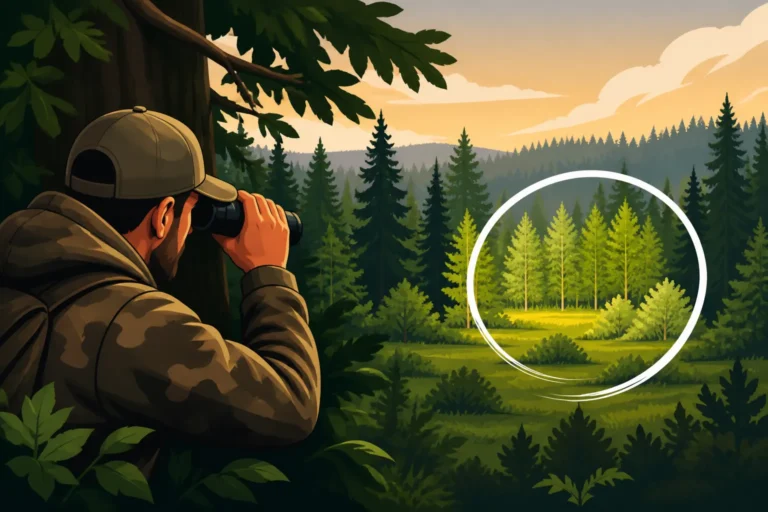
- Glassing: Open areas created by logging operations or natural clearings along roads are perfect for glassing. Position yourself with a good vantage point, ideally elevated, and spend significant time scanning the edges of cuts, distant clearings, or where roads disappear into denser bush. High-quality binoculars (10×42 or 12×50) or a spotting scope are essential here. Moose are huge, but they can blend surprisingly well into the background. Look for horizontal lines (their back) in a vertical world, or a patch of dark hide against lighter vegetation. Early mornings and late evenings are prime times, as moose often venture out of thick cover to feed. Glassing a Cut for Ontario Moose can reveal animals you would otherwise walk right past. Don't just scan; mentally "grid" the area, taking your time to scrutinize every detail.
Combining these two methods, moving quietly, stopping frequently to glass, and letting your eyes and ears do most of the work, will drastically improve your chances compared to just driving by.
Strategic Calling Along Roadways
The rut is prime time for calling, and logging roads offer excellent platforms for this vocal strategy. The natural clearings and long sightlines of logging roads can allow your calls to carry further, and moose often use these corridors as travel routes when seeking out potential mates.
- Cow Calls: A soft, pleading cow call can attract a bull looking for a mate. Use a variety of calls, from quiet moans to louder, more insistent calls, adjusting to the conditions and the perceived distance of the moose.
- Bull Grunts: If you hear a bull grunt or suspect one is in the area, mimicking his territorial call can sometimes draw him in, especially if he thinks a rival bull is encroaching.
- Raking: Simulating a bull raking his antlers on a tree branch, using a bone or a stick, adds realism to your calling sequence. This visual and auditory cue can be a powerful attractant.
When calling, position yourself carefully. Always have a good backdrop to conceal your silhouette and a clear shooting lane. Call for a few minutes, then wait patiently – sometimes for 15-20 minutes – as a curious bull might take his time approaching. Be prepared for a moose to appear silently and unexpectedly. This technique works wonders when you're specifically targeting Calling Moose in Ontario's Boreal Forest. Pay attention to wind direction; you want your scent to blow away from where you expect the moose to approach. Services like GoHunt might even offer information on historical rutting activity in certain WMUs, helping you time your calling efforts perfectly.
Setting Up Ambushes and Stands
Logging roads, especially deactivated ones, naturally create pinch points and travel corridors that are ideal for ambushing moose. Moose often stick to the path of least resistance, making these old roadbeds predictable routes.
- Identifying Pinch Points: Look for areas where the road narrows, where dense cover forces moose into a specific path, or where the road crosses a creek or beaver dam. These are natural funnels where a moose is likely to pass.
- Ground Blinds: Utilizing natural cover like fallen trees, dense brush, or rock formations to create a makeshift ground blind can be highly effective. The key is to break up your outline and remain motionless. Choose a spot that offers a clear view of the road and a good shooting lane, while still allowing you to remain concealed.
- Treestands: While less common for moose due to their large size and often thick cover, a sturdy treestand can offer an elevated vantage point in areas with suitable trees. Place it overlooking a well-used moose trail that parallels or crosses a logging road. Remember to check local regulations regarding Treestand Rules on Ontario Crown Land if hunting public land.
The beauty of an ambush is that it plays on the moose's predictable nature. Find where they travel, set up patiently, and let them come to you. This method is particularly useful when you've identified a heavily used corridor through your scouting efforts.
Safety and Ethics When Hunting Logging Roads
Hunting on Ontario's logging roads comes with its own set of challenges and responsibilities. The remote nature of these areas, combined with the potential for industrial activity and interactions with other users, means safety and ethical conduct must always be paramount. A truly successful hunt is a safe and responsible one.
Vehicle Safety and Communication
When you're driving hundreds of kilometers on gravel and dirt, vehicle preparedness is non-negotiable.
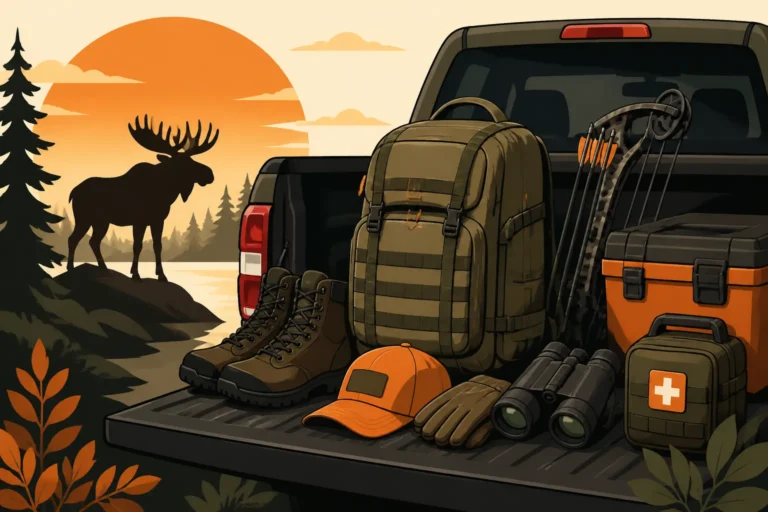
- Mechanical Preparedness: Ensure your vehicle is in top condition. Carry spare tires, a jack, basic tools, extra fuel, and fluids. A flat tire on a remote logging road miles from cell service can quickly turn into a serious situation. A comprehensive Truck Kit for a Northern Ontario Hunt should be standard issue.
- Navigation: While GoHunt and other digital maps are fantastic, always carry a physical map and compass as a backup. GPS devices are great, but batteries die. Knowing What to Do If You Get Turned Around in the bush is a critical skill for any northern hunter.
- Communication: Cell service is often non-existent on remote logging roads. Consider investing in a satellite messenger device (like an InReach or Spot) or a satellite phone for emergency communication. Let someone know your detailed itinerary, including which roads you plan to travel and your expected return time.
- Driving Etiquette: Be mindful of logging trucks and other industrial traffic. These vehicles are large, fast, and often have the right-of-way. Drive defensively, keep your headlights on, and pull over safely to let them pass. Their schedules often begin early, so expect traffic even before dawn.
Respecting Other Users and Property
Logging roads are not exclusive to hunters. They are used by anglers, campers, trappers, hikers, and active logging operations.
- Share the Road: Be courteous and respectful of all other users. Slow down when passing pedestrians, cyclists, or other vehicles. A simple wave goes a long way.
- Private Property: While many logging roads are on Crown Land, some may border or even pass through private property. Always respect "No Trespassing" signs. Never assume access without explicit permission. If you're Hunting a Bush Lot Beside a Farm, clarity on boundaries is essential.
- Leave No Trace: Pack out everything you pack in, and then some. Leave your campsites and hunting areas cleaner than you found them. This ensures continued access and maintains the pristine nature of Ontario's wilderness. Even something as simple as spent casings should be collected.
- Fire Safety: Forest fires are a serious concern in Ontario. Be extremely careful with campfires or any open flames, especially during dry conditions. Always check for fire bans before heading out.
Field Dressing and Game Retrieval Considerations
Successfully harvesting a moose on a logging road is only half the battle; getting it out and properly cared for is the other. Moose are massive animals, and their size presents significant challenges.
- Field Dressing: Efficient and quick field dressing is crucial to cool the meat, especially in warmer early season conditions. Know how to Quartering a Moose Alone in the Bush if necessary, as you may be some distance from your vehicle. Consider the logistics of dragging or quartering before you shoot.
- Retrieval: A moose can weigh over 1,000 pounds. Getting it to the road, let alone into a truck, requires serious effort. Come prepared with a game cart, block and tackle, or even a small ATV-mounted winch. If hunting with a group, coordinate your efforts. Getting a Moose Out by Canoe might be an option if you're near water, but often, it's a monumental task requiring brute strength and clever planning.
- Meat Care: Once retrieved, ensure proper meat care. Hang the quarters in a cool, shaded place, ideally in game bags, to allow for air circulation and cooling. Early season hunts particularly necessitate careful attention to Meat Care in Ontario's Warm Early Seasons to prevent spoilage. Have a plan for professional processing or home butchering.
These considerations underscore the importance of planning for the entire hunt, not just the shot.
Gear and Equipment for Logging Road Moose Hunts
Having the right gear is crucial for comfort, safety, and success on a logging road moose hunt. The unpredictable nature of the northern Ontario wilderness demands preparedness, and your equipment can often make the difference between a memorable trip and a miserable one.
Essential Optics and Firearms
Your ability to see game and make an ethical shot is paramount.
- Optics: As mentioned earlier, high-quality binoculars are non-negotiable for glassing vast clearings and dense bush edges. A 10×42 or 12×50 power is generally ideal, offering a balance of magnification and field of view. A spotting scope might be overkill unless you're truly glassing extremely distant cuts.
- Rangefinder: A good rangefinder is critical for ethical shot placement, especially in terrain where judging distance can be tricky due to lack of familiar reference points. Knowing the exact distance to your target ensures you're confident in your shot.
- Firearms: Moose are large, tough animals, requiring a powerful rifle cartridge. Common choices for moose in Ontario include .30-06 Springfield, .300 Winchester Magnum, .338 Winchester Magnum, or even larger calibers like .375 H&H. Ensure your rifle is zeroed and you are proficient with it, practicing regularly at various distances. Check the Legal Firearms and Bows for Big Game regulations for your WMU.
- Ammunition: Use premium, heavy-for-caliber bullets designed for large game, such as bonded or monolithic bullets, to ensure deep penetration and reliable expansion. Carry enough ammunition for your hunt, plus extra for unforeseen circumstances.
Choosing the right tools for the job and being intimately familiar with them instills confidence, which is vital when a bull moose steps out.
Navigational Aids and Communication Devices
Getting lost in the vastness of northern Ontario is a real possibility, and often happens quietly and unexpectedly.
- GPS Device/Mapping App: A dedicated handheld GPS unit or a reliable smartphone app like GoHunt with downloaded offline maps is essential. These can show you your current position, track your movements, and guide you back to your vehicle or camp. Ensure devices are fully charged and carry portable power banks.
- Physical Map and Compass: Technology can fail. Always carry a laminated physical map of your WMU and a compass. More importantly, know how to use them. Even a basic understanding of map reading and compass navigation can save your life. For detailed information, consult our guide on Reading an Ontario WMU Map Before You Go.
- Satellite Messenger/Phone: As cellular service is rare on remote logging roads, a satellite messenger (e.g., Garmin inReach, Zoleo) is highly recommended for emergency communication and checking in with loved ones. A satellite phone is another option for voice communication.
- Whistle: A simple, loud whistle can be used to signal your location to hunting partners or rescuers if you get disoriented. Three short blasts is a universal distress signal.
These items are not luxuries; they are fundamental safety tools when venturing into remote Ontario bush.
Clothing and Footwear for Varying Conditions
Ontario weather can be notoriously unpredictable, especially during the fall hunting seasons. Layering is key.
- Layering System: Start with a moisture-wicking base layer, add insulating mid-layers (fleece or synthetic down), and top it with a waterproof and windproof outer shell. This allows you to add or remove layers to adapt to temperature swings, from frosty mornings to mild afternoons.
- Blaze Orange: Ontario law requires hunters to wear a minimum amount of blaze orange during specific seasons. This is crucial for visibility and safety, especially when sharing the woods with other hunters or industrial traffic. Know How Much Blaze Orange Ontario Requires and exceed it if you can.
- Footwear: Sturdy, waterproof, and comfortable hunting boots are paramount. You'll be doing a lot of walking, often through wet, uneven terrain, mud, and possibly snow. Ensure your boots are well broken in and suitable for the expected conditions. Gaiters can be invaluable for keeping water and debris out of your boots, particularly when hunting in marshy areas or through thick underbrush.
- Gloves and Headwear: Always carry warm gloves and a hat, even if the forecast seems mild. A significant amount of body heat is lost through the head and extremities. A warm hat, especially a blaze orange one, is vital.
Being prepared for anything Mother Nature throws your way ensures you can stay focused on the hunt, not on discomfort or hypothermia.
Disclaimer
Please be aware that hunting regulations and conditions can change. Always consult the most current Ontario Hunting Regulations Summary published by the Ministry of Natural Resources and Forestry (MNRF) before planning and undertaking any hunting activity. This guide is for informational purposes only and does not supersede official government regulations. Safety in the field is your responsibility.