Asking an Ontario Outfitter for References
Booking an Ontario hunting trip can feel like a huge leap of faith. You're often sending a hefty deposit to someone you've only conversed with over the phone or email, hoping that the pictures on their website accurately reflect the reality of camp life, the quality of the hunting, and the professionalism of the guides. It's a significant investment of time, money, and emotional energy, and the last thing anyone wants is to arrive at camp only to find that things are not as advertised. That's why asking for references isn't just a good idea, it's an absolutely essential step to ensure your dream Ontario hunt doesn't turn into a nightmare. This guide will walk you through exactly how to approach this critical part of your pre-hunt planning.
Why Asking for References is Non-Negotiable
Let's be honest, anyone can build a beautiful website with stunning photos of trophy animals and smiling hunters. In today's digital age, it's easier than ever for an outfitter to present a glossy, aspirational image of their operation. But what lies beneath that polished veneer? Is the camp truly comfortable? Are the guides knowledgeable and dedicated? Do they actually deliver on their promises when it comes to game populations and hunting opportunities? Without hearing directly from past clients, you're essentially gambling your hard-earned vacation and cash on blind faith.
Separating the Good from the "Too Good to Be True"
The internet is a wonderful tool for research, but it also makes it simple for less scrupulous operations to hide deficiencies or exaggerate their offerings. A picture of a massive bull moose on an outfitter's homepage might be from five years ago, taken by a client who was exceptionally lucky, or even from a different outfitter entirely. Their claims of "high success rates" could be carefully worded to sound impressive but actually mean something far less. For instance, a "high success rate on opportunities" doesn't mean clients are filling tags, it just means they saw an animal, which is a very different thing from a "high harvest rate."
References provide that vital third-party validation. They allow you to hear firsthand accounts that can either confirm the outfitter's claims or expose the areas where they might be stretching the truth. Imagine an outfitter boasting about their secluded, wilderness camp. A reference might tell you, "Yes, it's secluded, but the generator runs all night, and the bunks are incredibly uncomfortable." These are the kinds of realistic details that a marketing brochure will never tell you, but which are crucial for planning your trip. It's about getting the real story, not just the sales pitch. Choosing the Right Ontario Outfitter often comes down to this kind of due diligence.
Gaining Insight Beyond the Brochure
The brochure, website, or even a phone conversation with the outfitter can only give you so much information. They're designed to highlight the positives and downplay any potential negatives. References, however, can offer an unvarnished, honest look at the entire hunting experience. They've lived through it. They know what the food was really like, how accommodating the guides were, what the true challenges of the terrain were, and if there were any unexpected costs or issues.
Think about the specifics: How was the communication before the hunt? Did the outfitter return calls and emails promptly? What was the actual condition of the blinds or stands? Was the equipment well-maintained? Did the guides genuinely try to put hunters on game, or did they just drop them off and disappear? Were there any unforeseen weather challenges, and how did the outfitter adapt? A hunter who experienced a sudden cold snap on their Hunting Ontario's November Gun Season trip can tell you how prepared the outfitter was for such conditions, from heated blinds to camp amenities. These are the nuances that can make or break a hunting trip, especially when you're traveling a long distance to hunt Moose in Ontario's Boreal Forest or Black Bears Across Ontario's Bush Country.
They can also give you a feel for the camp atmosphere. Is it a lively, social camp where stories are swapped nightly, or is it more quiet and reserved? This might seem like a small detail, but if you're traveling with a group and expecting a certain vibe, it's good to know in advance. References can also provide invaluable insights into the specific hunting methods used, for example, if you're interested in Baiting Black Bear in Ontario or Calling a Bull Moose in the Rut, they can tell you how effectively the outfitter employed those tactics.
The Nitty-Gritty: How to Request and Use References
Okay, so you're convinced. References are a must. But how do you go about it without feeling like you're interrogating someone? It's all about being polite, prepared, and focused on gathering the information that matters most to you.
What to Ask For and From Whom
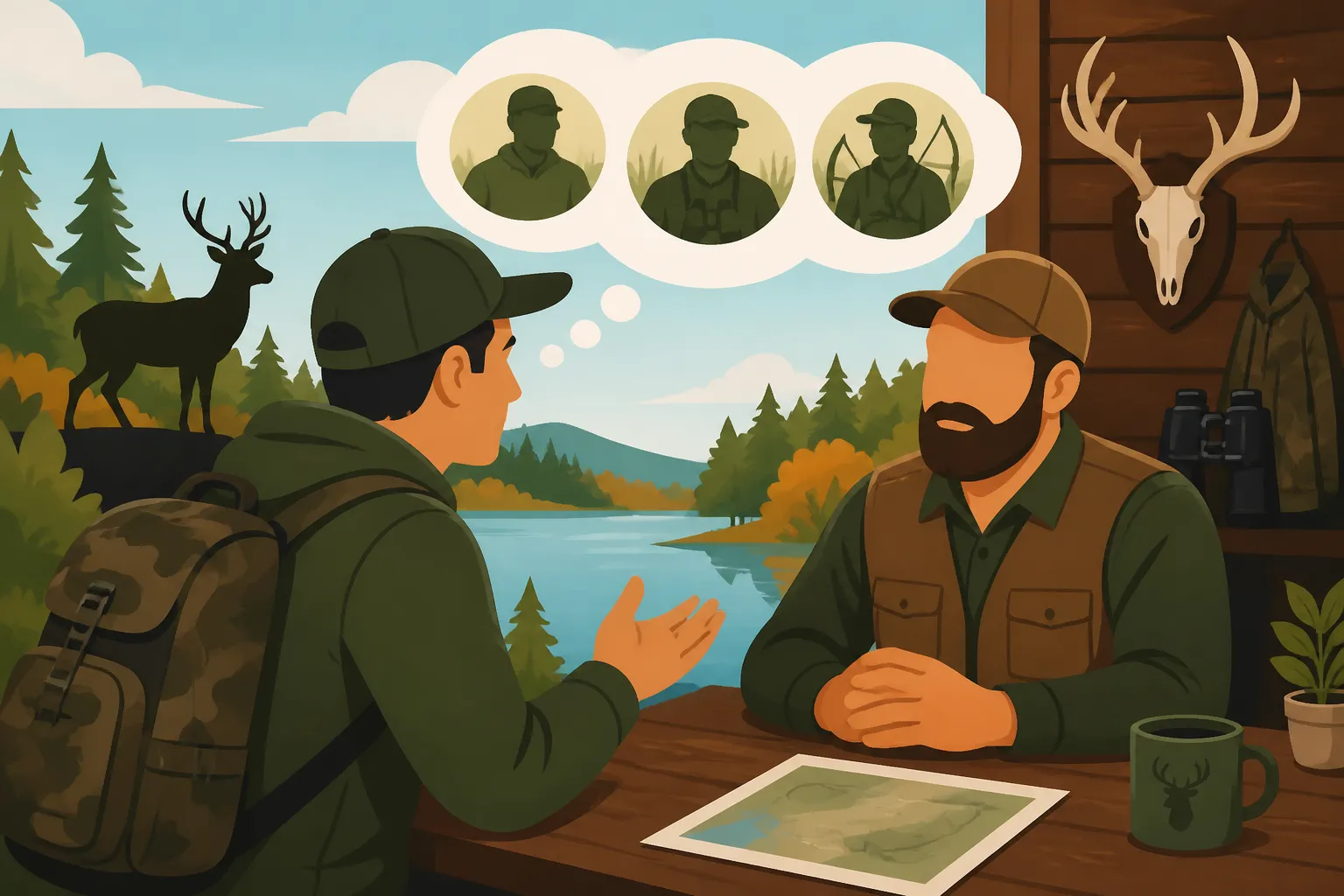
When you first speak with an outfitter you're considering, make it clear that speaking with references is a non-negotiable part of your decision-making process. A reputable outfitter will not bat an eye at this request and will typically have a list of recent clients ready to share. If an outfitter hesitates, makes excuses, or only offers a single contact, consider that a major red flag.
Ideally, you want to speak to at least three, but preferably five, recent clients. Why recent? Because operations can change. Guides might move on, management might shift, or camp conditions could evolve. A hunter from two years ago is certainly helpful, but one from the previous season will give you a more accurate snapshot of the current experience. If possible, ask for a mix of hunters – perhaps one who hunted the same species you're interested in, and another who might have targeted a different animal, just to get a broader perspective on the outfitter's overall professionalism.
While platforms like BookYourHunt or GoHunt might offer a space for hunters to leave reviews or even connect with past clients, remember that these are often curated or less detailed than a direct conversation. Always prioritize speaking directly with individuals the outfitter provides. If you find an outfitter through such a platform, ask them for a specific list of references directly.
When you get the list, try to get a bit of background on each reference: where they're from, what they hunted, and when they hunted. This helps you tailor your questions. For example, if you're a bowhunter, speaking with someone who went on a Bowhunting Ontario's Long Archery Season trip with that outfitter would be incredibly valuable.
Crafting Your Questions for References
Once you have the names and contact information, reach out respectfully. A simple email or text first, explaining who you are and why you're calling, is often best. "Hi [Reference Name], my name is [Your Name], and I'm considering booking a [species] hunt with [Outfitter Name] for next season. [Outfitter Name] gave me your contact information as a reference. Would you be willing to chat for 10-15 minutes about your experience?" Be prepared to leave a voicemail.
When you do connect, have a list of prepared questions. This isn't an interrogation; it's an information-gathering mission. Focus on open-ended questions that encourage detailed answers, rather than simple yes/no responses.
Here's a breakdown of key areas to cover:
About the Hunt Itself:
- What species did you hunt, and when?
- How accurate were the outfitter's claims about game numbers and trophy quality?
- Did you feel the guides were knowledgeable about the area and the animals?
- What hunting methods did they employ? (e.g., stands, stalking, calling)
- How much actual hunting time did you get each day?
- What was the success rate for your group or others in camp during your stay? Be specific: did people fill tags, or just see animals?
- Did you feel pressured to shoot anything specific, or was it a relaxed hunt?
- How did the guides handle tracking, recovery, and field dressing after a harvest? Field Dressing in Warm Ontario Weather is a critical skill in early seasons.
About the Camp and Logistics:
- What were the accommodations like? Was it a cabin, tent, lodge? How clean and comfortable was it?
- How was the food? Was there enough, and was it palatable? Can they accommodate dietary restrictions?
- What was the overall atmosphere in camp?
- How was the equipment provided by the outfitter (ATVs, boats, stands, etc.)? Was it safe and well-maintained?
- Were there any unexpected costs beyond what was quoted in the package price? (What an Ontario Guided Hunt Costs can vary widely, so this is crucial.)
- How was communication during the hunt? Were guides responsive to needs?
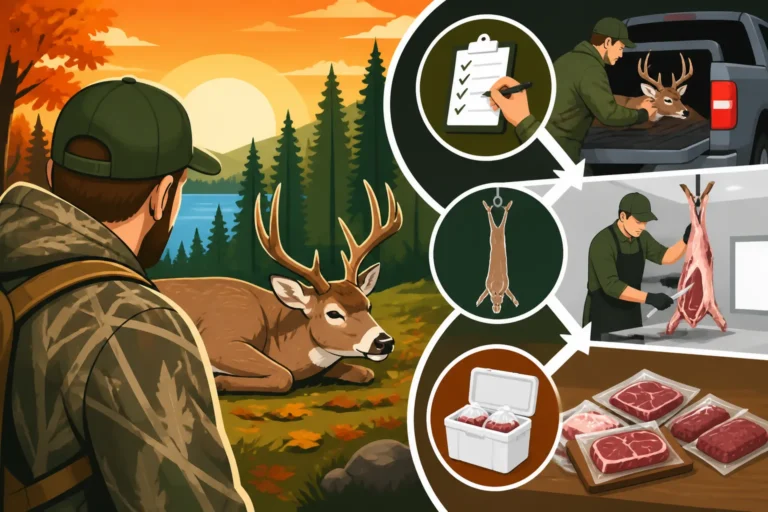
- How was the meat care and processing? What about trophy handling? (This is especially important for Transporting Game Meat in Ontario and Taking Meat and Antlers Across the Border for non-residents.)
Overall Experience:
- What was the single best aspect of your hunt?
- What was the biggest challenge or disappointment?
- Would you hunt with this outfitter again? Why or why not?
- Is there anything you wish you had known before you went?
- What advice would you give to someone considering this outfitter?
- How did the outfitter handle any unforeseen issues or challenges?
Listen carefully to the tone of voice and any nuances. Are they enthusiastic, hesitant, or overly rehearsed?
Red Flags and Green Lights During the Conversation
Your conversation with references can reveal a lot, even beyond the direct answers to your questions. Pay attention to both what is said and how it is said.
Red Flags:
- Reluctance to provide references: As mentioned, this is a major warning sign.
- Only "glowing" references: If every reference sounds like they're reading from a script, and can't offer any constructive criticism or even minor inconveniences, be wary. No hunt is absolutely perfect.
- Inconsistent stories: If one reference tells a completely different story about camp conditions or guide professionalism than another, dig deeper.
- Difficulty reaching references: If it takes multiple attempts over weeks to connect with any of the provided contacts, it might indicate they are not truly active clients or are reluctant to speak.
- Vague answers to specific questions: If a reference avoids specifics about harvest rates, hidden costs, or challenges, it could mean they're trying to be polite about a negative experience.
- Focus purely on the trophy: While a big animal is exciting, if the conversation never moves beyond the size of the rack, you might not be getting a full picture of the overall experience.
Green Lights:
- Prompt provision of references: A good outfitter is confident in their service and happy to connect you.
- Honest and balanced feedback: References who are candid about both the positives and the occasional minor challenges are usually more credible. They'll tell you, "The food was great, but the beds were a bit hard," which is realistic.
- Consistency in positive themes: You should hear similar positive messages across different references, confirming the outfitter's strengths.
- Willingness to chat: References who are generous with their time and genuinely want to help you make an informed decision are invaluable.
- Direct answers to tough questions: If a reference answers your question about hidden costs or challenges head-on and explains how it was handled, that's a good sign.
Remember, the goal is not to find a perfect outfitter (they don't exist!), but to find one whose strengths align with your priorities and whose minor drawbacks are things you can live with.
Beyond the Call: What Else to Consider
While reference checks are paramount, they're just one piece of the puzzle. A truly successful hunting trip begins with thorough preparation and due diligence across multiple avenues.
Cross-Referencing with Online Reviews and Forums
After speaking with references, it's wise to cross-reference their feedback with what you find online. Google Reviews, Facebook hunting groups, and dedicated hunting forums can be goldmines of information, though you need to approach them with a critical eye. While a platform like BookYourHunt or GoHunt might aggregate reviews, remember that these can sometimes be influenced or less regulated than a direct reference.
Look for patterns in online reviews. If multiple people mention the same issue – say, inconsistent guide communication or surprisingly cold accommodations – that's a much stronger indicator than a single disgruntled reviewer. Similarly, consistent praise for specific guides or the quality of the hunting areas can reinforce positive feedback from your references. Be wary of overly enthusiastic reviews from brand new accounts, or sudden floods of positive reviews after a negative one surfaces. These could be signs of manipulation. Remember, the online world is a public space, and while it provides insights, direct conversations offer depth.
The Importance of Your Own Due Diligence
Even with stellar references and positive online reviews, your own personal due diligence is crucial. This involves understanding the legal and logistical aspects of hunting in Ontario.
Firstly, confirm the outfitter's licensing and standing. While I can't give specific steps for checking current licenses, responsible outfitters in Ontario operate under specific regulations. Don't be afraid to ask about their business license or any affiliations they have with professional outfitter associations.
Secondly, familiarize yourself with Ontario's hunting regulations for the species and season you're interested in. This includes understanding Ontario Hunting Licences and What They Cost, specific season dates, bag limits, and legal methods. If you're a non-resident, pay close attention to Rules for Non-Residents Hunting Ontario, including firearm import procedures (Bringing Firearms Into Ontario) and the need for an Getting a Non-Resident Export Permit for game. You'll also need to know about Ontario Hunter Education Requirements.
Finally, assess your own physical capabilities and expectations realistically. If an outfitter talks about long, strenuous hikes into remote areas, but you prefer sitting in a comfortable blind, that might not be the right fit, regardless of how good the references are. A great hunt is a match between the hunter's expectations and the outfitter's offerings.
Here's a handy table summarizing key questions to ask your outfitter's references:
| Category | Key Questions to Ask |
|---|---|
| Hunt Experience | How accurate were game claims? Were guides knowledgeable? What was the actual hunting time? What was the true success rate for filling tags? How was meat/trophy handling? Would you hunt this species with them again? |
| Camp & Logistics | What were accommodations like? How was the food? Any hidden costs? How was communication (before/during)? Was equipment well-maintained? How did they handle unexpected issues (weather, breakdown)? |
| Guide Quality | Did the guide put effort into getting you on game? Were they patient and supportive? How was their personality and professionalism? Did you feel safe with them? How much did they interact with you during downtime? |
| Overall Value | Do you feel you received good value for the money spent? What was the best part of the trip? What was the biggest challenge? What advice would you give a new hunter booking this trip? Would you recommend this outfitter to a friend? |
| Transparency | Did the outfitter clearly communicate all costs and expectations upfront? Was there anything they promised that wasn't delivered? How did they handle deposits and cancellations? |
Ultimately, asking for and thoroughly checking references is your best defense against a disappointing experience. It empowers you with real-world insights, allowing you to book your Ontario hunting adventure with confidence, knowing you've done your homework to ensure a safe, enjoyable, and hopefully successful trip.
Disclaimer
This article is for general informational purposes only and does not constitute professional advice. Laws, prices and regulations vary by location and change over time. Consult a qualified professional for guidance on your specific situation.