What Tags and Licences Add to the Bill
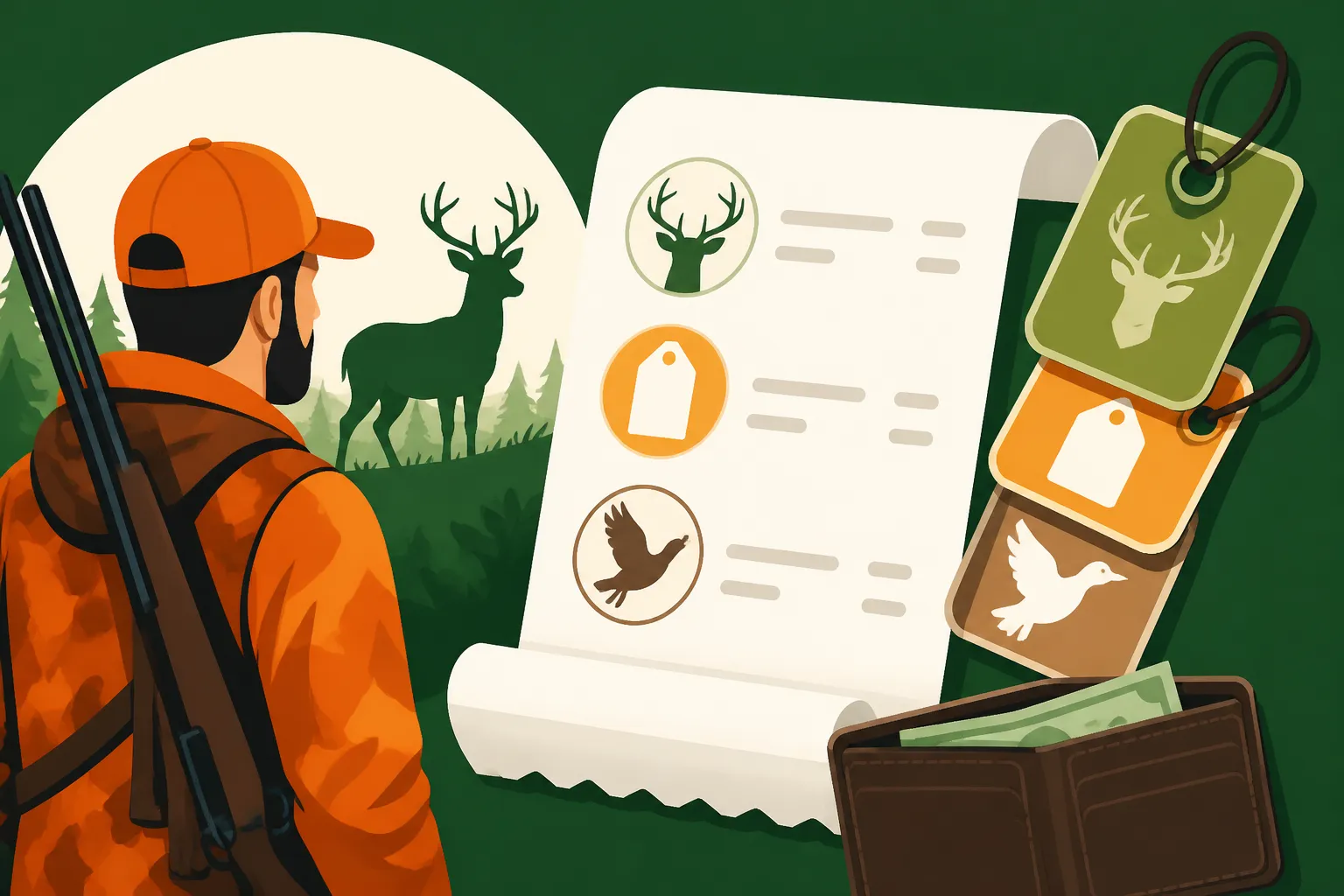
It’s easy to get excited about an Ontario hunting trip, whether you're dreaming of a trophy whitetail, a massive bull moose, or a bruin for the freezer. You spend hours researching areas, gear, and maybe even outfitters. But when it comes time to actually budget, many hunters get caught off guard by the often-overlooked, yet absolutely essential, costs of tags and licences. It's not just the big price tag of a guided hunt or the gear you buy; there's a whole layer of mandatory fees that add up, and understanding them upfront is key to avoiding sticker shock and ensuring your hunt is fully legal and enjoyable. This guide will walk you through the various tags and licences that contribute to your overall hunting bill in Ontario, breaking down what you need and why.
The Foundation: Your Outdoors Card and Base Licences
Before you even think about a specific animal, there are foundational steps every hunter in Ontario, resident or non-resident, must take. These are your entry tickets into the world of hunting here, and they come with their own set of costs. Think of them as the absolute bare minimum you'll need to pay before you can even contemplate pursuing game.
It can feel like a bit of a hurdle, having to pay for a card just to be allowed to buy a licence, but it's part of the system designed to track hunters and ensure everyone has met the basic requirements, like hunter education. This initial outlay is universal, regardless of what species you eventually decide to pursue. It's a mandatory first step that often surprises new hunters or those visiting from out of province, as it’s an administrative cost that isn’t directly tied to a specific animal.
The Mandatory Outdoors Card
The very first item on your list, and the one that often confuses new or visiting hunters, is the Ontario Outdoors Card. This isn't a hunting licence in itself; rather, it's a piece of identification that proves you're eligible to hunt or fish in Ontario. It's valid for a set number of years, so it's not an annual expense once you've got it, but it's absolutely non-negotiable. You literally cannot purchase a hunting licence without an active Outdoors Card.
Think of it like having your driver's licence before you can buy car insurance or register a vehicle. It's the credential that confirms you've completed the Ontario Hunter Education Requirements and are recognized by the province as a legitimate hunter. While the cost isn't astronomical, it's an initial fee that needs to be factored in, especially if this is your first time hunting in Ontario or your old card has expired. You can often Renewing an Outdoors Card Online, which simplifies the process.
General Hunting Licences
Once you have your Outdoors Card, you're ready to purchase a general hunting licence. This is where the costs start to diverge slightly between residents and non-residents, and also depending on the type of game you're after. These general licences grant you the privilege to hunt, but they don't grant you the right to harvest any specific big game animal—that comes with the tags.
For residents, you'll typically get a base hunting licence that might cover small game, or you'll opt for a specific deer or moose licence that then allows you to apply for tags or purchase them directly. Non-residents, on the other hand, often face a higher base licence fee and might have slightly different options, sometimes bundled as part of an outfitter package. Understanding Ontario Resident Licence Options versus Ontario Non-Resident Licence Options is crucial here. This base licence is what validates your ability to be in the field during open seasons for legal game, but it's not the 'kill tag' itself.
Species-Specific Tags: The Real Cost Adders
This is where your hunting budget really starts to take shape, as these are the permits that allow you to actually harvest a specific animal. These tags are purchased in addition to your Outdoors Card and base hunting licence, and their costs vary significantly depending on the species and whether you're a resident or non-resident. For many hunters, especially those pursuing big game, these tags represent the largest single cost within the licensing framework.
It’s often these costs that make hunters pause, especially when planning a dream hunt for a coveted species like moose or elk. You’ve already paid your base fees, and now you’re looking at another, sometimes substantial, amount just for the chance to put an animal on the ground. This tiered system can feel a bit like buying a concert ticket and then realizing you need to buy a separate pass for each song you want to hear! But each tag corresponds to a specific management goal and contributes to conservation efforts.
Big Game Tags
Big game tags are usually the most significant expense when it comes to tags and licences. These include whitetail deer, moose, black bear, and elk. The process for obtaining these tags can also vary. For some, like certain deer tags and black bear tags, you might purchase them directly. For others, notably moose and elk, you'll enter into a provincial draw system where success is not guaranteed, and you still pay an application fee before you potentially win the right to buy the actual tag.
For example, a whitetail deer hunter might need a basic deer licence and then an antlered deer tag. If they're hoping for an antlerless deer, they'd apply for a specific Ontario Antlerless Deer Draws validation. Moose hunters, on the other hand, navigate the Ontario's Moose Tag Allocation Process, which involves an application fee and, if successful in the draw, a significant tag fee. Bears often require a Black Bear Validation Certificate on top of your licence. Each species has its own set of rules and associated costs, so carefully checking the Ontario Deer Season Dates and Tags, Ontario Black Bear Rules, and Ontario Moose Licence Cost is paramount.
Game Bird Tags
If you're looking to hunt smaller game or birds, the tag structure is usually a bit simpler and less expensive, but still mandatory. Wild turkey hunting, for instance, requires a specific turkey licence and tag. These are typically purchased directly rather than through a draw, but you're limited by bag limits and season dates. Ontario Wild Turkey Licences and Tags will detail these requirements.
Then there's migratory game bird hunting, which includes ducks, geese, and various other waterfowl. This falls under federal jurisdiction, so in addition to your provincial small game licence, you'll need a Federal Migratory Game Bird Hunting Permit and a Canadian Wildlife Habitat Conservation Stamp. These are separate purchases, often made at a post office or online, and are absolutely necessary for legal waterfowl hunting. For specific details on these requirements, check out The Federal Migratory Game Bird Permit and Non-Toxic Shot Requirements for Waterfowl. It’s another layer of paperwork and cost, but it directly supports habitat conservation.
Additional Validations and Permits You Might Need
Beyond the standard Outdoors Card, base licences, and species-specific tags, there are sometimes other permits or validations that can add to your total hunting bill, particularly depending on where and how you plan to hunt, or if you're a non-resident. These aren't always universally required, but ignoring them can lead to serious legal trouble.
It’s these 'extra' bits of paperwork that can truly make your head spin. Just when you think you’ve got all your ducks in a row, you find out there’s another specific validation needed for a particular hunt area or for crossing a certain boundary. It feels a bit like a scavenger hunt for permits, but each one serves a purpose in managing specific areas or types of hunting. Taking the time to understand them before you head out is crucial.
Controlled Hunt Validations and Draws
Certain popular hunting areas, particularly in southern Ontario where deer populations are high and public land access is limited, are managed through "Controlled Hunts." These require an additional validation on top of your regular deer licence and tag. Hunters typically apply for these draws, similar to the moose or elk draw, and if successful, they receive a validation certificate that allows them to hunt a specific Wildlife Management Unit (WMU) during a designated period.
The application for these Ontario Controlled Deer Hunt Validations comes with its own fee, regardless of whether you are successful in drawing a spot. This system helps manage hunting pressure and harvest rates in specific, often more sensitive, areas. If you're planning to hunt in one of these designated WMUs, this will be an unavoidable addition to your licensing costs, and it's essential to understand the application deadlines and requirements.
Non-Resident Crown Land Camping and Export Permits
For my friends visiting from outside Ontario, especially those looking to experience the vastness of our northern bush on a do-it-yourself trip, there's another permit to consider: the Non-Resident Crown Land Camping Permit. If you plan to camp on Crown Land while hunting, this permit is generally required. It's a way for the province to manage usage of its public lands and contributes to the upkeep and monitoring of these areas.
Furthermore, once your successful hunt is over, you'll likely want to take your hard-earned meat and/or trophy home. This is where an Export Permit comes into play. Non-residents must obtain a permit to legally transport certain game animals or parts (like antlers or hides) out of Ontario. This ensures proper tracking and compliance with wildlife regulations. Your outfitter can often help you with this, but it's an additional administrative step and cost. Knowing the rules for Transporting Game Meat in Ontario and What the Export Permit Covers is vital for a smooth journey home. These details might seem minor, but they are critical for non-residents.
Planning Your Budget: Beyond the "Sticker Price"
When you're piecing together your Ontario hunting adventure, whether it's a DIY deer hunt or a fully guided moose expedition, it’s easy to focus on the big-ticket items: the cost of your gear, travel, or the outfitter’s package. However, diligently factoring in all the tag and licence fees from the outset can save you a world of stress and unexpected expenses down the road. These aren't hidden fees, but they're often separate from the main quote you get from a guide or the price of your rifle.
It’s truly a shame to plan for months, only to realize you’ve underestimated the mandatory costs that get you into the field legally. This is where a little bit of homework goes a long way. Thinking about your budget in a holistic way, including these essential administrative fees, ensures your hunt is not only exciting but also financially sound and completely compliant with provincial regulations.
Estimating Your Total Licence Cost
To accurately estimate your total licence cost, it helps to break it down systematically. Start with the absolute essentials: your Outdoors Card (if needed) and your base resident or non-resident hunting licence. Then, add in the cost of each species-specific tag you intend to pursue – deer, moose, bear, turkey, or migratory bird stamps. Don't forget any draw application fees, even if you don't secure a tag right away. Finally, consider any special permits, like controlled hunt validations or non-resident Crown Land camping permits, that apply to your specific hunting plans.
Here's a simplified breakdown to help visualize these costs:
| Item | Requirement | Frequency | Hunter Type | Typical Cost Structure |
|---|---|---|---|---|
| Outdoors Card | Mandatory for all hunters | Multi-year | Resident/Non-Resident | Base Fee |
| Base Hunting Licence | Grants general hunting privileges | Annual | Resident/Non-Resident | Annual Fee |
| Deer Tag (Antlered) | Allows harvest of antlered deer | Per animal | Resident/Non-Resident | Tag Fee |
| Deer Tag (Antlerless) | Allows harvest of antlerless deer | Per animal | Resident/Non-Resident | Draw Application + Tag Fee |
| Moose Tag | Allows harvest of specific moose type (bull/cow) | Per animal | Resident/Non-Resident | Draw Application + Tag Fee |
| Black Bear Tag | Allows harvest of black bear | Per animal | Resident/Non-Resident | Tag Fee |
| Wild Turkey Tag | Allows harvest of wild turkey | Per animal | Resident/Non-Resident | Tag Fee |
| Federal Migratory Bird Permit | For waterfowl, woodcock, snipe | Annual | Resident/Non-Resident | Permit Fee |
| Habitat Conservation Stamp | Mandatory with Federal Migratory Bird Permit | Annual | Resident/Non-Resident | Stamp Fee |
| Controlled Hunt Validation | For specific WMUs and hunt periods | Per draw | Resident/Non-Resident | Application Fee |
| Non-Resident Crown Land Camping Permit | Required for non-residents camping on Crown Land | Per trip/period | Non-Resident | Permit Fee |
| Export Permit | For non-residents taking game out of Ontario | Per animal | Non-Resident | Permit Fee |
Remember, while specific dollar amounts aren't listed here, the shape of these costs is consistent: some are one-time or multi-year, others annual, and many are per-animal. These are all additional to any outfitter fees.
Using Online Resources for Planning
In this day and age, there's a wealth of information available online to help you navigate these costs. Platforms like Ontario Hunting Licences and What They Cost and the official provincial hunting summaries are your best friends. They lay out the fees for different licences and tags, often breaking them down by resident and non-resident categories. This allows you to build a realistic budget before you commit to any specific hunt.
When you're comparing guided hunt packages, a platform like BookYourHunt can be incredibly useful. While they primarily connect you with outfitters, the detailed listings often specify what is included in the outfitter’s price versus what you, the hunter, are responsible for purchasing separately, such as your personal tags and licences. This clarity is invaluable. Similarly, other hunting resource sites and tools like GoHunt can be invaluable for breaking down regulations by WMU, helping you identify which specific tags you'll need for your chosen area, and what those associated costs might look like, along with key dates for draws and applications. Being proactive with your research will ensure that the only surprises you encounter on your hunt are the good kind – like a big buck appearing when you least expect it!
Disclaimer
This article is for general informational purposes only and does not constitute professional advice. Laws, prices and regulations vary by location and change over time. Consult a qualified professional for guidance on your specific situation.