Ontario Meat Processing and Cold Storage
After the thrill of a successful hunt in Ontario, whether it's a massive bull moose deep in the boreal forest or a trophy whitetail from southern farmland, the real work often begins: ensuring your hard-earned meat is properly handled, processed, and stored. Many hunters, especially those new to the province or embarking on a remote adventure, can feel overwhelmed by the logistics of preserving their harvest, worried about spoilage or missing crucial steps. This guide is here to demystify the process, walking you through everything from immediate field care to long-term freezer solutions, so you can enjoy your wild game meat for months to come.
The Critical First Steps: Field Dressing and Initial Cooling
Let's be real, nobody wants to put all that effort into a hunt only to have the meat spoil. Proper field dressing and cooling are absolutely paramount to the quality and safety of your wild game. It's the foundation upon which all other processing steps are built, and rushing or neglecting it can undo everything else you do. Think of it as the first major hurdle you need to clear after the shot.
Gutting and Skinning in the Field
The moment your animal is down and secured, the clock starts ticking, especially in warmer early seasons. The first order of business is getting those entrails out to allow the body heat to escape. This isn't just about hygiene; it's about rapidly cooling the carcass from the inside out. Get the gut pile out clean and quick. For deer, this can often be done by a single person, but for something like a moose, you'll definitely appreciate an extra set of hands. While some hunters prefer to skin the animal back at camp or a processing facility, removing the hide in the field, if conditions allow and you have a clean workspace, can significantly accelerate the cooling process. Just be mindful of keeping the meat clean, avoiding dirt or debris, and having some game bags ready to protect it once exposed. Don't forget to tag your animal appropriately as soon as it's recovered and before moving it.
Once the animal is gutted, and if possible, skinned, consider splitting the sternum and pelvis to further aid in heat dissipation. This opens up the body cavity even more. It’s a messy job, but a necessary one, especially when hunting during early season or on warmer days in the fall. You're trying to prevent that internal heat from lingering, which is where bacteria can start to thrive and ruin your hard-won meat. Protecting the meat from flies and other insects is also crucial, so have those breathable game bags ready.
Rapid Cooling and Airflow
After field dressing, the immediate priority shifts to rapid cooling. You need to get that core temperature down as quickly as possible. In cooler weather, this might mean simply hanging the animal in a shady, well-ventilated spot. A large canvas game bag or even several quarters bagged separately can protect the meat while allowing air circulation. If you're in a remote camp, a simple pole frame can become a temporary meat pole. On a crisp autumn morning, the ambient air often does a fantastic job. However, if you're out during Ontario's Late September Archery Opener or a mild fall day, you'll need to be more proactive.
In warmer conditions, you might need to get creative. Ice is your best friend. For smaller game like deer, carefully placing bags of ice inside the chest cavity can dramatically drop the temperature. For larger animals like moose, quartering the animal is often the only way to manage it, allowing you to get the quarters into coolers packed with ice. The key is to avoid letting the meat sit in standing water, so ensure your coolers have good drainage or use ice in sealed bags. Airflow around the carcass or quarters is also vital; don't stack meat tightly if you can avoid it, especially if it's still warm. This rapid cooling step not only prevents spoilage but also contributes to better meat quality, ensuring it doesn't get tough.
Protecting Your Meat from Contamination
Throughout the field dressing and initial cooling stages, cleanliness is paramount. Dirt, hair, and digestive fluids are all sources of contamination that can lead to bacterial growth and spoiled meat. Keep your knives sharp and clean, wiping them down frequently. If you're skinning, try to prevent the outer hide from touching the exposed meat. Use disposable gloves when gutting, and make sure to have plenty of paper towels or clean rags on hand. If you have a water source, a quick rinse of the body cavity with clean water, followed by drying, can be beneficial, but only if you can thoroughly dry the meat afterward to prevent bacterial growth in moisture.
Game bags are indispensable for protecting your meat once it's exposed. They allow air to circulate, which helps with cooling and forms a protective "crust" on the meat, while keeping flies, wasps, and other pests at bay. These aren't just for quartered animals; even a whole deer can benefit from a large game bag while it hangs. For those hunting in remote regions, bringing a sturdy set of game bags is as important as bringing your rifle or bow. For non-residents, ensuring your meat is clean and properly packaged is also critical for Taking Meat and Antlers Across the Border.
Navigating Your Processing Options: DIY or Professional Butcher?
Once you've successfully field dressed and cooled your animal, you're faced with the next big decision: are you going to tackle the butchering yourself, or trust it to a professional? Both options have their merits and drawbacks, and your choice will likely depend on your experience level, available time, equipment, and the size of your harvest.
The DIY Hunter's Approach
For many seasoned hunters, processing their own game is a cherished part of the hunting experience. It's a connection to the food chain, a way to ensure every cut is exactly to your liking, and often, a cost-saving measure in the long run. If you have the space – a clean garage, a dedicated processing room, or even a large, well-lit kitchen – and the right tools (sharp knives, a meat saw, a grinder, a vacuum sealer), processing your own game can be incredibly rewarding. It allows you to customize your cuts, experiment with different sausage recipes, and ensure absolutely nothing goes to waste. You gain a deeper understanding of animal anatomy and become more self-sufficient. This is also where you'll really appreciate your Truck Kit for a Northern Ontario Hunt, which might include a portable meat processing kit.
However, the DIY approach requires a significant time commitment and a fair bit of skill. Breaking down a large animal like a moose into roasts, steaks, and burger can take many hours, if not days. There's also the initial investment in equipment, which can be substantial if you're starting from scratch. You'll need good sanitation practices to prevent contamination, and reliable cold storage space while you work. If you're new to it, start with smaller game like a wild turkey or a cottontail rabbit before attempting a full-size whitetail. There are countless online resources and videos that can walk you through the process step-by-step.
Finding a Reputable Ontario Butcher or Processor
For those who lack the time, space, equipment, or expertise for DIY processing, or for hunters dealing with larger game like moose or bear, a professional butcher is an absolute godsend. These businesses specialize in turning a field-dressed animal into neatly packaged, freezer-ready cuts. Finding a good, reputable wild game processor in Ontario can make all the difference. Ask local hunters for recommendations, check online reviews, and don't hesitate to call ahead to discuss their services and pricing. Many outfitters, especially those listed on platforms like BookYourHunt, will often have established relationships with local processors or even offer processing services themselves as part of their package.
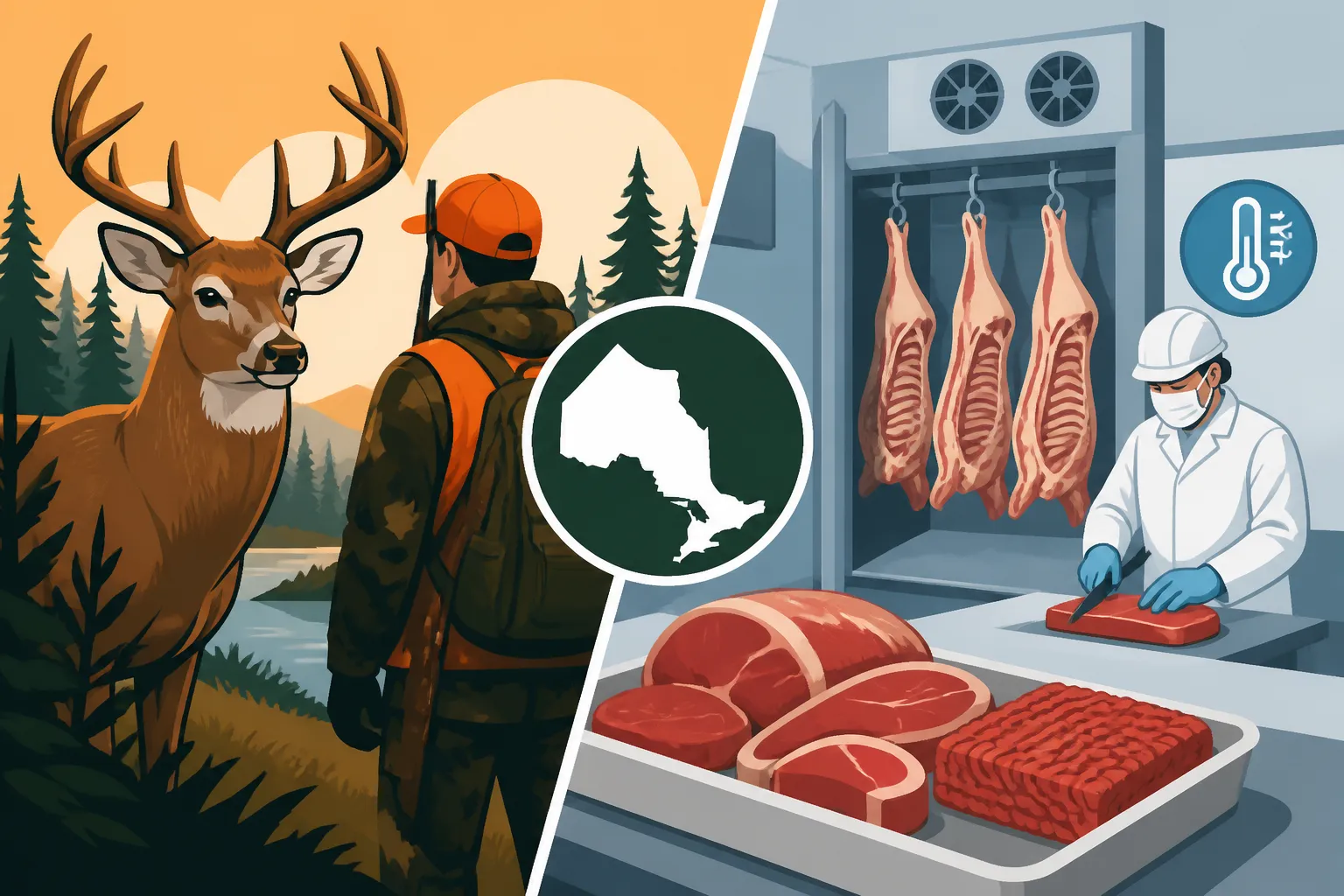
When you contact a processor, make sure to ask about their turnaround times, what cuts they offer (roasts, steaks, burger, sausage, jerky), and their pricing structure. Some charge by the pound, others by a flat fee per animal. It’s also crucial to ask about their cold storage capabilities – you want to ensure your meat is kept at optimal temperatures while it's waiting to be processed. Remember, a good processor isn't just about cutting; they're about ensuring your meat is handled safely and hygienically.
What to Expect from a Professional Service
When you bring your game to a professional processor, they will typically inspect the animal (or quarters) to ensure it's clean and properly cooled. They'll ask you for your specific cutting instructions: do you want boneless roasts or bone-in? How thick do you like your steaks? How much trim for burger, and would you like any sausage or jerky made? This is your opportunity to communicate exactly what you want. Be prepared to pick up your meat within their specified timeframe, as most processors have limited freezer space once the busy hunting season hits.
The cost of professional processing can vary widely depending on the type of animal, the services requested (e.g., curing, smoking, sausage making), and the specific butcher. While it's an added expense, the time saved, the quality of the cuts, and the peace of mind knowing your meat was handled professionally often make it well worth it. Expect your meat to come back vacuum-sealed or freezer-wrapped, clearly labeled, and ready for your freezer.
Here's a quick comparison of DIY vs. Professional Processing:
| Feature | DIY Processing | Professional Butcher |
|---|---|---|
| Control | Full control over cuts, seasoning, packaging, specialty items | Relies on butcher's expertise; standard cuts, limited customization |
| Cost | Initial equipment investment (knives, grinder, sealer), ongoing supplies (wrap, bags) | Per-pound or flat fee, can be significant for large game; often includes packaging |
| Time Investment | Significant hours/days required post-harvest; learning curve | Minimal time from hunter post-drop-off; pick-up required |
| Skill/Experience | Requires knowledge of anatomy, cutting techniques, sanitation | Leverages professional skill, efficiency, and specialized equipment |
| Equipment Needed | Knives, saw, grinder, freezer wrap/vacuum sealer, workspace, cold storage | None from hunter, beyond getting the animal to the facility |
| Cleanliness | Hunter responsible for all sanitation; potential for mess | Inspected facilities, strict hygiene protocols, efficient cleanup |
| Yield | Can sometimes maximize yield with careful bone-out; custom grind ratios | Optimized yield through efficient processing; standard grind ratios |
| Convenience | Requires planning, time, and dedicated effort | "Drop off and pick up" simplicity, great for busy hunters |
Understanding Cold Storage Requirements in Ontario
Effective cold storage is the unsung hero of successful game meat preservation. It doesn't matter how perfectly you field dressed or how expertly you butchered if you can't maintain the right temperatures. Ontario's varied climate means you could be hunting in mild early fall or frigid late seasons, each presenting unique challenges for keeping meat cool.
The Importance of Proper Temperature Control
The golden rule for wild game meat is to get it cold and keep it cold. Bacteria thrive in what's known as the "danger zone," typically between 4°C and 60°C (40°F and 140°F). Your goal is to get the meat's internal temperature below 4°C (40°F) as quickly as possible and maintain it there until processing or freezing. This isn't just about preventing spoilage; proper chilling also allows the meat to "age" or "hang," which can significantly improve tenderness and flavour. Depending on the species and ambient temperature, deer might hang for a few days up to a week, while moose or bear might hang for slightly less time.
Fluctuating temperatures are the enemy. Freezing and thawing cycles can degrade meat quality, leading to freezer burn and a loss of moisture and flavour. Consistency is key, whether you're in a walk-in cooler, a refrigerator, or a chest freezer. Monitoring the temperature with a reliable thermometer is a smart practice. Remember, even if the air outside feels cold, the internal temperature of a large animal can remain high for hours, especially if it's not well-ventilated. This is why initiatives like Meat Care in Ontario's Warm Early Seasons emphasize immediate and aggressive cooling.
Temporary Storage Solutions in the Field and Camp
When you're deep in the bush, especially during a Moose Hunting Ontario's Northern Bush trip or a remote deer hunt, reliable refrigeration might be days away. That's where temporary solutions become crucial. For quarters, heavy-duty coolers packed with ice are indispensable. Ensure the ice is in sealed bags to prevent waterlogging the meat, or use a cooler with a drain plug to regularly remove melted water. For whole carcasses, particularly deer, hanging in a shady, airy spot in breathable game bags can work wonders if the ambient temperature is consistently low, ideally below 4°C (40°F). Think about those crisp November nights that are perfect for hanging.
Some hunters even use portable propane or electric refrigerators/freezers in their camps or on trailers, especially for longer hunts. These units can maintain precise temperatures and are a lifesaver in milder weather. For bear hunters who have successfully filled their tag, getting that bear skinned and quartered quickly, then iced down, is paramount due to their dense fat layer which holds heat. Planning for these temporary storage needs before you even leave for your hunt is a critical piece of preparation, often overlooked until it's too late.
Long-Term Freezing and Packaging
For long-term preservation, freezing is the way to go. To protect your meat from freezer burn, proper packaging is essential. Vacuum sealing is the gold standard. It removes all air, preventing oxidation and moisture loss, and extends the shelf life of your meat significantly. If you don't have a vacuum sealer, heavy-duty freezer bags designed for wild game, or a double wrap of plastic wrap followed by butcher paper, can also do the trick. The goal is to create an airtight seal around the meat. Make sure to label each package clearly with the type of meat (e.g., deer steak, moose burger), the cut, and the date it was processed. This simple step will save you a lot of guesswork later when you're rummaging through your freezer.
Aim to freeze meat in portions that you'll use in a single meal to minimize thawing and refreezing, which can degrade quality. Rapid freezing is also beneficial, so try not to overload your freezer with warm meat at once; freeze in batches if necessary. A dedicated chest freezer is often a worthwhile investment for serious hunters, providing ample, stable cold storage. Properly packaged and frozen, your wild game meat can easily last for a year or even longer without significant loss of quality.
Transporting Your Harvest: Getting Meat from Bush to Freezer
The journey from the moment the animal is down to the final freezer package can be a long one, especially in Ontario where vast distances and challenging terrain are common. Efficient and safe transportation of your meat is as important as any other step in the process.
Moving Meat from Remote Locations
Hunting in Ontario often means venturing into truly wild and remote areas, far from paved roads or even ATV trails. Think about Hunting Moose Around an Ontario Beaver Pond or deep into Crown Land. Extracting an entire moose or a large bear from these areas is a Herculean task. Quartering the animal in the field is almost always a necessity, especially if you're alone or with a small party. Bone out as much as you can to reduce weight. Heavy-duty game bags become crucial here, protecting the meat from dirt, insects, and drying out as you pack it out.
Depending on the distance and terrain, "getting a moose out" might involve canoes, ATVs (where legal and permissible, check ATV Rules on Ontario Crown Land), or even a dedicated pack frame. Some hunters plan their trips around locations accessible by float plane, allowing for quicker extraction of quarters. Having a clear plan for how you'll move your animal before you even start hunting is essential. Nothing sours a successful hunt faster than realizing you can't get your meat out efficiently, leading to spoilage.
Vehicle Transport and Cooler Strategies
Once you've managed to get your meat to a vehicle, the battle isn't over. Proper vehicle transport is key to maintaining those critical cold temperatures. For shorter drives in cool weather, well-bagged quarters in the bed of a truck might suffice. However, for longer distances or warmer conditions, high-quality coolers filled with ice are non-negotiable. Again, use sealed bags of ice or ensure good drainage to keep the meat from sitting in water. If you're using a large trailer or truck bed, consider constructing a simple frame to hang quarters, allowing for airflow, then tarping it over to protect from road grime and sun.
It’s a good idea to bring extra tarps, ropes, and bungee cords to secure your load. For those taking a deer from Hunting Deer in Southern Ontario Farmland back to their home in the city, making sure your vehicle is prepared for the journey is vital. Don't underestimate the heat that can build up in a closed truck box or trunk, even on cooler days. Always prioritize keeping the meat cold and clean during transit.
Inter-Provincial and International Transport Considerations
If you're an out-of-province resident or an international hunter, transporting your meat home from Ontario adds another layer of complexity. For non-residents, you will need to obtain a Getting a Non-Resident Export Permit for your game meat, antlers, and hides. This permit is crucial and ensures you are legally allowed to transport your harvest across borders. Ensure you understand What the Export Permit Covers before you leave. These permits are typically obtained from the Ministry office that issued your tags or through your outfitter.
When crossing the Canada-U.S. border, U.S. Customs and Border Protection (CBP) has specific regulations regarding game meat. Generally, deboned meat and properly cleaned and mounted trophies are allowed, but rules can change, especially concerning diseases like Chronic Wasting Disease (CWD). Always check the latest regulations with both Canadian and U.S. authorities before your trip. For larger hauls, some hunters arrange for refrigerated transport or work with their outfitter to ship the meat to a customs broker near the border. Platforms like GoHunt and BookYourHunt often have resources or outfitters that can guide non-resident hunters through these intricate logistics. The goal is a smooth crossing with your valuable harvest intact.
Special Considerations for Non-Residents and Large Game
Hunting in Ontario, especially for large game, presents unique challenges that non-residents and even experienced locals need to be well-prepared for, particularly when it comes to the sheer scale of the processing and storage required.
Non-Resident Export Permits and Regulations
For non-residents, the legalities of transporting your game meat out of Ontario are crucial and often underestimated. You can't just throw your quarters in the truck and drive across the border. As mentioned, an export permit is a must-have document. This permit confirms that the game was legally harvested in Ontario and allows you to take it out of the province. Your outfitter will often help you secure this, or you can obtain it through the Ontario Ministry of Natural Resources and Forestry (MNRF) office. Without it, you could face significant delays, fines, or even confiscation of your meat at the border.
Furthermore, consider the regulations of your home jurisdiction. Some states or provinces might have specific rules regarding the import of wild game. Always verify these rules well in advance of your trip. The goal is to avoid any last-minute surprises or headaches that could jeopardize your hard-earned harvest. Packing the meat in clean, leak-proof containers, properly labeled, will also help smooth the process when dealing with border officials. Understanding Taking Meat and Antlers Across the Border involves more than just physically moving them; it's about all the necessary paperwork too.
Dealing with Moose and Bear: Scale and Logistics
Harvesting a moose or a large black bear is an incredible accomplishment, but it also means dealing with a massive amount of meat and bone. A mature bull moose can easily weigh over a thousand pounds, yielding several hundred pounds of meat. The logistics of processing and storing such a large animal are entirely different from that of a deer. Quartering a moose alone in the bush is a serious undertaking, requiring physical stamina, proper tools, and a systematic approach. Many hunters opt to quarter these animals in the field, bone out the heavy muscle groups, and pack them out in large game bags.
For bear, the dense fat layer means rapid cooling is even more critical. Getting the hide off and the animal quartered quickly, then iced down, is paramount to preserving the meat quality. Many hunters who are guided, especially those who Booking an Ontario Black Bear Hunt, rely on their outfitter's experience and facilities for the initial stages of this process, including cold storage at camp before transport to a butcher. Having a plan for this scale of meat is not an option; it's a requirement for success.
Antlers, Hides, and Byproducts
Beyond the meat, successful hunters often want to preserve the antlers and hide of their animal. For antlers, a common approach for deer is a skull cap mount, where the antlers are removed with a small portion of the skull. For larger animals like moose, or if you plan a full skull mount, the entire skull will need to be transported. Cleaning the skull of any remaining brain matter and tissue is crucial to prevent decomposition and smell. Soaking it in water with a bit of dish soap can help. For hides, especially if you plan to get a rug or have it tanned, proper care in the field is essential. Salt the hide heavily and roll it up flesh-side in to prevent spoilage. This is particularly important for Skinning a Bear for a Rug.
Remember to correctly tag and label all parts of your animal that you wish to keep, as per Ontario regulations. This includes antlers and hides, especially when transporting them separately from the meat or across borders. Discuss your plans for trophies with your outfitter or processor; they often have relationships with local taxidermists and can provide advice on proper field care for these valuable byproducts. Don't let your trophy go to waste because of improper handling!
Disclaimer
This article is for general informational purposes only and does not constitute professional advice. Laws, prices and regulations vary by location and change over time. Consult a qualified professional for guidance on your specific situation.