How Tipping Works on a Guided Hunt
One of the most common questions and sometimes awkward dilemmas hunters face when booking a guided trip is figuring out the etiquette around tipping. You've just poured a significant chunk of change into your Ontario adventure, and now you're wondering how much more you should add for the hard work of your guide and the camp staff. It’s a completely understandable head-scratcher, especially for folks new to guided hunts or coming from different cultures where tipping isn't as prevalent. This guide will walk you through the nuances of tipping on a guided hunt in Ontario, from who to tip and how much, to when and why, making sure you feel confident and appreciative at the end of your trip.
Why Tipping Is Even a Thing in Hunting Culture
It can feel a bit strange, can't it? You've paid a substantial fee for a guided hunt, so why is there an expectation of an additional tip? It’s not like buying a product off a shelf. Guided hunting is a service industry, much like hospitality or dining, but with a unique set of challenges and demands that often go unseen. Understanding the foundation of this practice can help alleviate some of that initial confusion.
The Service Industry Standard Transferred to the Outdoors
Think of your hunting guide as a professional who provides an intense, highly personalized, and physically demanding service. They aren't just showing you where the animals are; they're your expert, your navigator, your tracker, your safety officer, and often, your therapist after a long, cold day in the bush. Like waiters, hairdressers, or fishing charter captains, many guides rely on tips as a significant portion of their income. The base rate you pay to the outfitter covers the business overhead – licenses, equipment, land leases, camp maintenance, and the guide's basic wage – but the tip is a direct recognition of their personal effort and skill.
Consider the immense amount of preparation that goes into your hunt before you even arrive. Your guide might have spent weeks scouting, setting up stands, checking trail cameras, monitoring game movement, and preparing bait sites for black bear hunts. They wake up before you do, often cooking breakfast and prepping gear, and they don't stop working until well after you're settled for the night, ensuring equipment is ready for the next day. If you manage to harvest an animal, they're the ones often doing the grunt work of field dressing, dragging, and quartering. This isn't just a job for many; it's a lifestyle and a passion that requires incredible dedication, long hours, and significant physical exertion, all in the unpredictable Ontario wilderness.
Recognizing Effort Beyond Success
This is perhaps the most crucial aspect of understanding tipping in hunting: it’s not just about whether you bag an animal. Of course, everyone hopes for success, and a full freezer is a fantastic outcome. However, hunting is inherently unpredictable. Weather can turn on a dime, game animals can be uncooperative, or conditions simply might not align. A guide can work tirelessly, employ every strategy in their playbook, and still, the deer, moose, or bear might not cooperate.
Imagine a scenario where your guide has put in 110% effort. They've hiked miles with you through thick brush, called diligently for a bull moose for days, located fresh tracks, and kept you warm and motivated despite freezing rain. Yet, for reasons completely outside their control – say, an unexpected warm front shuts down the rut, or a late-season snowstorm blankets the area – you don't fill your tag. Does that mean their monumental effort, their expertise, their patient instruction, and their commitment to your safety and enjoyment were worth nothing? Absolutely not. Tipping acknowledges this dedication and the overall quality of the experience they provided, regardless of whether you punch your tag. It shows you recognize the hard work, even when Mother Nature decides to be difficult.
Who to Tip on Your Ontario Guided Hunt
When you're embarking on an Ontario hunting adventure, especially a multi-day trip with an outfitter, it's not always just one person making your experience great. There's often a whole team behind the scenes, and knowing who to acknowledge with a tip ensures your appreciation reaches everyone who contributed to your successful (or at least enjoyable) time in the bush.
The Primary Guide and Their Responsibilities
This is usually the easiest one to identify: your primary guide is the individual who is directly responsible for taking you out into the field each day. They are the person you spend the most time with, who calls in the geese, tracks the deer, sets up the bear bait, or navigates the remote lakes for moose. Their responsibilities are vast and critical. They are tasked with your safety in the wilderness, using their intimate knowledge of the terrain and wildlife. They make the strategic decisions on where to hunt, when to move, and how to approach an animal.
Beyond the actual hunting, your guide is also often responsible for the less glamorous but equally important tasks: maintaining equipment, preparing your blinds or stands, field dressing your harvest, and helping transport it out of the bush. They are your primary source of local knowledge, sharing stories, identifying flora and fauna, and making sure your experience is memorable. When you reflect on your hunt, the moments spent with your guide, whether tracking a big buck or sharing a thermos of coffee, often stand out the most. This direct, hands-on involvement means they are typically the recipient of the largest portion of your gratuity. They live and breathe the hunt right alongside you.
The Unsung Heroes: Camp Staff and Support Crews
While your guide is the face of your hunting experience, there's often an entire team working behind the scenes to make your trip comfortable and seamless. These are the unsung heroes whose efforts significantly enhance your overall enjoyment, even if you rarely see them in action. This can include the camp cook who prepares hearty meals, the housekeepers who keep your cabin clean, the boat drivers who shuttle you to remote locations, or the game handlers who help with processing and cold storage back at camp.
Imagine returning to camp after a long, cold day of Hunting Moose in Ontario's Boreal Forest, utterly exhausted and famished. The smell of a hot, home-cooked meal, a warm, clean cabin, and fresh towels can make all the difference in your comfort and morale. These details, often taken for granted, are the direct result of dedicated camp staff. They ensure that you are well-fed, rested, and comfortable, allowing you to focus entirely on your hunt. A good camp manager might coordinate logistics, ensuring supplies are always stocked and everything runs smoothly. Even if your interaction with them is minimal, their contributions are vital to a successful and enjoyable trip. It's common practice to offer a collective tip for the camp staff, which the outfitter or camp manager can then distribute equitably among the team. This ensures everyone who contributed to your experience is recognized.
How Much to Tip: Navigating the Percentages and Flat Rates
Now for the big question: how much should you actually tip? This is where many hunters feel a bit unsure, as there’s no single, universally enforced rule. However, there are established norms and factors to consider that can help you arrive at a fair and appropriate amount for your guides and the camp staff.
Industry Standards and Common Percentages
For guided hunts in Ontario, a common guideline for tipping your primary guide is generally 10% to 20% of the total hunt cost. This range provides a good starting point, allowing you to adjust based on your specific experience. For example, if your hunt package cost $5,000, a tip for your guide might fall between $500 and $1,000. It's a significant sum, but it reflects the demanding nature of the work and the high level of service expected. For shorter, less intensive day hunts, a flat rate might be more appropriate, perhaps $100-$200 per day per guide, depending on the complexity of the hunt.
It's always a good idea to clarify tipping expectations when you Booking an Ontario Hunt a Year Ahead or well before your trip. Some outfitters will mention their suggested tipping guidelines on their website or in their booking materials. If not, don't hesitate to ask them directly. They won't be offended; in fact, they’ll appreciate your thoughtfulness. Remember, the tip is often considered above and beyond the What a Guide Fee Actually Covers which is part of the package price. When researching or booking through platforms like BookYourHunt or GoHunt, pay attention to reviews, as previous clients often share their experiences with tipping and provide valuable insights into what is customary for a particular outfitter or region.
Factors Influencing Your Tipping Decision
While percentages provide a good baseline, your personal experience should ultimately guide your tipping decision. Several factors come into play:
- Effort and Dedication: Did your guide work incredibly hard, even if luck wasn't on your side? Were they out early, staying late, scouting hard, and always positive? This tireless effort should be rewarded.
- Knowledge and Skill: Was your guide highly knowledgeable about the game, the habitat, and hunting techniques? Did they demonstrate exceptional calling ability, tracking skills, or stand placement? A truly skilled guide significantly enhances your chances and enjoyment.
- Attitude and Professionalism: Was your guide friendly, patient, and good company? Did they maintain a positive attitude, even during challenging moments? A guide who makes the entire experience enjoyable, regardless of success, deserves recognition.
- Safety: Did your guide prioritize your safety at all times, making sound decisions in potentially hazardous conditions? Safety is paramount, especially in remote Ontario wilderness.
- Overall Camp Experience: Beyond your guide, how was the food, lodging, and overall service from the camp staff? If the entire operation ran smoothly and comfortably, consider an additional tip for the general staff pool.
- Hunt Success (but not solely): While not the only factor, if your guide put you on a magnificent animal and helped you achieve your goal, that's certainly a reason for a generous tip. Conversely, if you faced truly bad luck, but the guide still worked their tail off, that effort still deserves a good tip.
Here’s a quick overview of factors to consider:
| Factor | Positive Influence on Tip | Negative Influence on Tip |
|---|---|---|
| Guide's Effort | Tireless, dedicated, persistent | Lazy, unmotivated, distracted |
| Knowledge/Skill | Expert, strategic, good caller/tracker | Uninformed, poor decision-making |
| Attitude | Friendly, positive, patient | Grumpy, disrespectful, negative |
| Safety | Prioritized, clear communication | Careless, reckless, ignored risks |
| Camp Staff | Excellent food, clean camp, helpful | Poor food, dirty camp, unresponsive |
| Hunt Success | Helped harvest an animal, good shot opportunity | No opportunity (but guide worked hard) |
| Overall Vibe | Enjoyable, memorable experience | Stressful, unpleasant, unorganized |
Remember, a tip is a token of appreciation. If you feel truly valued and well-served, reflecting that in your tip is a powerful way to show gratitude.
When and How to Present Your Tip
Deciding when and how to present your tip can feel a bit awkward, but with a little forethought, it can be done gracefully and respectfully. The goal is to make it a positive exchange, not an uncomfortable one.
Timing Your Gesture of Appreciation
The best time to offer your tip is typically at the very end of your hunt, usually right before you depart from camp or say your final goodbyes. This timing allows you to reflect on the entire experience, from the first day to the last, and assess the full scope of service you received. Tipping too early might feel premature, as the hunt isn't over, and tipping much later can feel disconnected or be logistically difficult, especially if you're flying out.
For your primary guide, a good moment is often during your final conversation, perhaps after you've packed up your gear and are heading out. For camp staff, you might discreetly give a pooled tip to the camp manager or head cook, asking them to distribute it amongst the team. This ensures everyone who contributed, even those you might not have interacted with directly, receives recognition. Don't feel rushed, but also don't procrastinate. A genuine, heartfelt thank you along with the tip goes a long way.
Cash, Envelopes, and Other Methods
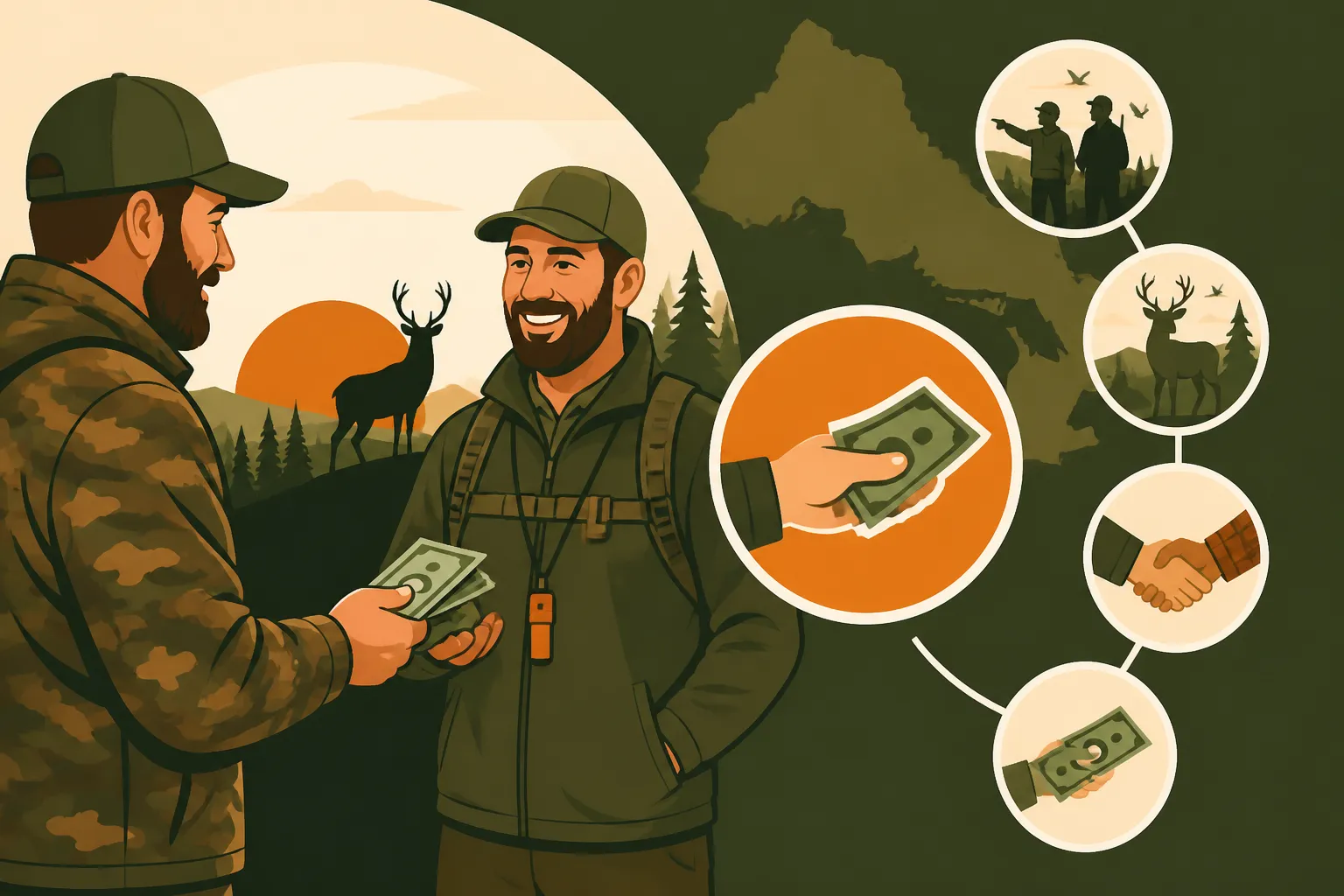
When it comes to the method of tipping, cash is overwhelmingly preferred. There are several good reasons for this. Firstly, it's immediate. Guides and camp staff often work long hours in remote locations and appreciate having cash in hand. Secondly, it avoids any potential deductions or delays that might occur if the tip were processed through the outfitter's books, which can sometimes happen with credit card payments. Cash allows the guide to receive 100% of your gratuity directly and immediately.
Using an envelope for your cash tip is a common practice that provides a level of discretion and professionalism. You can simply hand the sealed envelope to your guide with a sincere thank you. This avoids any awkward fumbling or public display of money. If you're contributing to a pooled tip for camp staff, a single envelope given to the camp manager or outfitter, clearly marked for "Staff Gratuities," is ideal. While some outfitters might offer to add a tip to your final bill, direct cash is almost always the preferred and most appreciated method for the staff themselves. Always be prepared with Canadian currency, as it's the standard in Ontario. For more information on currency, you can check out Currency and Payment on an Ontario Hunt.
What If Things Don't Go as Planned? (When to Adjust Your Tip)
It's an uncomfortable scenario to consider, but sometimes a guided hunt doesn't meet expectations, not due to bad luck, but due to subpar service. Navigating this situation when it comes to tipping requires careful thought and clear communication. The key is to distinguish between factors beyond a guide's control and genuine deficiencies in service.
Dissatisfaction with Service, Not Just Success
Let's be clear: not harvesting an animal is rarely a reason to withhold or drastically reduce a tip if the guide genuinely worked hard and provided a good experience. Hunting, especially Whitetail Hunting in Ontario, is inherently uncertain, and luck plays a significant role. You wouldn't blame a fishing guide if the fish weren't biting, provided they still took you to the best spots, worked hard, and kept you safe. The same principle applies here.
However, if your dissatisfaction stems from a genuine lack of effort, poor safety practices, unprofessional conduct, a demonstrable lack of knowledge, or a consistently negative attitude from your guide, then adjusting your tip is certainly within your rights. For example, if your guide was consistently late, spent more time on their phone than scouting, made unsafe decisions, or was rude, that's a direct reflection on their service. This kind of behaviour impacts the entire experience, making it stressful rather than enjoyable. In such cases, a reduced tip serves as a clear, albeit quiet, message. But remember, this should be an exception, not the rule.
Communication Is Key: Addressing Concerns with the Outfitter
If you find yourself genuinely disappointed with the quality of service, simply reducing the tip and leaving can feel unfulfilling and doesn't always address the root cause. The most constructive approach is to communicate your concerns directly to the outfitter or camp manager before you depart. This gives them an opportunity to understand what went wrong, potentially offer a solution, and address the issue with their staff. A simple, polite conversation can often resolve misunderstandings or highlight areas for improvement.
It's much more impactful for an outfitter to hear constructive feedback directly from a client than to simply see a smaller tip amount without explanation. Many reputable outfitters, like those you might find listed on GoHunt or BookYourHunt, genuinely care about their clients' experiences and want to maintain a high standard of service. Giving them the chance to make it right, or at least understand where they fell short, is a professional courtesy. If, after that conversation, you still feel a reduced tip is warranted, you can proceed with a clear conscience. Sometimes, outfitters will even offer a partial refund or a discount on a future trip if there was a serious service failure, showing they stand by their commitment, even when things don't go perfectly. Remember, outfitters who Ontario Outfitters Who Guarantee Nothing are often the most honest, as they know success depends on many variables, but they should always guarantee effort and professionalism. For serious grievances, knowing Filing a Complaint About an Ontario Guide might be an option, but start with direct communication.
Tipping for Non-Residents and Group Hunts
Tipping can already be a bit of a maze, and when you add in factors like being a non-resident or part of a larger hunting party, it can become even more complex. Let's clear up some of those potential confusions.
Understanding Cultural Nuances and Currency
For non-resident hunters coming to Ontario, especially from countries with different tipping customs, the expectation of tipping can sometimes come as a surprise. In North America, including Canada, tipping in service industries is deeply ingrained, and guided hunts are no exception. Guides and camp staff depend on these gratuities as a significant part of their income, so understanding and adhering to this custom is important.
Always be prepared with Canadian currency for your tips. While some outfitters might accept U.S. dollars for the hunt package, it's best to tip in Canadian funds to avoid any exchange rate issues or inconvenience for the staff. You can usually exchange currency at banks or currency exchange kiosks at airports or border crossings upon arrival. It's wise to have a decent amount of cash on hand specifically for tips, as ATMs might not be readily available in remote hunting camps. Being prepared with local currency shows respect and makes the tipping process smooth for everyone involved. For a broader overview of payment options, you can consult Currency and Payment on an Ontario Hunt.
Splitting Tips in a Group Hunting Scenario
Hunting with a group of friends or family is a fantastic experience, but it can make the "who tips what" question a little trickier. The best approach for group hunts often depends on whether you had individual guides or a shared guide.
If each hunter in your group had their own dedicated guide, then typically each hunter is responsible for tipping their respective guide based on their individual experience and the guidelines discussed earlier. This ensures that personal performance and rapport are directly rewarded.
However, if your group shared one primary guide, or if you were hunting as part of a larger party with several guides and extensive camp staff (common on a Moose Hunting Ontario's Northern Bush trip), a pooled approach often works best. One person, perhaps the group leader or organizer, can collect the total recommended tip amount from everyone for the primary guides and then for the general camp staff. This collected sum can then be distributed by the group leader to the guides, or handed to the outfitter/camp manager for distribution to the entire support team. Clear communication within your group from the outset about tipping expectations can prevent any awkward moments at the end of the trip and ensures fairness among all participants. Establishing an etiquette for Etiquette in an Ontario Hunt Camp also extends to how you handle financial matters like tips within your group.
Disclaimer
This article is for general informational purposes only and does not constitute professional advice. Laws, prices and regulations vary by location and change over time. Consult a qualified professional for guidance on your specific situation.