Hunting an Abandoned Farmstead Bush
Finding prime hunting ground in Ontario, especially in more populated areas, can feel like trying to find a needle in a haystack. So often, we get stuck looking at vast tracts of bush or perfectly manicured farm fields, overlooking those hidden gems that practically scream "wildlife haven." This guide is all about uncovering and effectively hunting one such overlooked treasure: the abandoned farmstead bush.
Why Abandoned Farmsteads are a Hunter's Goldmine
There's something almost magical about an old, forgotten farmstead slowly being reclaimed by nature. These aren't just patches of woods; they're historical markers, often tucked away, that offer a unique blend of diverse habitat and minimal human disturbance. For hunters, they present an incredible opportunity, a concentrated hub of resources that game animals simply can't resist. You'd be surprised how often deer, turkeys, and even bears (depending on your region) will gravitate towards these spots, year after year.
Natural Cover and Food Sources
Think about it: an abandoned farmstead, even just a few acres, is a microcosm of everything a deer or a turkey needs to thrive. You'll often find a diverse mix of old fields reverting to scrub, small stands of mature trees that were once part of a windbreak or woodlot, and even remnant fruit trees like apple or pear that continue to produce. These areas provide an incredible smorgasbord of natural food sources, from acorns and berries to the browse offered by regenerating saplings. This blend of food and cover in a relatively small footprint is a magnet for wildlife.
Beyond the obvious food, these old places offer incredible thermal and security cover. Overgrown fencerows provide travel corridors; thickets of multi-flora rose or hawthorn offer impenetrable bedding areas, especially for a wary old buck. The structures themselves, or what's left of them, can even offer shelter from the elements. This mix creates a micro-habitat that's distinct from the surrounding landscape, drawing in animals from neighbouring agricultural fields or larger forests. It's a natural pit stop and refuge all rolled into one.
Undisturbed Sanctuaries
One of the biggest frustrations for hunters in many parts of Ontario is finding ground that hasn't been pressured by other hunters, hikers, or ATV riders. Abandoned farmsteads often fit this bill perfectly. Because they're not actively farmed, they aren't regularly driven over with tractors. Because they're often tucked away and perhaps a little challenging to access, they see far less foot traffic than a publicly accessible Crown Land parcel. This lower pressure means animals feel more secure and are more likely to exhibit natural behaviours during daylight hours.
I've seen it time and again. A big buck that's been run ragged in a traditional woodlot will often seek refuge in a forgotten patch of bush like an old farmstead. The same goes for turkeys; they'll roost in the mature trees and feed in the overgrown fields, feeling safe from disturbance. This sense of security translates into a more relaxed animal, making them potentially more visible and less skittish. It's like a secret hideout that the animals themselves have chosen, and if you can find it and approach it carefully, you're in for a treat.
Scouting for the Perfect Abandoned Farmstead Bush
Finding these hidden gems isn't always easy, but with a bit of dedication and the right tools, you can significantly increase your odds. This isn't about driving around blindly; it's about strategic planning and careful observation, both from the comfort of your home and out in the field.
Aerial Reconnaissance
Your best friend in the initial scouting phase is satellite imagery. Services like onX Hunt or GoHunt allow you to pore over maps, looking for telltale signs of past human habitation combined with good habitat. What are you looking for? Rectangular clearings that are now overgrown, faint lines that suggest old driveways or lane ways disappearing into the bush, even distinct clumps of mature trees that seem out of place in a large open field. Often, an old building foundation or a cluster of fruit trees will jump out visually.
Start by looking at areas on the fringes of larger agricultural blocks or where smaller woodlots meet bigger tracts of forest. These transition zones are often where abandoned farmsteads can be found, acting as crucial connectors for wildlife movement. You might also spot subtle changes in vegetation, like older, taller hardwoods in an area otherwise dominated by younger growth, indicating a past home site. Use the different map layers available on these apps to your advantage – historical imagery can sometimes reveal more obvious farm structures that have since disappeared. Mark potential spots on your app for future boots-on-the-ground investigation. This process can save you countless hours of aimless wandering, allowing you to focus your physical scouting efforts more effectively. Scouting With Satellite Imagery in Ontario is a game-changer for this kind of work.
On-the-Ground Exploration
Once you've identified a few promising spots from the air, it's time to put boots on the ground. This is where the detective work really begins. When you get to a potential abandoned farmstead, approach cautiously, trying to avoid disturbing any resident wildlife right away. Look for obvious signs of past habitation: crumbling foundations, old wells, rusted farm equipment, remnants of fences, and those tell-tale fruit trees. These are all clues that you're in the right place.
But you're also scouting for fresh animal sign. Look for deer tracks, rubs, and scrapes, especially along edges where the overgrown farmstead meets active agricultural fields or denser timber. Search for turkey scratchings in the leaves and droppings. Identify potential bedding areas within thickets and look for well-used game trails. Are there water sources like old dugouts, small creeks, or even just low-lying wet areas? These are all critical components of good habitat. Pay attention to the types of trees and plants present; a good mast crop from oaks or a patch of wild berries can indicate excellent feeding opportunities. Your goal is to confirm what the aerial photos suggested and build a mental map of how animals are using this specific piece of ground.
Tactics for Hunting Abandoned Farmstead Bush
Once you've found a promising abandoned farmstead and secured permission to hunt, it's time to develop your strategy. These unique environments call for a slightly different approach than hunting a sprawling forest or a simple field edge.
Deer Hunting Strategies
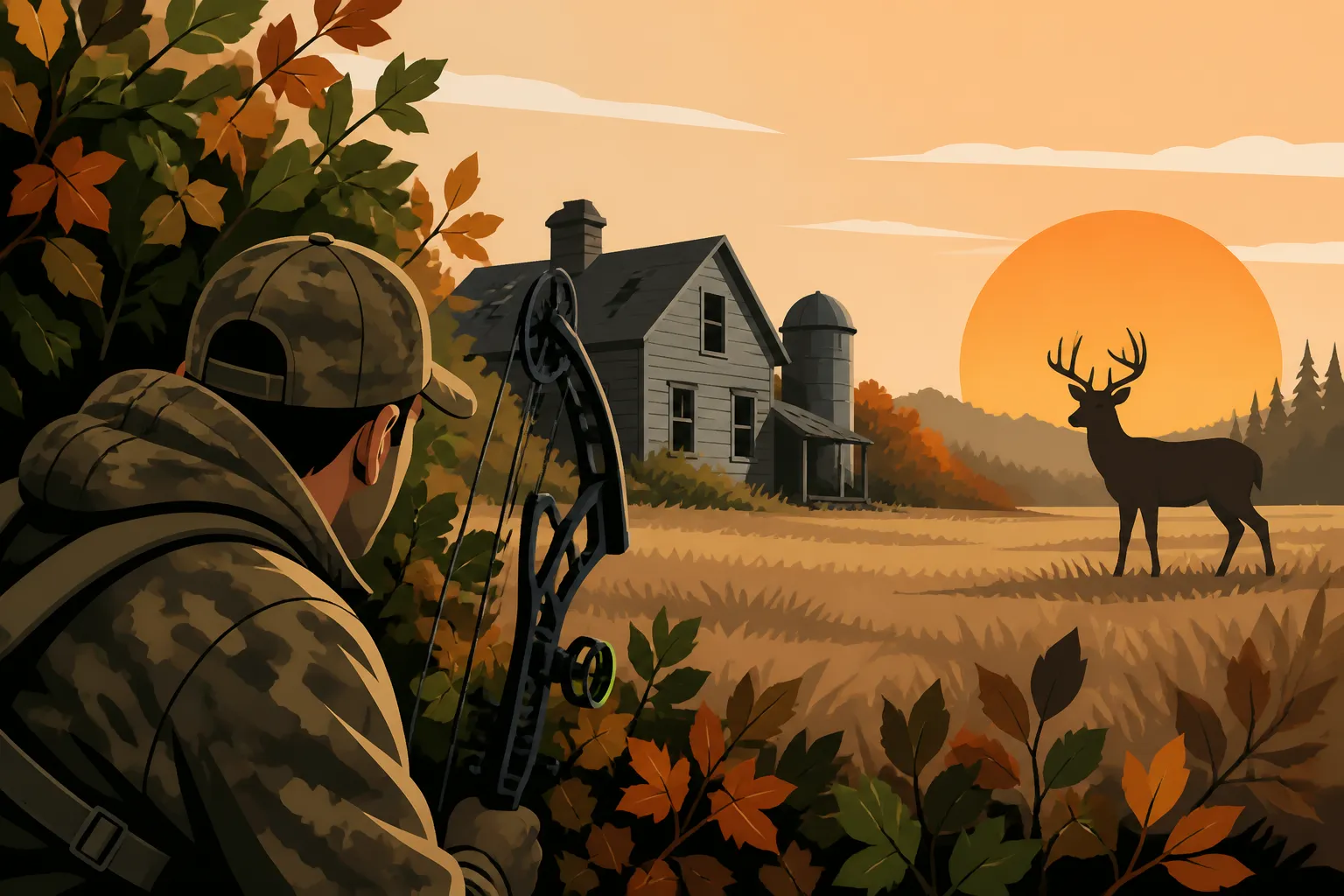
For whitetails, abandoned farmsteads are often transition areas and bedding cover. During the early season, deer might be drawn to old apple trees or remaining crops. As the season progresses, they'll use the dense cover for bedding and the fencerows or overgrown lanes as safe travel corridors. Consider setting up a stand or ground blind on the edge of the abandoned homestead, overlooking a primary travel corridor or a food source like an old apple orchard. If the property is large enough, you might find a natural funnel created by old buildings or dense thickets that forces deer into predictable paths.
During the rut, these spots can be incredible. A mature buck will cruise the edges, checking for does, and does will often seek refuge in the dense cover to escape persistent suitors. Don't be afraid to try rattling or grunt calls, especially during the peak of the rut in early to mid-November. The relatively contained nature of many farmsteads means your calls can carry well without getting lost in vast timber. If you're Hunting a Standing Corn Field Edge or Hunting a Soybean Field at Dusk, remember that deer will use the farmstead as a staging area before moving into the fields, making the transition points excellent ambush locations. Also, keep an eye out for old, brushy fencerows; these make perfect travel routes for deer trying to remain unseen.
Small Game and Upland Bird Opportunities
It's not just deer that love abandoned farmsteads. These spots are fantastic for a variety of small game and upland birds. Rabbits and hare will thrive in the dense brambles and overgrown fields, finding both food and protection from predators. If you're a fan of running beagles, an old farmstead with its mix of thickets and open ground can be perfect for Running Beagles on Ontario Snowshoe Hare or Hunting Cottontails Along a Fencerow.
Wild turkeys are also huge fans. They'll feed on leftover grains, acorns, and insects in the overgrown fields and roost in any mature trees still standing. During the spring turkey season, an old farmstead can offer excellent calling scenarios, especially if there's a good mix of open ground and dense cover for the birds to feel secure. Even ruffed grouse and woodcock can be found in the brushier, wetter areas, particularly if alder bottoms or young aspen stands are present. For these birds, a good bird dog can be invaluable, working the edges and flushing birds from the thick cover. Hunting Ruffed Grouse on an Ontario Bush Road often means finding these forgotten patches of cover nearby.
Here's a quick look at some common signs and what they might tell you:
| Sign Type | What to Look For | What it Means for Hunting |
|---|---|---|
| Old Foundations/Ruins | Crumbling stone or concrete, scattered debris, old wells | Past human presence, often associated with mature trees & cover |
| Overgrown Fields | Tall grasses, brush, young saplings, berry bushes | Excellent bedding and feeding for deer, turkey, small game |
| Remnant Fruit Trees | Apple, pear, cherry trees (often wild/small fruit) | High-value food source, especially in early bow season |
| Thickets/Brambles | Dense patches of hawthorn, multi-flora rose, buckthorn | Impenetrable security cover, bedding areas for deer |
| Old Fencerows | Stone walls, wire fences, often overgrown with brush | Natural travel corridors for deer and small game |
| Water Sources | Old dugouts, wet depressions, small creeks | Essential for all wildlife, can be a magnet in dry conditions |
| Game Trails | Worn paths through vegetation, intersecting other trails | Indicates regular animal movement, prime stand locations |
| Rubs & Scrapes | Fresh antler rubs on trees, disturbed ground with scent | Active buck sign, especially during the rut |
| Turkey Scratchings | Distinctive patterns in leaf litter where turkeys fed | Indicates active turkey feeding areas |
Navigating Access and Ethical Considerations
Hunting an abandoned farmstead can be incredibly rewarding, but it comes with a significant responsibility, especially when it comes to land access and respectful conduct.
Gaining Permission
This is perhaps the most crucial step, and one that trips up many hunters. While the farmstead might be "abandoned," the land is almost certainly still owned by someone. You absolutely must gain explicit permission from the landowner before stepping foot on the property to hunt. What Ontario Trespass Law Requires is very clear on this. Never assume that just because it looks derelict, it's fair game. Doing so not only puts you at risk of legal trouble but also gives all hunters a bad name, making it harder for others to secure access in the future.
Start by identifying the landowner. This can sometimes be done through local municipal offices or by talking to neighbours. Once you have a name, a polite, well-prepared approach is key. Explain what you're interested in hunting, offer to share some of your harvest, and assure them you'll be respectful of their property. Leaving your contact information is also a good idea. Sometimes, these old farmsteads are owned by distant relatives who rarely visit, and they might be happy to have someone looking after the property, even if it's for hunting. Patience and persistence are often required here, but the reward of a private, unpressured hunting spot is well worth the effort. Knocking on Doors in Southern Ontario is a skill worth developing!
Respecting History and Land
When you're hunting an abandoned farmstead, you're not just in a patch of woods; you're in a place with history. It was once someone's home, their livelihood, their connection to the land. Approach these areas with a sense of reverence. This means treating any remaining structures, even crumbling ones, with respect. Don't disturb old foundations, don't litter, and certainly don't use any remaining buildings as targets or for firewood. Your presence should leave no trace beyond your tracks.
Furthermore, practice impeccable hunting ethics. Know your target, ensure a clean shot, and always follow up diligently. If you're fortunate enough to harvest an animal, handle the meat with care, especially if you're in one of Ontario's warmer early seasons where Field Dressing in Warm Ontario Weather is a consideration. Leave the property cleaner than you found it, picking up any stray trash you might encounter. By acting as a responsible steward of these unique pieces of land, you not only ensure your own access but also build a positive reputation for hunters in general, paving the way for others.
Disclaimer
This article is for general informational purposes only and does not constitute professional advice. Laws, prices and regulations vary by location and change over time. Consult a qualified professional for guidance on your specific situation.