Hunting Ontario’s Far Northern Units
Ever gazed at a map of Ontario and seen all that vast, green expanse up north, dreaming of a truly wild hunt? It’s a compelling thought, but the reality of hunting Ontario's far northern units comes with unique challenges, from endless travel to navigating untamed wilderness. This guide will walk you through what to expect, how to prepare, and why these remote adventures offer some of the most rewarding experiences a hunter can find.
Defining Ontario's Far North: A Different Kind of Wilderness
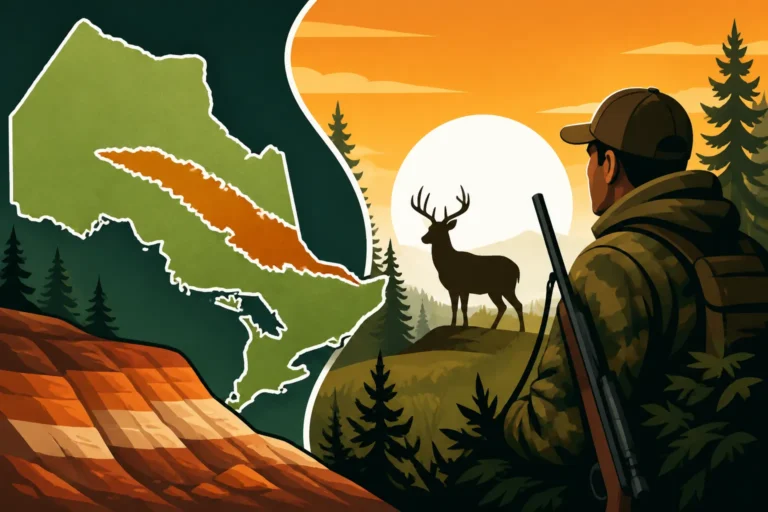
When we talk about Ontario's far northern units, we're not just referring to areas a couple of hours north of cottage country. We're talking about vast, sparsely populated regions, often stretching hundreds of kilometers north of major highways like the Trans-Canada, into the true boreal forest and beyond. These are the Wildlife Management Units (WMUs) that demand significant travel, meticulous planning, and a true commitment to wilderness hunting.
These WMUs are characterized by an incredible amount of undeveloped Crown land, dotted with countless lakes, rivers, and muskeg. The human footprint is minimal, meaning fewer roads, fewer towns, and significantly fewer other hunters compared to the more accessible regions further south. You won't find bustling coffee shops or big box stores around every corner here; cell service is often non-existent, and help can be a very long way off. This isn't just a different scale of hunting; it's a different mindset entirely. The sheer remoteness is both the biggest draw and the greatest challenge, offering an opportunity to truly disconnect and test your skills against nature on its own terms. It's a place where you're not just hunting for an animal, but for an experience that profoundly connects you to the wild.
The Unique Landscape and Its Challenges
The landscape itself in Ontario's far northern units presents unique obstacles that differ significantly from, say, hunting in Hunting Deer in Southern Ontario Farmland. Here, you'll encounter extensive tracts of black spruce and jack pine, often dense and unforgiving, interspersed with vast areas of boggy muskeg and rocky Canadian Shield outcrops. Navigating this terrain requires specific gear and a robust constitution. Bushwhacking through dense conifers with a pack on your back is a whole different ballgame than walking through open hardwoods. Rivers and lakes are often the highways of the north, and access may mean a boat or even a float plane.
For many, the biggest frustration is the sheer scale. You might scout an area on a mapping app like onX Hunt, identifying promising clear-cuts or beaver ponds, only to realize that getting to them involves an arduous, multi-day journey through thick timber and across water. The distances are immense, and what looks like a short walk on a map can easily turn into an all-day epic. The weather, too, is a constant factor; conditions can change dramatically and rapidly, bringing sudden cold snaps, heavy rain, or even early snow that can complicate travel and impact game movement. These aren't just minor inconveniences; they're genuine factors that can make or break a hunt, demanding respect and thorough preparation.
Essential Planning for Remote Northern Hunts
Hunting in Ontario's far northern units isn't a spur-of-the-moment decision. It requires meticulous planning, often months in advance, to ensure both a successful and safe trip. Because of the limited infrastructure and immense distances, every detail, from fuel consumption to emergency communication, needs to be considered. This preparation stage is as much a part of the adventure as the hunt itself.
You'll need to think about more than just your rifle or bow. Your vehicle, your navigation tools, your food, water, and first-aid supplies become absolutely critical. Without a solid plan, you can quickly find yourself in a dangerous situation. Think of it as a wilderness expedition where the goal is to hunt, not just a hunting trip. This level of foresight can be daunting, but it's what separates a memorable, safe northern hunt from a miserable, or even disastrous, one.
Mastering Maps and Navigation
In the far north, your phone's GPS is often useless due to a complete lack of cell service. This is where traditional navigation skills and dedicated satellite-based tools become non-negotiable. Topographic maps are your best friend, revealing elevation changes, water bodies, and vegetation patterns that are invisible on a flat road map. Learning to read these maps and use a compass is a fundamental skill. I always recommend carrying multiple forms of navigation: a good old-fashioned paper map and compass, a handheld GPS unit, and a reliable satellite-enabled mapping app like onX Hunt downloaded with offline maps. This redundancy isn't overkill; it's essential for safety in areas where getting lost can have severe consequences. Imagine being deep in the bush, miles from your camp, and your primary electronic device fails – having a backup plan is paramount.
Before you even leave home, spend hours poring over maps of your chosen WMU. Look for features that concentrate game, such as old logging cuts, beaver ponds, creek bottoms, and changes in forest type. Scouting With Satellite Imagery in Ontario can give you a fantastic overview, helping you identify potential access points and areas of interest long before you set foot on the ground. When you're physically in the bush, pay constant attention to your surroundings, noting landmarks, and periodically checking your position. It's easy to get turned around when the terrain looks similar in every direction, so consistent awareness is key. For more on the basics, check out Reading an Ontario WMU Map Before You Go.
Logistics, Gear, and Emergency Preparedness
Your packing list for a northern hunt will look different from a local deer hunt. Think about self-sufficiency for an extended period. This includes:
- Fuel: Extra jerry cans for your vehicle and potentially an ATV or boat. Fuel stops can be hundreds of kilometers apart.
- Food and Water: Enough for your entire trip, plus an emergency reserve. Water filters or purification tablets are a must.
- Shelter: A robust tent or cabin that can withstand harsh weather.
- Communication: A satellite phone or a two-way satellite messenger like a Garmin inReach is absolutely crucial. These devices can literally save your life by allowing you to call for help even without cell service.
- First Aid: A comprehensive kit, and training on how to use it for serious injuries. Remember, professional medical help is not just minutes away.
- Vehicle Preparedness: A well-maintained vehicle, a full-size spare tire, tire repair kit, jumper cables, and basic tools. Consider a winch if you're venturing far off main roads. Truck Kit for a Northern Ontario Hunt has some great tips.
| Item Category | Southern Ontario Hunt (Example) | Far Northern Ontario Hunt (Example) |
|---|---|---|
| Navigation | Smartphone GPS, paper map (optional) | Topo maps, compass, handheld GPS, satellite communicator (e.g., inReach) |
| Communication | Cell phone | Satellite phone/messenger, emergency locator beacon |
| Shelter | Day-use blind, basic pop-up tent | Robust tent, stove-capable wall tent, remote cabin |
| Food & Water | Packed lunch, water bottle, resupply at local store | Multi-day supply, water filter/purifier, emergency rations |
| Vehicle Access | Paved roads, short gravel drives | Rough gravel roads, bush trails, ATV/boat access, float plane |
| Emergency Prep | Basic first aid, calling 911 on cell | Advanced first aid, wilderness survival skills, dedicated rescue plan |
| Wildlife | Deer, turkey, small game (bears rare) | Moose, bear, wolves, lynx, abundant small game |
Always let someone responsible know your detailed itinerary, including your expected return date and the specific WMU you'll be in. This "flight plan" is your safety net. Should you get What to Do If You Get Turned Around, having someone know your general location can be the difference between a minor inconvenience and a dire situation.
Hunting Opportunities: Species and Strategies Unique to the Far North
The far northern units of Ontario offer a distinctly different hunting experience compared to the agricultural zones or even the mixed forests of central Ontario. The species you'll encounter and the strategies you'll employ are dictated by the rugged landscape and the lower population densities. This is prime big game country, and the rewards can be truly immense for those willing to put in the effort.
While the numbers of certain species might be lower per square mile than in more productive southern habitats, the sheer amount of undisturbed habitat often means bigger, older animals that have seen very little human pressure. You might not see as many deer tracks, but the tracks you do find could belong to a monster. This is where patience, persistence, and an understanding of how animals utilize vast wilderness spaces truly pay off.
Pursuing Northern Big Game
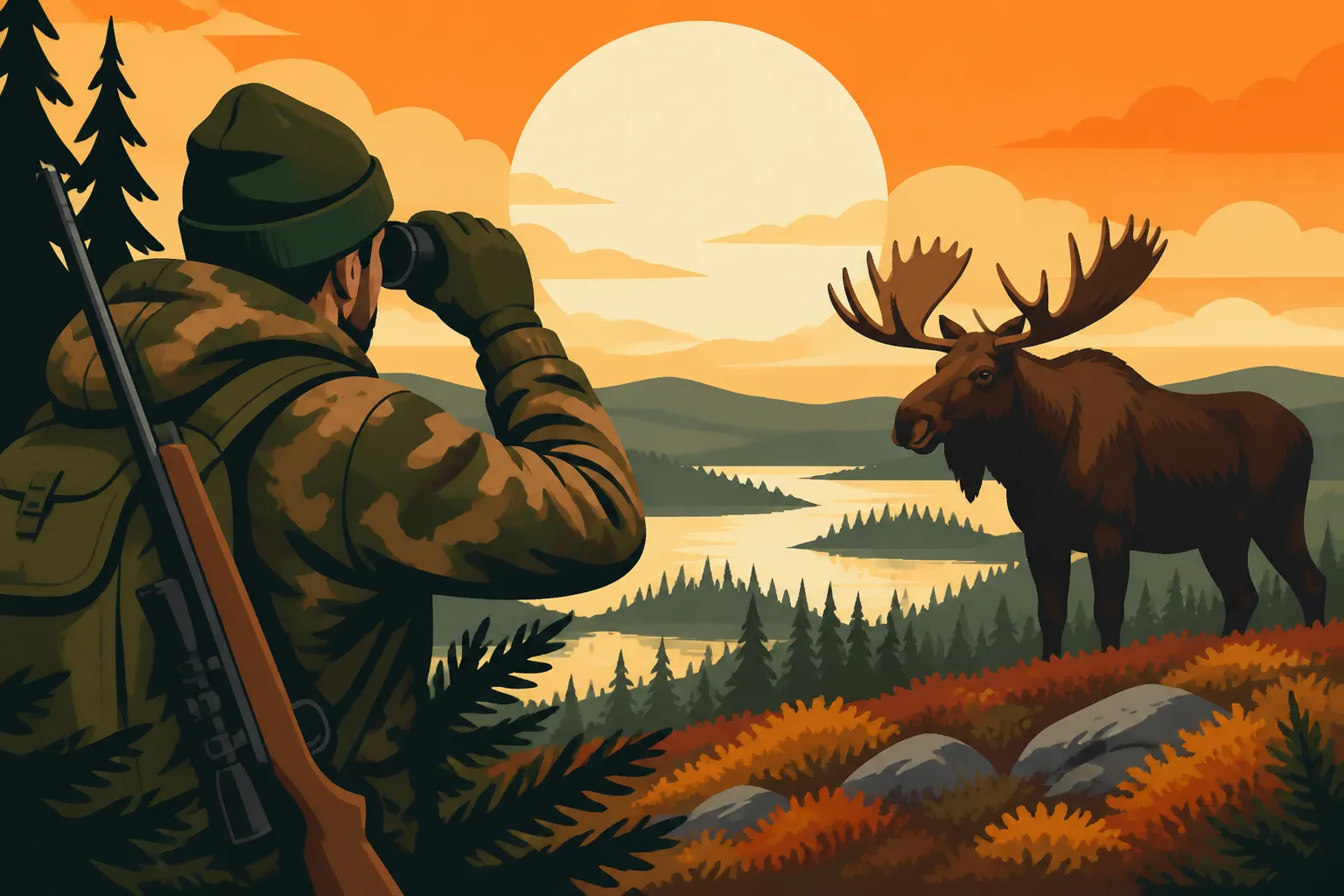
Moose are arguably the kings of the northern bush, and these far northern units are often where you'll find some of the best opportunities for a genuine wilderness moose hunt. Access is often difficult, making these areas less pressured. Hunters here might be employing tactics like Calling a Bull Moose in the Rut or Hunting Moose From a Boat or Canoe along expansive lake systems and rivers. Unlike southern moose hunts, where road hunting might be more common, deep in the north, you'll likely be hiking, canoeing, or using an ATV to get away from any main tracks. Knowing the moose's preferred habitat – often areas with young regrowth after a fire or logging, and plenty of aquatic vegetation – is critical. Moose Hunting Ontario's Northern Bush provides a deep dive into these techniques.
Black Bears also thrive in these vast northern forests. With endless tracts of berries, nuts, and natural food sources, bears grow large and numerous. While baiting is a common method in Ontario, hunting bears in the far north often involves spot and stalk in burn areas or clear-cuts, or ambushing them near natural food sources. The challenge is immense, as bears can travel vast distances. Having a solid understanding of their diet and seasonal movements is paramount. Black Bear Hunting in Ontario covers the range of methods for pursuing these powerful animals.
Wolves and Coyotes are also present in these regions. While not primary target species for many, they offer an exciting challenge for those looking to expand their experience. Calling is a popular method, but these animals are incredibly wary, making success a true testament to a hunter's skill.
Upland Birds and Small Game
While big game might be the primary draw, the far northern units also offer fantastic opportunities for upland birds and small game. Ruffed grouse are abundant, especially along old logging roads, regenerating clear-cuts, and the edges of mixed forests. Walking these remote bush roads with a shotgun or even a .22 can provide excellent sport and put some delicious meat in the pot. Ruffed Grouse Hunting Ontario's Bush Roads goes into more detail about finding these feathered rockets.
Snowshoe hare are also widespread, particularly in dense conifer stands and along swamp edges. Their populations fluctuate in cycles, but during peak years, you can find incredible numbers. Bringing a small game licence along for your big game hunt is always a good idea; it offers a chance to fill some downtime and explore different aspects of the northern ecosystem. The abundance of these smaller creatures often paints a vivid picture of the overall health of the northern environment.
Safety and Survival in the Unforgiving Northern Landscape
The raw beauty of Ontario's far northern units is undeniable, but it comes with a serious understanding: this wilderness demands respect. Unlike hunting closer to civilization, mistakes here can escalate quickly. Being prepared for emergencies, understanding the risks, and having a plan are not just good ideas—they are essential for survival.
The vastness means that if something goes wrong, you are truly on your own for a significant amount of time. You cannot rely on a quick phone call or a nearby gas station. Your personal responsibility for safety takes on a whole new dimension in these remote landscapes. This is where the thrill of true self-reliance meets the sobering reality of nature's indifference.
Navigating Remote Terrain and Weather Extremes
As mentioned earlier, getting lost is a real and present danger. Even with the best navigation tools, a moment of inattention in thick bush or a sudden fog can disorient you. Always travel with a partner if possible, and stick to your planned routes. If you do get turned around, the absolute first step is to stay calm and assess your situation. Resist the urge to panic and wander aimlessly. Using your compass to establish a general direction, or trying to backtrack your steps, is far more effective. For critical advice on what to do, refer to What to Do If You Get Turned Around.
Weather is another major factor. Northern Ontario can see dramatic swings in temperature, even within a single day. Early fall hunts can bring warm days but freezing nights. Late fall hunts can bring sudden, heavy snowfalls that make travel impossible and quickly deplete your body heat if you're not adequately dressed. Layering your clothing is paramount, and always carry rain gear, even if the forecast looks clear. Hypothermia is a silent killer in the bush, and staying dry and warm is your best defense. Prepare for the worst conditions and hope for the best.
Wildlife Encounters and Self-Sufficiency
Beyond the game you're pursuing, you'll share the northern wilderness with other powerful creatures, most notably black bears and wolves. While serious negative encounters are rare, it's vital to be bear-aware. Store food properly, keep a clean camp, and carry bear spray. Knowing how to react in a bear encounter, whether it's a defensive sow or a curious boar, is crucial. Remember, you're in their home, and respecting their space is key.
True self-sufficiency is the hallmark of a successful northern hunter. This means having the skills and gear to handle unexpected challenges. Can you start a fire in the rain? Do you know basic first aid for a sprained ankle or a cut? Can you purify water? These practical skills, often overlooked in more accessible hunting areas, become lifelines in the far north. A satellite communicator like a two-way satellite messenger is invaluable for these situations, allowing you to signal for help or update family on your status. Embrace the learning curve, and view these challenges as part of the unique experience that these remote units offer. For more on navigating Crown land, consider Hunting Ontario's Crown Land.
Disclaimer
This article is for general informational purposes only and does not constitute professional advice. Laws, prices and regulations vary by location and change over time. Consult a qualified professional for guidance on your specific situation.