Hunting the Grey and Bruce Farmland
Hunting in Ontario's Grey and Bruce counties can feel like a totally different world compared to the vast expanses of Crown Land further north. It’s a landscape of rolling hills, rich agricultural fields, and countless small woodlots, making for a unique set of challenges and immense rewards for the dedicated hunter. If you've ever felt overwhelmed by the sheer amount of private land or unsure how to approach landowners, this guide is for you. We're going to break down how to successfully navigate and hunt this productive region, offering strategies to maximize your time afield and connect with the excellent game opportunities available here.
Understanding the Grey and Bruce Farmland Landscape for Hunting
When you look at a map of Grey and Bruce counties, you immediately notice the checkerboard pattern of fields and bush. It's not the unbroken wilderness of the boreal forest, but a mosaic shaped by centuries of agriculture. This distinct landscape profoundly influences animal behaviour, hunting strategies, and the overall experience. Hunters often find themselves navigating a blend of open fields, dense fencerows, and scattered woodlots, each holding its own secrets and challenges. It's a place where patience and respect for private property are paramount, but where the rewards for those who put in the effort can be truly outstanding.
The Unique Blend of Agriculture and Bush Lots
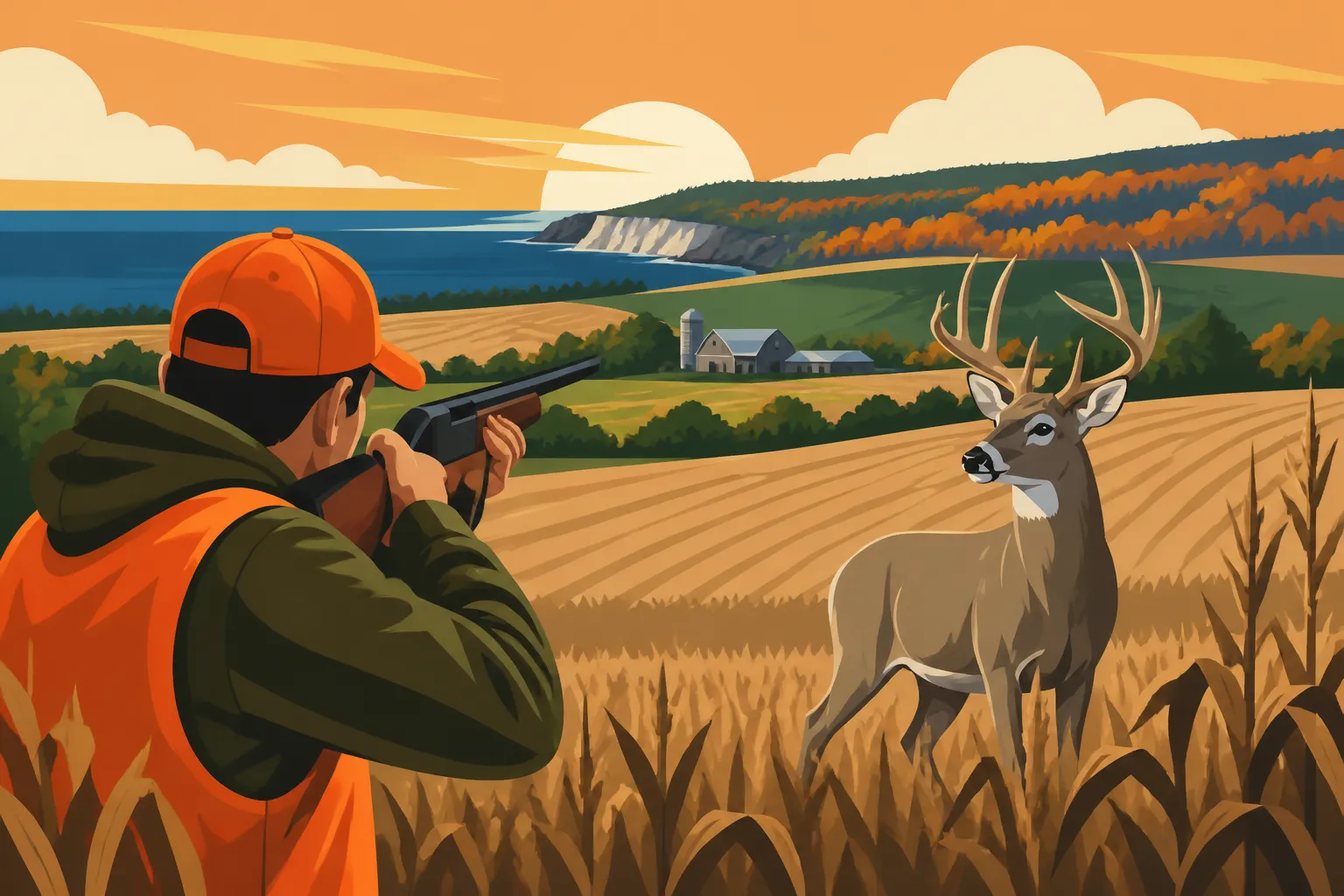
The Grey and Bruce counties are characterized by their fertile soils and productive farmlands, with crops like corn, soybeans, and winter wheat dominating the landscape. These agricultural fields provide an incredible food source for a variety of game species, particularly white-tailed deer. Picture a crisp November morning, standing on the edge of a harvested cornfield, knowing that deer have been using it as both a pantry and a travel corridor. This abundance of food is a primary reason Why Southern Ontario Grows Heavy Bucks. Surrounding these fields are often small, irregular bush lots – woodlots that farmers have left or that are simply too rocky or wet to cultivate. These bush lots, varying in size from a few acres to hundreds, become crucial cover and bedding areas. They're often interconnected by fencerows, drainage ditches, and riparian zones along creeks, creating natural highways for deer and other wildlife to move between food and cover without being exposed in the open fields. Understanding this intricate relationship between food and cover is the first step to unlocking hunting success in this region. You might find a small, overlooked woodlot that acts as a staging area before deer head out into a soybean field at dusk.
These bush lots might be a mix of hardwoods, like maple and oak, providing acorns in the fall, or cedar swamps and conifer stands offering critical thermal cover during colder months. The diversity within these small pockets of timber provides year-round sanctuary and resources for wildlife. Sometimes, a forgotten apple orchard on the edge of a bush lot can be a magnet for deer in late summer and early fall. The challenge, and the beauty, lies in identifying these key areas and understanding how deer utilize them throughout the day and across the seasons. Modern mapping tools can be invaluable here, helping you visualize these features and identify potential travel routes.
Common Game Species You'll Encounter
While the Grey and Bruce region is perhaps most renowned for its white-tailed deer hunting, it's a diverse ecosystem that supports a range of other game species as well. For many, the chance to chase a mature whitetail buck through rolling farmland is the ultimate draw. The combination of abundant food and diverse cover in this agricultural-forest mosaic leads to healthy deer populations and, often, impressive antler growth. You'll spend hours pouring over maps and scouting the edges of fields, looking for tracks leading into a secluded bush lot, knowing a heavy-racked buck might be calling it home. Hunters here often focus heavily on the rut, which typically peaks Hunting the Rut in Early to Mid November, capitalizing on increased deer movement.
Beyond deer, you'll find healthy populations of wild turkeys, especially in the spring. Their unmistakable gobble echoing across a freshly tilled field or from a hardwood ridge is a sound that gets any turkey hunter's blood pumping. Spring Turkey Hunting in Ontario offers fantastic opportunities in this area, with birds often roosting in woodlots and feeding in open fields. Small game, such as cottontail rabbits and snowshoe hare, are also common along fencerows and in brushy areas, providing excellent opportunities for a different kind of hunt. You might even encounter coyotes, which are quite prevalent in farm country, offering an exciting challenge for predator hunters. Knowing which species inhabit specific habitats, from the edges of a Hunting a Standing Corn Field Edge to the dense cover of a cedar swamp, is key to tailoring your hunting approach.
Navigating the Challenges of Farm Country Hunting
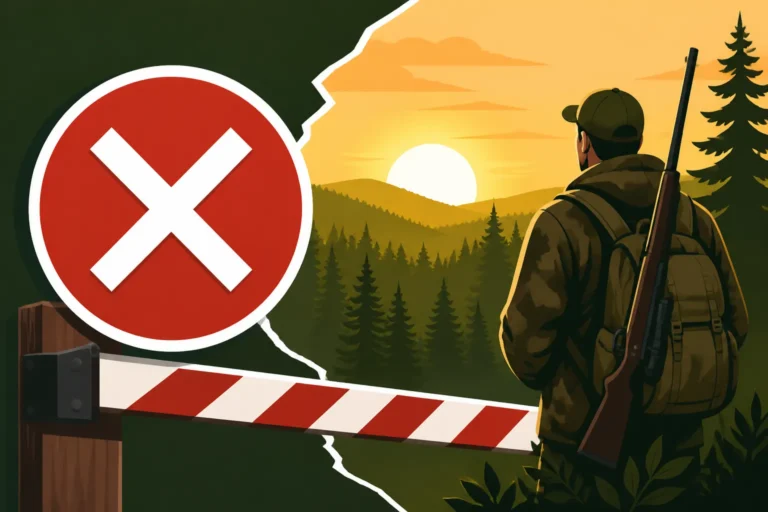
Hunting in Grey and Bruce farmland isn't without its unique set of challenges. Unlike vast tracts of Crown Land, the majority of this region is privately owned, making landowner permission the single most critical factor for success. This isn't always easy, as many properties have been leased for years, or landowners may be hesitant due to past negative experiences. You'll need to develop strong communication skills and a respectful approach when Knocking on Doors in Southern Ontario. Another hurdle is the presence of roads and human activity. You're never far from a town, a farmstead, or a busy road, which means increased pressure on game and the need for extra caution regarding shot placement and safe shooting lanes. The game animals here are often more wary and nocturnal than their northern counterparts, having adapted to living in close proximity to people.
Furthermore, the fragmented nature of the habitat means that game animals can quickly cross property lines. You might be watching a magnificent buck head into a neighbouring field where you don't have permission, which can be incredibly frustrating. Hunting a Fencerow Between Two Fields can be a great tactic, but you must always be aware of the boundaries. Weather can also be a significant factor. Early season hunts can mean dealing with warm temperatures, requiring careful Field Dressing in Warm Ontario Weather to preserve your harvest. Later in the season, conditions can shift rapidly, bringing cold winds and snow, making proper layering and equipment essential. Success in this landscape isn't just about hunting skill; it's about navigating the social, logistical, and environmental complexities with patience and respect.
Essential Strategies for Hunting Success in Grey and Bruce
Hunting in the Grey and Bruce farmland requires a more nuanced approach than simply heading into the woods. Success hinges on a combination of strategic planning, thoughtful scouting, and a deep understanding of how deer and other game interact with the agricultural landscape. It’s about being a detective, reading the subtle clues the land and the animals provide, and leveraging technology to your advantage. Many seasoned hunters in this region will tell you that the hunt begins long before you ever step foot in the field, starting with building relationships and meticulously dissecting maps.
The Art of Gaining Landowner Permission
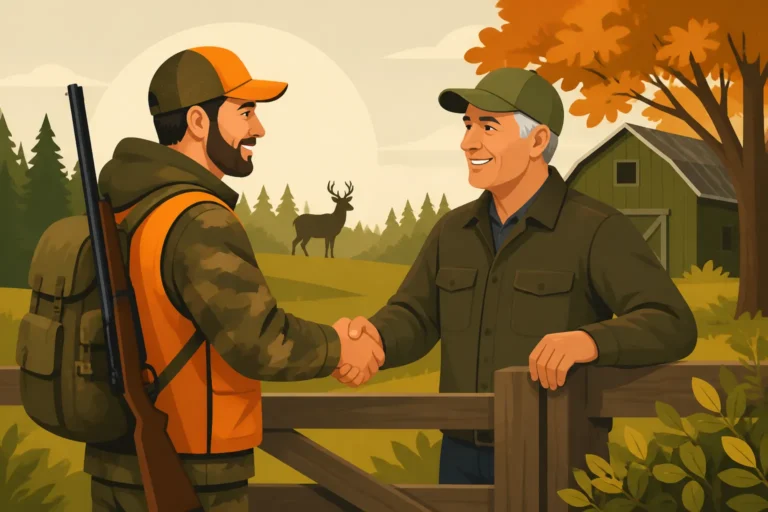
This is, without a doubt, the most important aspect of hunting in the Grey and Bruce counties. Without permission, you simply cannot hunt. It's a truth that can be daunting, but with the right approach, it's absolutely achievable. Start early, well before the season opens, and be prepared for some rejection. When approaching landowners, always be polite, respectful, and articulate. Dress neatly, introduce yourself, and clearly state your intentions. Offer to help with chores, pick up trash, or even share some of your harvest. Many landowners appreciate a responsible hunter who respects their property and their wishes. Think of it as building a long-term relationship, not a one-off transaction. Emphasize safety, and offer to provide your contact information and even a copy of your hunting license and Outdoors Card.
Digital mapping apps, such as onX Hunt, can be incredibly useful when seeking permission. They allow you to clearly identify property boundaries and landowner names, giving you the information you need to make a targeted and informed approach. Before you even knock, you can often identify a parcel that looks promising for a Hunting a Bush Lot Beside a Farm setup. Carrying a printed map of their property, perhaps highlighting the area you'd like to hunt, shows professionalism and that you've done your homework. Always respect their decision, whether it's a yes or a no. Even a "no" today could be a "yes" next year if you've left a positive impression. Understanding Ontario Trespass and Landowner Law is also crucial, so you know your rights and responsibilities, and more importantly, the landowner's expectations.
Reading the Land: Field Edges, Woodlots, and Water
Once you have permission, the real scouting begins. The Grey and Bruce landscape offers a myriad of features that funnel deer and other game. Field edges are prime locations. Deer often move along the transition zone between open fields and cover, using the edge for security while accessing food. Look for trails leading into fields, especially where crops like corn or soybeans provide cover and forage. Water sources, such as small creeks, drainage ditches, and farm ponds, are also magnets for wildlife, especially during dry periods. These often create natural funnels or crossings that deer will habitually use. Utilizing tools like GoHunt can help you understand game movement patterns and identify these key features.
Woodlots, even small ones, serve as critical bedding and security cover. Spend time walking the edges of these woodlots, looking for rubs, scrapes, and heavy trails. If possible, sneak into the thicker parts of the woods, paying close attention to benches, saddles, and dense pockets of cover where deer might bed down. Reading Whitetail Sign in Ontario Hardwoods is a skill that becomes even more important in these smaller, often pressured areas. Don't overlook fencerows or hedgerows; these linear features are often heavily used travel corridors, especially during daylight hours. They provide cover in otherwise open country and allow deer to move with a sense of security. Identifying these pinch points and natural funnels is key to setting up an effective stand or blind location.
Effective Hunting Methods for Farmland Whitetails
The methods you employ in Grey and Bruce will often differ from those used in deep northern bush. Stand hunting from a treestand or ground blind is probably the most common and effective strategy. Focus your setups along field edges, near primary trails entering woodlots, or overlooking natural funnels like creek crossings. Because deer here can be more nocturnal due to pressure, evening hunts, particularly the last hour or two of daylight when deer move out to feed, are often highly productive. Early morning hunts, catching deer returning from fields to bed, can also be rewarding. Scent control is paramount; deer in these areas are highly sensitive to human presence.
Still-hunting or slow drives can also be effective, especially in larger woodlots or when done with a small group. For drives, focus on moving deer gently towards strategically placed standers. Deer Drives With Three or Four Hunters can work wonderfully in these fragmented landscapes, pushing deer out of a dense bush lot into a waiting hunter's shooting lane. Calling can also be successful, particularly during the rut. Grunt calls and rattling sequences can sometimes bring a curious buck out of a thicket, especially if you're set up on a good travel corridor. Patience, minimal disturbance, and smart stand placement based on prevailing winds are your best friends in this highly productive, yet challenging, farm country.
Practical Considerations for Your Grey and Bruce Hunt
Embarking on a hunting trip in the Grey and Bruce region involves more than just understanding the wildlife; it means navigating the specific rules, practicalities, and community expectations that come with hunting in a more populated, agricultural area. From adhering to local bylaws to having the right gear, and even knowing how to properly care for your game, being prepared for the unique environment of southern Ontario farm country will make your experience much smoother and more enjoyable.
Access, Regulations, and Local Etiquette
Securing landowner permission is only the first step. You also need to understand the local regulations. While provincial hunting rules are consistent across Ontario, individual municipalities within Grey and Bruce might have specific bylaws regarding firearm discharge zones, Sunday gun hunting (though generally permitted throughout Ontario, local nuances can exist), or other restrictions. Always check with the local municipal office or police service if you have any doubts. Ontario Deer Season Dates by WMU will also vary, so ensure you know the specific dates for the Wildlife Management Unit (WMU) you'll be hunting in. Carrying your Outdoors Card and all required licenses, whether physically or digitally on your phone, is a must.
Beyond official regulations, local etiquette is incredibly important. Drive slowly on rural roads, especially near farmhouses. Close all gates behind you. Avoid disturbing livestock – if you see cattle in a pasture, find an alternative route or ask the farmer for specific instructions. Leave no trace; pack out everything you pack in, and perhaps even pick up some trash you find that isn't yours. If you've gained permission, consider dropping off a small thank-you gift after the season, or offer to help with a task around the farm. These small gestures go a long way in fostering good relationships with landowners, which can lead to continued hunting access for years to come. Remember, you are a guest on their land.
Gear and Preparation for Farm Country Conditions
The gear you bring for a Grey and Bruce hunt should be tailored to the conditions of farm country. While you might not be bush-crashing through miles of dense boreal forest, you'll likely be walking long distances along field edges, through wet fencerows, and in and out of thick bush lots. Good quality, waterproof boots are essential, as you'll encounter dew-soaked fields in the morning, muddy paths, and potentially standing water in ditches. Layered clothing is always wise, as southern Ontario weather can be unpredictable, with crisp mornings giving way to surprisingly warm afternoons, especially in the early fall. Remember that How Much Blaze Orange Ontario Requires dictates specific amounts of blaze orange to be worn during gun seasons for safety.
Opt for quiet fabrics that won't rustle as you move through brush or climb into a stand. A good pair of binoculars is invaluable for glassing distant field edges or spotting deer moving through a woodlot. If you plan on still-hunting or doing small drives, a comfortable, lightweight backpack with water, snacks, and emergency supplies is a must. Don't forget a sharp knife and game bags for field dressing, as you might be a fair distance from your vehicle. A quality mapping app like onX Hunt or even physical Where to Get an Ontario WMU Map can help you keep track of property boundaries, marked trails, and your planned routes, especially important when navigating fragmented properties.
Post-Harvest Care in Southern Ontario
Once you've successfully harvested an animal, particularly a deer or turkey, proper post-harvest care is crucial, especially given that some Grey and Bruce seasons can run during warmer periods. The primary goal is to cool the animal down as quickly as possible to prevent spoilage. Field dressing immediately after the harvest is paramount. If you're far from your vehicle, having game bags or a tarp to protect the meat during transport is a good idea. Consider the outside temperature; if it's unseasonably warm, you'll need to get the animal to a cooler or processor quickly.
Transporting your animal discreetly and respectfully is also important in a more populated area. Cover your harvested game with a tarp or blanket in the back of your truck or on your ATV. If you don't have access to your own walk-in cooler, research local butchers or meat processors in the Grey and Bruce area ahead of time. Many will be equipped to handle wild game and can process your animal quickly and efficiently. Always ensure you follow Ontario Tag Notching and Attachment Rules and properly report your harvest to the province as required. Respect for the animal, the land, and the community extends right through to ensuring your harvest is handled ethically and professionally.
| Habitat Type | Common Game Species | Typical Location / Features | Hunting Strategy Notes |
|---|---|---|---|
| Agricultural Fields | Whitetail Deer, Wild Turkey | Corn, soybeans, winter wheat, hay fields, often with brushy edges. | Evening stands, morning stalks (turkey), scouting for sign. |
| Small Woodlots | Whitetail Deer, Coyote | Deciduous or mixed woods, often surrounded by fields. Bedding cover. | Stand hunting near trails, small drives, scent control. |
| Fencerows/Hedgerows | Whitetail Deer, Rabbit | Linear lines of brush, small trees between fields. Travel corridors. | Ambush points, still-hunting carefully, jump-shooting. |
| Creek Bottoms | Whitetail Deer, Waterfowl | Riparian zones, drainage ditches, often dense cover and water. | Natural funnels, ambush points, scouting for crossings. |
| Cedar Swamps | Whitetail Deer, Hare | Dense evergreen cover, wet ground. Thermal cover in cold weather. | Still-hunting slowly, pushing edges, late season focus. |
Disclaimer
This article is for general informational purposes only and does not constitute professional advice. Laws, prices and regulations vary by location and change over time. Consult a qualified professional for guidance on your specific situation.