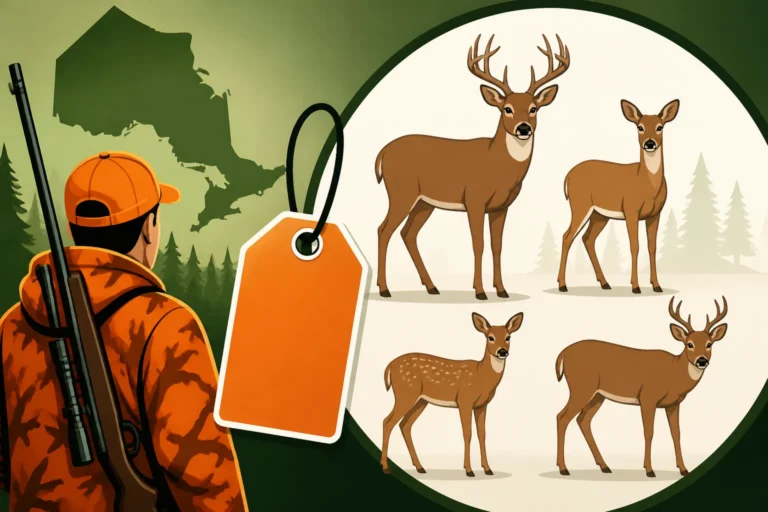
Where Ontario Rules Changed This Year
It’s a frustrating truth for any dedicated hunter in Ontario: the rules aren't carved in stone. Just when you think you've got a handle on season dates, tag allocations, or even what gear is legal, the Ministry of Natural Resources and Forestry (MNRF) can introduce changes. This comprehensive guide is here to walk you through the common areas where Ontario hunting regulations see shifts each year, helping you understand what to look for and how to stay on the right side of the law.
Understanding the Annual Ontario Hunting Regulations Summary
Every single year, the Ministry of Natural Resources and Forestry (MNRF) publishes an updated Hunting Regulations Summary. For many of us, this document is akin to a hunting bible, dictating everything from open seasons and bag limits to legal hunting methods and licensing requirements. Yet, it’s not static, and missing just one subtle tweak can put you in a tough spot.
Why Rules Change: The Ministry's Rationale
You might wonder why the rules can't just stay the same. It often feels like a moving target, doesn't it? The truth is, hunting regulations in Ontario are a dynamic tool used by the MNRF for a whole host of reasons, primarily centered around wildlife management and conservation. Animal populations aren't static; they fluctuate due to environmental factors like habitat availability, disease, predation, and even the severity of winter. A harsh winter can decimate a deer herd, leading to reduced antlerless tags the following season to allow for recovery. Conversely, a booming population might see expanded opportunities.
Beyond population dynamics, public safety and hunter pressure also play a significant role. If a particular area sees a surge in hunting accidents or if wildlife-human conflicts increase, the Ministry might adjust hunting zones, implement controlled hunts, or even alter hunting hours. Economic factors, changes in land use (like new developments or protected areas), and even advancements in hunting technology can also trigger regulatory reviews and subsequent changes. It's a complex balancing act, trying to ensure sustainable hunting opportunities while protecting the resource for future generations.
Where to Find the Most Current Information
Navigating the multitude of sources for hunting information can be overwhelming. While local rumours and social media groups might offer snippets, they are far from reliable. The absolute, undeniable source for all Ontario hunting regulations is the official Hunting Regulations Summary published by the MNRF. This document is typically released in late spring or early summer, well in advance of the fall hunting seasons, giving hunters ample time to review.
Beyond the summary itself, the Ontario government website is continually updated, providing the most current information. Look specifically for the "Hunting" section of the Ontario.ca website. This digital platform often has supplemental information, clarification documents, and news releases that might detail specific changes or offer deeper insight into the rationale behind them. Subscribing to email newsletters from the MNRF or relevant hunting organizations can also ensure you get alerts when significant updates are posted. Relying on outdated print copies or hearsay is a recipe for trouble.
Navigating the Digital vs. Print Summary
In today's digital age, you have a choice: a physical copy of the Hunting Regulations Summary or the online version. Each has its pros and cons, and savvy hunters often use both. The print summary, available at most licence issuers, offers a tangible, easy-to-flip-through format. It’s great for camp, where cell service might be spotty, or for quickly referencing a specific page without needing a screen. However, print copies can become outdated the moment a new amendment is made, which, while rare for major changes mid-season, can happen.
The digital version, accessible through the Ontario.ca website, is always the most current iteration. It’s searchable, which is incredibly handy when you're trying to find specific rules for a particular Wildlife Management Unit (WMU) or species. Many hunters save a PDF copy to their phone or tablet, making it accessible in the field even without internet. Tools like GoHunt can also integrate these digital summaries or provide interactive maps that highlight rule boundaries, making it easier to visualize where different regulations apply. The key is to ensure that whatever version you're consulting, it's the latest one. Always double-check the publication date.
Key Changes to Deer Seasons and Tags
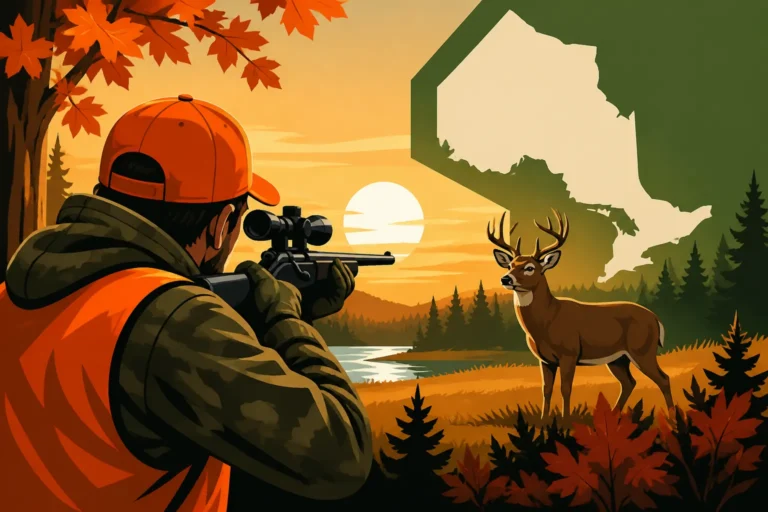
Deer hunting is a cornerstone of Ontario's hunting culture, and with various seasons across numerous Wildlife Management Units (WMUs), it's an area particularly prone to regulatory adjustments. These changes are often aimed at managing deer populations, addressing localized concerns, and balancing hunter opportunity.
Regional Adjustments to Archery and Gun Seasons
One of the most common changes hunters face involves the opening and closing dates for archery and gun seasons across different WMUs. It’s rare for province-wide shifts, but specific regions might see a few days added or subtracted, or even a season category introduced or removed entirely. For instance, a WMU experiencing declining deer numbers might see its gun season shortened, or its antlerless harvest restricted, to help the population rebound. Conversely, a WMU with a healthy, growing herd might see an extension to the archery season, allowing more opportunity.
Imagine WMU 42, a popular zone for deer, where the archery season might traditionally open in early October. This year, the MNRF might decide to push it back a week, or even align it with a neighbouring WMU's opener for simplicity or biological reasons. Hunters who habitually mark their calendars based on last year's dates could easily miss this and find themselves hunting out of season. It’s crucial to cross-reference your specific WMU with the current year's summary, especially if you hunt close to a WMU boundary where seasons can differ significantly. Remember, a tool like GoHunt can quickly show you these changes overlayed on a map. You can also review general season information by looking at the Ontario Deer Season Dates and Tags resource.
Antlerless Tag Allocation Shifts
Antlerless deer tags are a vital tool for population management, directly influencing the number of does and fawns harvested. Changes to antlerless tag allocations are a frequent occurrence and can drastically impact a hunter's strategy. These shifts are often driven by winter severity, fawn recruitment rates, and localized harvest data. A particularly harsh winter or a season with lower fawn survival could lead to a significant reduction in available antlerless tags, or even their complete removal, in certain WMUs.
For example, if you typically apply for an antlerless tag in WMU 65, don't assume the quota will be the same this year. The Ministry might announce that, due to concerns about the local herd, the number of tags has been halved, or perhaps only available through a draw that previously had over-the-counter sales. This directly impacts the odds of securing a tag and might force you to adjust your hunting plans or even consider a different WMU. Conversely, a region with an overabundance of does might see an increase in available antlerless tags, offering more opportunity to fill the freezer and help balance the herd.
Controlled Deer Hunt Validation Tweaks
Controlled deer hunts are a unique aspect of Ontario's deer management, often implemented in specific areas to manage deer populations within more settled or sensitive landscapes, or where public safety concerns necessitate tighter controls. These hunts require a separate validation, usually obtained through a draw, and often come with very specific rules regarding hunting methods, dates, and boundaries. Changes here can range from new WMUs being added to the controlled hunt program, existing zones being modified, or the draw system itself undergoing revisions.
Consider a scenario where WMU 79, which has traditionally been general archery and gun, is now designated for a controlled hunt during a portion of its season. This would mean that hunters who used to simply buy a licence and hunt in that period now must apply for and be drawn for a validation. Furthermore, the number of available validations or the specific hunt periods might change year-to-year. It's not uncommon for the MNRF to adjust the number of permits or even the criteria for eligibility for these hunts, based on previous year's harvest success and population assessments. If you have your sights set on a specific controlled hunt, make sure to check the application deadlines and requirements carefully, as these are often among the earliest dates to be aware of.
Updates for Moose Hunters
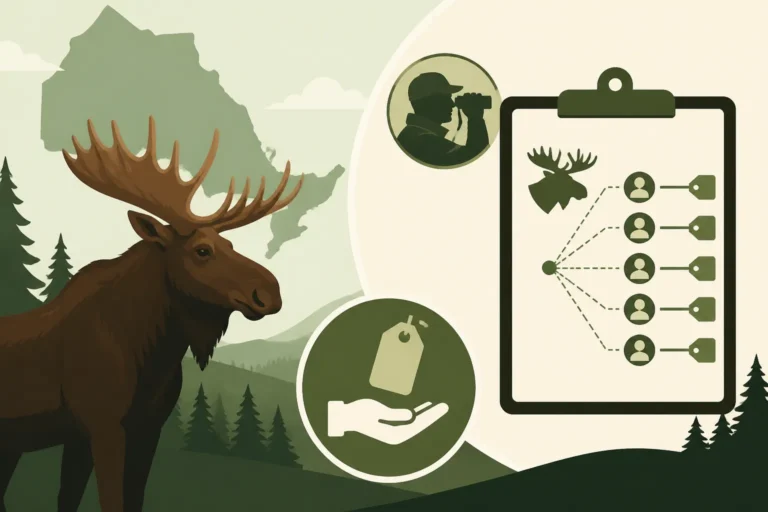
Moose hunting is a highly sought-after experience in Ontario, with the draw system for tags making it a long-term commitment for many. Consequently, any changes to moose regulations are keenly felt by the hunting community. These adjustments typically focus on tag quotas, the allocation system, and regional management strategies for the province's iconic large game animal. Hunters looking to understand the broader context should consult Ontario's Moose Tag Allocation Process.
WMU-Specific Moose Tag Quota Changes
Moose populations are carefully monitored in Ontario, and tag quotas are arguably the most critical aspect of their management. The number of bull, cow, and calf tags allocated to each WMU can change annually, directly reflecting the health and dynamics of the local moose herd. These changes are a result of aerial surveys, hunter harvest reports, and scientific assessments of population trends, habitat conditions, and winter tick prevalence.
For instance, a WMU in Northern Ontario that experienced a particularly high winter tick load or a dip in calf survival might see a reduction in cow tags, and possibly even bull tags, to allow the population to recover. Conversely, a WMU with a stable or growing population might maintain its quotas or even see a slight increase. This directly impacts your chances in the draw. If you've been building points for a specific WMU, a sudden reduction in tags means your points might not stretch as far as they would have in previous years. It's a prime example of why checking the most current tag quotas is non-negotiable before applying to the Ontario Moose Tag Allocation Process.
Modifications to the Moose Points System
The moose points system is designed to provide a fair method of allocating a limited number of tags, giving preference to those who have applied unsuccessfully over several years. While the fundamental concept of accumulating points for unsuccessful applications generally remains consistent, the Ministry can introduce subtle yet impactful modifications. These might include changes to how points are reset, new rules regarding transferring points, or even adjustments to the weighting of different tag types (e.g., bull vs. cow).
A common frustration among long-time moose hunters comes when the rules around claiming a tag versus receiving a random tag shift, potentially impacting point retention. For example, if the rules change such that claiming any tag, even a random one, resets your points, it alters the strategic decisions hunters make when applying. Historically, a random tag might not have reset points in all scenarios, but checking Ontario's Moose Points System annually is vital to ensure you understand the latest implications of your application choices. These adjustments are usually made to streamline the system, improve fairness, or adapt to changing application patterns, but they demand careful attention from every applicant.
New Rules for Group Moose Hunts
Moose hunting in Ontario is often a communal affair, with many hunters pooling their resources and applying as a group. The rules governing group moose hunts are crucial for ensuring fair access and managing the hunt party dynamics. While the core idea of a group application usually remains, the specifics can be tweaked from year to year. These might include changes to the maximum number of members in a group, how points are averaged or assigned within a group, or the responsibilities of the group leader.
For example, the MNRF might introduce new requirements for how a group applies or how tags are distributed once awarded. Perhaps there's a new stipulation that all members of a group must have a valid Ontario's Outdoors Card Explained by a certain date, or that the group leader has additional reporting responsibilities. These changes can affect how groups form, who they invite, and how they strategize their applications. Staying informed about these group hunting rules ensures that your entire party is compliant and avoids any last-minute scramble or, worse, an invalid application.
Black Bear Regulations in Flux
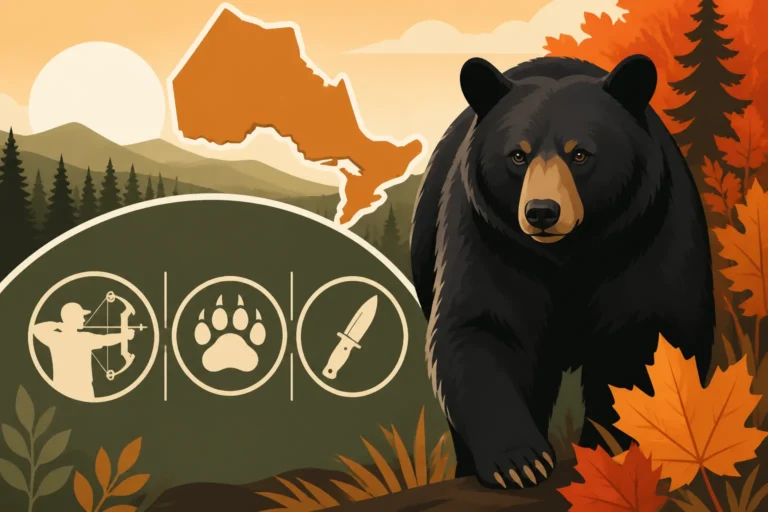
Black bear populations are thriving in many parts of Ontario, leading to varied management strategies across the province. Bear hunting regulations are often adjusted to manage local populations, address human-bear conflicts, and ensure sustainable harvest. As with other species, these changes can be WMU-specific or apply more broadly. For a comprehensive overview, refer to Ontario's Black Bear Rules.
Spring Bear Season Modifications
The spring bear hunt is a highly anticipated season for many, offering a unique opportunity to pursue bears emerging from hibernation. While the season's existence has seen significant changes over the years (being reinstated after a long hiatus), even now, the specific dates and available WMUs can be modified. These changes might reflect localized population assessments, public safety concerns, or efforts to manage specific age classes of bears.
Consider a WMU that has seen an increase in human-bear conflicts, potentially leading the Ministry to extend the spring season slightly or increase the number of available tags to reduce the local population. Conversely, a region where a spring season was introduced on a pilot basis might see it scaled back or even removed if data suggests it's not meeting management objectives. Hunters who primarily focus on Spring Bear Hunting in Ontario need to verify if their chosen WMU is still open, and precisely when the season begins and ends. Don't assume that just because a WMU had a spring season last year, it will be identical this year.
Fall Bear Season Dates and Bag Limits
The fall bear season is more widespread across Ontario than the spring hunt, with various opportunities from August through to November in many WMUs. Changes here can involve shifts in opening and closing dates, or adjustments to bag limits, particularly concerning the harvest of sows with cubs. The MNRF continually monitors bear populations and their reproductive success, which can lead to these localized modifications.
For example, a traditional fall season opening on August 15th might shift to August 20th in a specific WMU to protect cubs during their most vulnerable period, or to align with a more favourable baiting period. While the general bag limit in Ontario is typically one bear per hunter, per calendar year, specific rules regarding sows with cubs are paramount. The "Why You Cannot Shoot a Sow With Cubs" rule is strictly enforced, and any adjustments to the definition of a "cub" or how it's determined in the field would be a critical change to note. These adjustments often aim to protect breeding females and ensure the long-term health of the bear population.
Reporting Requirements and the Bear Validation Certificate
Beyond season dates, administrative requirements for bear hunting can also see adjustments. The Black Bear Validation Certificate is a crucial document for non-residents and often for residents as well, proving eligibility to hunt bears. Changes could involve the application process for this certificate, the information required, or the timeline for obtaining it. Furthermore, harvest reporting for bears, like other big game, is mandatory, and the method or deadline for reporting could be tweaked.
Imagine a new online portal is introduced for reporting your harvest, or the deadline for submission is moved up by a few weeks. While seemingly minor, these changes can catch hunters off guard. The MNRF relies heavily on accurate harvest data to make informed management decisions, so they sometimes adjust reporting mechanisms to improve data collection. Keeping up-to-date with these administrative rules ensures your hunt remains legal from start to finish.
Waterfowl and Upland Bird Adjustments
Ontario is a diverse landscape for bird hunters, from the vast wetlands and fields attracting migratory waterfowl to the dense bush holding upland species. Due to the migratory nature of many bird species and the complexities of ecosystem management, these regulations are often subject to annual review and potential modification. Hunters focusing on birds should regularly check Ontario Game Bird Seasons and Limits.
Migratory Bird Season Timing and Zones
Migratory bird hunting regulations are a joint effort between federal and provincial governments, meaning they can sometimes be a bit more complex. The timing of duck and goose seasons, particularly for different species, can shift based on population surveys, migration patterns, and habitat conditions. Moreover, Ontario is divided into different migratory bird hunting zones, and changes within these zones can have a significant impact on your hunt planning.
For example, the North, Central, and South Ontario zones for waterfowl might see adjusted opening or closing dates, or even modifications to species-specific periods. One year, the early goose season in a particular zone might be extended due to an overabundance of local Canada Geese, while the regular duck season might be delayed if migration patterns are observed to be later than usual. These adjustments are often based on data collected by Environment and Climate Change Canada and the U.S. Fish and Wildlife Service, working to ensure sustainable harvest across flyways. Hunters must verify their specific zone and the precise dates for the species they intend to pursue.
Bag Limit Revisions for Ducks and Geese
Bag limits, both daily and possession, are another area where migratory bird regulations can see annual changes. These limits are set to ensure that hunter harvest remains sustainable for each species. Factors such as breeding success, habitat health, and overall population trends influence these decisions. A species experiencing a downturn in population might see a reduced daily bag limit, while a thriving population might allow for a more generous harvest.
Consider the Mallard bag limit, which might be reduced in certain districts if their breeding populations have struggled in a given year. Similarly, the number of Canada Geese you can take in a day might be increased in specific agricultural areas to help mitigate crop damage. These changes are vital to observe, as exceeding bag limits carries significant penalties. It’s also crucial to distinguish between daily bag limits (what you can take in one day) and possession limits (what you can have in your possession at any given time), as both can be subject to change.
Upland Bird Season Extensions or Reductions
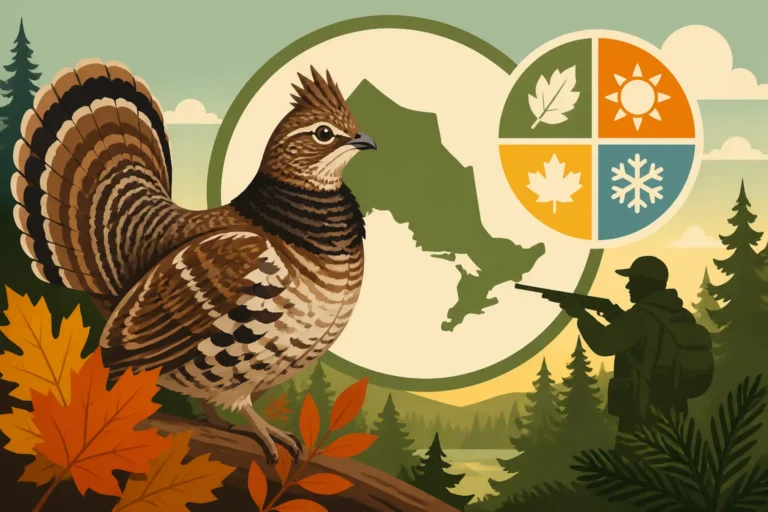
Upland birds like Ruffed Grouse, Spruce Grouse, and pheasants (where available) are also managed with annual adjustments. While these changes might not be as frequent or dramatic as those for migratory birds, they do occur. Adjustments could involve season lengths, daily bag limits, or even localized closures if a specific population is struggling.
For instance, a particular WMU might experience a significant drop in Ruffed Grouse numbers due to cyclical population lows or habitat changes, leading the MNRF to shorten the season or reduce the daily bag limit to aid recovery. Conversely, if a game bird release program is particularly successful, or if natural populations are robust, certain areas might see an extended season. Hunters targeting species like Ruffed Grouse Hunting Ontario's Bush Roads or other upland birds need to check the specific regulations for their chosen WMU. These subtle shifts can influence when and where you plan your bird hunting excursions.
Licensing and Administrative Revisions
Beyond the specific rules for game species, the foundational administrative framework of hunting in Ontario can also undergo adjustments. These changes, while sometimes less about the hunt itself, are critical for ensuring you are legally authorized to participate. This includes updates to the Outdoors Card, general licensing, and mandatory reporting systems.
Outdoors Card Renewal Process Updates
The Outdoors Card is your fundamental ticket to hunting and fishing in Ontario, a prerequisite for purchasing any hunting licence. While the card itself is valid for three calendar years, the process for obtaining or renewing it can see minor tweaks. These adjustments might involve moving to a fully online renewal system, changes to required identification, or updates to how quickly you receive your physical card after renewal. You can learn more about this by reading Ontario's Outdoors Card Explained.
For instance, the system might implement a new digital wallet feature, allowing you to carry a verifiable digital version of your Outdoors Card on your phone, supplementing or even temporarily replacing the physical card. Or, there might be a change in the accepted payment methods or a new verification step to combat fraud. While these changes are often designed to make the process more efficient, they require your attention. Missing a new step or a subtle detail in the renewal process could mean you're caught without a valid card when you need to purchase your deer or moose tags, leading to unnecessary frustration and delays.
Changes to Non-Resident Licence Requirements
Ontario is a popular destination for non-resident hunters, particularly from the United States, who come for its vast wilderness and abundant game. For these hunters, the regulations around Rules for Non-Residents Hunting Ontario can be particularly intricate and are often subject to annual review. Changes might include adjustments to licence fees, new requirements for proof of hunter education equivalent to Ontario's Ontario Hunter Education Requirements, or modifications to the application process itself.
For example, a new requirement might stipulate that non-residents must now apply for certain licences through a specific online portal only, rather than through licence issuers. There could also be changes to how firearm declarations are handled, or new forms required for importing harvested game. These changes are usually communicated through official channels and reputable outfitters. If you're planning a non-resident hunt, it’s imperative to check these requirements well in advance of your trip to avoid any issues at the border or once you're in the province.
Mandatory Harvest Reporting System Enhancements
Harvest reporting is a cornerstone of responsible wildlife management. It allows the MNRF to collect vital data on hunter success rates, harvest numbers, and species composition, all of which inform future management decisions. While mandatory reporting itself is not new, the systems and deadlines for submitting these reports can be refined. These enhancements might involve new online reporting tools, updated deadlines, or additional information required in the report.
Imagine a scenario where, previously, you might have submitted your deer harvest report by phone or mail, but now a new, streamlined online system is the only accepted method. Or, perhaps the deadline for reporting a successful bear harvest has been moved from early December to late November. While these changes are generally aimed at improving data accuracy and collection efficiency, they require hunters to adapt. Failing to submit a mandatory harvest report can lead to penalties or even impact your ability to acquire licences in future years. Always check the current year's summary for specific deadlines and reporting methods for each species you pursue.
Equipment and Method Modifications
Hunting isn't just about seasons and tags; it's also about how you hunt. The equipment you use and the methods you employ are strictly regulated, and these rules can occasionally be updated. These changes are often driven by safety concerns, ethical considerations, or advancements in technology, and can impact everything from your choice of firearm to how you scout.
Legal Firearm or Bow Equipment Changes
The specific types of firearms, bows, and ammunition that are legal for hunting various species in Ontario are clearly defined. While fundamental rules regarding calibers, draw weights, and projectile types tend to be stable, there can be subtle modifications or clarifications that hunters need to be aware of. These might relate to minimum energy requirements for rifles, restrictions on certain arrowheads for bows, or even the legality of specific accessories.
For example, there might be a new clarification on what constitutes a legal crossbow setup, or perhaps a new regulation regarding the use of specific types of non-toxic shot for upland birds in certain areas, going beyond the traditional waterfowl requirements. It's rare for a widespread ban on a previously legal firearm, but the MNRF might introduce rules regarding magazine capacity for semi-automatic rifles used for hunting, or clarify the use of suppressors (which are highly restricted in Canada). Always ensure your hunting equipment adheres to the Legal Firearms and Bows for Big Game guidelines as specified in the most current regulations.
Rules Around Electronic Decoys or Scouting Tools
Technology is constantly evolving, and with it come new tools for hunters, from electronic game calls to sophisticated scouting cameras. The MNRF periodically reviews these advancements to determine their ethical implications, impact on fair chase principles, and potential for misuse. Consequently, rules regarding the use of electronic decoys, trail cameras, and other high-tech scouting tools can be introduced or modified.
For instance, while a trail camera might be legal for scouting on private land, there could be new restrictions on their use on Hunting Ontario's Crown Land or specific wildlife management areas. Similarly, the use of electronic calls for deer might be prohibited, while they could be permitted for coyotes. The legality of using drones for scouting or retrieving game is another area that has seen evolving discussions and specific prohibitions. Before investing in new gear or deploying existing tech, always check the current summary for any new clauses related to electronic aids. What might be legal one year or for one species, might be illegal the next.
ATV and Vehicle Use on Crown Land Clarifications
Accessing prime hunting areas often involves the use of ATVs, UTVs, or other off-road vehicles, especially on vast tracts of Hunting Ontario's Crown Land. The rules governing vehicle use on Crown Land are crucial for both environmental protection and maintaining fair access for all users, and these can be subject to revision. Changes might include new restrictions on where vehicles can operate, specific trail closures, or updated requirements for licensing and insurance.
For example, certain Crown Land areas might be designated as "foot access only" to reduce environmental impact or hunter pressure, or new rules might be introduced regarding the width of vehicles allowed on specific trails. The MNRF often works with other ministries and local groups to manage these access points, and changes can arise from conservation efforts or feedback from various user groups. If you rely on an ATV to get to your favourite hunting spot, it's essential to consult the current regulations and local land management plans to ensure you’re not inadvertently trespassing or violating environmental guidelines. Ignorance of the rules won't save you from a fine.
Summary of Key Rule Changes by Year
To give you a clearer picture of how specific rule changes might impact your hunting plans, here's a hypothetical table illustrating some common types of adjustments seen across different years in Ontario. Remember, these are examples and not current, active regulations.
| Category | Past Regulation (Example) | Current Regulation (Example) | Impact on Hunters |
|---|---|---|---|
| Deer Archery Season | WMU 52: Sept 20 – Oct 31 | WMU 52: Sept 27 – Nov 7 | Later start, extended season; changes pre-rut strategy. |
| Antlerless Deer Tag | WMU 61: Over-the-counter | WMU 61: Draw only, 100 tags | Harder to get tag, need to apply in draw. |
| Moose Bull Quota | WMU 21: 15 bull tags | WMU 21: 10 bull tags | Reduced draw odds; higher point requirement likely. |
| Spring Bear Season | WMU 32: Closed | WMU 32: May 15 – June 15 | New hunting opportunity; need to check specific dates. |
| Waterfowl Zone | South Zone: Sept 1 – Dec 15 (Ducks) | South Zone: Sept 8 – Dec 22 (Ducks) | Later start, longer overall season; shifts peak migration. |
| ATV Use on Crown Land | General use on trails | Specific trails restricted to ATV ≤ 50" | May limit access for larger side-by-sides in certain areas. |
| Harvest Reporting | Phone or Mail allowed | Online portal only by Dec 5 | Must use new system, earlier deadline; ensure internet access. |
This table highlights how seemingly small changes can require significant adjustments to your hunting schedule, application strategy, and even your equipment choices.
Staying Ahead of the Curve: Proactive Measures
Given that regulations can shift, a proactive approach is your best defense against inadvertently breaking the rules or missing out on opportunities. It's not enough to just skim the regulations once; you need a strategy to stay informed and adapt.
Subscribing to MNRF Updates and Newsletters
One of the easiest and most reliable ways to stay informed is to directly sign up for official communications from the Ministry of Natural Resources and Forestry. Many government websites offer email subscription services for news releases, regulatory updates, and public notices related to hunting and fishing. These notifications often flag specific changes, allowing you to quickly identify areas that might impact your plans.
Beyond the official MNRF channels, consider reputable provincial hunting organizations. Groups like the Ontario Federation of Anglers and Hunters (OFAH) often keep a close eye on proposed regulatory changes, offer summaries, and sometimes even advocate on behalf of hunters during public consultation periods. Being part of these networks means you're more likely to hear about potential changes before they are finalized, giving you an even earlier heads-up.
Utilizing Online Planning and Mapping Tools
The digital age has brought incredible tools that can simplify the complex task of navigating Ontario's hunting regulations. Online mapping platforms and hunting apps are becoming indispensable for modern hunters. Many of these tools integrate WMU boundaries, Crown Land maps, and even specific regulatory overlays directly onto topographical or satellite imagery. This means you can visually see where different rules apply, rather than trying to decipher descriptions in a printed summary.
Consider using platforms like GoHunt, which can often overlay current WMU boundaries, restricted areas, and sometimes even season dates directly onto a map interface. This makes Reading an Ontario WMU Map Before You Go much easier. When a WMU boundary is adjusted, or a new controlled hunt area is designated, these tools can quickly highlight the change, allowing you to scout new areas or verify your existing hunting grounds. They are invaluable for Scouting a Wildlife Management Unit and can alert you to local nuances that a general summary might not immediately make obvious.
Engaging with Local Conservation Officers and Community
While the official summary is the ultimate authority, your local conservation officers (COs) are an invaluable resource for clarification. They are on the ground, enforcing regulations daily, and often have a deep understanding of localized nuances, historical context for rules, and the practical implications of changes. If you have a specific question about a new regulation or how it applies to a particular piece of land, don't hesitate to reach out to your local detachment.
Furthermore, engaging with your local hunting community, whether through clubs, forums, or simply chatting with other hunters at your licence issuer, can be incredibly insightful. Fellow hunters often share their experiences, interpretations, and tips for adapting to changes. Just remember to always verify any information against the official regulations, as anecdotal evidence, while helpful for perspective, isn't legally binding. A strong community network, however, can provide timely alerts and shared knowledge that complements your official research.
Conclusion: Adaptability is Key
The world of Ontario hunting is constantly evolving, and with good reason. Wildlife populations, environmental factors, and human interactions all play a part in shaping the regulations we hunt under. While it can sometimes feel like a moving target, understanding Where Ontario Rules Changed This Year is not just about avoiding fines; it's about being a responsible, ethical, and successful hunter. By proactively seeking out information, leveraging modern tools, and staying engaged with both official channels and the hunting community, you can ensure you're always prepared for whatever the new season brings. After all, adaptability is a hunter's greatest asset, both in the field and in the regulations.
Disclaimer
The information provided in this guide is for general informational purposes only and is not intended as legal advice. Hunting regulations in Ontario are subject to change, and it is the hunter's sole responsibility to consult the official Ontario Hunting Regulations Summary, published annually by the Ministry of Natural Resources and Forestry (MNRF), for the most current and accurate information before engaging in any hunting activities. Always confirm specific season dates, bag limits, and licensing requirements for your chosen Wildlife Management Unit (WMU) and species.