The Habitat Conservation Stamp Requirement
Trying to navigate the world of Ontario hunting licenses and permits can feel like solving a complex puzzle, leaving many of us scratching our heads and worried we've missed something crucial. It’s not just about buying a license anymore; there are stamps, validations, and various documents to keep straight. One such essential, and often misunderstood, component is the Habitat Conservation Stamp. This guide is here to untangle the requirements, purpose, and significant impact of this vital stamp, ensuring you’re fully prepared and contributing to the conservation efforts that make Ontario such a fantastic place to hunt.
What Exactly is the Habitat Conservation Stamp?
The Habitat Conservation Stamp might seem like just another line item on your hunting license receipt, but it’s far more than a simple formality. It's a cornerstone of Ontario's wildlife and habitat management strategy, directly channeling funds into the conservation programs that sustain the very game we pursue. Without this stamp, many of the initiatives that protect and enhance our hunting grounds simply wouldn't exist.
More Than Just a Sticker: Understanding Its Purpose
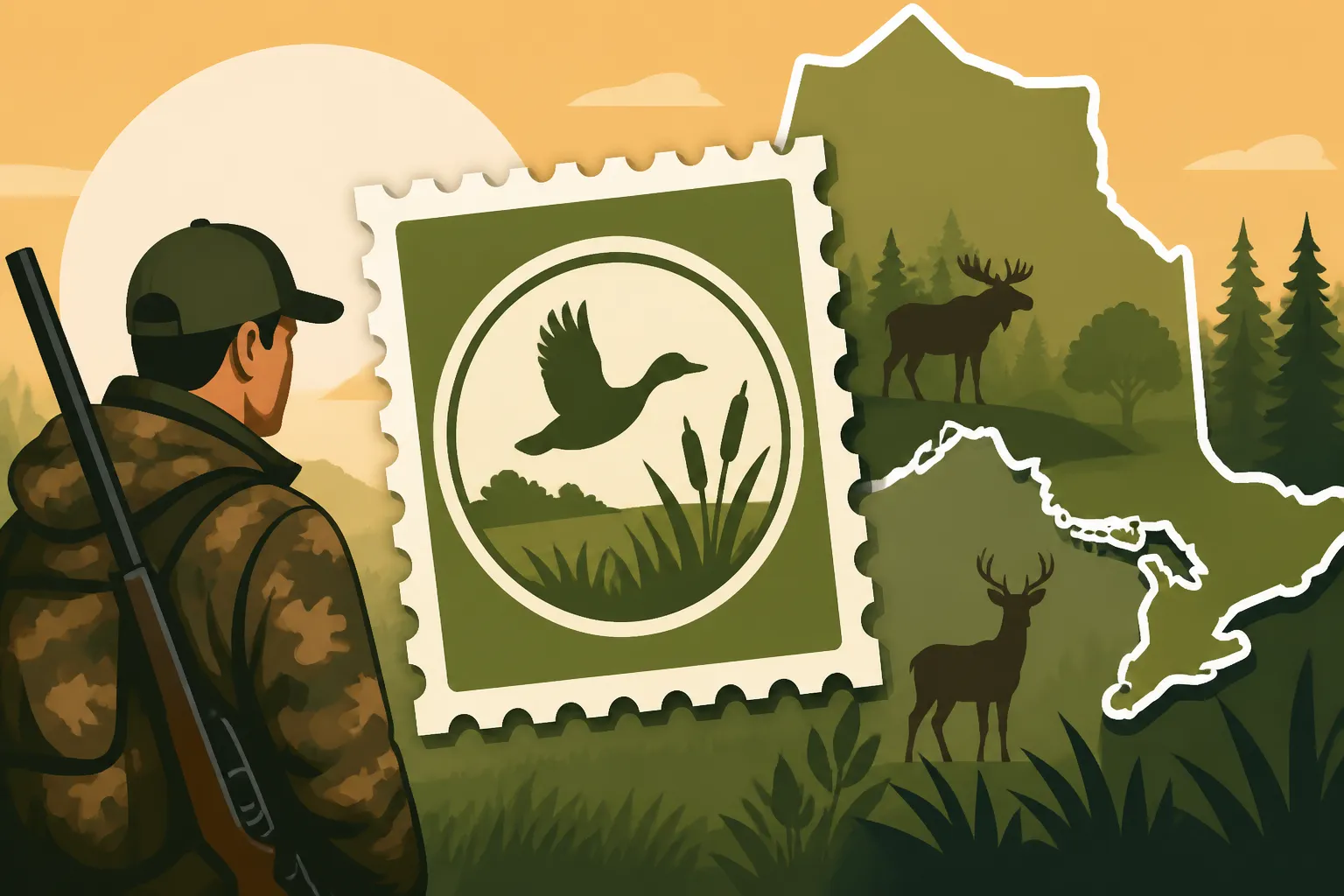
Think of the Habitat Conservation Stamp as your direct investment in the future of hunting in Ontario. Its origins are deeply rooted in the concept of "user pays, user benefits," ensuring that those who enjoy Ontario's natural resources contribute directly to their upkeep. The funds generated from the sale of these stamps are earmarked specifically for wildlife and habitat conservation projects across the province. This isn't just bureaucratic red tape; it's a vital funding mechanism.
These projects are incredibly diverse, covering everything from restoring crucial wetland habitats along the Great Lakes shoreline to acquiring and protecting significant tracts of forest and grassland. They also support vital scientific research into species populations, disease monitoring, and the impact of environmental changes on Ontario's wildlife. For instance, organizations like Ducks Unlimited Canada often partner with the province on large-scale wetland restoration projects, and funds from the Habitat Conservation Stamp contribute significantly to these efforts. So, whether you're chasing migratory birds like ducks and geese, or pursuing larger game like deer and moose, the health of their ecosystems is bolstered by this stamp. The benefits truly ripple across the entire spectrum of game species, ensuring a richer, more vibrant outdoor experience for everyone.
Who Needs It and When? Resident vs. Non-Resident Nuances
One of the most common questions that pops up is, "Do I actually need this, or is it just for certain types of hunting?" The quick answer is: If you're planning to hunt in Ontario, you almost certainly need it. While it's most explicitly tied to migratory game bird hunting, it's also a general requirement for anyone holding an Ontario hunting license, underscoring its broad conservation mandate. You wouldn't think of heading out without your primary Ontario Hunting Licences and What They Cost or your Ontario's Outdoors Card Explained, and the Habitat Conservation Stamp should be viewed in the same essential light.
For Ontario residents, if you're buying a migratory game bird hunting license or even a general small game license, the Habitat Conservation Stamp is usually bundled into the purchase. It's designed to be a seamless part of your annual licensing process. Non-residents, on the other hand, also need to ensure they acquire this stamp. When looking into the Rules for Non-Residents Hunting Ontario, you'll find this stamp listed as a mandatory component for any hunting activity. There's sometimes confusion, with hunters wondering if it applies to deer or bear hunting. While the funds broadly benefit all wildlife, its direct legal requirement is often linked to the general hunting license, and explicitly to migratory birds. So, whether you're targeting Waterfowl Hunting Across Ontario or simply pursuing small game, ensure you have this stamp in your possession.
How to Get Your Habitat Conservation Stamp
Gone are the days of trying to find a physical stamp to stick onto your paper license. Ontario has moved with the times, making the process of acquiring your Habitat Conservation Stamp straightforward and digital. This modern approach, largely facilitated through the province’s online portal, aims to reduce hassle and ensure compliance.
The Seamless Process Through the GoHunt Portal
Acquiring your Habitat Conservation Stamp, along with all your other necessary hunting documents, is predominantly done through the Ontario Fish and Wildlife Licensing Service, commonly referred to as the GoHunt portal. This online system has revolutionized how hunters manage their licenses, tags, and validations. It’s designed to be a one-stop shop, reducing the need for multiple trips to license vendors or tedious paperwork. When you log into your GoHunt account, whether for the first time or to renew for the season, you'll find the option to purchase the Habitat Conservation Stamp as part of your hunting product selection.
The beauty of the GoHunt system is its integration. Your Outdoors Card, which is your primary identifier as a hunter in Ontario, serves as the foundation for all your licenses and stamps. Once you purchase the Habitat Conservation Stamp online, it's automatically linked to your Outdoors Card profile. This means you don't receive a physical stamp that you need to worry about losing or misplacing. Instead, your license summary, which you can carry digitally on your phone or print out, will clearly show that you have met the Habitat Conservation Stamp requirement. It makes things so much easier when a conservation officer asks to see your paperwork; it's all there, readily accessible through your GoHunt account.
Costs, Validity, and Renewal
Understanding the financial aspect and validity period of the Habitat Conservation Stamp is crucial for staying compliant. The cost of the stamp is generally quite modest, especially when you consider the significant conservation efforts it supports. While specific prices can fluctuate slightly with regulatory updates, it typically hovers around $8.50 plus HST (Harmonized Sales Tax) for residents, with non-resident costs often similar or slightly higher as part of a larger license bundle. This small fee plays an outsized role in preserving Ontario's natural heritage.
The Habitat Conservation Stamp, like most hunting licenses in Ontario, is valid for a specific period, usually corresponding to the calendar year or the hunting season it’s purchased for. It's important to remember that it's not a one-time purchase that lasts indefinitely. You’ll need to ensure it's renewed annually as part of your regular license purchasing process through the GoHunt portal. The system is designed to prompt you if you’re missing any required stamps or licenses when you’re planning your hunts. A little proactive check on your GoHunt profile before the season begins can save you a lot of headaches later on. For instance, if you're planning for Ontario Duck Season Dates by District, confirming your stamp is valid should be part of your checklist.
Here's a quick overview of the stamp's details:
| Requirement | Details |
|---|---|
| Purpose | Funds wildlife & habitat conservation across Ontario |
| Who Needs It | All hunters; explicitly for migratory game birds |
| Purchase Method | Ontario Fish and Wildlife Licensing Service (GoHunt portal) |
| Cost (Approx.) | ~$8.50 + HST (subject to change) |
| Validity | Generally for the hunting season/calendar year purchased |
| Format | Electronic record linked to Outdoors Card |
| Renewal | Annually, as part of regular license purchase |
The Broader Impact: Why Your Stamp Matters for Ontario's Wildlife
When you purchase your Habitat Conservation Stamp, you’re not just checking a box on a form; you are actively participating in a legacy of conservation. This financial contribution is a tangible demonstration of hunters’ commitment to wildlife, ensuring that the wild places and the animals that inhabit them continue to thrive for generations to come.
Funding Real-World Conservation Projects
The funds generated from the Habitat Conservation Stamp are directed into a dedicated account that supports a wide array of conservation initiatives. These aren't abstract programs; they are real, on-the-ground projects that make a measurable difference. For example, a significant portion of these funds often goes towards wetland conservation. Ontario is blessed with incredible wetland systems, particularly in the south and along the Great Lakes, which are critical staging and breeding grounds for countless species, including ducks, geese, and a myriad of non-game birds, mammals, and amphibians. Projects might involve restoring drained wetlands, creating new marsh habitats, or protecting existing ones from encroachment and degradation. Think of the vital work being done in places like Long Point or the vast cattail marshes found when Marsh Hunting Ducks on the Great Lakes; these efforts often directly benefit from your stamp purchase.
Beyond wetlands, the stamp also contributes to forest management initiatives, grassland restoration, and targeted species programs. This could mean funding research into declining populations of specific game birds, supporting efforts to manage invasive species, or enhancing habitat for large mammals in various Ontario's Wildlife Management Units. Every dollar helps secure critical habitat, allowing wildlife to flourish. This is a testament to the North American Model of Wildlife Conservation, where hunters are at the forefront of funding the very resources they use.
Contributing to Sustainable Hunting and Future Generations
Ultimately, the Habitat Conservation Stamp is about sustainability. It’s about ensuring that the wild turkey flock you pursued in the spring, or the deer you scouted in the fall, remain robust and healthy year after year. By investing in habitat, we are investing in strong, resilient wildlife populations. This directly supports the principles of sustainable hunting, ensuring that harvest levels are maintained within ecological limits and that hunting remains a viable activity for future generations.
It’s an ethical responsibility, too. As hunters, we have a unique connection to the land and its creatures. Our contributions, like those from the Habitat Conservation Stamp, underpin the scientific management of wildlife, which is a core tenet of responsible hunting. It also ties into broader education efforts, as a well-informed hunting community is essential for compliance and good stewardship. For anyone starting their hunting journey, understanding the importance of this stamp is as critical as completing their Ontario Hunter Education Requirements. It’s part of the fabric of being a responsible and ethical hunter in Ontario, ensuring the traditions and natural bounty we cherish today will be there for our children and grandchildren.
Common Questions and Avoiding Pitfalls
Even with a clear understanding, a few common questions and potential pitfalls often arise regarding the Habitat Conservation Stamp. It's vital to address these to ensure you're fully compliant and can enjoy your hunting experience without unnecessary stress.
What Happens if You Don't Have It?
This is a question no one wants to ponder, but it's important to be realistic. Hunting without the required Habitat Conservation Stamp, when one is needed for your specific hunting activity, is a regulatory violation. Conservation officers in Ontario are diligent in their patrols, ensuring that all hunters are properly licensed and compliant with provincial regulations. If you're stopped in the field and found not to possess the necessary stamp, you could face significant penalties.
These penalties typically include substantial fines, and in some cases, the confiscation of game or equipment. More seriously, repeated or severe violations can lead to the suspension or revocation of your hunting privileges. Imagine planning a fantastic waterfowl hunt in the fall, setting up your decoys early in the morning, only to have your day cut short and face a hefty fine because you overlooked this crucial stamp. It’s a frustrating scenario that’s entirely preventable. Always double-check your GoHunt profile or printed license summary to confirm all required stamps and validations are present before heading afield. It’s much easier to spend five minutes confirming online than to deal with the consequences later.
Distinguishing from Other Licences and Permits
One of the primary sources of confusion for hunters is differentiating the Habitat Conservation Stamp from the other various licenses and permits required for hunting in Ontario. It's easy to get them mixed up, especially since many are purchased simultaneously. Let’s clarify:
Firstly, the Habitat Conservation Stamp is not your Federal Migratory Game Bird Permit. For those pursuing ducks, geese, and other migratory birds, you need both the provincial Habitat Conservation Stamp and the federal permit. The federal permit is issued by Environment and Climate Change Canada and ensures compliance with international migratory bird conventions. The provincial stamp, as we've discussed, directly funds provincial habitat work. You literally need two stamps for one bird, and yes, it’s a bit much, but both are non-negotiable for migratory bird hunting.
Secondly, the Habitat Conservation Stamp is separate from your general Ontario Hunting Licences and What They Cost. Your hunting license (e.g., small game, deer, moose) grants you the right to hunt specific species during designated seasons. The stamp is an additional requirement that supports conservation efforts broadly, and in some cases, specifically validates your right to hunt certain species (like migratory birds) in conjunction with your license. You also need your Ontario's Outdoors Card Explained as your base identification. It is the card that all other licenses and stamps are associated with.
Finally, while the stamp supports conservation efforts that benefit species like rabbits and squirrels, it's distinct from specific permits or regulations related to Small Game Licence Cost and Coverage. Always consult the current Ontario Hunting Regulations Summary, available on the provincial government's website and often linked through the GoHunt portal, to ensure you understand all the requirements for your chosen hunting activity. The GoHunt system typically guides you through all necessary purchases, but a quick review of the official regulations is always a smart move.
Disclaimer
Please remember that hunting regulations in Ontario can change. Always consult the most current official Ontario Hunting Regulations Summary published by the provincial government before engaging in any hunting activity. This guide provides general information and should not be considered a substitute for legal advice or official government publications.