Why the Great Lakes Concentrate Birds
Waterfowl migration patterns and food sources explain why Ontario and the Great Lakes concentrate immense flocks of migrating birds.
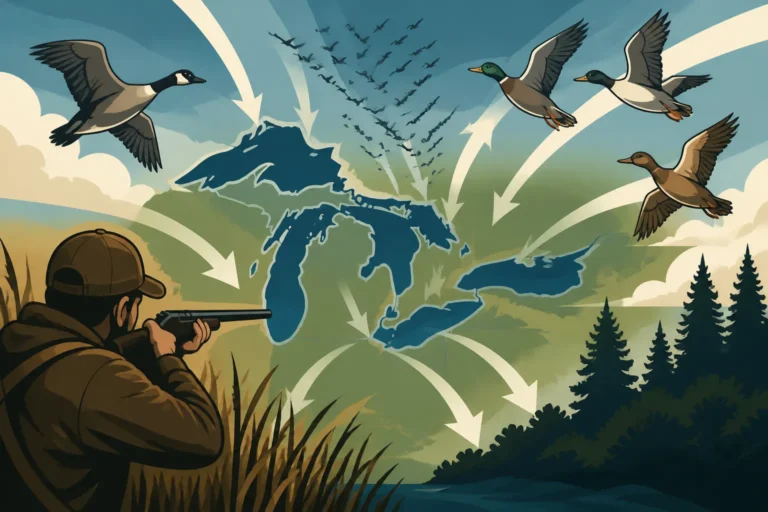
Waterfowl migration patterns and food sources explain why Ontario and the Great Lakes concentrate immense flocks of migrating birds.
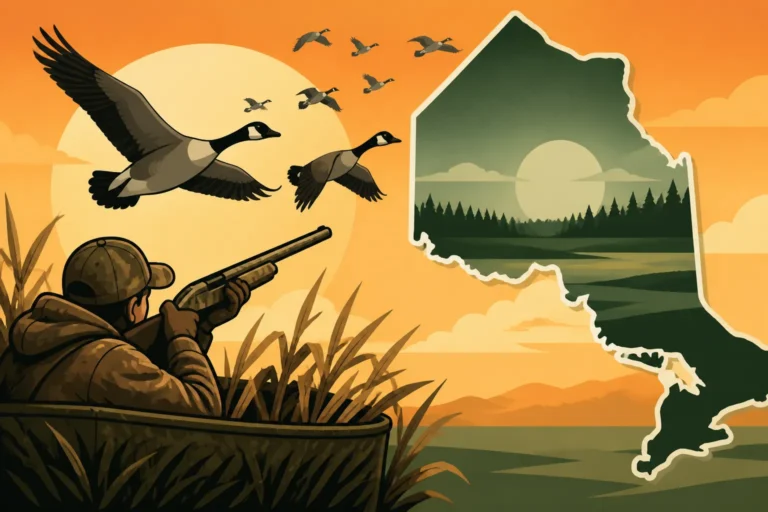
Ontario goose staging behaviours, migration patterns, and key species locations help waterfowl hunters intercept birds successfully.
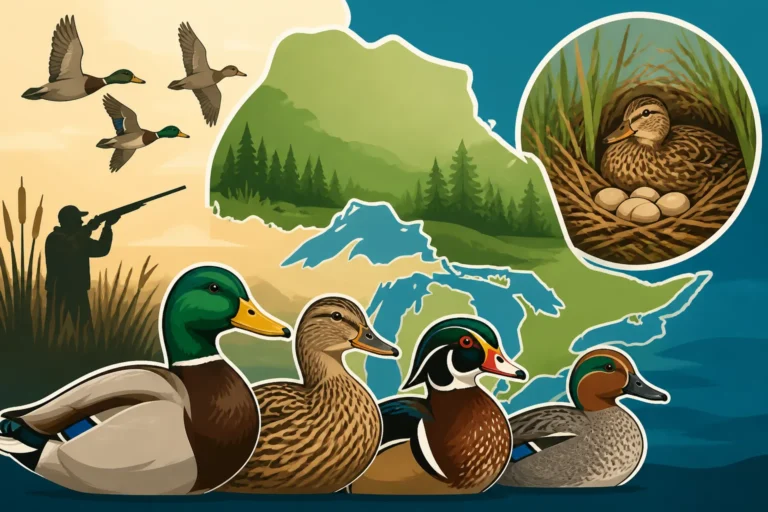
Ontario duck species and their nesting habits, including mallards, black ducks, and wood ducks across regional waterways.
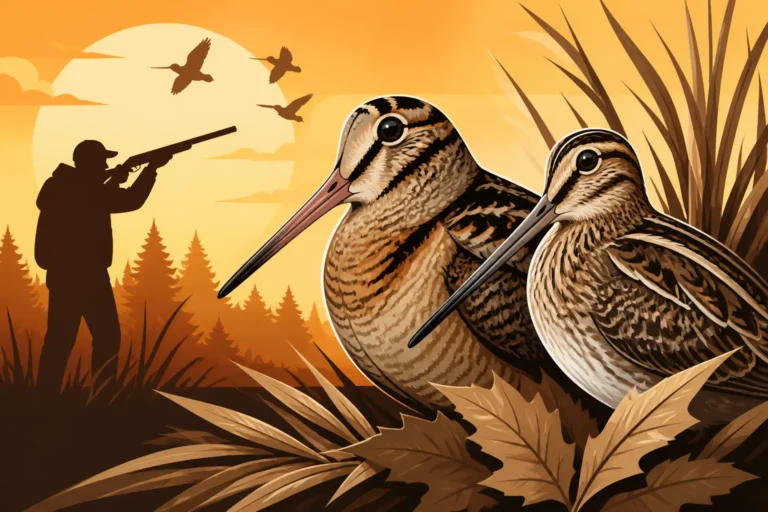
Woodcock and snipe hunting in Ontario provides specific strategies, habitat details, and migration insights for targeting these birds.
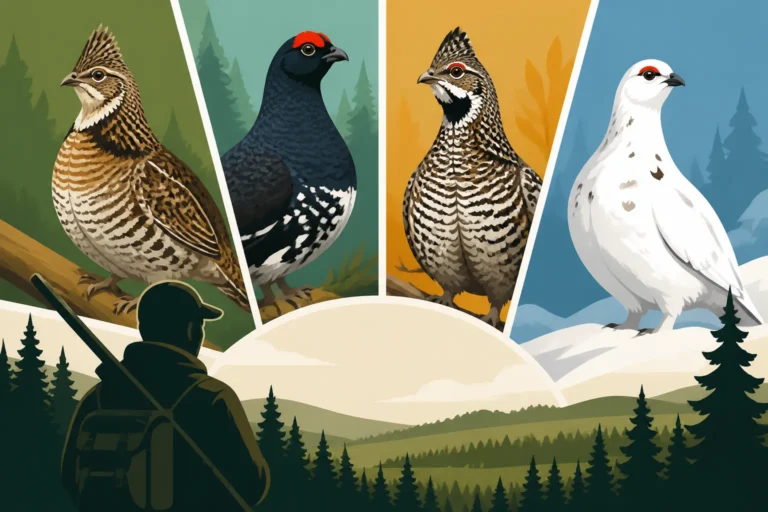
Ontario grouse species, including the Ruffed Grouse, along with their distinct habitats, behaviours, weights, and identification features.

The Algonquin wolf is a distinct species in Ontario with unique traits, specific conservation measures, and clear size differences.
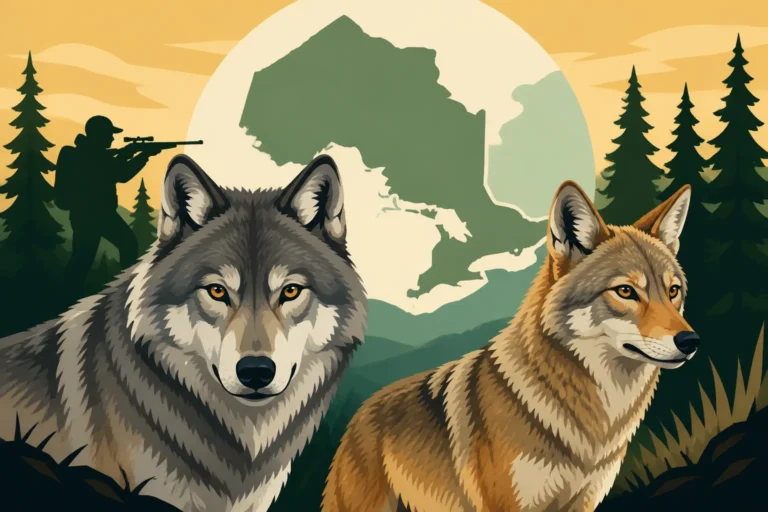
Eastern wolves and coyotes in Ontario have distinct characteristics, behaviors, and ecological roles for hunters and outdoor enthusiasts.
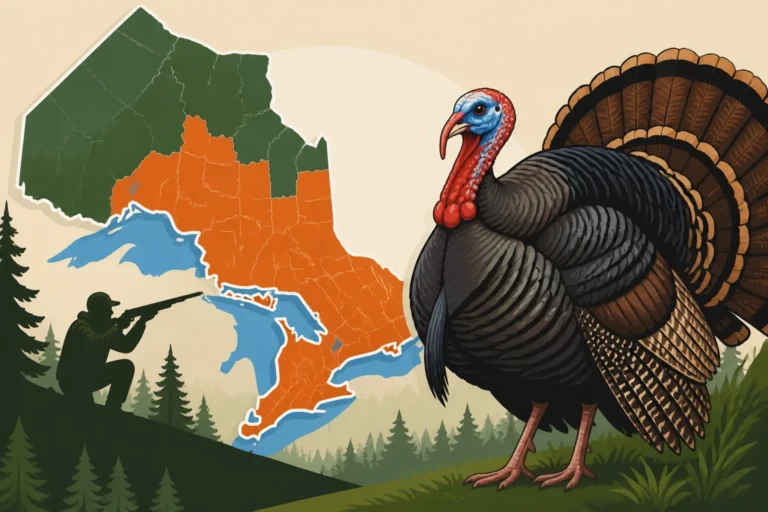
Wild turkey restoration in Ontario details how populations spread across southern and central regions through conservation efforts.
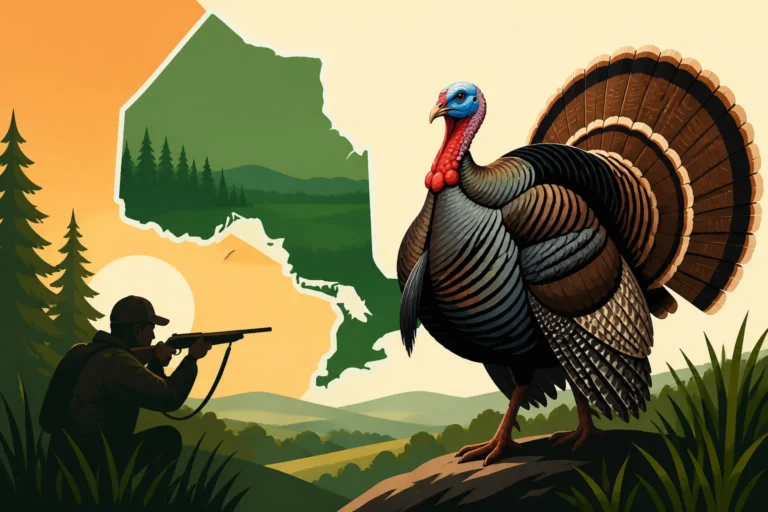
Ontario wild turkeys disappeared by 1909 due to unregulated hunting and habitat loss before a successful relocation strategy.
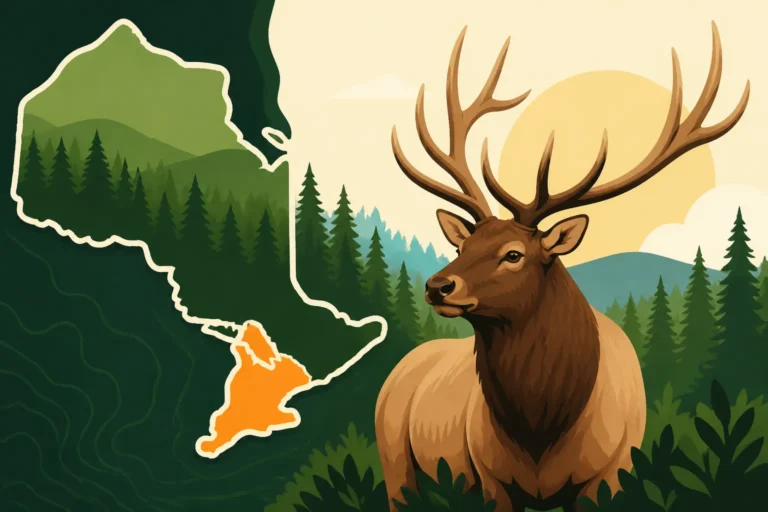
Ontario elk populations and their historic restoration details explain modern reintroduction success and habitat requirements.