Hunting Ontario’s Shield Country
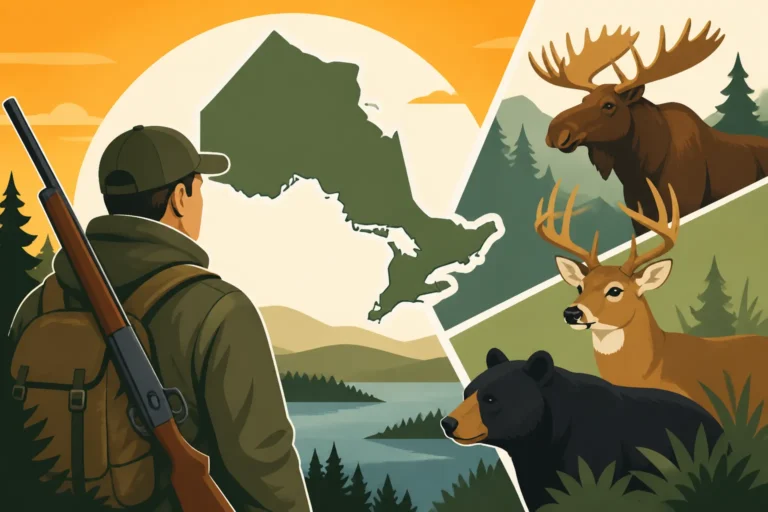
The vast, rugged expanse of Ontario's Shield country holds an allure for many hunters, but its dense forests, granite outcrops, and countless lakes can feel like an impenetrable fortress if you're not prepared. Many folks come up here, perhaps used to farmland edges or more open bush, and quickly find themselves overwhelmed by the sheer scale and wildness. This guide is all about demystifying the challenges and helping you unlock the incredible hunting opportunities that lie hidden within Ontario's iconic Canadian Shield.
Understanding the Ontario Shield Landscape
Before you even think about hoisting a pack or loading a rifle, it's crucial to grasp the very nature of the beast you're stepping into. The Canadian Shield isn't just a geographical region; it's a fundamentally different hunting environment than much of North America, and understanding its quirks is the first step to success.
Geological Features and Habitat Diversity
Imagine an ancient, scoured landscape – that's the Canadian Shield. We're talking about billions of years old bedrock, eroded down by glaciers, leaving behind a patchwork of thin, acidic soils, exposed granite, and countless lakes, rivers, and wetlands. This geology directly dictates the habitat. You won't find vast tracts of nutrient-rich agricultural land here. Instead, you'll encounter a mosaic of mixed coniferous and deciduous forests, often dominated by species like black spruce, balsam fir, pine, birch, and poplar.
The topography is often rolling, punctuated by steep rock ridges, deep valleys, and endless beaver ponds and swamps. This creates a very "patchy" habitat, meaning food sources and cover can be highly localized. A productive stand of hardwoods might be right next to an impenetrable cedar swamp or a granite bluff. Navigating this terrain means constant ups and downs, wet feet, and pushing through dense undergrowth. It's truly a three-dimensional hunting experience, unlike the often flatter, more uniform landscapes you might find elsewhere. The sheer abundance of water, from small trickles to massive inland seas, also carves the land, creating natural travel corridors for game and significant barriers for hunters.
Ecosystems and Game Species Adaptations
The ecosystem of the Shield is distinctly boreal and mixed forest. Animals here have adapted to the colder climate, tougher foraging conditions, and often deeper snows. Whitetail deer, for instance, are less numerous per square mile than in southern Ontario farmland, but the ones that survive tend to be hardy, often larger-bodied animals that know how to use the thick cover and yarding areas like cedar swamps to their advantage during harsh winters. Their movements are often dictated by these dense thermal covers and available browse in logged areas or along lakeshores.
Moose are, without a doubt, the quintessential big game animal of the Shield. They thrive on the abundant browse found in young growth, willow thickets, and aquatic vegetation in shallow ponds and lakes. Their massive size and long legs are perfectly suited for navigating the muskeg and thick brush. Black bears are also incredibly abundant, finding ample food in berry patches, ant hills, and the diverse flora of the mixed forests. You'll also encounter a host of smaller game, from ruffed grouse drumming on old logs to snowshoe hare darting through thickets. Predators like wolves and coyotes are ever-present, reminding you that you're truly in wild country. What the Algonquin Wolf Actually Is gives you a sense of the predator dynamics here.
Prime Game Species of the Shield
The Canadian Shield offers a diverse menu for the adventurous hunter, each species presenting its own unique challenge and reward. It’s not just about what you hunt, but how these animals interact with this specific environment.
Moose: Kings of the Boreal
For many, hunting the Shield means hunting moose. These majestic creatures epitomize the northern wilderness, and a successful moose hunt is often the pinnacle of an Ontario hunting career. They prefer younger forests, beaver ponds, and willow thickets, especially during the rut when bulls are on the move searching for cows. Calling is an incredibly effective strategy here, especially in the vast, broken country where sight lines are limited. A well-placed cow call or grunt can bring a bull charging in, or at least let you pinpoint his location. You might find them feeding heavily on aquatic vegetation in shallow bays or along sluggish rivers in the early season, making boat access a real advantage.
Later in the fall, as the rut progresses, they become more vocal and nomadic, constantly scent-checking scrapes and rub lines. Understanding their preferred forage, like willow, balsam fir, and poplar, will help you identify key feeding areas. Don't underestimate the physical demands of moose hunting; often, these hunts involve significant tracking and arduous game recovery in challenging terrain. For more on strategies, check out Calling a Bull Moose in the Rut. Also, if you're looking for prime moose habitat, Hunting Moose Around an Ontario Beaver Pond is a great resource.
Black Bear: Abundant and Challenging
Ontario's Shield country is bear country, through and through. Black bears are incredibly widespread and thrive in the diverse habitats, from berry-laden clearcuts to dense coniferous stands where they find denning sites. While some hunters prefer spot-and-stalk tactics in more open logging cuts, baiting remains a highly popular and effective method, allowing hunters to target specific animals and ensure ethical shots.
Spring bear hunting offers a unique experience, as bears emerge from their dens and seek out early green-up. Spring Bear Hunting in Ontario offers more details on this. In the fall, their movements are often dictated by the availability of natural foods like blueberries, raspberries, and hazelnuts. A good berry crop can spread bears out, making them harder to find, while a poor crop can concentrate them around reliable food sources or baits. Judging a bear's size can be tricky, especially in the thick cover, but understanding their habits and typical ranges is key. Always remember the strict rules regarding sows with cubs; it is illegal to harvest a sow with dependent cubs. If you're considering setting up a bait, Baiting Black Bear in Ontario provides essential information.
Whitetail Deer: Adaptable Survivors
While not as prolific as in the agricultural south, whitetail deer in the Shield country are a testament to adaptability. They exist at lower densities but often exhibit larger body sizes, a direct result of needing more mass to survive colder winters. These deer are masters of using thick cover – cedar swamps, dense spruce stands, and rock outcrops – for bedding and thermal protection. You'll rarely see large herds; instead, you'll be looking for signs of individual animals or small family groups.
Hunting these deer often involves focusing on transitional zones: the edges of swamps, where hardwoods meet evergreens, or along natural funnels created by rock formations or water bodies. Scouting for sign, like rubs, scrapes, and tracks along these edges, is paramount. During deep snows, deer will "yard up" in dense cedar swamps, making these areas critical to locate for late-season success. Patience and quiet still hunting are often more effective than aggressive tactics, as these deer are notoriously spooky. For strategies on where to find them, Hunting a Cedar Swamp Edge can be invaluable.
Upland Birds and Small Game
Don't overlook the incredible opportunities for upland bird and small game hunting in the Shield. Ruffed grouse, often referred to as "partridge" by locals, thrive in mixed forest habitats, particularly along old logging roads, regenerating clearcuts, and aspen stands. Their explosive flush makes for exciting hunting, and they are excellent table fare. Ruffed Grouse Hunting Ontario's Bush Roads is a great resource for finding these birds.
Spruce grouse, with their more docile nature, are found in denser coniferous forests, often associating with black spruce and balsam fir. Snowshoe hare are abundant in thickets and young growth, especially after a fresh snow when their tracks are easy to follow. Running beagles for hare is a traditional and fun way to hunt. Running Beagles on Ontario Snowshoe Hare offers insights into this method. These species offer fantastic opportunities to fill gaps in a big game hunt or to simply enjoy a more relaxed day in the bush.
Navigating the Challenges of Shield Hunting
The beauty and abundance of the Shield come with a set of unique challenges that demand respect and thorough preparation from every hunter. Ignoring these can quickly turn an exciting adventure into a dangerous predicament.
Rugged Terrain and Remote Access
The phrase "rugged terrain" doesn't quite capture the reality of the Shield. It's a landscape of constant ups and downs, from climbing over exposed granite ridges to slogging through knee-deep muskeg or beaver ponds. There are very few flat, easy walks. This makes for physically demanding hunting, often covering less ground than you might in other regions, but requiring more energy for every step. Good physical conditioning is not just a recommendation; it's a necessity.
Many of the most promising hunting areas are quite remote, with limited road access. Old logging roads, ATV trails, or even canoe routes might be your only way in. You'll quickly discover that a few kilometers on a map can translate into hours of arduous travel on foot or by vehicle. This remoteness also means you're often far from help, emphasizing the need for self-reliance and proper planning. Navigating vast tracts of crown land can be daunting, but with the right tools, it's very doable. Hunting Ontario's Crown Land offers an excellent starting point for understanding how to approach public land here. For truly off-the-beaten-path experiences, Canoe-In Hunting on Ontario Crown Land describes a common and rewarding approach.
Weather Variability and Short Seasons
The weather in Ontario's Shield country, particularly during hunting seasons, can be notoriously unpredictable. Early fall can bring warm, bug-filled days, transitioning rapidly to crisp, cold mornings, and by late October or November, you can expect significant snowfall and freezing temperatures. It's not uncommon to experience all four seasons in a single week, or even a single day. This variability impacts both the hunter and the hunted. Rapid temperature drops can trigger game movement, but also make for miserable hunting conditions if you're not properly dressed.
The northern latitudes mean shorter daylight hours as the fall progresses, especially important for planning your hunts and ensuring you have enough time for tracking and field dressing. Hunters need to be prepared for anything, from heavy rain and sleet to deep snow. Layering your clothing system is absolutely critical, ensuring you can add or shed layers as conditions change to manage your core body temperature and stay dry.
Navigation and Communication in the Bush
Perhaps the single biggest challenge, and potentially the most dangerous, is navigation in the vast, undifferentiated bush. With dense tree cover, rolling terrain, and countless similar-looking lakes and ridges, it's incredibly easy to get turned around, even for experienced woodsmen. Cell service quickly becomes non-existent once you leave populated areas or main highways. Relying solely on a smartphone for navigation is a recipe for disaster.
A robust navigation strategy is essential. This means carrying multiple tools: a reliable GPS unit (like a Garmin or an app like onX Hunt on a dedicated device with downloaded maps), a traditional compass, and a paper map of your hunting area. Learn how to use them before you're deep in the bush. Using a GPS to mark your vehicle, camp, and key features is paramount. Apps like onX Hunt or GoHunt with their detailed satellite imagery and property line overlays can be a game-changer for understanding the terrain and planning your routes, even offline. Always let someone know your plans and expected return time. For more on preparing yourself, see What to Do If You Get Turned Around. Also, for planning, Scouting With Satellite Imagery in Ontario will provide further tips.
Effective Hunting Strategies for the Shield
Hunting the Canadian Shield demands a different approach than many other environments. The vastness, the rugged terrain, and the way game animals use the landscape mean you need a blend of patience, persistence, and specialized tactics.
Still Hunting and Spot-and-Stalk
Still hunting is arguably one of the most effective and rewarding strategies in the Shield. This isn't about sitting in one spot; it's about moving incredibly slowly and deliberately through the forest, pausing frequently to observe, listen, and scan the surroundings. Think of it as stalking, but covering more ground. The key is to use the wind, move quietly, and take advantage of the natural sounds of the forest to mask your own. You're looking for subtle movements, a flick of an ear, a patch of hide through the trees.
Spot-and-stalk can also be effective in areas with more open visibility, such as recent logging cutovers, old burns, or along the edges of larger beaver ponds and lakes. These openings allow you to use binoculars to scan for game from a distance before planning an approach. The terrain itself can offer natural cover for a stalk, using rock outcroppings, dips in the land, or thick stands of evergreens to remain concealed. Patience is a virtue here; moving too fast will almost certainly result in busted opportunities. Consider reading Hunting a Cutover Three Years On for specific strategies in such areas.
Stand Hunting and Ambush Tactics
While the Shield is vast, animals still move through predictable patterns, and identifying these choke points can make stand hunting highly successful. Funnels created by lakes, swamps, or rock ridges can concentrate game movement. Look for active trails, rub lines, and scrapes in these areas. Setting up a portable treestand or ground blind along these natural travel corridors, or overlooking a prime feeding area like a regenerating cut block or a preferred browse patch, can provide an excellent ambush opportunity.
Remember that scent control is crucial, as the thermals in rugged terrain can swirl unexpectedly. Pay close attention to wind direction throughout the day and position your stand accordingly. Also, consider areas where different habitat types converge, like where a hardwood ridge meets a cedar swamp, as these edges are often highways for deer and moose. Setting up a stand requires careful thought and a keen eye for game sign. Hanging a Stand on an Ontario Bush Edge gives solid advice for this type of setup.
Calling and Driving Techniques
Calling can be a powerful tool, particularly for moose and, to a lesser extent, deer. For moose, cow calls, bull grunts, and raking a paddle against trees to simulate a bull thrashing brush can be incredibly effective during the rut. Patience is key; a bull might take a long time to respond or circle downwind before presenting a shot. Knowing when to call aggressively and when to be subtle comes with experience.
For whitetails, rattling antlers or using grunt calls can work, especially during the peak rut. However, in the vastness of the Shield, these calls often have a shorter effective range in thick cover. Drives, particularly for whitetail deer, can also be productive in the Shield's dense cover, especially on smaller bush lots or between natural barriers. This typically involves a few hunters acting as "drivers" pushing game towards "posters" positioned along known escape routes. Safety is paramount with drives, and clear communication and understanding of the layout are non-negotiable. Deer Drives With Three or Four Hunters offers a good overview of coordinating such an effort.
Essential Gear and Safety for Shield Hunts
Venturing into Ontario's Shield country without the right gear and a strong emphasis on safety is an invitation for trouble. This isn't just about comfort; it's about survival and increasing your chances of a successful, enjoyable hunt.
Clothing and Footwear for All Conditions
Given the unpredictable weather of the Shield, a versatile layering system is non-negotiable. Start with moisture-wicking base layers, add insulating mid-layers (fleece or down), and top it off with waterproof and windproof outer shells. Your outer layers should be durable enough to withstand brush, silent for hunting, and preferably in blaze orange for safety, as required by law during certain seasons. How Much Blaze Orange Ontario Requires details these requirements. Avoid cotton, as it retains moisture and loses its insulating properties when wet.
Footwear is equally critical. You'll be crossing wet areas, climbing rocks, and slogging through mud. Waterproof, sturdy boots with good ankle support are essential. Many experienced Shield hunters opt for knee-high rubber boots for wading through shallow water and navigating wet ground, or high-quality waterproof hiking boots for drier, rockier terrain. Bring extra socks, always. Nothing saps morale and increases the risk of blisters like wet feet.
Navigation and Survival Kit
As mentioned, navigation is paramount. Your core kit should include a GPS unit (like a Garmin InReach Mini or an old-school Etrex), a dedicated hunting app like onX Hunt with downloaded offline maps, a physical map of your WMU, and a reliable compass. Know how to use all of them in conjunction. Don't solely rely on a smartphone, as battery life is a constant concern in the cold and remote areas.
Beyond navigation, a comprehensive survival kit is a must. This should include:
- Fire-starting materials: multiple lighters, waterproof matches, fire starter tabs.
- Emergency shelter: a lightweight tarp or space blanket.
- First-aid kit: well-stocked for cuts, blisters, and minor injuries.
- Signaling devices: whistle, mirror, possibly a satellite communicator for emergencies where cell service is absent.
- Knife: sharp and durable.
- Headlamp/flashlight: with extra batteries.
- High-calorie snacks and water filter/purification tablets: for unexpected overnight stays.
Remember, the goal is to be self-sufficient for at least 24-48 hours if something goes wrong.
Transportation and Recovery
Getting into your hunting area is one thing; getting game out is often the greater challenge. If you're hunting truly remote areas, consider the logistics of game recovery before you even pull the trigger. For moose, this might involve quartering the animal in the field and packing it out on multiple trips, using a heavy-duty pack frame, or even coordinating a float plane or boat extraction. Getting a Moose Out by Canoe illustrates the dedication required.
For deer and bear, dragging a large animal over rocks, through swamps, and up hills can be incredibly arduous. A deer cart can be helpful on old logging roads, but they are often useless in thick bush or over boulder fields. If using an ATV, be aware of specific regulations regarding their use on Crown Land. ATV Rules on Ontario Crown Land outlines what's permissible. Having a well-equipped truck with a winch, tow strap, and basic recovery gear is also smart for accessing more remote bush roads.
Finding Your Perfect Shield Hunting Spot
The vastness of Ontario's Shield country can be overwhelming when trying to pinpoint a hunting location. However, with the right approach and resources, you can break down the wilderness into manageable, productive areas.
Utilizing Wildlife Management Units (WMUs)
Ontario is divided into numerous Wildlife Management Units (WMUs), and in the Shield, these units are often incredibly large and diverse. Each WMU has specific season dates, tag allocations, and regulations for various species. Your first step is to identify the WMU you plan to hunt and thoroughly research its specific rules. You can find detailed maps of these units online. Reading an Ontario WMU Map Before You Go is a great start.
Don't just pick a WMU at random; research general game populations within different units. While numbers might be lower than in Southern Ontario, some Shield WMUs are known for better moose or bear populations due to habitat. Online resources and forums, even platforms like GoHunt, which aggregates hunting information, can provide insights into harvest statistics or local conditions, helping you narrow down your choices to WMUs with higher potential for your target species. Pay attention to areas within a WMU that have undergone recent logging, as these regenerate into excellent browse for deer and moose, and prime berry patches for bears and grouse.
Crown Land Access and Regulations
A huge advantage of hunting the Shield is the sheer amount of accessible Crown Land (public land). Unlike many other jurisdictions, large tracts of Ontario's northern and central regions are open to public hunting. However, "open" doesn't mean "unregulated." There are specific rules regarding camping on Crown Land, vehicle use, and ethical hunting practices. While generally more permissive than private land, knowing these regulations is crucial to avoid issues.
Utilize online mapping tools and government resources to identify Crown Land boundaries. Apps like onX Hunt are incredibly valuable here, as they often have layers that clearly delineate public and private land, preventing accidental trespass. Also, be mindful of seasonal road closures, especially on old logging roads, which can become impassable in wet conditions or after heavy snow. Planning your access points and potential travel routes meticulously on a map before you even leave home is key to maximizing your hunting time. Hunting Ontario's Crown Land delves deeper into navigating these public lands.
Fly-In and Boat-In Opportunities
For those truly seeking solitude and untouched wilderness, Ontario's Shield offers unparalleled fly-in and boat-in hunting opportunities. Countless remote lakes and river systems are inaccessible by road, meaning the only way in is by float plane or by portaging a canoe. This type of hunt is an incredible adventure, allowing you to access areas that see minimal human pressure and often hold larger, less pressured game.
Booking a fly-in hunt with an outfitter or air service involves careful planning, including weight restrictions for gear and game, and understanding the costs involved. Similarly, a canoe-in trip requires meticulous packing, knowledge of wilderness travel, and a robust understanding of your route. Both options demand a higher level of preparation, self-reliance, and physical fitness, but the rewards can be truly exceptional – a pure wilderness experience that few other places can offer. Flying Into a Remote Ontario Camp and Boating Into a Crown Land Camp cover these exciting options in detail.
Here's a quick comparison of some key differences you might encounter:
| Feature | Southern Ontario Farmland | Northern Ontario Shield Country |
|---|---|---|
| Primary Terrain | Flat, rolling hills, agricultural fields, woodlots | Rugged granite, dense mixed forest, swamps, numerous lakes |
| Deer Density | High, often suburban edge | Lower, scattered, larger-bodied |
| Moose/Bear | Very rare/Absent | Abundant, primary big game |
| Access | Mostly private land, need permission | Vast Crown Land, remote access |
| Navigation | Easier, landmarks, cell service common | Challenging, dense cover, no cell service |
| Physical Demand | Moderate | High, strenuous hiking and packing |
| Road Systems | Grid-like, paved/gravel | Limited, old logging roads, seasonal closures |
Disclaimer
This article is for general informational purposes only and does not constitute professional advice. Laws, prices and regulations vary by location and change over time. Consult a qualified professional for guidance on your specific situation.