Hunting the Cochrane Clay Belt
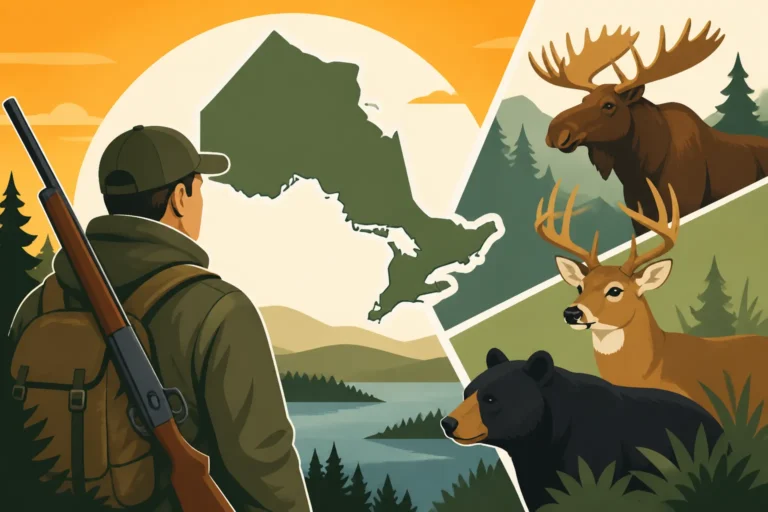
Hunting in Northern Ontario can be an incredible experience, but the sheer scale of the landscape and the density of the bush can feel overwhelming if you're not familiar with the terrain. Many hunters dream of pursuing big game in remote settings, but the reality of actually finding accessible, productive land that isn't already heavily pressured often leads to frustration. This guide will help you understand and tackle hunting the unique and often overlooked Cochrane Clay Belt, offering practical insights to boost your chances of success in this prime northern hunting region.
Understanding the Cochrane Clay Belt: A Unique Northern Landscape for Hunters
The Cochrane Clay Belt is a fascinating and often underestimated region for Ontario hunters. Unlike the rugged, rocky Canadian Shield that dominates much of Northern Ontario, the Clay Belt is characterized by a deep, fertile layer of glacial clay deposits. This geological history has created a distinct environment that heavily influences both the flora and fauna, offering a different kind of challenge and reward compared to hunting further south or in other northern areas. If you've only hunted the granite ridges and pine forests of the Shield, the Clay Belt will offer a completely different experience underfoot and in the tree canopy.
Geography and Habitat That Shape the Hunt
Imagine driving north of communities like Timmins, Cochrane, or Kapuskasing, and seeing the landscape gradually change. The sparse, rocky outcrops give way to vast expanses of relatively flat or gently rolling terrain. This rich clay soil, a remnant of ancient glacial Lake Ojibway, supports dense stands of balsam fir, black spruce, white spruce, trembling aspen, white birch, and tamarack. Unlike the often dry, fire-prone forests of the Shield, the Clay Belt tends to be wetter, with numerous bogs, fens, and slow-moving streams. This rich moisture content and nutrient-rich soil mean faster growing trees and more robust vegetation, creating a veritable smorgasbord for browse-dependent species like moose and deer.
This unique combination of dense conifers, deciduous regeneration, and abundant water sources creates prime habitat. The aspen and birch provide crucial browse, especially for moose, while the dense spruce stands offer thermal cover and protection from harsh winter winds. The extensive network of wetlands, though challenging to traverse on foot, also acts as natural corridors and feeding grounds for a variety of game. Understanding this habitat is key to anticipating where animals will be feeding, bedding, and travelling. You’ll find yourself navigating through areas of thick black spruce, then suddenly breaking out into a young poplar cutover, or struggling through a tag alder swamp – each offering different opportunities.
Why the Clay Belt Attracts Big Game Hunters
The primary draw for many hunters to the Cochrane Clay Belt is its reputation for robust populations of moose and black bear. Due to the abundant browse and relatively low human population density compared to Southern Ontario, these animals thrive. The vast tracts of Hunting Ontario's Crown Land here offer unparalleled public access, a stark contrast to the increasingly fragmented and privatized hunting opportunities elsewhere. You can literally drive for hours on public roads and find thousands upon thousands of acres of huntable land.
Moose, in particular, find the Clay Belt's mix of softwood cover, hardwood browse, and water irresistible. The extensive logging activity, which creates clear-cuts and regenerating forests, continually renews their food supply. These younger successional forests provide the tender shoots and saplings that moose prefer. Similarly, black bears are drawn to the rich berry crops that flourish in the regenerating clearings and along forest edges, as well as the dense cover for denning. It’s not uncommon to encounter signs of both species with regularity. While the moose population has seen some challenges in other parts of the province, the Clay Belt often remains a stronghold.
Target Species and Hunting Strategies in the Clay Belt
Hunting the Cochrane Clay Belt offers opportunities for several sought-after species, each requiring specific tactics adapted to this unique northern environment. Success here often hinges on understanding animal behaviour in dense bush and using the available landscape features to your advantage.
Pursuing Ontario's Majestic Moose
The Clay Belt is widely considered one of Ontario's premier moose hunting destinations. These magnificent animals thrive in the mix of cover and feed available. When you're out there, you'll be looking for signs of fresh browse on young saplings, tracks along wet trails, and rubs on smaller trees from bulls in the fall.
- Calling Strategies: During the rut, which typically When Ontario's Moose Rut Peaks in late September and early October, calling is incredibly effective. The dense cover means visual encounters can be limited, so relying on sound to draw a bull in is paramount. Moose calls, ranging from cow moans to bull grunts and rakes, can be very productive. Finding a natural clearing, an old logging deck, or even a semi-open area along a beaver pond or swamp edge is an ideal spot to set up and start calling. Patience is key; a bull might circle downwind for a long time before revealing himself. Calling a Bull Moose in the Rut is an art form, and the Clay Belt's terrain lends itself well to it.
- Hunting Clearcuts and Regeneration: Logging clear-cuts, especially those 3-10 years old, are moose magnets. They offer abundant food in the form of regenerating aspen, birch, and willow. These areas can be incredibly thick, making still-hunting or methodical drives a challenge but also highly rewarding. Look for tracks entering and exiting these areas, and focus on the edges where the new growth meets mature timber.
- Navigating Wet Areas: The Clay Belt's numerous bogs, fens, and creek bottoms are often moose highways. While challenging to walk through, they can be excellent places to ambush a moose. Focus on pinch points, saddles between wet areas, and elevated ridges that animals might use to avoid the deepest muck. Accessing these areas often means Hunting Moose From a Boat or Canoe or on foot through tough conditions.
The Abundant Black Bear Opportunity
Black bears are also very common residents of the Clay Belt. The ample cover, diverse food sources, and relatively unpressured environment create ideal conditions for a healthy bear population. Hunters often pursue bears in both the spring and fall seasons.
- Baiting (Where Legal): For many, a Black Bear Hunting in Ontario adventure in the Clay Belt revolves around baiting. Setting up a consistent bait site requires commitment and knowledge of bear behaviour. You'll want to place your bait in areas with good cover, away from human disturbance, and ideally near natural food sources. The goal is to draw bears in regularly, allowing you to establish a pattern and identify a shooter animal. Setting a Bear Bait Site in Ontario involves careful planning and adherence to regulations regarding baiting distances from roads and residences. Patience and persistence are crucial for a successful bait hunt.
- Still-Hunting and Spot-and-Stalk: For those who prefer a more active approach, still-hunting through dense cover or spot-and-stalk hunting along old logging roads and clear-cut edges can be productive. Bears are often found foraging for berries, nuts, or even insects in these areas. The Clay Belt's network of old bush roads provides an excellent way to cover ground quietly, stopping frequently to glass openings and listen for sounds.
- Seasonal Movements: Bears' diets change throughout the season. In spring, they emerge from dens hungry and often seek out early green vegetation. In late summer and fall, their focus shifts to berries, acorns (if available), and other calorie-rich foods as they prepare for hibernation. Understanding these seasonal food preferences will help you pinpoint where bears are likely to be found.
Small Game and Upland Birds
Beyond the big game, the Cochrane Clay Belt offers fantastic opportunities for small game and upland bird hunting, particularly for ruffed grouse, spruce grouse, and snowshoe hare. These hunts are often combined with big game pursuits or enjoyed as standalone trips.
- Ruffed Grouse and Spruce Grouse: The mix of coniferous and deciduous forest, especially along edges and in regenerating cuts, provides excellent habitat for grouse. Old Hunting an Old Logging Road in the North are prime spots for finding ruffed grouse dusting themselves or feeding on berries and buds. A walk along these quieter paths, especially in the early morning or late afternoon, often yields flush after flush. Spruce grouse tend to prefer denser conifer stands. Whether you're hunting with a shotgun, a small-calibre rifle, or even a .22 pistol, grouse offer a fun and delicious addition to any hunt. Ruffed Grouse Hunting Ontario's Bush Road is a classic Clay Belt experience.
- Snowshoe Hare: These charismatic creatures thrive in the dense undergrowth and young forest stands characteristic of the Clay Belt. Their populations cycle, but in good years, they are abundant. Snowshoe hare hunting, often done with beagles or by still-hunting, can be an exciting winter activity, or a great way to put meat in the pot during a fall big game hunt. Look for their distinct tracks in the snow or their signs in thick cedar and spruce bottoms. Rabbit and Hare Hunting in Ontario can be incredibly fun and provides excellent table fare.
Navigating and Accessing the Clay Belt's Hunting Grounds
Hunting the vast wilderness of the Cochrane Clay Belt presents unique logistical challenges, especially concerning navigation and access. Unlike more developed areas, you'll be relying heavily on maps, local knowledge, and good old-fashioned bush sense.
Unlocking Crown Land Access
The overwhelming majority of huntable land in the Clay Belt is Crown Land, meaning it's public land accessible to everyone. This is a huge advantage, as you won't typically need permission, though you must always respect private property that may be interspersed within Crown holdings. The challenge isn't access itself, but knowing where you are and where the property lines are.
- Mapping Tools: Digital mapping apps like onX Hunt have revolutionized how hunters navigate Crown Land. These apps display property boundaries, roads, trails, and topographical features directly on your smartphone or GPS device, even without cell service. Before you head out, download offline maps for your chosen Ontario's Wildlife Management Units. This way, you can clearly see if you're on Crown Land or if a private parcel is nearby. Understanding Reading Ontario Crown Land Layers on onX is essential for making the most of these tools.
- Official Resources: Always cross-reference your digital maps with official sources from the Ontario government, which outline Hunting Ontario's Crown Land regulations. Knowing your WMU boundaries is vital, as season dates and regulations can vary. Print physical maps as a backup, especially topographic maps that show elevation changes, waterways, and old logging cuts not always visible on standard road maps.
The Network of Bush Roads and Logging Cuts
The Clay Belt is crisscrossed with an extensive network of bush roads, logging roads, and old trails. These are your lifelines for accessing remote areas, but they also come with their own set of considerations.
- Finding Access Points: Many of these roads are not marked on conventional road maps. Satellite imagery (like Google Earth or through your onX Hunt app) is invaluable for identifying these arteries into the bush. Look for roads leading off major highways or municipal roads. Some may be gated, indicating active logging operations or private access. Always be mindful of active logging; it can be dangerous to enter areas where heavy equipment is working.
- Vehicle Considerations: Many bush roads can be rough, muddy, or overgrown, requiring a 4×4 truck or ATV. Be prepared for washouts, soft spots, and downed trees. Always carry a chainsaw, shovel, winching gear, and a full-size spare tire. Hunting Moose Off a Bush Road is a common tactic, driving slowly and scanning clearings, but always pull well off the road if you stop to hunt.
- Navigating the Maze: It's incredibly easy to get turned around on these roads. What looks like a main track can quickly become a faint ATV trail or simply fade into the bush. Always pay attention to landmarks, use your GPS, and mark your entry points. Having a well-charged power bank for your phone or GPS is critical. Remember, cell service is often non-existent once you leave the main highways.
Essential Gear for Northern Ontario Hunting
Being prepared for the Clay Belt's remote and often rugged conditions is non-negotiable. Your gear choices can make or break your trip, especially if you get What to Do If You Get Turned Around.
- Navigation: Beyond your GPS or mapping app, carry a physical map and compass, and know how to use them. A personal locator beacon (PLB) or satellite messenger (like a Garmin InReach or Zoleo) is highly recommended for emergency communication outside of cell service.
- Survival Gear: A good Truck Kit for a Northern Ontario Hunt should include fire-starting materials, a first-aid kit, extra layers of clothing, a headlamp, emergency food and water, a sharp knife, and a small saw or axe. Don't forget bug spray – northern Ontario bugs can be relentless!
- Appropriate Clothing: Dress in layers. The weather can change rapidly, from crisp mornings to warm afternoons, or sudden rain showers. Waterproof outer layers are a must. Good quality, waterproof boots that can handle mud, muskeg, and stream crossings are paramount.
- Game Retrieval: If you're successful with a moose or bear, getting it out of the bush is a serious undertaking. Consider a game cart, a good quality frame pack, and strong rope. Even better, bring an extra set of hands. Quartering a moose in the field is often necessary.
Planning Your Cochrane Clay Belt Hunt for Success
A successful hunt in the Cochrane Clay Belt isn't just about showing up with a rifle; it's about meticulous planning, understanding regulations, and adapting to the wild. The better prepared you are, the more enjoyable and fruitful your trip will be.
The Importance of Pre-Season Scouting
You can't just drive north and expect to stumble upon prime hunting ground. Pre-season scouting is absolutely critical, even if you can't physically be on the ground.
- Satellite Imagery: Modern tools allow you to do extensive scouting from your armchair. Use Google Earth or mapping apps like onX Hunt or GoHunt to pour over satellite imagery. Look for key features: recent logging cuts (often identifiable by distinct, lighter green patches of regenerating forest), natural funnels, pinch points between swamps, beaver ponds, and hardwood ridges. Identifying these areas from above can save you countless hours of walking in the wrong places. Scouting With Satellite Imagery in Ontario is an absolute game-changer for northern hunts.
- WMU Research: Spend time researching the specific Ontario's Wildlife Management Units you plan to hunt. Different WMUs have varying habitat types, game densities, and specific regulations. Some areas might have higher moose densities, while others might be known for their bear populations. Understanding these nuances will help you narrow down your focus.
- Old Maps and Local Intel: Sometimes, older forestry maps can reveal forgotten logging roads or trails that aren't visible on current satellite imagery. If possible, talk to locals, foresters, or other experienced hunters who have spent time in the area. They can offer invaluable insights into game movements, traditional hotspots, or areas to avoid.
Understanding Seasons and Regulations
Ontario's hunting regulations are complex and vary significantly by species and WMU. Ignorance of the law is never an excuse, and violating regulations can result in hefty fines and loss of hunting privileges.
- Moose Tag Allocation: Moose hunting in Ontario is primarily managed through a points-based draw system. You need to apply well in advance, and success often depends on accumulated points or applying as part of a group. Understanding the application process, deadlines, and how Ontario's Moose Tag Allocation Process works is paramount. If you're a non-resident, your options might be different, often involving booking through an outfitter who holds an allocation.
- Bear Seasons: Ontario has both spring and fall bear seasons in many WMUs. Be sure to check the specific dates for your chosen area. Bag limits and other requirements, such as the mandatory bear validation certificate, must be adhered to.
- Small Game and Upland Birds: Generally, these seasons are more liberal, but limits and specific species rules still apply. Non-toxic shot is often required for waterfowl, but not typically for upland birds or small game. Always confirm before you hunt.
Here’s a quick overview of common game and their general characteristics in the Clay Belt:
| Game Species | Preferred Habitat | Key Identification Signs | Best Time to Hunt | Notes |
|---|---|---|---|---|
| Moose | Young clear-cuts, wetlands, spruce/fir thickets, alder bogs | Large tracks, fresh browse, rubs, droppings | Late Sept – Early Oct (rut) | Utilize calling, focus on regeneration and wet areas. |
| Black Bear | Dense conifer cover, clear-cut edges, berry patches | Tracks, scat, claw marks on trees, disturbed logs | Spring & Fall | Baiting is popular (check regulations), still-hunt edges of cuts. |
| Ruffed Grouse | Mixed forests, edges of clear-cuts, old logging roads | Dusting bowls, tracks, drumming logs | Early Fall | Walk old roads, focus on aspen and birch stands. |
| Spruce Grouse | Dense black spruce/fir stands | Tracks, droppings, often less wary | Early Fall | Found deeper in conifer stands, good for still-hunting. |
| Snowshoe Hare | Thick young growth, cedar swamps, dense brush | Tracks (especially in snow), clipped vegetation | Fall & Winter | Active at dawn/dusk, can be hunted with dogs or by still-hunting. |
Final Considerations for Your Hunt
- Safety First: Hunting in remote northern Ontario carries inherent risks. Always tell someone your hunting plan, including your intended area and expected return time. Carry a full survival kit, be aware of wildlife (especially other bears), and stay hydrated and fed.
- Respect the Land: Pack out everything you pack in. Leave no trace. Adhere to all regulations regarding fire, camping, and waste disposal. The privilege of hunting these vast wild spaces depends on all of us being responsible stewards.
- Enjoy the Experience: Even if you don't fill a tag, the Cochrane Clay Belt offers an incredible opportunity to immerse yourself in true wilderness. The sounds, the solitude, and the sheer beauty of the northern bush are rewards in themselves.
The Cochrane Clay Belt is a gem for Ontario hunters willing to put in the effort. With proper planning, the right gear, and a solid understanding of the terrain and its inhabitants, you can have a truly memorable and successful hunt in this wild and abundant region.
Disclaimer
This article is for general informational purposes only and does not constitute professional advice. Laws, prices and regulations vary by location and change over time. Consult a qualified professional for guidance on your specific situation.