Ontario’s Wild Pig Eradication Effort
It's an unsettling thought, but invasive species can wreak havoc on our precious Ontario landscapes and native wildlife. One of the most concerning threats currently facing our province is the growing presence of wild pigs. These aren't your typical farm animals; they're incredibly destructive, rapidly reproducing, and extremely cunning. This guide will walk you through what Ontario is doing to combat this invasive threat, why it's so important, and how you, as a concerned resident or hunter, can play a vital role in protecting our ecosystems.
Understanding the Wild Pig Threat in Ontario
When we talk about "wild pigs" in Ontario, we're not just referring to one specific type of animal. It's a broad term that often includes true European wild boar, which were once brought here for farming or hunting preserves, and domestic pigs that have escaped and gone feral. Sometimes, it's a mix of both, creating hardy hybrids. Regardless of their exact lineage, these animals are not native to Ontario, and their presence poses a significant danger to our environment, agriculture, and even human safety.
What Makes Wild Pigs So Destructive?
Imagine an animal that can reproduce at an astounding rate, often having two litters of 4-8 piglets per year, with piglets becoming sexually mature in just a few months. That's a wild pig. Their populations can explode quickly, making control incredibly challenging. But it's not just their numbers that are the issue; it's what they do to the land.
Wild pigs are like living rototillers. They root up huge swaths of land in search of food – think tubers, roots, insects, and anything else they can find. This rooting behaviour destroys crops, pastures, and delicate natural habitats. They decimate forest floors, disturb sensitive wetlands, and degrade water quality by wallowing and disturbing sediment. This directly impacts native plant species and disrupts the food sources and habitats of our indigenous wildlife, including ground-nesting birds like wild turkeys and ducks, as well as deer and moose, who rely on healthy forage.
Beyond habitat destruction, they're voracious omnivores, actively preying on vulnerable species. They'll eat eggs, young birds, fawns, and even small livestock. And if that wasn't enough, they're carriers of numerous diseases and parasites that can easily spread to domestic livestock, like swine fever, and even to our native wildlife populations, such as What CWD Means for Ontario Deer. The economic impact on farmers alone could be devastating if these diseases take hold.
Distinguishing Wild Pigs from Domestic Hogs
It's crucial to be able to identify a wild pig versus a domestic one, especially if you're out in the rural areas. While a domestic pig might have escaped and is now wandering around, a truly wild pig, or a feral hybrid, often exhibits distinct physical characteristics that reflect its adaptation to the wild.
Here's a quick breakdown:
| Characteristic | Domestic Hog (Escaped) | Wild Pig / Feral Hog |
|---|---|---|
| Coat Colour | Wide variety: pink, black, spotted | Often dark, bristly, sometimes striped (piglets) |
| Body Shape | Rounder, shorter legs, larger belly | Leaner, muscular, longer snout, longer legs |
| Head/Snout | Shorter, often dish-shaped face | Longer, straighter snout, more pointed head |
| Tail | Often curly, can be docked | Straight, often with a tuft at the end |
| Tusks | Small or non-existent in most breeds | Prominent, sharp tusks (males and some females) |
| Ears | Floppier, larger | Smaller, more erect, covered in bristly hair |
| Behaviour | May be docile or fearful of humans | Wary, defensive, often flee at sight of humans |
It's important to remember that even an escaped domestic pig can quickly revert to a feral state and exhibit more wild characteristics over time, especially if it breeds with true wild boar. They become incredibly resilient and adept at surviving in the bush.
Ontario's Strategic Eradication Effort
Recognizing the immense threat, Ontario has initiated a comprehensive eradication program. The goal isn't just to control populations, but to completely eliminate wild pigs from the landscape before they establish a permanent, widespread foothold, like they have in many parts of the United States. This is a monumental task, but it's one that authorities are taking very seriously.
The "Squeal on Pigs" Campaign
One of the cornerstones of Ontario's strategy is public awareness and reporting. The "Squeal on Pigs" campaign is an urgent call to action for everyone, whether you're a farmer, a cottage owner, a hiker, or a hunter enjoying Hunting Ontario's Crown Land. The message is clear: if you see a wild pig or signs of their activity, you need to report it immediately.
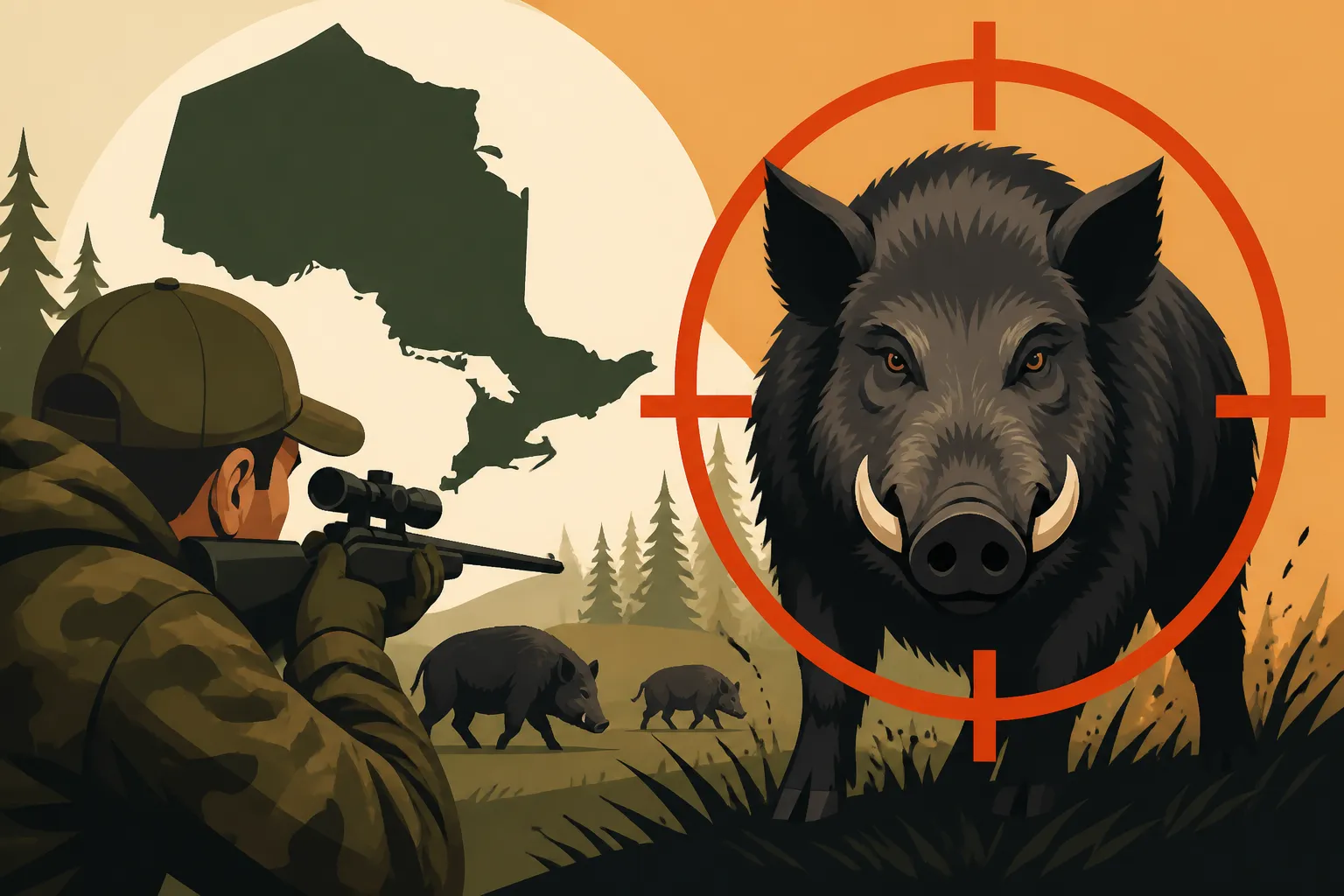
The province emphasizes that reporting is paramount, not attempting to hunt them. The rationale behind this is critical: wild pigs are highly intelligent and adapt quickly. If a small group is present, and hunters attempt to shoot them, the survivors will scatter and become even more wary and nocturnal, making future eradication efforts exponentially harder. This scattering effect is often called "the Judas effect," where attempting to hunt individual animals inadvertently disperses the population, making them harder to track and remove. The goal is to remove entire sounders (groups of pigs) at once, which requires careful tracking and coordinated efforts by trained professionals.
When you report a sighting, authorities will dispatch experts to investigate. They use various methods, including remote cameras, drones, and even specialized traps, to confirm the presence of pigs and identify the size and movement patterns of the sounder. This methodical approach is essential for successful removal.
Eradication Methods Employed
Ontario's approach to eradication is multi-faceted and relies on techniques proven effective in other jurisdictions battling wild pigs. It's not a simple one-size-fits-all solution; it requires adaptive strategies tailored to specific situations.
- Trapping and Euthanasia: This is considered the most effective method for removing entire sounders. Large, remote-controlled traps are set up and pre-baited to habituate the pigs to the location. Once a whole group enters the trap, it's remotely triggered, capturing them all. This prevents scattering and ensures that the maximum number of animals are removed efficiently and humanely. This method is costly and labour-intensive but yields the best results.
- Targeted Removal by Professionals: In certain situations, where trapping might not be feasible or where single animals are identified, trained professionals may use lethal removal methods. This is done in a controlled manner to avoid the scattering effect associated with uncoordinated hunting. These teams often work under strict protocols and often in conjunction with monitoring equipment.
- Public Education and Awareness: As mentioned, the "Squeal on Pigs" campaign is vital. Educating the public about the dangers, how to identify wild pigs, and the importance of reporting is a continuous effort. This includes outreach to agricultural communities, landowners, and outdoor enthusiasts.
The long-term success of the eradication effort hinges on these coordinated strategies, with a strong emphasis on early detection and rapid response. The quicker a new presence of wild pigs is reported and acted upon, the higher the chance of successful eradication.
The Role of Hunters and the Public
Your eyes and ears on the ground are invaluable in this fight. While the instinct to grab a rifle might be strong, especially for hunters familiar with Small Game Hunting in Ontario or Whitetail Hunting in Ontario, it's crucial to understand why that's not the recommended course of action for wild pigs.
Why You Should NOT Hunt Wild Pigs in Ontario
This is perhaps the most important message for hunters and landowners alike: do not hunt wild pigs in Ontario.
- Scattering Effect: As discussed, shooting at a group of pigs almost guarantees that the survivors will scatter, become harder to find, and spread further into new areas. This makes a localized problem exponentially worse and more difficult for professionals to address. They become more nocturnal, more wary, and more challenging to trap.
- Difficulty in Eradication: The provincial strategy is about total eradication, not population control through recreational hunting. Uncoordinated hunting undermines this goal by making the remaining animals uncatchable.
- Legal Implications: Hunting certain species, especially invasive ones, can sometimes have specific regulations that differ from established game animals. Always refer to current provincial guidelines. You don't want to accidentally shoot a domestic animal that has escaped its pen, which could lead to legal issues.
The government's focus is on ensuring a systematic, scientific approach to removal. Your assistance is far more valuable in the form of diligent observation and reporting.
How to Report a Sighting
Reporting a wild pig sighting is straightforward and incredibly important. If you encounter wild pigs or signs of their activity (like extensive rooting, tracks, or wallows), here's what to do:
- Do NOT approach or interact with the pigs. They are wild animals and can be aggressive, especially if they have young.
- Take photos or videos if safe to do so. This helps with identification and confirmation. Note any distinguishing features.
- Note the exact location. Use GPS coordinates if possible, or detailed landmarks. Apps like GoHunt can be incredibly helpful for marking precise locations, especially when you're out in a new Ontario WMU.
- Report immediately. Contact the Invading Species Awareness Program by phone or through their online reporting system. Provide as much detail as possible.
Remember, every report, even if it seems minor, contributes to the overall mapping and tracking efforts, increasing the chances of successful eradication. Think of it as protecting the future of White-Tailed Deer Across Ontario and Moose in Ontario's Boreal Forest by eliminating a competitor and disease vector.
Collaborating with Landowners and Rural Communities
The effort to eradicate wild pigs also heavily relies on the cooperation of landowners, farmers, and rural communities. These are the people most likely to encounter wild pigs firsthand, often on their private property.
- Landowners as First Responders: Farmers are often the first to notice damage or sightings. They are encouraged to report promptly and to work with provincial authorities rather than attempting individual eradication efforts. This cooperative approach prevents the scattering of pigs and allows for effective, large-scale trapping operations.
- Preventing Escapes: For those who raise domestic pigs, secure fencing and proper animal husbandry are critical to prevent escapes that could contribute to the wild pig population. Regular checks of fences and enclosures are vital.
- Community Watch: Forming local "pig watch" groups, similar to how communities might organize for Calling Coyotes in Ontario Farm Country, can help create a network of vigilance. Sharing information about sightings within a trusted local group, while still funneling all official reports through the provincial system, can aid in quick detection and response. This collective effort reinforces the idea that we're all in this together to protect our shared natural resources.
Challenges and Future Outlook
The fight against wild pigs is not an easy one. These animals are incredibly resilient, intelligent, and adaptable, making their eradication one of the toughest challenges in wildlife management. However, Ontario is committed to this effort, understanding the long-term consequences if they fail.
The Scale of the Challenge
Wild pigs are a formidable adversary. Their intelligence allows them to quickly learn to avoid traps and human presence. Their rapid breeding cycle means that even if a large number are removed, populations can rebound quickly if not completely eliminated. Their adaptability allows them to thrive in a wide range of habitats, from dense forests and wetlands to agricultural fields and even urban fringes. This makes a province-wide eradication effort incredibly complex and requires sustained commitment.
Furthermore, identifying their presence can be tricky. They are often nocturnal and can be elusive, moving silently through thick cover. They might be present in an area for some time before their destructive rooting or an actual sighting occurs. This underscores the importance of every single report from the public.
Long-Term Vision for Ontario
Ontario's vision is a province free from wild pigs, where native ecosystems can thrive without this destructive invasive species. This isn't just about protecting farms; it's about preserving the biodiversity of our forests, wetlands, and agricultural lands for generations to come. It's about ensuring the health of our native wildlife and preventing the spread of diseases.
The eradication effort is an investment in the future of Ontario's natural heritage. It requires ongoing funding, research into new detection and removal technologies, and continuous public engagement. The success of this effort will ultimately depend on the collective action of government agencies, landowners, hunters, and the general public, working together to keep our province wild and healthy.
Disclaimer
This article is for general informational purposes only and does not constitute professional advice. Laws, prices and regulations vary by location and change over time. Consult a qualified professional for guidance on your specific situation.