Where the Bancroft Elk Herd Ranges
For many hunters, the dream of pursuing elk in Ontario feels like a distant memory or an impossible feat. The truth is, Ontario's wild elk population, particularly the celebrated Bancroft herd, has made an incredible comeback, offering a unique and challenging hunting opportunity. However, understanding exactly where these elusive animals roam and how their range shifts throughout the year is often the biggest hurdle. This comprehensive guide is dedicated to shedding light on the specific areas the Bancroft elk herd calls home, detailing their preferred habitats, seasonal movements, and offering practical advice on how to find them.
The Heart of the Bancroft Elk Range: Where the Story Began
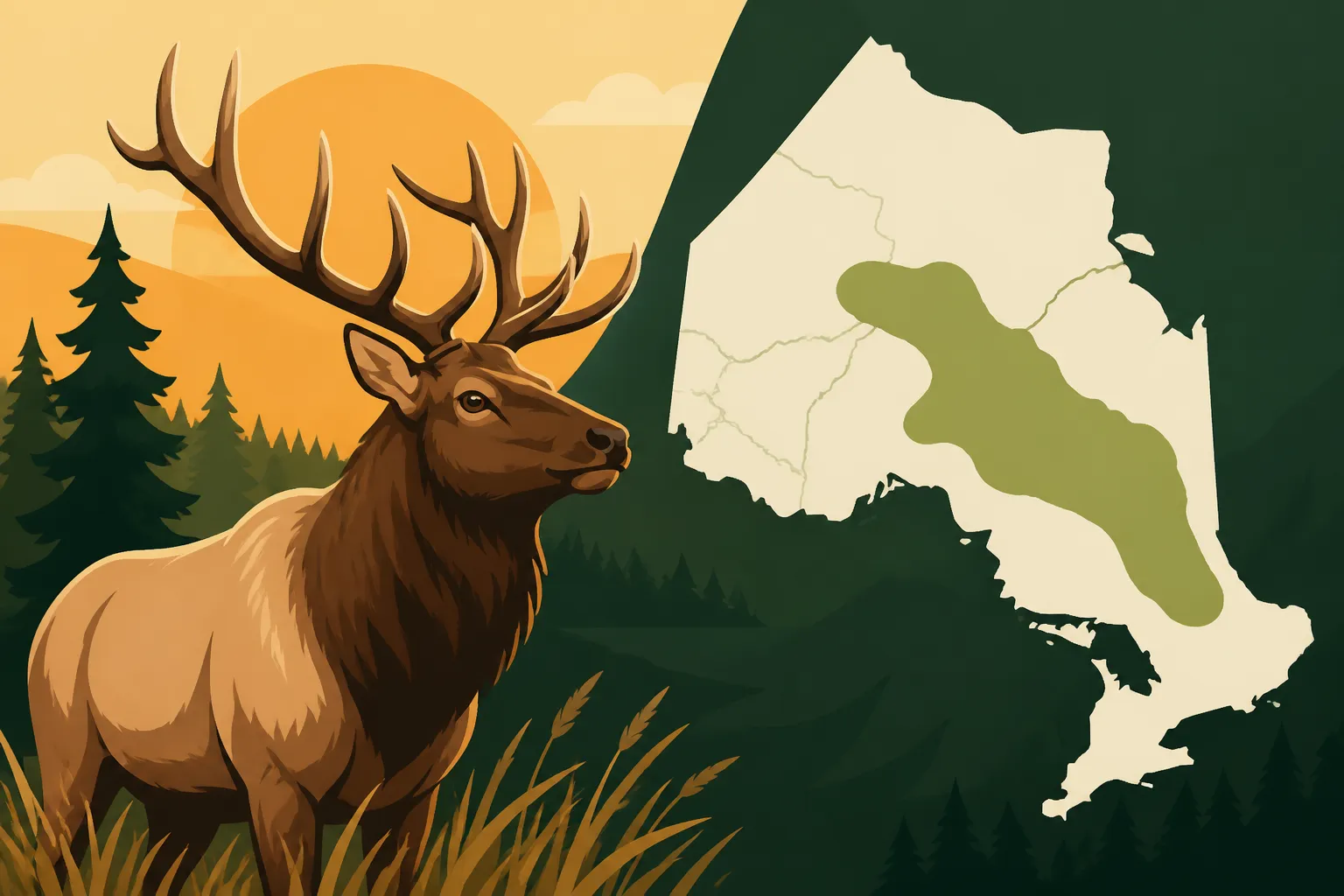
The reintroduction of elk to Ontario has been a fascinating journey, and the Bancroft herd stands as a testament to dedicated conservation efforts. Once extirpated from the province, these magnificent animals are now thriving in a specific region, offering a limited but incredible hunting opportunity. When we talk about "where the Bancroft elk herd ranges," it’s important to understand that while Bancroft itself is a key town in the area, the elk don't stick to municipal boundaries. Their range is much larger, encompassing a mosaic of diverse habitats that stretch across parts of Hastings, Haliburton, and Renfrew counties.
This area is characterized by the rugged terrain of the Canadian Shield, a landscape of granite outcrops, rolling hills, dense mixed forests, and countless lakes and rivers. It’s a tough, wild country, and that's precisely why the elk thrive here. Unlike deer, which can adapt to more fragmented agricultural landscapes, elk prefer vast, contiguous blocks of forest where they can find both food and security. The success of the initial reintroduction, and the subsequent growth of the herd, is directly tied to the availability of this type of prime habitat. Understanding the history of their return is key to appreciating their current distribution. This story of reintroduction is a huge part of the narrative of Ontario's Restored Elk Herd.
Historical Context and Current Distribution
Elk were native to Ontario but disappeared in the late 19th century due to overhunting and habitat loss. The reintroduction efforts began in the early 2000s, with animals sourced from Alberta and other parts of Ontario, released into designated areas. The Bancroft release site proved particularly successful, leading to the establishment of the healthy, growing herd we see today. These animals adapted remarkably well to the rugged Shield country, finding everything they needed to survive and reproduce.
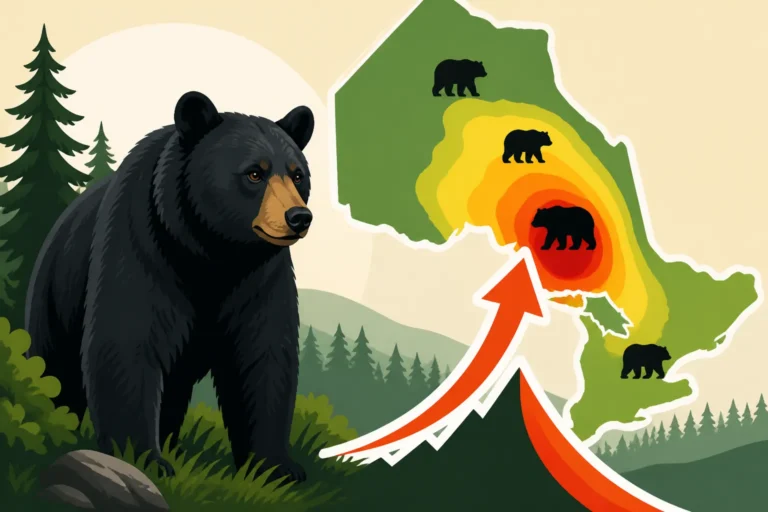
Today, the core range of the Bancroft herd is generally considered to be north and east of the town of Bancroft, extending towards areas like Combermere, Barry's Bay, and Whitney. However, individual animals, particularly young bulls, can disperse widely, sometimes travelling significant distances from the core breeding areas. This means while there's a central hub of activity, smart hunters will recognize that the fringes of this established range can also hold surprises. Tools like GoHunt can be invaluable in visualizing the general geographic areas and overlaying them with Ontario's Wildlife Management Units to narrow down your focus. It’s important to realize that an individual elk isn't going to check a map for the exact borders of their "designated" range; they're going to go where the food, cover, and safety are.
Why This Landscape Suits Elk So Well
The Bancroft region offers a perfect blend of features that contribute to the elk herd's success. Vast tracts of crown land provide sanctuary from human disturbance, while the varied forest types offer a year-round buffet of forage. The mixed deciduous and coniferous forests provide everything from aspen and maple browse to vital cedar and spruce cover, especially important during harsh winters. There are also numerous wetlands, beaver ponds, and small clearings that create diverse edge habitats.
Access to water is abundant, with countless lakes, rivers, and streams crisscrossing the landscape. These water sources are not just for drinking; they also provide wallows, which elk use to cool down and deter insects. The relatively low human population density compared to southern Ontario also plays a significant role, allowing elk to roam with less pressure than they might experience elsewhere. This allows for a truly wild experience when you are Hunting Elk Around Bancroft.
Key Habitat Features Within the Elk Range
To truly understand where the Bancroft elk range, we need to dive deeper into the specific types of habitat they prefer. It’s not just about "forest"; it's about the mosaic of forest types, openings, and water features that create ideal conditions for these large cervids. Elk are intelligent animals, and their choice of habitat is dictated by their needs for food, cover, and safety at different times of the year.
Mixed Forests: The Backbone of Their Home
The predominant feature of the Bancroft elk range is its extensive mixed forest. This blend of deciduous trees like maple, birch, and aspen, interspersed with conifers such as white pine, spruce, and balsam fir, provides a diverse food source and critical cover. Deciduous trees offer tender shoots and leaves in spring and summer, and their fallen leaves can reveal acorns or other mast crops in the fall. Conifers, especially dense stands of cedar or spruce, are invaluable for thermal cover, protecting elk from deep snow and biting winds during winter.
Within these mixed forests, you'll often find older growth interspersed with regenerating clear-cuts or selectively logged areas. These younger stands, often brimming with new growth, are like salad bars for elk, providing highly palatable browse. Mature timber might offer more security, but it's the regenerating areas that draw elk in to feed. When you're Scouting a Wildlife Management Unit, look for these transitions between mature and regenerating forest.
Openings and Edges: Feeding Hotspots
While elk are forest dwellers, they are also avid grazers and browsers, and they will utilize openings within the forest for feeding. These can be natural clearings, old logging landings, hydro corridors, or even the edges of small agricultural fields if they exist within the broader forest landscape. The vegetation in these areas often differs from the deep forest, providing grasses, forbs, and berries that are highly nutritious.
Elk are edge-seeking animals; they feel safer near the cover of the forest but will venture into openings to feed, especially during low-light hours. Look for signs of elk activity along these edges: tracks entering and exiting, fresh droppings, and rubbed saplings where bulls have polished their antlers. Satellite imagery, which can be viewed through platforms like GoHunt, is excellent for identifying these openings and edges before you even step foot in the bush. Consider how these animals utilize these spaces when you are Hunting a Bush Edge.
Wetlands and Water Sources: Essential Resources
The Bancroft region is dotted with countless lakes, rivers, streams, and wetlands, all of which are crucial to elk survival. Water is essential for drinking, of course, but wetlands and wet areas offer more than just hydration. They provide important succulent forage, particularly in drier periods, and are often sites for wallows. Elk will roll in muddy wallows to cool their bodies, shed winter hair, and deter insects, especially during the summer and early fall.
Beaver ponds and their associated meadows are particularly attractive to elk. The altered landscape created by beaver activity leads to a unique mix of vegetation that elk relish. These areas often provide a sheltered microclimate and a consistent food source. Always keep an eye out for these features when looking for elk sign.
Here’s a simple table summarizing key habitat features and their importance:
| Habitat Type | Key Features | Importance to Elk |
|---|---|---|
| Mixed Deciduous/Conifer Forest | Aspen, Maple, Birch, Spruce, Pine, Cedar | Food (browse), thermal cover, security from predators |
| Regenerating Cuts/Openings | Young saplings, grasses, forbs, berries | Primary feeding areas, high-energy forage |
| Wetlands/Beaver Ponds | Standing water, marsh grasses, emergent vegetation | Drinking, wallowing, succulent forage, escape cover |
| Rocky Ridges/Outcrops | Exposed rock, sparse vegetation, elevation | Security, vantage points, sunning spots, rub areas for bulls |
| Waterways/Streams | Rivers, creeks, lakes | Drinking, travel corridors, cooling, escape routes |
Seasonal Movements and Behaviour
Elk are not static animals; their range and movement patterns change significantly with the seasons, driven by food availability, breeding cycles, and the need for security. Understanding these seasonal shifts is paramount for anyone hoping to successfully locate the Bancroft herd.
Spring and Summer: Calving and Feeding
In spring, as the snow recedes and new growth emerges, pregnant cow elk seek out secluded, dense cover for calving. These areas are typically quiet, with plenty of browse and water nearby. Think dense stands of regenerating timber or thick coniferous swamps that offer protection for their vulnerable calves. During this time, they are quite reclusive, and you might not see many large groups.
As summer progresses, elk spread out, making the most of the abundant forage. They will feed heavily on grasses, forbs, and the tender leaves of various deciduous trees. They'll frequent those forest openings, hydro lines, and wetland edges. During the heat of the day, they often retreat to cooler, denser forest stands, especially those with good overhead cover. They also utilize wallows more frequently in warmer weather. This is a time of growth, for both calves and the antlers of the bulls, who are often found in bachelor groups, feeding intently. You'll often find them taking advantage of areas where they can feed undisturbed, perhaps even on the borders of private land where they feel safe from human interaction; learning about Getting Private Land Permission in Ontario can be a game-changer.
Fall: The Rut and Pre-Winter Feeding
Fall is perhaps the most exciting time for elk hunters, as it brings the rut. Typically peaking in late September and early October, the rut sees bulls becoming much more vocal and active as they compete for cows. Their bugles echo through the forest, making them more detectable. Bulls will establish harems, and their movements will revolve around herding cows and challenging rivals. Wallows become very active during the rut, used by bulls to display dominance and cover themselves in scent.
During the rut, elk are often found in more open areas, like clear-cuts or large natural openings, where bulls can see and challenge each other. They will still utilize dense cover for security but are more willing to venture out. After the rut, all elk shift their focus to intense pre-winter feeding, trying to put on as much fat as possible. They’ll target high-energy foods like acorns, if available, or continue to browse heavily on woody vegetation. This is when hunters with What to Do After Drawing an Ontario Elk Tag will be out in the woods.
Winter: Survival in the Deep Snow
As winter tightens its grip and snow deepens, elk movements become more restricted. They will congregate in specific areas known as "wintering yards" or "deer yards," which offer critical thermal cover and accessible browse. These are typically dense stands of conifers, especially cedar and spruce swamps, that intercept snow, creating shallower snow conditions on the forest floor. The dense canopy also provides shelter from the wind.
In these wintering areas, elk minimize their movement to conserve energy, relying on a diet of woody browse. They will often create a network of trails within the yard, making travel easier. Finding these wintering areas can give you clues to their preferred travel corridors and bedding areas for future seasons. The deeper the snow, the more confined their movements will be. Thinking about the average size of these animals, when you consider What an Ontario Bull Elk Weighs, you can appreciate the challenge of navigating deep snow.
Scouting and Accessing Elk Country
Locating elk within their Bancroft range requires diligent scouting and a good understanding of the terrain. Unlike deer, elk are often found in larger tracts of unbroken wilderness, demanding a different approach to scouting and access.
Using Technology for Initial Reconnaissance
Before you even hit the bush, modern mapping tools are your best friend. Start by identifying the Wildlife Management Units (WMUs) that encompass the known Bancroft elk range. Look for areas with large blocks of contiguous forest, especially those with a mix of habitat types—dense conifers, regenerating cuts, and water features.
Satellite imagery, available through platforms like GoHunt, is incredibly helpful for this initial phase. You can identify potential feeding areas (clear-cuts, old fields), bedding cover (dense conifer stands), and travel corridors (ridges, creek bottoms, old logging roads) from your computer. Look for pinch points, saddles, and areas where different habitat types converge. Understanding how to use Scouting With Satellite Imagery in Ontario will save you countless hours.
Boots on the Ground: Reading the Sign
Once you've identified promising areas on your maps, it's time for boots on the ground. Elk leave behind clear signs of their presence, and learning to read these clues is essential.
- Tracks: Elk tracks are larger and more elongated than deer tracks, with a distinct heart-shape. Look for fresh tracks, especially near water sources, feeding areas, and trails leading to bedding cover.
- Droppings: Elk droppings are typically larger and more cylindrical than deer pellets, often found in piles. Their appearance can vary with diet, but fresh droppings indicate recent presence.
- Rubs and Wallows: Bulls will rub their antlers on trees and shrubs, leaving behind torn bark and sometimes broken branches. During the rut, these rubs are highly visible. Wallows, muddy depressions where elk have rolled, are also clear indicators, especially if they are fresh and muddy.
- Trails: Elk often use established trails, particularly between feeding and bedding areas. These trails are typically wider and more heavily used than deer trails.
When scouting, focus on transitions—where different habitat types meet. Elk love edges. Walk quietly, use your binoculars, and spend time observing. Consider areas in the Hunting the Haliburton Highlands for their potential.
Accessing Public and Private Lands
Much of the Bancroft elk range falls within public Crown Land, offering extensive access for hunters. However, even on Crown Land, access points can be limited. Old logging roads, ATV trails, and bush roads are often your best bets for getting into remote areas. Always check local regulations regarding vehicle access on Crown Land, as some roads may be seasonally closed or restricted.
Private land also exists within the elk range, often interspersed with Crown Land. Respecting private property is paramount. If you identify a promising area on private land, always seek permission from the landowner before entering. A friendly conversation and a clear request can often open doors to fantastic hunting opportunities. Remember that the rules around Hunting Ontario's Crown Land are different from private land.
Planning Your Hunt and Getting a Tag
Successfully hunting elk in Ontario is a privilege, and it starts with the highly competitive tag draw system. Elk tags are extremely limited and are allocated through a draw, meaning you need to apply annually and accumulate points for a chance to draw a tag. It's a long game for most, requiring patience and persistence. If you are lucky enough to get a tag, then the real preparation begins.
If you are fortunate enough to draw a tag, the work of scouting, understanding the animal, and preparing your gear for the rugged conditions really kicks into high gear. Be prepared for physically demanding hunting in dense cover and hilly terrain. Having the right gear, from sturdy boots to effective optics, is crucial. Also, ensure you understand the rules for Legal Firearms and Bows for Big Game in Ontario.
The Bancroft elk herd is a remarkable success story and a challenging yet rewarding pursuit for dedicated hunters. By understanding their preferred range, habitat, and seasonal movements, you significantly increase your chances of connecting with these majestic animals in the wild heart of Ontario.
Disclaimer
This article is for general informational purposes only and does not constitute professional advice. Laws, prices and regulations vary by location and change over time. Consult a qualified professional for guidance on your specific situation.