What a Big Boreal Black Bear Weighs
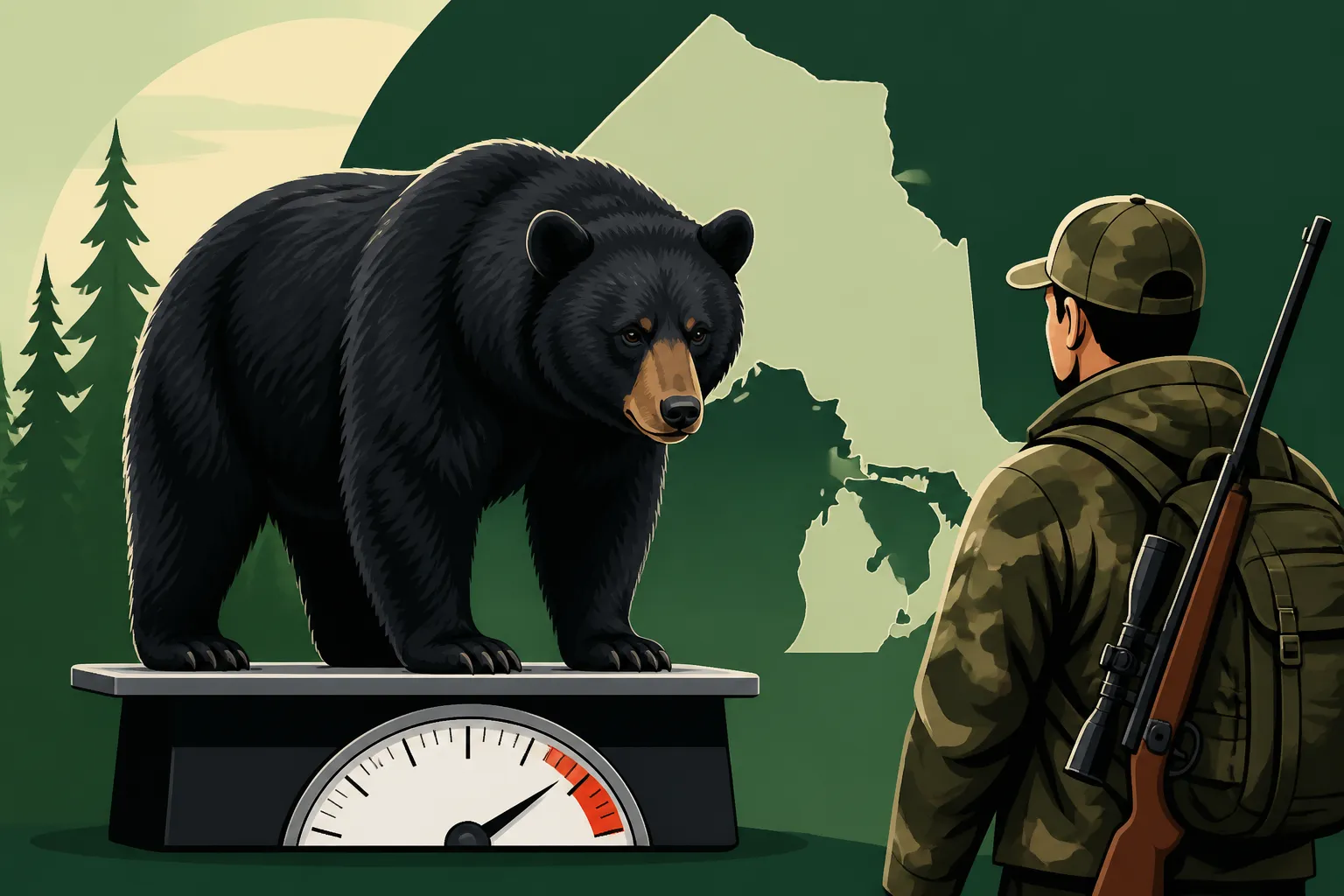
Many hunters head into Ontario's vast boreal forest dreaming of a truly massive black bear, only to wonder what kind of weight actually qualifies as "big" once they've had success. The reality is, the size and weight of a black bear in the northern reaches of Ontario are influenced by a fascinating combination of environment, food, and genetics, and understanding these factors can help set realistic expectations and appreciate these magnificent animals.
The Dynamic World of Boreal Black Bear Weights
When we talk about black bears in Ontario, especially those roaming the rugged and immense boreal forest, it's easy to get caught up in the idea of a monster. But what's typical, and what's truly exceptional? The weights can vary dramatically, and it's not always as straightforward as you might think.
Average Size Versus the 'Big One'
For the average adult black bear in Ontario's boreal forest, you're usually looking at something in the range of 150 to 250 pounds for a mature boar (male) and perhaps 100 to 180 pounds for a mature sow (female). These are healthy, well-fed animals, but they aren't necessarily the giants that fill highlight reels. The boreal forest, while rich in certain seasonal foods, can also be a tough place to make a living, leading to a wider range of sizes even within the same age class.
Now, when hunters dream of a "big one," they're often envisioning a boar in the 300-pound range, or even pushing 400 pounds. A bear hitting 300 pounds live weight is absolutely a trophy animal in the boreal, representing years of survival and successful foraging. Anything above 400 pounds is truly exceptional, a rare beast that has managed to thrive, avoid other boars, and navigate the challenges of its environment for a very long time. It's these truly massive specimens that become legendary among hunting camps, stories told and retold around evening fires. Encountering such a bear is a rare privilege, a testament to the wilderness itself.
Factors Influencing a Bear's Live Weight
A bear's live weight isn't just about its age; it's a complex equation involving several key variables that interact throughout its life. Genetics certainly play a role, with some bears simply having the natural predisposition to grow larger than others, much like humans. However, even with good genetics, a bear won't reach its full potential without sufficient nutrition. Food availability is perhaps the most critical factor, dictating how much fat a bear can pack on, especially during the crucial pre-denning months.
Beyond food, the bear's sex makes a huge difference, with boars consistently outweighing sows. Age is another obvious factor; older bears have simply had more time to grow, though growth rates do slow down significantly after a certain point. Finally, the overall quality of their habitat – the specific blend of cover, food sources, and water within their home range – contributes significantly. A bear living in an area with a consistent and diverse food supply, coupled with secure cover, will almost certainly be heavier and healthier than one struggling in a poorer habitat. These factors are not static; they fluctuate year to year with weather patterns, berry crops, and human influence, creating a dynamic environment for bear growth.
Diet and Habitat: Fueling the Boreal Giants
The boreal forest might seem like an endless wilderness, but for a black bear trying to pack on hundreds of pounds, it's a landscape of feast and famine. Understanding their diet and habitat is key to comprehending why some bears get so big, and others don't.
The Feast and Famine of a Boreal Diet
Black bears are omnivores, and in the boreal forest, their diet is incredibly diverse and highly seasonal. Spring sees them emerging from their dens, hungry and often lean, foraging for fresh greens, tender shoots, and any available carrion. They'll flip rocks and logs for insects and grubs, and if the opportunity arises, they are known to prey on vulnerable moose calves or deer fawns. As summer progresses, berries become the absolute cornerstone of their diet. Blueberries, saskatoons, raspberries, chokecherries, and pin cherries ripen, providing a massive influx of carbohydrates and sugars. A year with abundant berry crops almost invariably leads to fatter, heavier bears across the board.
Come fall, bears enter a hyperphagia phase, eating almost constantly to build up fat reserves for winter denning. While southern Ontario bears might rely heavily on acorns and beechnuts, these mast crops are less common in the deep boreal. Instead, northern bears will continue to gorge on late-ripening berries, search for mushrooms, and even turn over more rocks for insects. They might also key in on fish runs or scavenge animal carcasses. This intense period of feeding is what puts on the bulk of a bear's annual weight, making the health of the fall forage crop paramount to their overall size. A poor berry year means leaner bears come denning time.
Habitat Quality and Resource Availability
The sheer vastness of Ontario's boreal forest means there's a wide variety of specific habitats within it. A bear's home range might include dense spruce and pine stands, wetlands, rocky shield country, or areas recovering from logging or wildfire. These different micro-habitats offer varying levels of food resources. For instance, clear-cuts that are a few years old can become prime berry patches, providing an absolute smorgasbord for bears. Similarly, river systems or areas with diverse mixed woods often provide a more consistent food supply throughout the seasons.
A Wildlife Management Unit (WMU) with a rich mosaic of these productive habitats will generally support a healthier, larger bear population. Hunters often consult detailed maps, sometimes found on platforms like GoHunt, to identify these diverse areas. While bears in agricultural regions of southern Ontario might achieve impressive weights due to a constant, high-calorie food source like corn or apples, the deep boreal offers something different. Here, bears might take longer to reach their peak weight, but the truly old, solitary boars that survive for years in remote, low-pressure areas often grow to immense sizes, a testament to their resilience and the wildness of their surroundings. This makes hunting for a trophy bear in the boreal a unique and rewarding challenge.
Age, Sex, and the Quest for a Trophy Bear
Understanding a bear's age and sex is absolutely paramount when it comes to predicting its potential weight and making ethical hunting decisions. These two factors dictate not just average size, but also the likelihood of encountering a true heavyweight.
The Growth Curve: When Bears Get Big
Black bears grow steadily throughout their lives, but their growth rate isn't linear. They pack on weight rapidly in their cub and yearling stages, and then continue to gain size more gradually through their sub-adult years. Generally, a bear reaches physical maturity and full size between 5 to 7 years old, but many boars will continue to add significant bulk, especially fat, for several years beyond that, sometimes peaking between 8 to 15 years of age or even older.
It's these older, mature bears that are the true heavyweights of the forest. They've learned how to survive, where the best food sources are, and how to avoid trouble. While genetics provide the potential, it's consistent nutrition over many years that allows a bear to reach the upper echelons of weight. The challenge for hunters is often judging the age of a bear in the field, which requires experience and careful observation of its physical characteristics, like head size, ear placement, and body proportions. A big body and a relatively small-looking head are often indicators of an older, heavier bear.
Boars Versus Sows: The Weight Disparity
This is a critical distinction for any bear hunter. Mature boars (males) are consistently larger and heavier than mature sows (females) of the same age. It's not uncommon for an adult boar to weigh 1.5 to 2 times more than an adult sow. For example, a 250-pound boar might have a 150-pound sow as a counterpart in the same area. This disparity is largely due to biological priorities: sows expend significant energy on reproduction, raising cubs, and nursing, which diverts resources from their own growth. Boars, on the other hand, focus primarily on growth and breeding, allowing them to dedicate more calories to increasing their body mass.
Ethically, understanding this difference is vital. Hunters must be able to Judging a Boar From a Sow With Cubs to ensure they are making responsible choices. Furthermore, Ontario regulations strictly prohibit shooting a sow with cubs, which means careful observation is essential. For more details on these vital regulations, you can read our guide on Why You Cannot Shoot a Sow With Cubs. This distinction is not just about ethics; it's also about finding the largest bears, as the biggest boars are almost always the ones that carry the most impressive weights.
Field Dressed vs. Live Weight: What to Expect
One of the most common points of confusion, and often a source of friendly debate in hunting camps, is the difference between a bear's live weight and its field-dressed weight. When a bear is harvested, the first step is typically to field dress it, which involves removing the internal organs. This process significantly reduces the animal's overall weight.
As a general rule of thumb, field dressing removes approximately 20% to 30% of a bear's live weight. The exact percentage can vary depending on how thoroughly the bear is cleaned out and its body condition (e.g., a very fat bear might lose a higher percentage of its overall weight from internal fat). This means a bear that weighed 300 pounds alive might weigh anywhere from 210 to 240 pounds after being field dressed. It's a substantial difference, and it's important for hunters to be aware of this when estimating size or comparing notes with others. Many hunters will keep a small scale or tape measure in their Truck Kit for a Northern Ontario Hunt to get a more accurate measurement.
Here's a simple table to illustrate the difference:
| Estimated Live Weight (lbs) | Estimated Field Dressed Weight (at 25% loss) (lbs) |
|---|---|
| 150 | 112.5 |
| 200 | 150 |
| 250 | 187.5 |
| 300 | 225 |
| 350 | 262.5 |
| 400 | 300 |
| 450 | 337.5 |
Knowing this conversion helps tremendously when you're in the bush, trying to gauge how truly big your bear is or when talking with other hunters about their harvest. It also highlights the effort required in packing out a truly heavy bear.
Hunting for a Heavyweight: Strategies and Expectations
The pursuit of a big boreal black bear is an exciting challenge, demanding patience, knowledge, and an understanding of bear behaviour. If you're heading out with the goal of finding a heavyweight, certain strategies can increase your odds.
Scouting for Size in the Boreal
Finding a large bear in the vastness of the boreal forest often starts long before the season opens. Scouting is crucial. Look for clear signs of big bears, such as unusually large tracks, particularly around water sources or game trails. Large, well-used rub trees, where bears scratch their backs and leave scent, can also indicate the presence of bigger, older animals. You might also find large scat piles, filled with the remnants of berries and other forage.
For many, Baiting Black Bear in Ontario is a highly effective method, especially when targeting larger, older boars. A well-maintained bait site allows you to observe bears, assess their size, and learn their patterns. Tools like trail cameras, which you can often research and find great deals on through online resources such as GoHunt, are invaluable here. They allow you to get clear images, Judging a Boar From a Sow With Cubs before you even step into the stand, and confirm consistent visits from a dominant, mature bear. This greatly increases your chances of encountering that specific heavyweight you're after. Understanding seasonal movements and focusing your efforts on these prime feeding and travel corridors is also key, whether you're hunting in the spring as outlined in our Spring Bear Hunting in Ontario guide or setting up for a fall hunt detailed in Hunting a Fall Bear Bait in September.
The Thrill of a Truly Big Boreal Bear
There's a unique satisfaction that comes from harvesting a truly massive, old boreal black bear. It's not just about the weight on the scale; it's about the years of survival that bear represents, the challenges it has overcome in one of North America's most rugged environments. While certain agricultural areas of southern Ontario might produce bears with higher average weights due to a more consistent food supply, the truly ancient, solitary boars that have lived for a decade or more deep in the less-pressured boreal forest are a different class of animal. These bears often have the biggest skulls and the most impressive body mass, a testament to the wild country they inhabit.
The pursuit of such a bear requires patience, a deep respect for the animal, and adherence to Ontario's Black Bear Rules, including understanding Ontario Fall Bear Season Dates and applying for The Black Bear Validation Certificate. When you finally connect with one of these giants, it's more than just a successful hunt; it's an experience that connects you deeply to the wilderness itself. The stories of Ontario's Record Black Bear often involve these venerable, old creatures from the province's northern reaches. It’s a hunt that stays with you, reminding you of the incredible resilience and majesty of Ontario's wildlife. For more information on bear populations, you can check out our article on Black Bear Numbers and Where They Peak.
Disclaimer
This article is for general informational purposes only and does not constitute professional advice. Laws, prices and regulations vary by location and change over time. Consult a qualified professional for guidance on your specific situation.