What a Big Ontario Whitetail Weighs
It’s a question every hunter in Ontario has asked, usually while staring at a set of heavy tracks or a fresh rub: "Man, I wonder what a big whitetail buck around here really weighs?" The desire to understand the true size of the deer you’re pursuing, or the one you’ve just harvested, is a deep-seated curiosity, but the answer isn't always as simple as a single number. This guide aims to pull back the curtain on what makes an Ontario whitetail truly "big" and how their weight can vary dramatically across our diverse landscape.
Field Dressed vs. Live Weight: What Hunters Really Mean by "Big"
When hunters talk about the weight of a deer, there's often an unspoken distinction that can cause a lot of confusion, especially for newer folks. Are we talking about live weight, the animal as it stands in the forest, or field dressed weight, after the internal organs have been removed? This distinction is crucial, as it can represent a significant difference in actual pounds, and almost always, when a hunter proudly proclaims their deer’s weight, they’re referring to the field dressed weight.
Live weight includes everything: blood, guts, hide, bones, muscle. It’s the total mass of the animal when it’s alive and walking. For a mature Ontario whitetail buck, this can be an impressive figure, often in the realm of 200-300 pounds, with some exceptional specimens pushing even heavier. However, measuring this accurately in the field is nearly impossible without specialized equipment, and it's not practical for most hunters. Think about the logistics of trying to weigh a full-bodied deer in the middle of a cedar swamp or on the side of a bush road – it’s just not feasible.
Field dressed weight, on the other hand, is the more practical and commonly cited measurement. Once a deer is harvested, the first step for ethical meat care and easier transport is to field dress it, removing the heart, lungs, liver, intestines, and other internal organs. This process lightens the load considerably, typically reducing the animal's live weight by about 20-30%. So, a buck that had a live weight of 250 pounds might weigh around 180-200 pounds after being field dressed. This is the number you'll hear discussed most often around campfires and at check stations. It's still a substantial amount of weight to haul, but it's the realistic metric most of us deal with. The reason we focus on field dressed weight is not just about convenience; it’s about starting the process of preserving the meat quickly and making the animal manageable for dragging, loading, and eventually butchering. If you’re ever wondering about the true heft of an animal, always clarify if the number is live or field dressed.
The Impact of Field Dressing on Your Deer
Field dressing is an essential skill that not only lightens the load but is critical for proper Meat Care in Ontario's Warm Early Seasons. When you field dress a deer, you're not just reducing weight; you're also cooling the carcass much faster. This rapid cooling is vital to prevent bacterial growth and ensure the quality of the meat, especially during the warmer early parts of the hunting season. Leaving the internal organs in too long, particularly on a mild day, can spoil a significant portion of the deer, which is a tragedy for any hunter. So, while you're focused on the weight, remember that the act of field dressing is equally about respect for the animal and maximizing the bounty it provides.
It's also worth considering that the amount of weight removed during field dressing can vary depending on the deer's diet, hydration, and the individual doing the work. Some hunters are incredibly thorough, while others might leave more behind. This slight variability means that even two deer of the same live weight could have slightly different field dressed weights, adding another layer to the "how much did it weigh?" conversation.
The Geography of Weight: Why Southern Ontario Bucks Outweigh Their Northern Cousins
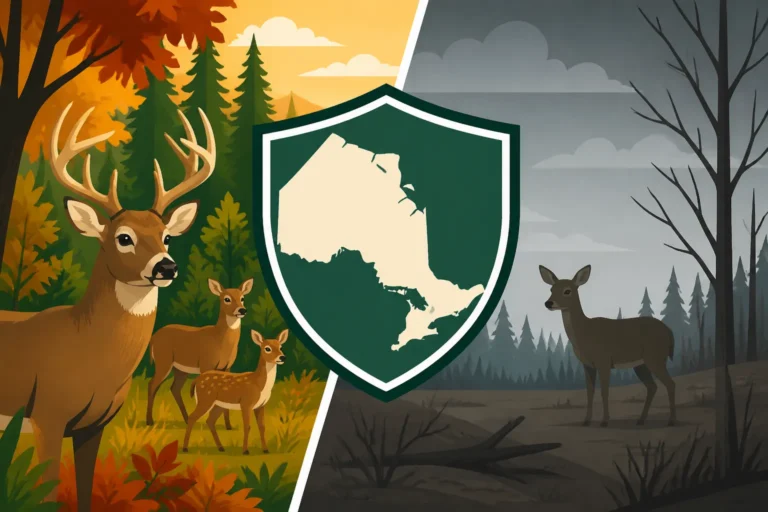
When it comes to the sheer size and weight of an Ontario whitetail, location, location, location is absolutely key. There's a noticeable and well-documented difference between deer harvested in the lush agricultural landscapes of Southern Ontario and those taken from the more rugged, forested terrain of the central and northern parts of the province. This isn't just anecdotal; it's a direct result of differing environments, food availability, and winter severity.
In the rich farmlands of Southern Ontario, deer have access to an abundance of high-protein, nutrient-dense food sources year-round. Think vast fields of corn, soybeans, alfalfa, and winter wheat. These crops provide a literal buffet that allows deer to pack on significant body mass and grow impressive antlers. Bucks in these areas mature faster and often carry much heavier body weights. It's not uncommon to hear tales of 200-pound (field dressed) bucks being harvested regularly from these agricultural belts, with some pushing even further into the 250-pound range or more. The consistent, high-quality nutrition means less stress on the animals, healthier populations, and ultimately, bigger deer. This is a big part of Why Southern Ontario Grows Heavy Bucks.
Contrast this with the whitetails inhabiting Ontario's mixed forests and the fringes of the Canadian Shield to the north. While still robust and certainly worthy adversaries, these deer typically face a much tougher existence. Their diet primarily consists of browse – twigs, leaves, acorns, and other natural forage – which, while nutritious, often isn't as readily available or as energy-rich as cultivated crops. Winters are also generally longer and harsher in these regions, with deeper snow and colder temperatures, demanding more energy reserves from the deer just to survive. Consequently, deer in these areas tend to be leaner and might top out at a field dressed weight in the 150-180 pound range for a mature buck, with anything over 200 pounds being truly exceptional. While still a fantastic trophy, it's a testament to their resilience in a more challenging environment. Understanding these regional dynamics can help manage expectations and appreciate the unique characteristics of deer in different parts of the province, whether you are Hunting Deer in Southern Ontario Farmland or Hunting Deer in Ontario's Mixed Forest.
Regional Weight Comparison Table (Mature Buck, Field Dressed)
| Region | Typical Range (lbs) | Notable Factors |
|---|---|---|
| Southern Farmland | 180 – 250+ | Abundant agricultural crops, milder winters |
| Central Mixed Forest | 150 – 200 | Natural browse, harder winters, fewer agricultural inputs |
| Northern/Shield Fringe | 130 – 180 | Sparse natural forage, severe winters, deep snow |
It’s important to remember these are typical ranges, and outliers exist in every region. A particularly tough winter, or an exceptionally good mast crop, can shift these numbers for individual animals. Also, a big-bodied northern buck, even if it weighs less than a southern one, often appears even larger due to a thicker hide and denser bone structure needed to survive the cold.
Beyond Location: Age, Genetics, and Seasonality's Impact on Whitetail Mass
While geography and food sources play a monumental role in how much a big Ontario whitetail weighs, they aren't the only factors at play. A complex interplay of age, genetics, and the time of year also significantly influences a deer's body mass. These elements contribute to the incredible diversity we see in our whitetail herd across the province, making every encounter unique.
Age is perhaps the most obvious factor. Just like humans, deer grow throughout their lives, reaching peak physical maturity around 4.5 to 6.5 years of age. A yearling buck (1.5 years old) might only field dress in the 100-130 pound range, even in prime agricultural areas. A 2.5-year-old buck will be noticeably larger, perhaps 140-170 pounds. But it's those older, mature bucks that truly hit the higher weight classes. They've had more seasons to consume nutrients, build muscle mass, and survive the trials of the wild. This consistent growth over years is why the term "mature buck" often goes hand-in-hand with "big weight." If you're interested in pursuing these older, heavier animals, knowing When Ontario's Archery Season Opens or how to identify Reading Whitetail Sign in Ontario Hardwoods can be crucial for success.
Genetics are another silent, yet powerful, determinant. Just like some human families are predisposed to be taller or more muscular, certain deer bloodlines carry genes for larger body size and antler growth. These genetic predispositions, combined with excellent nutrition, can lead to truly exceptional animals. You might find a localized "hot spot" within a region where deer consistently grow larger than average, and this is often due to a strong genetic pool thriving in an ideal environment. While you can't control genetics, understanding their role helps explain why some areas consistently produce bigger deer even if the habitat seems comparable to neighboring areas.
Finally, seasonality has a massive impact on a buck's weight. A mature buck will be at its absolute heaviest in early to mid-fall, just before the rut kicks into high gear. They've spent the entire spring and summer feeding, putting on layers of fat and muscle in preparation for the intense physical demands of breeding. Once the rut begins, especially during the peak weeks in early to mid-November, bucks are constantly on the move, chasing does, fighting rivals, and barely eating. This activity burns through their fat reserves at an astonishing rate. It's not uncommon for a buck to lose 20-30% of its body weight during the rut. So, a buck harvested early in the Hunting the Rut in Early to Mid November might be significantly heavier than one taken a couple of weeks later, even if they started at the same pre-rut weight. After the rut, bucks continue to face the challenges of winter, relying on those hard-won fat reserves to survive. Learning What Whitetails Eat Through a Hard Winter can give you insights into how they cope with this weight loss.
Estimating Weight in the Bush and Handling Your Harvest
Let's be realistic: very few of us are dragging a commercial scale into the heart of the Ontario bush. So, when you're standing over a harvested whitetail, the question of its weight often comes down to educated guesswork based on visual cues and experience. While it's not an exact science, there are ways to make a reasonably accurate estimate.
One of the best indicators of a heavy deer is its overall body mass and deep chest. A truly "big" buck will have a deep, barrel chest, a thick neck that blends smoothly into its shoulders, and a full, rounded appearance, especially in the hindquarters. Yearlings, even large ones, tend to look more leggy and less filled out. As deer age, their back sags slightly, their belly becomes more pronounced, and their neck gets noticeably thicker. These are all subtle clues that, with practice, you can learn to read. Pay attention to how a deer walks, how its body moves – a truly heavy animal has a certain lumbering gait compared to a lighter, more agile deer.
For those of us who appreciate the art of scouting and maximizing our chances, understanding deer movement patterns can lead to encountering bigger deer. Using tools like GoHunt, you can analyze satellite imagery and topographic maps to identify prime feeding and bedding areas where larger bucks might reside. This platform provides invaluable insights into habitat, terrain, and potential travel corridors, helping you narrow down areas that hold the potential for truly big whitetails. Being able to visualize and interpret the landscape is a powerful asset in anticipating where a heavy deer might be. Whether you're Scouting With Satellite Imagery in Ontario or just walking the bush, keep an eye out for these subtle body language clues.
Once you've harvested a deer, estimating its weight might be satisfying, but the immediate priority shifts to proper handling and transport. This is where the field dressed weight becomes profoundly practical. A 200-pound field dressed buck is a heavy animal to move, especially if you're alone and deep in the bush. Consider how you'll get it back to your vehicle. Dragging a deer, even a smaller one, can be incredibly taxing. Using a deer cart, a sled in the snow, or having a buddy (or two!) along can make a huge difference. For truly large animals, especially if you're a ways from the nearest road, quartering the animal in the field might be the most feasible option. This involves breaking the deer down into smaller, more manageable sections, which is much easier to pack out. Remember that Transporting Game Meat in Ontario has specific rules you need to follow, including proper tagging.
Ultimately, while the number on a scale is interesting, the real measure of a "big" Ontario whitetail often comes down to the challenge of the hunt, the beauty of the animal itself, and the rewarding experience of providing healthy, wild meat for your table. Every deer harvested in Ontario, regardless of its exact weight, is a significant accomplishment and a testament to the thriving wildlife we have in this incredible province.
Disclaimer
This article is for general informational purposes only and does not constitute professional advice. Laws, prices and regulations vary by location and change over time. Consult a qualified professional for guidance on your specific situation.