Reporting a Poacher in Ontario
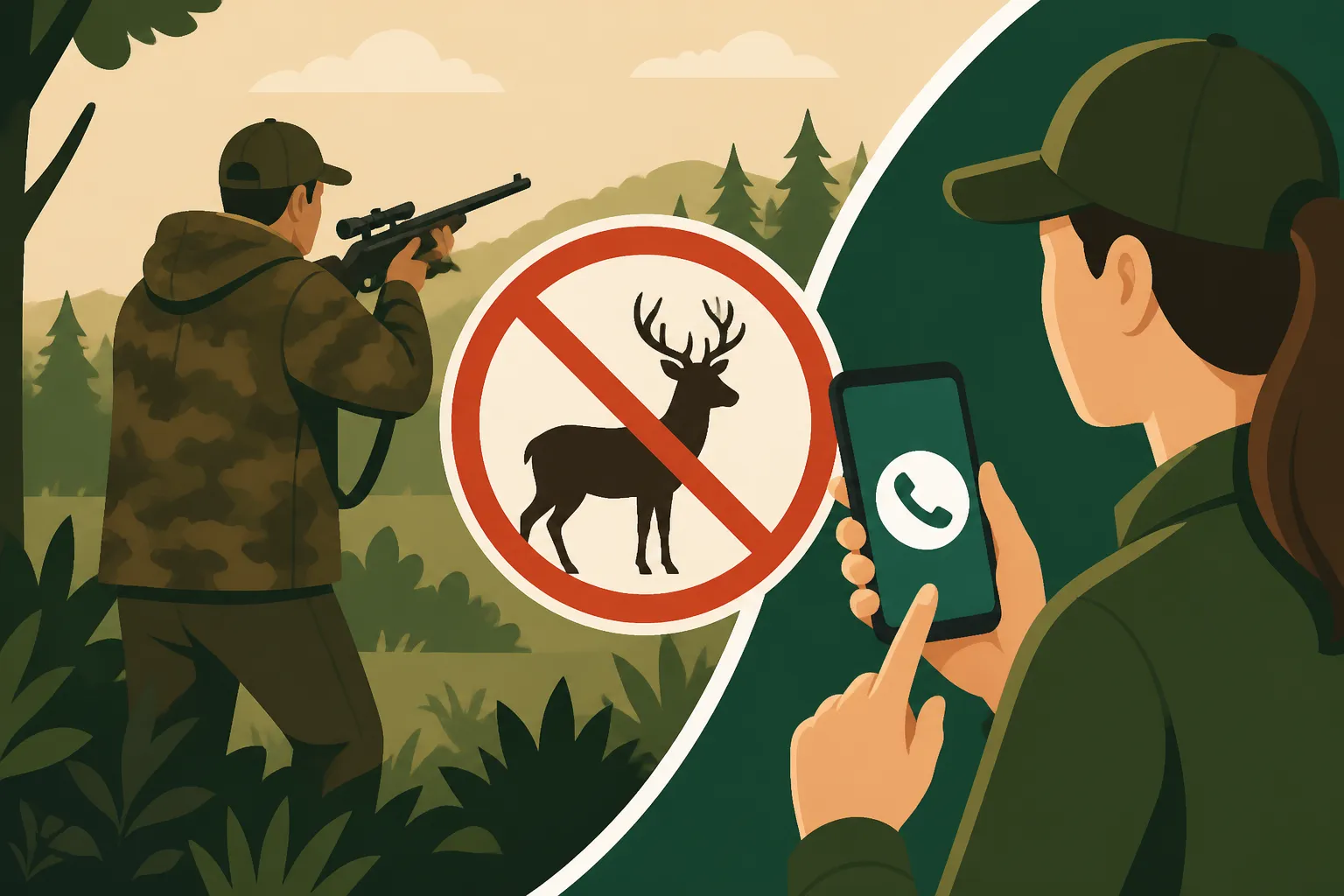
It’s a gut punch, isn't it? You spend countless hours preparing for the season, scouting, honing your skills, buying the right licences, and strictly adhering to all the regulations. Then, you encounter someone clearly breaking the rules, disrespecting the resource, and undermining the very fabric of ethical hunting. It's frustrating, disheartening, and frankly, it makes you feel like your efforts are in vain. This comprehensive guide is here to walk you through exactly how to report a poacher in Ontario, ensuring your efforts contribute to protecting our wildlife and preserving our hunting heritage for generations to come.
Why Reporting Poaching Matters in Ontario
When you witness poaching, it’s not just an isolated incident; it has ripple effects that damage our wildlife populations, compromise ethical hunting, and erode public trust. Understanding the broader impact can really highlight why stepping up and making that report is so critically important.
Protecting Wildlife Populations
Ontario is home to an incredible array of game species, from the mighty moose roaming the northern bush to the elusive whitetail deer that frequent our hardwood ridges, and the black bears that traverse vast territories. These populations are managed through careful science, season dates (like Ontario Deer Season Dates and Tags or Ontario Black Bear Rules), and bag limits designed to ensure sustainability. When poachers operate, they disregard these carefully balanced measures. Taking animals out of season, exceeding limits (think about Ontario Bear Bag Limits or Duck Daily Bag Limit by Species), or targeting protected species can directly impact local populations, especially vulnerable ones. For instance, an illegally harvested cow moose during a critical breeding period can have a disproportionate effect on future moose numbers in that specific Wildlife Management Unit (WMU). Your report helps the Ministry of Natural Resources and Forestry (MNRF) conservation officers address these threats directly, safeguarding the future of these precious animals.
Upholding Fair Chase and Ethical Hunting
As ethical hunters, we pride ourselves on adhering to the principles of fair chase. This means respecting the animal, following the rules, and ensuring that our pursuit is both challenging and honourable. Poaching, by its very nature, is the antithesis of fair chase. Whether it’s shooting from a road, hunting with artificial lights, or using illegal equipment, it gives an unfair advantage and shows a complete lack of respect for the game, the land, and the hunting tradition. When you report a poacher, you're not just "snitching"; you're actively defending the integrity of hunting as a whole. You're standing up for the countless hunters who follow the rules, who put in the effort, and who genuinely care about conservation. It reinforces that ethical behavior is not just a suggestion, but a fundamental expectation within our community.
Ensuring Hunter Safety and Public Trust
Illegal hunting activities often involve shortcuts that create dangerous situations, not only for the poachers themselves but for anyone else who might be in the vicinity. Imagine someone shooting across a public road, or discharging a firearm too close to residences. These reckless actions, often seen in cases of poaching, pose a significant risk to other hunters, landowners, and the general public. Furthermore, when the public hears about poaching incidents, it casts a negative shadow on all hunters. It fuels misconceptions that can lead to decreased public support for hunting and potentially stricter regulations for everyone. By reporting illegal activities, you're helping to ensure that hunting remains a safe activity and that the non-hunting public continues to view us as responsible stewards of our natural resources, not as lawbreakers. It’s about preserving our collective reputation.
What Constitutes Poaching in Ontario
It's crucial to understand what specifically falls under the umbrella of "poaching" in Ontario, so you can accurately identify and report violations. Sometimes, what might seem like a minor infraction is actually a significant breach of the province's wildlife laws.
Common Violations You Might Encounter
Poaching isn't always about someone sneaking around under the cover of darkness. Many common violations can easily be observed during daylight hours. Perhaps the most frequent is hunting outside of legal seasons or hours. This could mean someone pursuing deer during When Ontario's Archery Season Opens when it's closed, or trying to fill a tag during Ontario Gun Season Opening Day before the official start time. Another glaring violation is exceeding bag limits or taking a prohibited animal – for example, shooting an antlerless deer without an antlerless validation tag (e.g., Filling an Antlerless Tag in Ontario) or taking more wild turkeys than allowed during Ontario Turkey Bag Limits. Hunting without the proper licence or tag is also a big one; everyone needs an Outdoors Card and the appropriate licences (see Ontario Hunting Licences and What They Cost) for the species they are pursuing. And let's not forget the rules around firearms, like discharging one too close to a road or a dwelling, or hunting from a vehicle (e.g., Rules on Hunting From a Vehicle), which is generally prohibited. These aren't just minor missteps; they're direct violations of provincial laws designed to manage wildlife responsibly.
Illegal Methods and Equipment
Ontario has strict regulations regarding the methods and equipment hunters can use to ensure fair chase and safety. Poachers often resort to illegal tactics to gain an unfair advantage. A prime example is night hunting, especially for big game, which is explicitly against the rules in most areas (e.g., Night Hunting Rules for Ontario Predators). This often involves using artificial lights to "spotlight" animals, a highly unethical and dangerous practice. Another common violation is the use of prohibited firearms or bows that don't meet legal specifications for big game (e.g., Legal Firearms and Bows for Big Game). You might also encounter situations where baiting is used illegally for species where it's not permitted (e.g., Ontario Rules on Baiting Big Game), or using dogs to run deer in areas where it's prohibited (e.g., Rules for Hunting Deer With Dogs). Trapping without a license or using illegal trap types also falls into this category, as do practices like hunting within sanctuaries or protected areas where all hunting is forbidden. These methods give poachers an undue advantage, putting immense pressure on wildlife and tarnishing the image of responsible hunting.
Trespassing and Landowner Violations
Access to hunting land in Ontario can be a mix of Crown Land and private property. While there’s plenty of Public Hunting Land in Ontario, hunting on private land requires explicit permission from the landowner. A significant portion of poaching complaints actually involve individuals hunting on private property without permission (e.g., What Ontario Trespass Law Requires). This isn't just a civil matter; it's a wildlife violation if hunting activity is involved. It's a blatant disrespect for property rights and can lead to property damage, littering, or even livestock concerns for farmers. Often, poachers will knowingly ignore "No Trespassing" signs, or even cut fences to gain access. Landowners work hard to manage their property, and when someone trespasses to hunt, it creates a serious breach of trust. If you see someone hunting on posted private land without clear authorization, it's absolutely a reportable offense.
How to Report a Poacher in Ontario
You've witnessed something illegal, and your gut tells you it's wrong. Now what? Knowing the right channels and how to gather crucial information safely is the next step to ensuring your report is effective.
The Report a Poacher Line: Your Primary Tool
For any suspected wildlife or natural resource violation in Ontario, your first and best course of action is to call the Ministry of Natural Resources and Forestry (MNRF) TIPS line, often referred to as the "Report a Poacher" line. This dedicated hotline is staffed 24 hours a day, 7 days a week, and is specifically designed for these types of reports. The number to remember is 1-877-TIPS-MNR (1-877-847-7667). What's fantastic about this line is that it allows you to remain anonymous if you choose. This can ease concerns for those who worry about potential retaliation or simply prefer not to be identified. Every call is taken seriously, and your information goes directly to the conservation officers responsible for enforcing wildlife laws. It’s the most direct and efficient way to get immediate attention on a suspected poaching incident, as highlighted by Ontario's Report a Poacher Line information.
What Information to Gather Safely
When you make that call, the more detail you can provide, the better. However, and this is critical, always prioritize your personal safety. Do not confront suspected poachers, do not put yourself in harm's way to gather information. Observe from a safe distance and only collect details that you can get without risking your well-being.
Here’s a breakdown of the key information that will be incredibly helpful to conservation officers:
- Time and Date: The exact time and date the incident occurred or when you observed the suspicious activity.
- Precise Location: This is paramount. Provide as much detail as possible. This could include the road name, nearest intersection, municipality, specific landmarks (e.g., "north side of the old logging road, 2 km past the beaver pond"), or even the Wildlife Management Unit (WMU) number. Using a GPS-enabled app like GoHunt on your smartphone can be incredibly useful here, allowing you to quickly mark and share exact coordinates. It makes it so much easier for officers to locate the scene.
- Vehicle Description: If a vehicle is involved, note the make, model, colour, and most importantly, the license plate number. Even partial plate numbers can be helpful. Also, note any distinguishing features like bumper stickers, damage, or accessories.
- Description of Individuals: How many people were involved? What did they look like (gender, approximate age, hair colour, clothing)? Were they carrying firearms or bows?
- Specific Violation: Clearly describe what you witnessed. Was someone shooting out of season? Exceeding a bag limit? Spotlighting? Trespassing? The more precise you are, the better.
- Species Involved: What type of animal was being targeted or had been taken?
- Any Evidence: Did you see a carcass? Blood trails? Spent casings? Don't touch anything, but report what you observed.
Remember, even if you don't have all the pieces of information, still make the call. Any detail could be the missing link needed for an investigation.
Online Reporting and Other Contact Methods
While the 1-877-TIPS-MNR line is best for immediate reports, especially those requiring urgent attention, the MNRF also offers an online reporting tool for less urgent matters. You can find this by visiting the official Ontario government website and searching for "Report a Poacher online." This option allows you to fill out a detailed form, often including fields for attaching photos or other digital evidence if you have them. It's a convenient way to submit information if you're not in a position to call, or if the incident isn't unfolding in real-time.
Additionally, for non-urgent inquiries or if you prefer to speak to a local official, you can also contact your regional MNRF district office during business hours. A quick online search for "MNRF office near [your town/city]" will usually bring up the relevant contact details. However, it's important to understand that these offices typically handle administrative matters, and for actual poaching reports, the 1-877-TIPS-MNR line is always the most effective and direct route to get conservation officers involved.
Here's a quick reference table for reporting:
| Reporting Method | Best Use Case | Information Needed | Anonymity |
|---|---|---|---|
| 1-877-TIPS-MNR | Immediate, urgent violations | Time, Date, Location, Vehicle, Individuals, Violation, Species | Yes, can remain anonymous |
| MNRF Online Reporting Tool | Non-urgent violations, detailed submission | Same as above, plus option for photos | Yes |
| Local MNRF District Office | General inquiries, non-emergency discussions | Depends on query | No (during business hours) |
What Happens After You Report
It's natural to wonder what happens once you've made that call or submitted an online report. You might not see flashing lights or immediate arrests, but rest assured, your information kicks off a process designed to protect our natural resources.
The Investigation Process
Once you report an incident to the 1-877-TIPS-MNR line or through the online portal, your information is immediately routed to the appropriate MNRF conservation officers in the relevant district. These dedicated professionals review every submission. They'll assess the severity of the alleged violation, cross-reference it with other intelligence, and prioritize their response based on the potential impact on wildlife and public safety, as well as the available resources.
It’s important to understand that an investigation often unfolds discreetly. Conservation officers are highly skilled in covert operations and surveillance. They might not show up in uniform with sirens blaring; instead, they might scout the area, conduct interviews, set up hidden cameras, or follow leads over several days or weeks. For instance, if you report someone Hunting a Cedar Swamp Edge out of season, officers might set up surveillance to catch them in the act, or investigate local trail cameras. They’re building a case, gathering irrefutable evidence that will stand up in court. This quiet, methodical approach ensures a higher success rate for prosecutions. Don't mistake a lack of immediate, visible action for a lack of response; often, the wheels of justice are turning behind the scenes.
Potential Outcomes and Enforcement
When conservation officers gather sufficient evidence, they take action. The outcomes can vary significantly depending on the nature and severity of the offense. For minor infractions, an individual might receive a warning. However, for more serious violations, penalties can be severe. This could include substantial monetary fines, seizure of hunting equipment (firearms, bows, ATVs, vehicles), forfeiture of harvested game, and a suspension of hunting licences and privileges (see Ontario Penalties for Hunting Violations). In some cases, particularly for repeat offenders or extremely egregious acts, individuals may face criminal charges and even jail time.
The MNRF also works hard to ensure that reporting mechanisms are accessible to everyone, including those who are new to the sport or just visiting. If you're a non-resident hunter booking an Ontario trip, understanding the local laws and how to report issues is just as vital as knowing Rules for Non-Residents Hunting Ontario. Remember, every successful prosecution sends a strong message that illegal activities will not be tolerated in Ontario, acting as a deterrent for others who might consider breaking the law.
The Importance of Your Role
Your role as a vigilant and responsible citizen or hunter in this process cannot be overstated. Each report you make, no matter how insignificant it might seem at the moment, contributes to a larger picture. It helps conservation officers identify hotspots for illegal activity, track patterns, and ultimately allocate resources more effectively. You are an extra set of eyes and ears on the ground, extending the reach of our conservation efforts into the vast wilderness and rural areas of Ontario. Without public cooperation, combating poaching would be a much harder, if not impossible, task. So, continue to be observant, prioritize your safety, and never hesitate to use that Report a Poacher line. You are a crucial link in protecting Ontario's incredible natural heritage.
Disclaimer
The information provided in this guide is for general informational purposes only and does not constitute legal advice. Hunting regulations in Ontario are subject to change. Always consult the official Ontario Hunting Regulations Summary, available on the Ministry of Natural Resources and Forestry (MNRF) website, or contact the MNRF directly for the most current and accurate information.