Ontario Disabled Hunter Permits
It can be incredibly frustrating to have the passion for hunting deep in your bones, but feel like physical limitations are holding you back from fully enjoying Ontario’s incredible outdoors. Many dedicated hunters face mobility challenges, whether due to age, injury, or a lifelong disability, and worry they’ll miss out on the thrill of the chase. This guide is here to walk you through Ontario's Disabled Hunter Permit program, clarifying how it works and how it can help you get back into the bush and pursuing your passion.
What Exactly is an Ontario Disabled Hunter Permit?
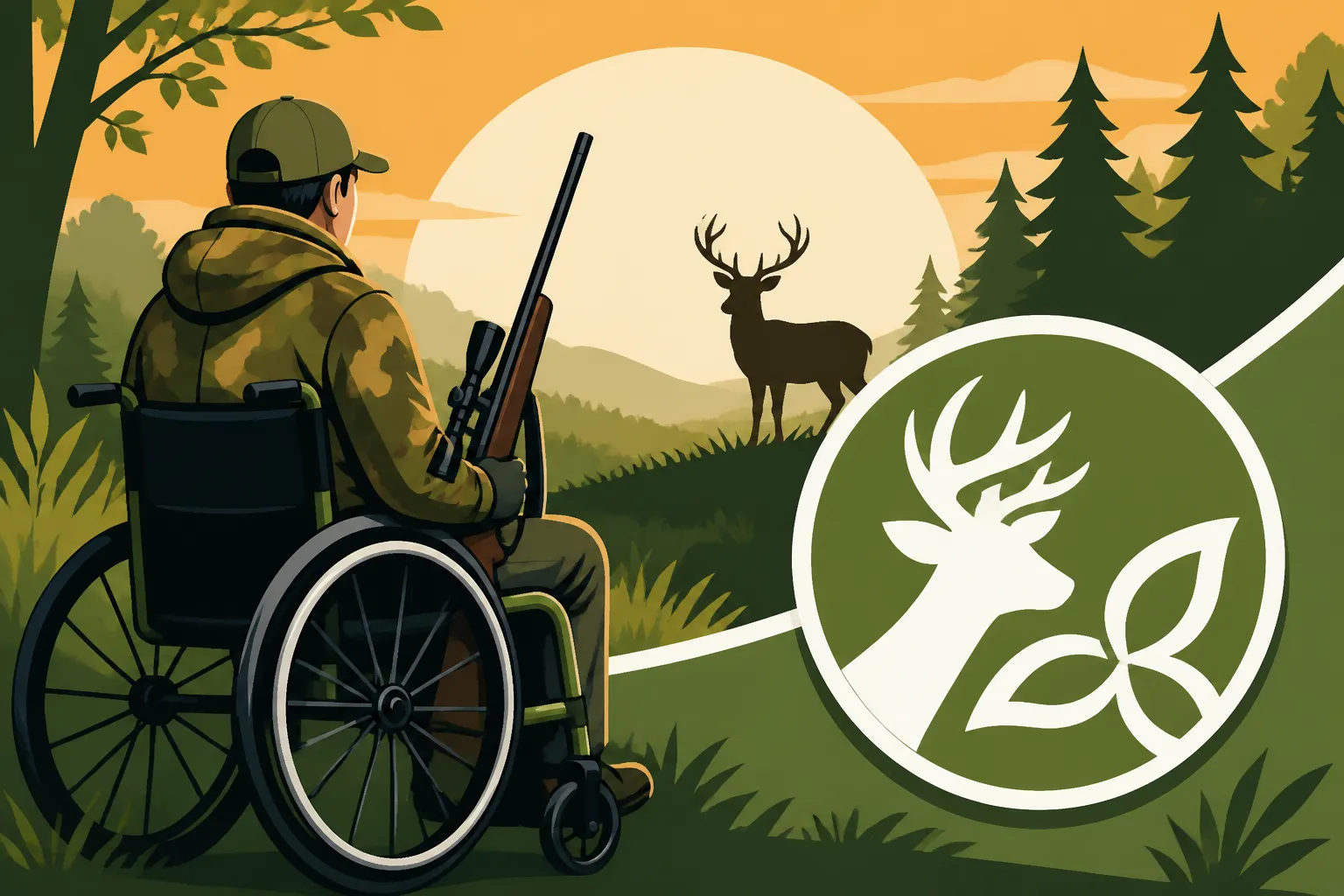
Let's face it, Ontario's diverse landscapes, from the rugged Canadian Shield to the sprawling farmlands, can be physically demanding. Navigating thick bush, crossing challenging terrain, or even just carrying your gear can become a significant hurdle for hunters with disabilities. This is where the Ontario Disabled Hunter Permit comes in, designed specifically to address some of these physical barriers and make hunting more accessible for everyone. It's not just a piece of paper; it's a recognition of the unique challenges you face and an official way to help you overcome them.
Purpose and Philosophy Behind the Permit
At its heart, the Disabled Hunter Permit program in Ontario is about inclusion. The provincial government, through the Ministry of Natural Resources and Forestry (MNRF), understands that hunting is more than just harvesting game; it's about connecting with nature, participating in a cherished tradition, and experiencing the freedom of the wilderness. The philosophy is to level the playing field as much as possible, allowing those with mobility impairments to continue to hunt safely and effectively. It acknowledges that a one-size-fits-all approach to hunting regulations can unintentionally exclude a segment of the hunting community, and this permit is a thoughtful step towards greater accessibility. It’s about ensuring that a passion for the outdoors isn't stifled by physical limitations.
Key Privileges the Permit Grants
The Disabled Hunter Permit offers specific allowances that can be game-changers for those with mobility challenges. The most significant benefit often revolves around mobility in the field. Imagine being able to utilize a vehicle, such as an ATV or UTV, to access hunting areas or retrieve game in places where vehicle use is normally restricted. For someone who struggles to walk long distances or navigate rough ground, this can transform a challenging, if not impossible, hunt into a manageable and enjoyable experience.
Beyond vehicle use, the permit might also address other accessibility needs. For instance, if you require a companion to assist you during the hunt, the permit may outline provisions for that, ensuring you have the support needed. It's really about tailoring the hunting experience to the individual's needs, while still upholding the principles of ethical and responsible hunting. Understanding these privileges is the first step in unlocking a more accessible hunting adventure in Ontario. It's crucial to always carry your permit with you, along with your other required licences like your Ontario Hunting Licences and What They Cost and Ontario's Outdoors Card Explained, to ensure you can legally exercise these special provisions.
Who Qualifies and How to Apply for the Permit
So, you're keen to understand if this permit applies to you and how to get your hands on it. It’s not a complicated process, but it does require specific documentation and a clear understanding of the eligibility criteria. Ontario's system is designed to be straightforward, ensuring that those who truly need these accommodations can access them without undue bureaucracy.
Eligibility Criteria for the Permit
The permit isn't granted simply based on a desire for easier hunting; it's specifically for individuals with a bona fide mobility impairment. Generally, the criteria revolve around significant and permanent physical limitations that affect your ability to walk, stand, or move around independently in the field. This typically includes individuals who:
- Require the use of a wheelchair, crutches, or a walker for mobility.
- Have a severe and permanent impairment that significantly limits their walking ability, such as those caused by serious injury, disease, or birth defect.
- Need assistance from another person to move or traverse hunting terrain.
It's important to understand that a temporary injury, like a broken leg that will heal, generally wouldn't qualify. The permit is intended for long-term, substantial mobility challenges. The MNRF will require medical verification, so having your doctor's assessment ready is key. Sometimes, the definitions can feel a bit vague, which can be frustrating, but the general rule of thumb is a persistent and significant impact on your ability to move in a hunting environment.
Step-by-Step Application Process
Applying for the Disabled Hunter Permit is relatively straightforward, but it requires careful attention to detail to avoid delays. Here’s a general rundown of the steps you'll likely follow:
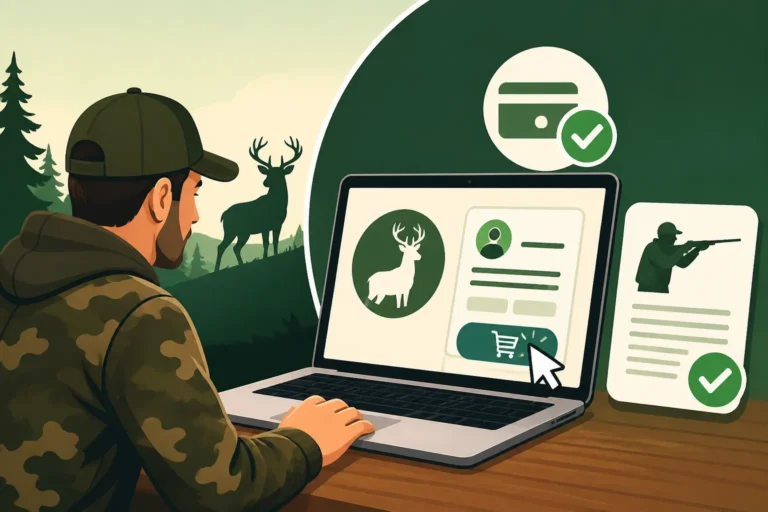
- Obtain the Application Form: You'll need to download the official application form from the Ontario government's website (usually the Ministry of Natural Resources and Forestry section). Alternatively, you might be able to pick one up at a local MNRF office.
- Complete Your Section: Fill out all your personal information accurately. This includes your Outdoors Card number, which is essential for any hunting activity in the province.
- Medical Professional's Assessment: This is the most critical part. You'll need to have a licensed medical doctor or specialist complete a specific section of the application form. They will need to verify the nature of your disability, its permanence, and how it impacts your mobility. They might need to provide details about your mobility aids, your functional limitations, and why the special provisions of the permit are necessary for you to hunt safely. It’s wise to book an appointment specifically for this, bringing the form with you, so your doctor has ample time to review and complete it thoroughly.
- Submit Your Application: Once both your section and the medical professional's section are fully completed and signed, you'll submit the application to the MNRF. The form will specify the mailing address or online portal for submission. Always keep a copy for your records!
- Await Approval: The MNRF will review your application. This can take some time, so it's always best to apply well in advance of any planned hunt, especially if you're looking forward to hunting during specific seasons like Ontario Gun Season Opening Day. If approved, you’ll receive your Disabled Hunter Permit, which you'll need to carry with you whenever you are hunting.
Sometimes, the GoHunt platform or similar provincial government portals will have direct links or information about where to find these forms, streamlining the initial search. However, the physical medical certification usually requires direct interaction with your healthcare provider.
| Step | Description | Key Requirement | Estimated Timeframe |
|---|---|---|---|
| 1. Obtain Form | Download from MNRF website or pick up at office. | Access to internet/printer or local MNRF office. | Immediate |
| 2. Complete Personal Info | Fill out your details accurately, including Outdoors Card number. | Valid Outdoors Card, personal identification. | 15-30 minutes |
| 3. Medical Assessment | Have a licensed medical doctor complete and sign the medical section, verifying permanent mobility impairment. | Appointment with doctor, clear explanation of permit purpose. | Varies (appointment availability) |
| 4. Submit Application | Mail or submit online to the MNRF as per form instructions. | Completed form, potentially supporting documents. | Varies (postage/internet speed) |
| 5. Await Approval & Receive Permit | MNRF reviews application and, if approved, issues the permit. | Patience! | Several weeks (check MNRF guidelines) |
It’s crucial to be meticulous during this process. Any missing information or unclear medical documentation could lead to delays, which is the last thing you want when you're eager to get out into the bush.
Practical Benefits and Special Permissions for Disabled Hunters
Once you have that Disabled Hunter Permit in hand, it’s not just a feel-good piece of paper; it genuinely opens up new avenues and enhances your ability to hunt in Ontario. The benefits are designed to directly address the mobility challenges faced by hunters, making the pursuit more feasible and enjoyable.
Enhancing Accessibility with Vehicle Use
One of the most impactful permissions granted by the Disabled Hunter Permit is the ability to use a motor vehicle, like an ATV, UTV, or even a truck, in areas where such use is typically restricted or entirely prohibited for hunting purposes. Think about it: many prime hunting spots are deep in the bush, far from maintained roads, or across terrain that’s difficult to navigate on foot. For a hunter with limited mobility, reaching these areas can be impossible, let alone retrieving a harvested animal.
With the permit, you might be able to drive closer to your chosen stand location, access remote areas of Crown Land, or use your vehicle to haul out a deer or moose that would otherwise be left due to impassable distances. This doesn't mean you can drive wherever you please without thought; you still need to be mindful of environmental impact, specific WMU regulations, and existing trails. However, it significantly expands your hunting grounds and reduces the physical burden, particularly when you’re Hunting Ontario's Crown Land where distances can be vast. Imagine the relief of knowing you can get your gear, yourself, and potentially your game in and out without relying solely on physically demanding methods.
Assistance from Companion Hunters
Another significant benefit is the provision for assistance from a companion hunter. Hunting alone with a mobility impairment can be risky, and certain tasks, like tracking a wounded animal or setting up heavy gear, might be impossible without help. The permit often includes provisions that allow a designated companion to provide support that might otherwise fall under specific hunting regulations.
For instance, a companion might be allowed to assist with tracking or retrieval in ways that would typically be seen as participating in the hunt without the proper tag themselves. This creates a safer and more effective hunting environment. It’s important that both the permit holder and the companion understand the exact allowances and limitations to ensure compliance with all hunting regulations. Always confirm these details with the MNRF, as specifics can sometimes vary. Having a buddy with you, especially if you're trying a new spot or exploring different game like during Whitetail Hunting in Ontario, can make all the difference.
Planning Your Hunt with the Permit in Mind
Having the Disabled Hunter Permit should fundamentally change how you plan your hunting trips. Instead of ruling out certain areas or methods due to accessibility concerns, you can now consider a much broader range of possibilities.
- Scouting: Use tools like satellite imagery (as often found on platforms like GoHunt, or other mapping tools) to scout potential hunting locations, looking for areas with existing trails or terrain that would be manageable with vehicle access. Look for spots where your special permit can truly make a difference in your ability to hunt effectively. Don't be afraid to think about areas you previously considered inaccessible.
- WMU Selection: When researching Ontario's Wildlife Management Units, consider those with expansive Crown Land or logging roads where your permit could be a major asset. Some WMUs naturally have more accessible terrain or existing infrastructure that can be leveraged.
- Gear Considerations: With vehicle access, you might be able to bring more comfortable or specialized gear that you wouldn't typically carry deep into the bush. This could include heavier, more stable ground blinds, specialized seating, or even a larger first-aid kit, enhancing both comfort and safety.
- Communication: Always inform your hunting party or your companion about your permit and its specific allowances. This ensures everyone is on the same page and can assist you effectively while adhering to all regulations.
The permit is an enabler, allowing you to focus more on the hunt itself and less on the physical struggle of getting there. It really does open up the province in a new way for those who might otherwise feel restricted.
Making the Most of Your Hunting Opportunities with the Permit
Acquiring the Disabled Hunter Permit is just the beginning. The real value comes from intelligently applying its benefits to create fulfilling and successful hunting experiences. This means strategic planning, leveraging available resources, and staying informed.
Strategic Location Selection and Scouting
Now that you have expanded mobility options, your approach to scouting and selecting hunting locations should evolve significantly. Don’t just revisit old spots; consider new areas that were previously out of reach.
- Mapping Tools: Utilize online mapping applications like GoHunt or similar provincial resources that offer detailed topographical maps, satellite imagery, and Crown Land overlays. These tools are invaluable for identifying old logging roads, ATV trails, or less-traveled bush roads where your permit allows vehicle access. Look for areas adjacent to known game habitats that are just a little too far for foot access for most hunters. For instance, if you're Hunting a Hardwood Ridge for Whitetails, you might now be able to access the backside of that ridge more easily.
- Physical Scouting: Once you’ve identified potential spots on a map, a physical scouting trip (with your vehicle, if applicable) is essential. Check for recent game sign, assess the actual condition of trails or roads, and determine the best approach for setting up your stand or blind. Pay attention to how game might be using these newly accessible areas – often, less-pressured areas hold more undisturbed wildlife.
- Seasonal Considerations: Factor in the time of year. For example, during Ontario's November Gun Season, game movement can be different, and easier vehicle access can help you cover more ground to find active areas.
Remember, the goal is to use your permit strategically to put yourself in a better position, not just to make it easier to get somewhere.
Accessible Hunting Techniques and Gear
With enhanced mobility and potential companion assistance, you can also explore different hunting techniques or consider gear that might not have been practical before.
- Ground Blinds: While treestands are popular, ground blinds offer excellent concealment and are much more accessible for many disabled hunters. With vehicle access, you can transport a more substantial, comfortable ground blind and set it up in a prime location. Brands like Barronett Blinds or Primos offer spacious, easy-to-deploy options.
- Specialized Chairs/Mobility Devices: There are numerous specialized hunting chairs and mobility devices designed for rough terrain. Research options that complement your permit-enabled vehicle access. This might mean something more robust than a typical folding stool.
- Calling and Decoys: If you're hunting species like deer or turkey, utilizing calls and decoys can be very effective, especially if your mobility limits your ability to stalk. For instance, mastering Rattling and Calling Ontario Whitetails from a stationary, accessible blind can be incredibly productive.
- Team Hunting: If your permit allows for a companion to assist, plan your hunt as a team. Your companion can help with setting up, tracking, and retrieval, allowing you to focus on shot placement and ethical harvesting. This is especially useful for larger game like moose or bear, where retrieval is a significant challenge.
Connecting with Resources and the Hunting Community
You're not alone in this journey. Ontario has a vibrant hunting community, and there are resources available to help you maximize your permit's benefits.
- Organizations for Disabled Hunters: Seek out local or provincial organizations dedicated to disabled hunters. These groups often share tips, organize accessible hunts, and provide invaluable peer support. They can offer advice on specific WMUs, gear, or even connect you with volunteer companions.
- MNRF Resources: The MNRF website is your primary source for up-to-date regulations. Always double-check the specific rules associated with your permit, as they can sometimes be updated.
- Hunting Forums and Social Media: Online forums and social media groups for Ontario hunters are great places to ask questions, share experiences, and learn from others. You might find fellow disabled hunters who have tips for specific areas or gear setups.
- Guided Hunts: If you're looking for an all-inclusive accessible experience, consider booking a hunt with an Ontario outfitter or guide. Many outfitters are experienced in accommodating disabled hunters and can provide specialized setups, transportation, and assistance. When considering this option, research reputable outfits on platforms like GoHunt that specifically mention accessibility or have experience with disabled clients. A guided trip can provide a fantastic, stress-free way to enjoy the outdoors.
The Disabled Hunter Permit is a powerful tool, but like any tool, its effectiveness depends on how well you wield it. By combining its benefits with smart planning and community resources, you can ensure that your passion for hunting in Ontario continues to thrive, regardless of physical challenges.
Disclaimer
The information provided in this guide is for general informational purposes only and does not constitute legal advice. Hunting regulations in Ontario can change, and it is the hunter's responsibility to review and understand the current provincial hunting regulations, including those pertaining to Disabled Hunter Permits, as outlined by the Ontario Ministry of Natural Resources and Forestry (MNRF). Always consult official government sources or contact the MNRF directly for the most accurate and up-to-date information before participating in any hunting activity.