Why a Random Tag Lets You Keep Points
It's incredibly frustrating, isn't it? You spend years, sometimes even decades, patiently accumulating moose points in Ontario, dreaming of that prime Wildlife Management Unit (WMU) and a monster bull. Then you hear whispers about hunters drawing a tag and still keeping their points, and you wonder if you're missing something crucial in this complex system. This guide is going to walk you through exactly why and how a "random tag" might just be the ticket to getting out moose hunting sooner without sacrificing all those hard-earned points.
Understanding Ontario's Moose Tag Allocation System
Ontario's moose tag allocation system can feel like a labyrinth, especially for new hunters or those who've been in the game for years, hoping to draw that coveted bull tag. It's designed, in theory, to distribute a limited number of tags fairly while also trying to manage moose populations across different regions. But the reality on the ground often means a long wait and a lot of strategizing.
The Importance of Moose Points
Let's be real, those moose points are gold. Each year you apply for a moose tag and don't draw in the primary allocation, you gain a point. These points accumulate over time, and the more you have, the better your odds of drawing a tag in the WMU and for the tag type (bull, cow, calf) you truly want. For many, accumulating points is a long-term investment, a patient game played over many seasons. It’s not uncommon for hunters to accrue 10, 15, or even 20+ points before they have a real shot at some of the most sought-after units, particularly those known for high moose densities or trophy potential. You can dive deeper into Ontario's Moose Points System to understand the mechanics behind it, but for now, just know that every single point feels precious. Losing them after a draw can feel like a setback, undoing years of patience.
How the Primary Allocation Stage Works
The primary allocation stage is where most hunters focus their energy, and it's where your accumulated points play the biggest role. During this period, you apply for a specific WMU and a specific type of tag, like an adult bull tag in WMU 15A or a cow tag in WMU 21B. The system then takes all applicants for that WMU and tag type, factors in their points, and conducts a draw. This is the competitive part of the process. If you're successful and draw a tag through this primary system, your accumulated points are typically reset to zero. This point reset is often the biggest deterrent for hunters with a large bank of points, making them hesitant to apply for anything but their top-tier choice for fear of "wasting" their points on a less desirable tag. It’s a high-stakes gamble, where years of waiting can be paid off – or wiped clean – in a single application cycle. Understanding The Primary Moose Allocation Stage is key to navigating this initial, competitive phase.
The "Random Tag" Phenomenon and Point Retention
So, what’s this about drawing a tag and not losing your points? It sounds almost too good to be true, especially after all the careful planning that goes into point accumulation. But it's a very real, and very strategic, part of Ontario's moose tag system.
What Constitutes a "Random Tag"
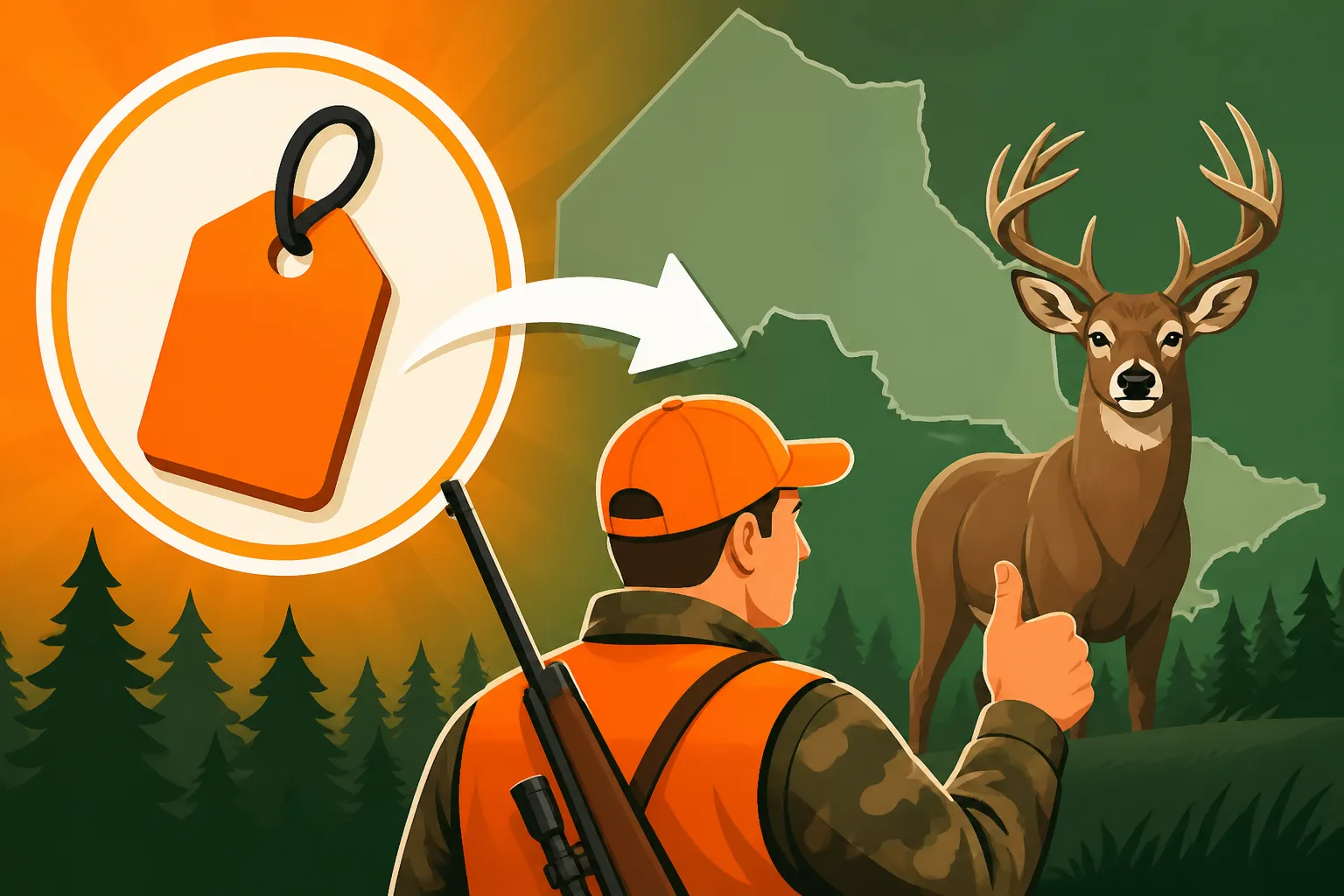
When we talk about a "random tag" that lets you keep your points, we're primarily referring to tags acquired during the Second Chance Allocation. After the highly competitive primary allocation stage is complete, there are often tags remaining. These are usually tags for WMUs that weren't as popular, or for cow/calf tags that didn't see as much demand as bull tags. The Ontario government makes these remaining tags available in a subsequent, less competitive draw. Instead of applying for a specific WMU based on points, hunters can apply for any available tag, and the draw is largely random among eligible applicants. It's essentially a lottery for the leftovers. These tags aren't meant to be the 'prime real estate' but rather an opportunity to get out in the woods and hunt moose when you might otherwise have to sit out the season. GoHunt, with its mapping tools, can be incredibly useful in identifying WMUs that historically have leftover tags, allowing you to better strategize for the second chance draw. You can also explore The Second Chance Moose Allocation for official details on this phase.
Why Points Are Retained with Random Tags
The logic behind retaining points when you acquire a tag through the Second Chance Allocation is quite straightforward and hunter-friendly. The system recognizes that these "random" tags are not the result of you leveraging your accumulated points to win a highly contested draw. Instead, they are tags that the province wants to see filled to meet management objectives, and they're offering them up on a first-come, first-served (or lottery) basis after the main show is over.
Essentially, by taking a tag in the Second Chance Allocation, you're not cutting in line or using your seniority. You're simply taking advantage of an opportunity to hunt a moose that no one else picked in the primary draw. The Ministry's goal here is to maximize hunter participation and harvest opportunities for available tags, rather than letting them go unfilled. If drawing one of these less-demanded tags meant losing all your points, fewer hunters would participate in the Second Chance draw, leading to more unused tags. So, it's a win-win: you get to hunt, gain valuable experience, and still keep your points intact for that dream hunt in a high-demand WMU down the road. This mechanism directly contrasts with When Claiming a Tag Resets Your Points in the primary draw, highlighting the strategic difference.
Navigating the Moose Allocation for Maximum Benefit
Understanding the nuances of the primary and second chance allocations can empower you to make more informed decisions, whether you're focused on building points for a trophy hunt or just eager to get out in the field this season.
Strategic Point Accumulation
If your ultimate goal is to hunt a specific, high-demand WMU known for its impressive bull moose, then a long-term strategy of point accumulation is your best bet. This means consistently applying for bull tags in your target WMUs during the primary allocation stage, knowing that you might not draw for several years. Each year you apply and are unsuccessful, you'll see How Ontario Moose Points Accumulate. It requires patience, discipline, and a willingness to potentially go several seasons without a moose tag, but it significantly increases your chances of drawing into those prime areas. Think of it as investing for a future dividend. You can use tools like GoHunt to research historical draw odds and point requirements for different WMUs, helping you identify which units are truly long-shots and which might be more attainable with a moderate number of points. This strategic approach is especially relevant when you're considering Applying for a Bull Versus Cow Tag, as bull tags almost always require more points.
When to Consider a Random Tag
So, when does it make sense to jump on one of these "random" tags that lets you keep your points? It's all about balancing your hunting desires with your long-term goals.
- Yearly Hunting Fix: If you simply want to get out moose hunting this year, regardless of the size of the moose or the specific WMU, a second chance tag is a fantastic option. It's a way to experience a moose hunt, perhaps scout new territory, and hone your skills without impacting your point bank.
- Gaining Experience: New to moose hunting? Or perhaps you've only hunted deer and want to try your hand at larger game. A second chance tag offers an invaluable opportunity to learn the ropes of Hunting Moose in Ontario's Boreal Forest, understand moose behavior, and practice field dressing and meat care on a real animal. This experience is priceless.
- Breaking a Dry Spell: For hunters with many points who've been waiting for years, a random tag can be a welcome break from the perpetual wait. It allows you to actually go hunting while still holding onto your chances for that dream tag in subsequent years.
- Party Hunting Opportunities: Sometimes a group of hunters might have one member with a high number of points aiming for a bull tag, while others are content to try for a cow or calf in the second chance draw. This allows the group to potentially get two tags in different ways, maximizing their hunting opportunities.
It's a tactical decision, but for many, it's a path to more time in the moose woods without the heavy cost of sacrificing points.
Here's a quick comparison of how points factor into the two main allocation stages:
| Feature | Primary Allocation Stage | Second Chance Allocation Stage |
|---|---|---|
| Points Used? | Yes, heavily factored in. | No, draw is primarily random. |
| Points Reset if Drawn? | Yes, typically reset to zero. | No, points are retained. |
| Tag Selection | Apply for specific WMU and tag type. | Apply for available tags randomly. |
| Competition Level | High, especially for bull tags. | Lower, for remaining tags. |
| Typical Goal | High-demand WMUs, trophy potential. | Opportunistic hunting experience. |
Ultimately, understanding the full scope of Ontario's Moose Tag Allocation Process allows you to make an informed decision that aligns with your personal hunting goals each season.
Disclaimer
The information provided in this article is for general guidance and informational purposes only. Hunting regulations, season dates, and tag allocation processes can change annually. Always consult the official Ontario Hunting Regulations Summary and the Ontario Ministry of Natural Resources and Forestry (MNRF) website for the most current and accurate information before planning any hunting activity.