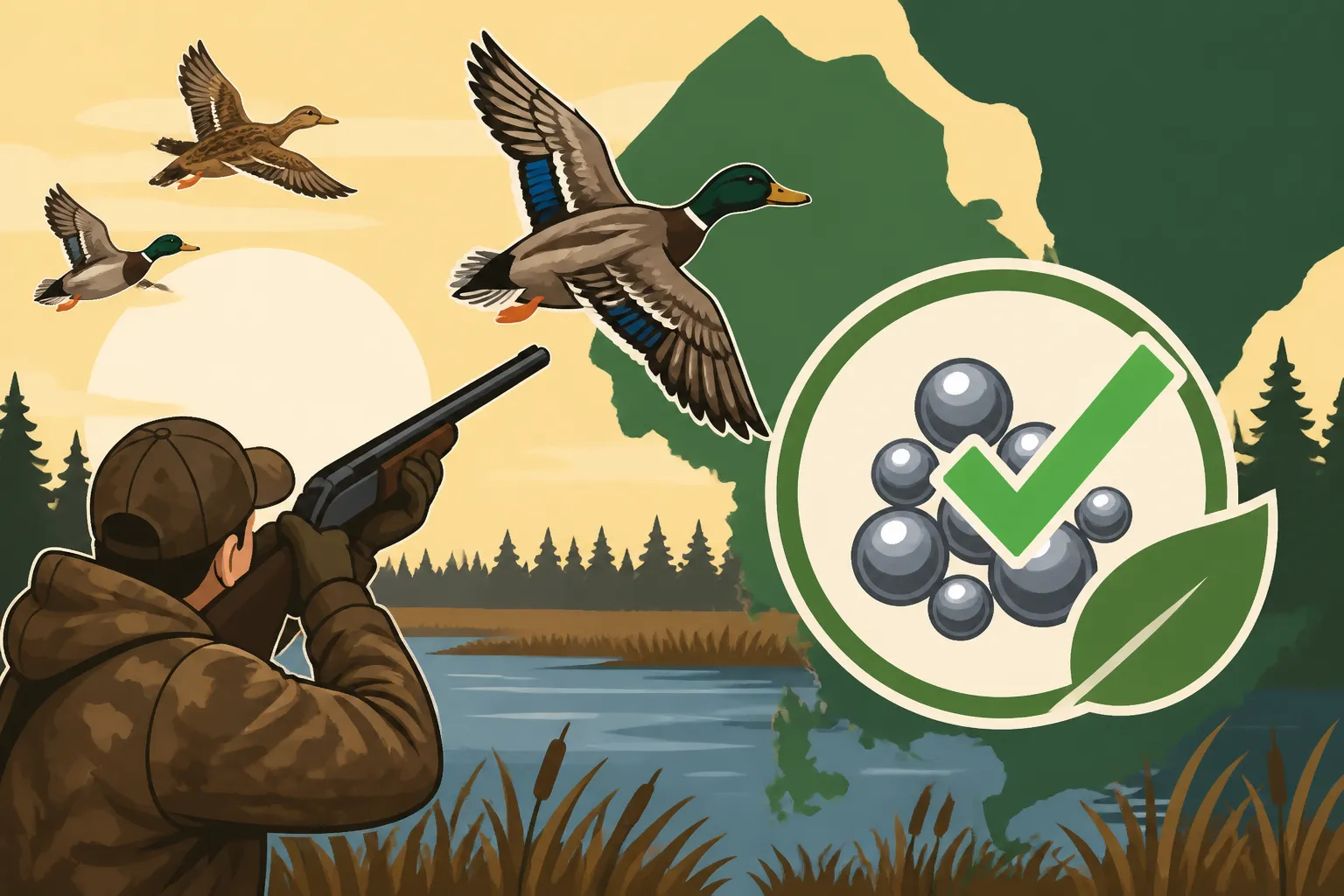
Non-Toxic Shot Requirements for Waterfowl
There's nothing quite as frustrating as getting ready for an exciting day of waterfowl hunting, loading up your gear, and then realizing you're not entirely sure if your ammunition meets the often-confusing legal requirements. The rules and regulations around hunting, especially when it comes to specific species like ducks and geese, can feel like a labyrinth, and non-toxic shot requirements are one area where misunderstanding can lead to serious legal trouble. This guide will walk you through everything you need to know about non-toxic shot for waterfowl hunting in Ontario, ensuring you're compliant, effective, and ready for a successful season.
Why Non-Toxic Shot is Mandatory for Waterfowl in Ontario
For many years, lead shot was the standard for all types of hunting, valued for its density and affordability. However, over time, a significant environmental problem became clear, particularly in wetland environments where waterfowl congregate. When lead shot is fired, a percentage of pellets inevitably miss the target and fall into the water or sediment. Waterfowl, being bottom feeders, would then ingest these lead pellets, mistaking them for grit or small seeds. This ingestion led to lead poisoning, a slow and painful death that affected countless birds.
The Environmental Impact of Lead Shot
The scientific evidence became undeniable: lead poisoning was a major mortality factor for waterfowl populations across North America. Ducks, geese, and other water birds would accumulate lead in their systems, leading to neurological damage, organ failure, and a weakened state that made them vulnerable to predators and disease. It wasn't just the targeted waterfowl, either; raptors and scavengers that fed on lead-poisoned birds also suffered secondary poisoning. This created a ripple effect through the ecosystem, demonstrating that what seemed like a small amount of lead from a single hunt could, over time, become a widespread ecological issue. The long-term contamination of popular hunting areas meant that even if lead shot was no longer used, birds could still pick up old pellets from previous seasons. This widespread concern eventually led to a Canada-wide ban on lead shot for migratory game birds, including all ducks and geese.
Federal and Provincial Mandates
In Canada, the Migratory Birds Convention Act, 1994, is the cornerstone legislation that protects migratory birds, their nests, and habitats. Under this Act, administered by Environment and Climate Change Canada, the use of non-toxic shot is mandatory for hunting migratory game birds throughout the country. This federal regulation applies universally, meaning there's no provincial loophole or exemption for waterfowl in Ontario. The provincial regulations, found in the Ontario Hunting Regulations Summary, align with these federal requirements, explicitly stating that only non-toxic shot can be used to hunt migratory game birds. This includes all species of ducks, geese, and coots. It’s a crucial rule that hunters must adhere to, not just for legal compliance, but for the ethical stewardship of our natural resources and the health of the very birds we pursue. You can always check the latest rules and season dates by consulting the official Ontario Hunting Regulations Summary or using a reliable hunting app like GoHunt to keep track of any changes specific to the seasons and zones where you plan to hunt.
Understanding the Types of Non-Toxic Shot
When lead shot was banned, hunters faced a learning curve, and manufacturers responded by developing a range of alternative materials. These modern non-toxic shots offer various properties, affecting everything from cost to ballistic performance.
Steel Shot: The Common Standard
Steel shot is by far the most widely used non-toxic alternative. It's affordable, readily available, and performs well for most waterfowl hunting scenarios. However, steel has a lower density than lead, meaning individual pellets are lighter and retain less energy at longer ranges. To compensate, steel shot shells often use larger pellet sizes than their lead counterparts to achieve similar knockdown power, or they pack more pellets into a shell. This lower density also means steel shot doesn't deform as easily as lead, which can sometimes result in less dense patterns or require different chokes in your shotgun. When considering steel, it's wise to pattern your shotgun with various loads and choke combinations to see what works best for your firearm and typical hunting distances. Most modern shotguns are designed to handle steel shot, but if you're using an older firearm, always check with the manufacturer or a qualified gunsmith to ensure it's safe to use. You wouldn't want to damage a cherished heirloom gun in the pursuit of waterfowl.
Bismuth and Tungsten Alloys: Premium Alternatives
For hunters seeking performance closer to traditional lead shot, bismuth and tungsten-based alloys offer excellent alternatives, though they come with a higher price tag.
- Bismuth Shot: Bismuth is denser than steel and much softer, making it more forgiving on older shotgun barrels not rated for steel. Its density allows for smaller pellet sizes, which can result in denser patterns and better energy retention compared to steel, especially at longer ranges. For hunters who appreciate a more traditional feel and superior performance without the harshness of steel, bismuth is a fantastic choice. Brands like Kent Cartridge and Boss Shotshells are well-known for their bismuth loads.
- Tungsten-Iron and Other Tungsten Alloys: Tungsten is significantly denser than both steel and lead, making it the king of non-toxic options in terms of ballistic performance. Shells loaded with tungsten alloys, such as those from Winchester's Blind Side or Federal's Black Cloud, offer incredible energy and penetration, allowing for smaller pellet sizes and longer effective ranges. However, tungsten is also the most expensive option, often costing several times more per box than steel shot. Its hardness can also be a concern for very old or delicate shotgun barrels, so checking compatibility is always recommended. These premium loads are often favoured by hunters who push the limits of their effective range, or those who simply want the absolute best performance available, particularly for tough birds or specific conditions found while Diver Hunting Ontario's Big Water.
It's helpful to compare these options side-by-side to understand their trade-offs:
| Shot Material | Density (g/cm³) | Hardness | Cost (per shell) | Performance | Choke Compatibility |
|---|---|---|---|---|---|
| Lead (historical) | 11.3 | Soft | Low | Excellent | All |
| Steel | 7.8 | Hard | Low | Good | Modified, Full (check rating) |
| Bismuth | 9.6 | Medium | Moderate | Very Good | All |
| Tungsten (various alloys) | 10-18+ | Hard | High | Excellent | Modified, Full (check rating) |
Note: Densities and costs are approximate and can vary by specific alloy and manufacturer.
Where and When These Rules Apply in Ontario
The non-toxic shot requirements for waterfowl are not confined to specific zones or times; they are a blanket rule across the province whenever you are hunting migratory game birds.
Universal Application for Migratory Game Birds
In Ontario, if you are pursuing ducks, geese (including Canada Geese, Snow Geese, and Brant), or American Coots, you must use non-toxic shot. This applies whether you're hunting in the far reaches of Northwestern Ontario's big bush, the mixed forests of Central Ontario, or the agricultural fields of Southern Ontario. It doesn't matter if you're hunting over water in a marsh, in a flooded timber stand, or in a stubble field – the rule is consistent. This also extends to all regulated migratory bird seasons, from the early Ontario Goose Season Dates by District through to the late-season Ontario Duck Season Dates by District. There are no exemptions for specific WMUs or types of land. This makes compliance straightforward: if it's a waterfowl hunt, it's non-toxic shot.
Understanding the Habitat Protection Angle
While the primary concern is preventing lead poisoning, the non-toxic shot mandate also reflects a broader commitment to protecting sensitive wetland habitats. Many waterfowl hunting areas are critical ecosystems, often designated as provincially significant wetlands or protected areas. The use of non-toxic materials aligns with the goal of minimizing human impact on these delicate environments. This is why when you're out Marsh Hunting Ducks on the Great Lakes or targeting geese in a carefully managed field, the non-toxic rule is there to protect more than just the birds; it protects the entire intricate web of life within those habitats. The regulations underscore the importance of responsible hunting practices that safeguard our natural heritage for future generations.
Ensuring You're Compliant and Ready for the Season
Staying compliant with non-toxic shot regulations is essential, not only to avoid fines and penalties but also to maintain the integrity of hunting as a conservation activity. A little preparation goes a long way.
Checking Ammunition and Shotgun Compatibility
Before you head out, double-check your ammunition. Look for clear labeling on the box indicating "non-toxic," "steel," "bismuth," or "tungsten." Never assume. If you're unsure, don't use it. Old boxes of lead shot can sometimes hide in the back of your cabinet, so a thorough inventory before the season starts is a good practice.
Equally important is verifying your shotgun's compatibility with harder shot types like steel or tungsten. Most modern shotguns (manufactured after the 1980s) are designed to handle steel shot, but always consult your firearm's manual or a qualified gunsmith. Older firearms, especially those with fixed chokes, might not be suitable for steel shot, as its hardness can damage forcing cones or expand choke constrictions. If your gun isn't rated for steel, bismuth is often a safe and excellent alternative. This attention to detail ensures not only your legal compliance but also the safe and reliable operation of your firearm, which is paramount in any hunting situation.
Essential Licenses and Permits Beyond Shot Choice
Beyond the non-toxic shot, remember that hunting waterfowl in Ontario requires a few other key documents. You'll need an Ontario Outdoors Card Explained and an Ontario migratory game bird licence, which includes The Federal Migratory Game Bird Permit and The Habitat Conservation Stamp Requirement. These are separate from your general hunting licence and are purchased through different channels. The federal permit helps fund important conservation efforts for migratory birds across Canada. Always have these documents with you, either physically or electronically, when you're in the field. Conservation officers routinely check for proper licensing and adherence to regulations, so being prepared is key. Keeping tabs on these requirements can be made easier with digital tools. Many hunters use apps like GoHunt, which can store digital copies of licenses and provide quick access to updated regulations, saving you from digging through paper pamphlets in the field.
Practicing with Your Chosen Non-Toxic Loads
Just like any new equipment, it's crucial to practice with your chosen non-toxic loads before hunting season. Different shot materials and pellet sizes will perform differently than what you might be used to with lead. Go to the range and pattern your shotgun with the specific shells you intend to hunt with. See how different chokes affect your pattern density and distribution at various distances. This practice will build confidence, help you understand the effective range of your setup, and ultimately lead to cleaner, more ethical shots in the field. For instance, if you're planning on Field Hunting Geese in Ontario Stubble, understanding how your steel BBs pattern at 40 yards is far more valuable than simply guessing. Investing time in patterning is one of the best ways to prepare for a successful waterfowl hunt and truly connect with the challenge and reward of pursuing these incredible birds.
Disclaimer
The information provided in this guide is for general informational purposes only and does not constitute legal advice. While we strive to keep the information up-to-date and correct, hunting regulations can change. It is the responsibility of every hunter to consult the official Ontario Hunting Regulations Summary and the federal Migratory Bird Hunting Regulations published by Environment and Climate Change Canada to ensure full compliance before hunting.