Ontario Goose Season Dates by District
Trying to figure out the exact goose season dates across Ontario can feel like navigating a maze blindfolded, especially with all the different districts and varying regulations. It's frustrating when you just want to plan your hunt and the information seems scattered everywhere. This guide is here to break down Ontario's goose season dates by district, helping you understand when and where you can pursue these incredible birds, along with the critical permits you'll need.
Demystifying Ontario's Waterfowl Districts
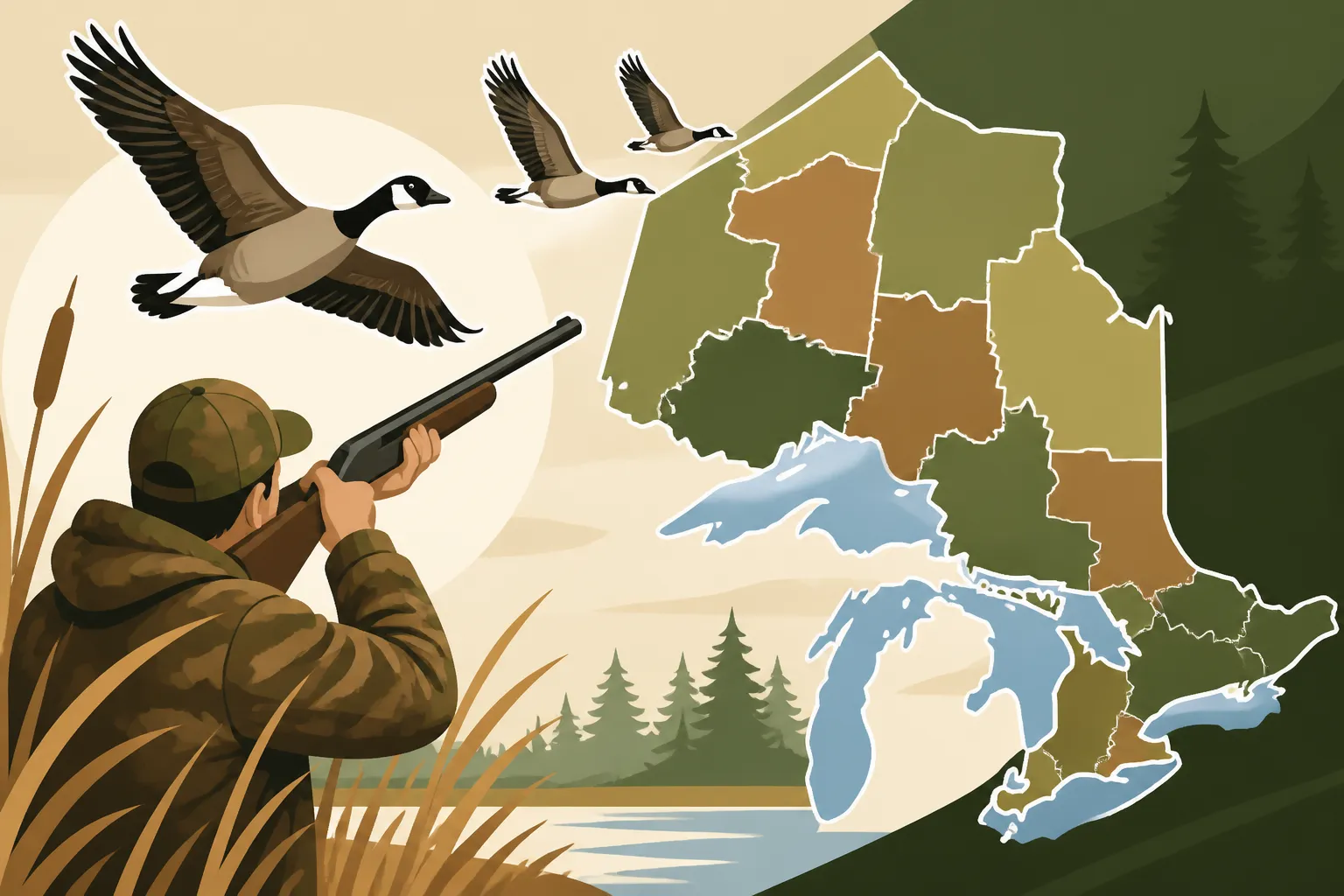
Ontario is a massive province, and because of that, the Ministry of Natural Resources and Forestry (MNRF) divides it into specific districts for migratory bird hunting. These divisions aren't arbitrary; they reflect the major migratory flyways and the distribution of resident goose populations. Understanding these districts is the first step to pinpointing your season dates.
Why Ontario Uses Hunting Districts
The primary reason for dividing the province into districts – typically Northern, Central, Southern, and two specialized northern districts (Hudson Bay and James Bay) – is to manage harvest pressure and align hunting seasons with the birds' natural migration patterns. Canada Geese, for example, have different population segments: resident birds that breed in Ontario and migratory birds that pass through from further north. By creating districts, the province can open seasons at different times to target these various groups, ensuring sustainable hunting opportunities. Hunters often find that the specific regulations, including bag limits and season lengths, are tailored to the unique ecological characteristics and goose populations within each district. This localized approach makes it fairer for hunters and better for the resource. If you're keen on understanding the broader picture of waterfowl movement, delving into Ontario's Ducks and Geese by Flyway can give you even more context.
The Major Hunting Districts You Need to Know
While specific boundaries are always detailed in the official hunting regulations, generally, you'll be looking at the Northern District (ND), Central District (CD), and Southern District (SD). The Hudson Bay District (HBD) and James Bay District (JBD) cover the far northern reaches, where hunting pressure and access are vastly different. Each district has its own set of rules, often with varying start and end dates for both early and regular goose seasons. For instance, the Southern District, with its extensive agricultural lands, often sees longer and more staggered seasons to accommodate both early resident birds and later migrants. This system, while seemingly complex at first, is designed to maximize opportunity while protecting the resource.
Early Goose Season Opportunities
For many dedicated waterfowlers, the early goose season is a highly anticipated kick-off, offering a chance to get out in the fields before the main migratory push begins. This season is specifically designed to target the thriving populations of resident Canada Geese that breed within Ontario.
Targeting Resident Canada Geese
The early Canada Goose season typically opens in early September, sometimes even overlapping with the last days of August in some zones. This timing is strategic: it's before the major influx of migratory geese from the Arctic and sub-Arctic regions, allowing hunters to focus on local birds that have spent the summer fattening up in Ontario's fields and wetlands. These resident geese can be abundant, especially in agricultural areas and near urban centers, making for excellent hunting. The early season is often shorter than the regular season, but it provides a fantastic opportunity for hunters to dust off their calls and decoys. If you're looking to capitalize on these local birds, understanding Hunting Canada Geese on Ontario Farmland is key, as many of these early hunts happen in agricultural settings where permission is paramount.
Key Dates for Early Season by District (General)
The early season dates vary slightly, but generally, the Central and Southern Districts see the most robust early opportunities. For example:
- Central District (CD): Early goose season often runs from September 1st to September 9th or 10th.
- Southern District (SD): Similar to the CD, early goose season is typically from September 1st to September 10th. Some specific zones within SD might have slightly extended early opportunities.
- Northern Districts (ND, HBD, JBD): While resident populations exist, the focus for northern hunters is often on the regular season as migratory birds arrive sooner. Early seasons here might start slightly later in September and blend into the regular season.
During this early period, hunters are often focused on scouting cut grain fields or pastures where geese are feeding heavily. It's a prime time to set up large decoy spreads and work calls to bring in birds that haven't been pressured all season. For those who love the classic field hunt, learning about Field Hunting Geese in Ontario Stubble is a must.
Regular Season Goose Hunting Across the Province
Once the early season wraps up, the regular goose season opens, welcoming the broader migration of geese from their northern breeding grounds. This is the period when diverse species and vast numbers of birds can be encountered, offering a true challenge for even the most seasoned waterfowler.
Main Fall Goose Season Dates by District
The regular goose season is where the majority of the hunting takes place, often stretching from mid-September through December, and sometimes even into January in certain zones. These dates are meticulously planned to coincide with the peak migration through Ontario's major flyways.
Here's a general overview of typical regular season dates for Canada Geese by district. Please remember that these are general guidelines, and you must consult the current year's Ontario Hunting Regulations Summary for precise, up-to-date information.
| Hunting District | Canada Goose Regular Season (Approximate) | Notes |
|---|---|---|
| Northern District (ND) | Mid-September – Late December | Often starts around Sept 10-15 and runs until Dec 20-25. |
| Central District (CD) | Mid-September – Late December | Typically starts around Sept 12-15 and continues through Dec 20-25, with potential late season extensions. |
| Southern District (SD) | Mid-September – Early January | Can start Sept 15-20 and run until Dec 31 or even Jan 15 in certain zones. Varies most widely. |
| Hudson Bay District (HBD) | Early September – Late December | Often opens around Sept 1 and closes Dec 20-25. |
| James Bay District (JBD) | Early September – Late December | Similar to HBD, often Sept 1 to Dec 20-25. |
Beyond Canada Geese, you might also be interested in other species. Snow Geese, for instance, often have incredibly generous season dates, sometimes starting earlier and running later, to help manage their booming populations. Their migration patterns can be quite different, offering unique hunting opportunities. When you're trying to figure out where to focus your efforts, tools like GoHunt can be invaluable for pinpointing specific Wildlife Management Units (WMUs) and overlaying property boundaries, which is crucial for Scouting Fields for Ontario Waterfowl where geese tend to congregate.
Varying Bag Limits and Species-Specific Regulations
It's not just the season dates that change; bag limits for geese can also vary significantly by district and even by specific species within a district. For Canada Geese, you might see different daily bag and possession limits during the early season compared to the regular season. Snow Geese, due to their higher populations, often have much higher bag limits, encouraging hunters to take more birds. Always check the regulations summary for the exact limits for the district and species you're hunting. Misinterpreting these limits can lead to serious penalties, so precision is key. If you're planning a trip to a different part of the province, understanding Hunting an Ontario River Valley might be beneficial, as geese frequently use these corridors during migration.
Extending Your Season with Late Goose Hunts
For many waterfowlers, the end of December doesn't necessarily mean the end of goose season. Ontario offers some fantastic late-season opportunities, particularly in the milder southern agricultural zones, allowing dedicated hunters to pursue geese well into the new year.
The Allure of Late Season Geese
Late season goose hunting, often running through January, offers a different kind of challenge and reward. By this time, the weather is typically colder, snow might be on the ground, and the remaining geese are often large, wary flocks that have survived weeks of hunting pressure. However, these conditions also concentrate birds into specific feeding and roosting areas, making them somewhat more predictable if you can find their patterns. The sight of hundreds of geese silhouetted against a stark, winter sky, descending into a well-laid spread, is an unforgettable experience. This hunting can be physically demanding, requiring heavy layers and diligent scouting, but the rewards of a successful late-season hunt are immense.
Where and When to Find Late Season Action
Late season goose hunting is predominantly found in the Southern District (SD), particularly in the highly agricultural regions. These areas provide the crucial food sources (like waste grain in corn or soybean fields) that attract and hold large numbers of geese when other areas are frozen over or have less accessible feed.
- Southern District (SD): While the general season for Canada Geese might close by December 31st in some SD zones, others can have extended opportunities well into January, sometimes even mid-January. Snow Goose seasons often run even longer, frequently into February, and occasionally even a special spring Snow Goose season in certain years.
Success in the late season often hinges on relentless scouting. Geese will be focused on fields with accessible waste grain, and their patterns can shift quickly with changes in weather, snow cover, and hunting pressure. You'll need to locate their feeding fields and get permission to hunt them. Decoy spreads might need to be larger and more realistic, and calling techniques more refined to draw in these educated birds. For strategies on getting geese into range, understanding the nuances of Setting a Goose Spread in Cut Corn can make all the difference when hunting these smart, late-season flocks.
Essential Requirements and Resources for Goose Hunters
Before you even think about setting up a spread or calling in a flock of geese, there are some fundamental requirements and resources every Ontario goose hunter needs to be aware of. Overlooking these can not only ruin your hunt but also lead to serious legal issues.
Mandatory Permits and Stamps
Hunting migratory game birds in Ontario isn't just about your provincial hunting license; it also requires federal permits. You absolutely must have:
- An Ontario Outdoors Card: This is your primary identification for hunting and fishing in Ontario. If you haven't got one yet, or need to renew, check out information on Ontario's Outdoors Card Explained.
- An Ontario Small Game Hunting Licence: Your provincial license to hunt small game, which includes migratory birds.
- A Federal Migratory Game Bird Hunting Permit: This is a crucial permit issued by the Canadian federal government. It's often referred to as the "federal duck stamp" and is required by everyone hunting migratory birds. You can learn more about its requirements and how to obtain it by reading about The Federal Migratory Game Bird Permit.
- A Canadian Wildlife Habitat Conservation Stamp: This stamp is automatically issued with your Federal Migratory Game Bird Hunting Permit and must be affixed to the permit. It's not just a formality; the funds generated go directly to habitat conservation efforts across Canada. Details can be found on The Habitat Conservation Stamp Requirement.
Always Consult the Official Regulations Summary
I cannot stress this enough: always, always, always consult the current year's Ontario Hunting Regulations Summary. Dates, bag limits, and specific regulations can change annually. Relying on information from previous years or even a general guide like this one without cross-referencing the official summary is a recipe for disaster. The summary is available online through the Ontario government website and at most license issuers. It's your ultimate source of truth for all regulations. This also extends to understanding broader regulations like Ontario Hunter Education Requirements, which are foundational for all hunting activities in the province.
Landowner Permission and Non-Toxic Shot
Especially in Southern Ontario, where much of the goose hunting occurs in agricultural fields, getting landowner permission is non-negotiable. Trespassing is a serious offense and can quickly sour relations between hunters and landowners. Always ask for permission well in advance, and respect the landowner's property and wishes. For more on this, check out Getting Permission for a Goose Field.
Furthermore, for all migratory bird hunting in Canada, non-toxic shot is mandatory. This means lead shot is strictly prohibited. You'll need to use steel, bismuth, or other approved non-toxic alternatives. Understanding these requirements is vital for responsible hunting, so make sure to review Non-Toxic Shot Requirements for Waterfowl. When you're scouting new areas or trying to understand property boundaries, platforms like GoHunt can be incredibly helpful. They allow you to overlay property ownership information onto maps, which is crucial for identifying land and knowing who to contact for permission. Whether you're trying to interpret a paper map or using digital tools, familiarizing yourself with Reading an Ontario WMU Map Before You Go will also be a huge asset.
Disclaimer
The information provided in this guide is for general informational purposes only and is subject to change. Hunting regulations, season dates, and bag limits are set by the Ontario Ministry of Natural Resources and Forestry (MNRF) and the Canadian federal government, and they can be modified annually. It is the hunter's sole responsibility to consult the most current official Ontario Hunting Regulations Summary and all applicable federal regulations before participating in any hunting activity. Failure to do so may result in legal penalties.