Hunting Ontario Late When Snow Piles Up
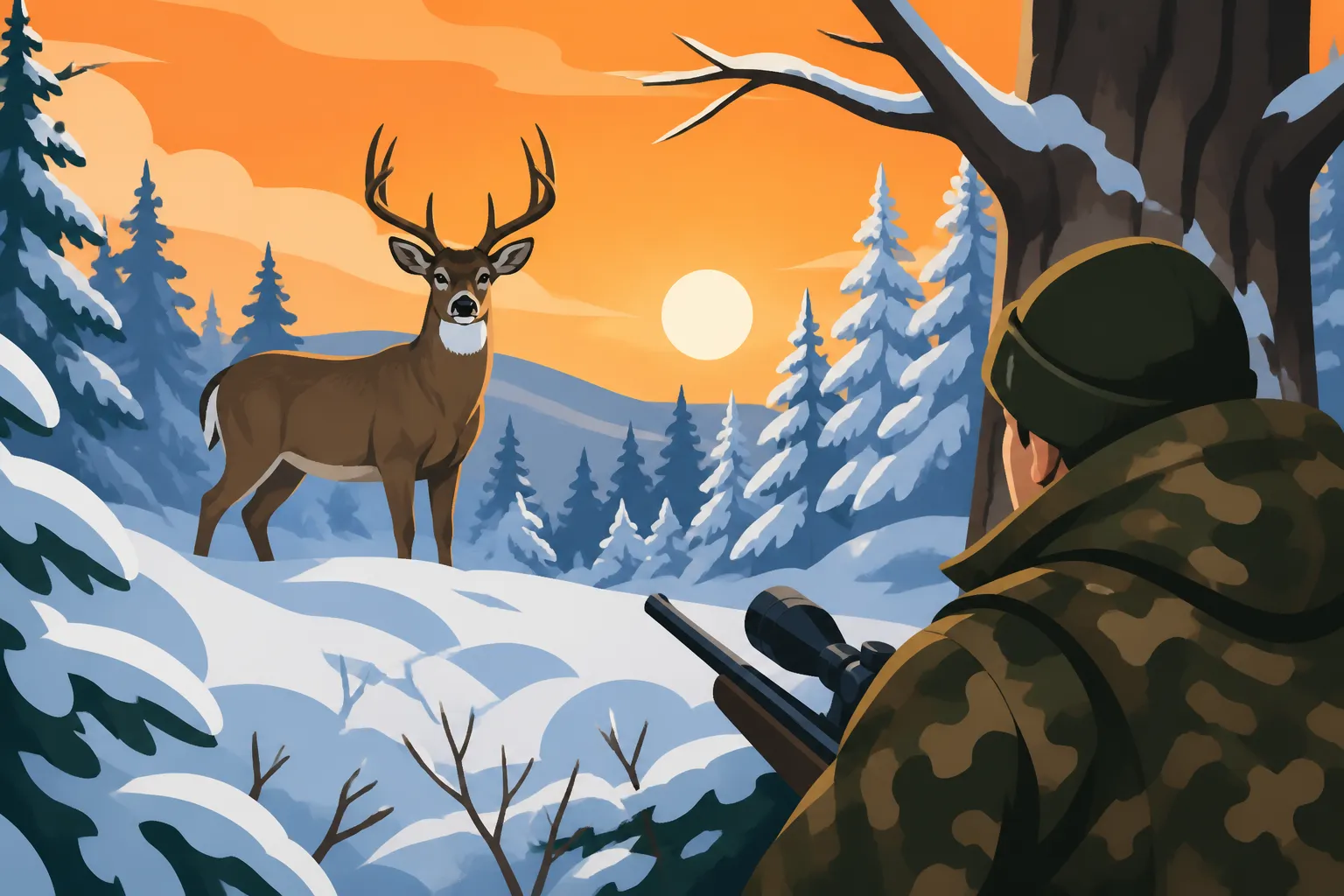
Hunting in Ontario when the snow truly starts to pile up can feel like an entirely different sport. The mild, crunchy snow of early November is one thing, but when December rolls around and flakes start falling with real commitment, transforming the landscape into an unforgiving white expanse, many hunters simply hang up their gear. It’s physically exhausting, brutally cold, and the woods seem empty. But don't despair; this comprehensive guide is here to equip you with the knowledge, strategies, and mindset needed to not just survive, but thrive, in Ontario's late-season winter hunt.
The Unique Challenges of Hunting Ontario in Deep Snow
When Mother Nature decides to blanket Ontario in a thick layer of snow, she's not just making things prettier; she's fundamentally changing the game for every hunter and animal out there. The challenges are real, and anyone who's ever slogged through knee-deep drifts knows the physical and mental toll it takes. But understanding why these conditions are tough, and how wildlife adapts, is the first step to overcoming them.
Understanding the Winter Landscape and Its Impact on Game
The serene beauty of a snow-covered forest can quickly become a formidable adversary. Deep snow acts as a massive insulating blanket, but it also creates immense resistance for anything trying to move through it. For us hunters, it means every step is a workout, often leading to heavy breathing, sweat, and then the inevitable chill that seeps into your bones if you're not careful. For wildlife, it's a matter of survival. Deer, especially, struggle in anything over 18-24 inches of snow because their shorter legs make propulsion incredibly inefficient. Moose, with their longer limbs and larger body mass, are far more adept at navigating deep snow, but even they will seek out areas of less resistance or better food sources. Understanding these basic biomechanics is crucial. It tells you where animals are likely to be, and where they're trying to avoid. The stark contrast between easy travel and difficult travel zones becomes more pronounced, creating predictable patterns for those who know how to look.
How Snow Depth Changes Animal Movement
As the snow deepens, animals will drastically alter their movement patterns to conserve precious energy. For whitetails, this often means retreating to traditional "deer yards" – dense conifer stands, particularly cedar swamps or thick pine plantations, that offer thermal cover from the biting wind and shelter from heavy snow loads. These yards become crucial refuges where deer can find some relief and browse on available forage, usually cedar or balsam fir, which aren't their first choice but become vital sustenance. This is a critical piece of information for hunters looking to capitalize on late-season opportunities. You can often predict Where Ontario Whitetails Yard in Deep Snow. Moose, while less restricted, will also become more concentrated in areas where browse is abundant and travel is relatively easier, such as younger clear-cuts with dense saplings or along frozen waterways that offer a clear path. The deep snow essentially funnels animals into specific, more confined areas, which can be both a blessing and a curse for hunters. On one hand, it makes finding them easier; on the other, these areas are often incredibly dense and challenging to hunt effectively.
Common Frustrations and How to Mentally Prepare
Let's be real, late-season hunting in Ontario can be a grind. The cold, the relentless slogging through snow, the short daylight hours, and the often-minimal animal activity can test even the most seasoned hunter's resolve. Frustration mounts when you've covered miles only to find no fresh sign, or when your fingers are numb despite the best gloves. Your feet might be soaked from unexpected slush pockets, or your rifle scope might fog up at the critical moment. The key to staying positive is managing expectations and embracing the challenge. Think of it less as a typical hunt and more as a test of endurance and woodsmanship. Use mapping tools like GoHunt to analyze terrain before you go, identifying potential deer yards, dense cover, and natural travel corridors that might offer easier passage. Prepare for the worst-case scenario with your gear, and understand that success might come down to one single, hard-earned opportunity. The mental game is just as important as the physical one out there. Remind yourself that fewer hunters are willing to brave these conditions, which means less pressure on the animals you do find.
Effective Strategies for Deer and Moose in Winter Conditions
Once you understand the fundamental shifts that deep snow brings to the Ontario landscape, you can start to develop strategies tailored to these challenging conditions. This isn't your early-season stand hunting; this demands a different kind of persistence and know-how.
Locating Deer Yards and Wintering Areas
Deer yards are the holy grail for late-season whitetail hunters when snow is deep. These are not always easy to find on a map alone, as the best yards combine dense coniferous cover with available browse and some protection from predators. Often, they're found in low-lying areas, like river bottoms or Hunting a Cedar Swamp Edge, or on the leeward side of ridges. Look for areas with a high density of cedar, spruce, or balsam fir. Satellite imagery and topographic maps, especially those available through platforms like GoHunt, can help you identify these pockets of dense cover. However, nothing beats boots on the ground (or snowshoes, as it were) to confirm active yards. You're looking for heavily beaten-down trails, droppings, browse lines on cedar saplings, and beds. These signs will tell you if deer are actively using the area. Once you've pinpointed an active yard, the next step is to understand how deer move within it and how they enter and exit. They'll use the path of least resistance, often creating distinct tunnels and trails through the deepest snow.
Tracking and Still-Hunting in Deep Snow
Deep snow, while making travel difficult, also offers an incredible advantage: perfect tracking conditions. Fresh tracks are undeniable, and they tell a story. You can Reading Sign After a Fresh Snow with far more detail than in dry conditions, discerning direction, gait, and even the size and health of the animal. This is where still-hunting really shines. Instead of sitting and waiting, you become an active participant, slowly moving through the landscape, interpreting every track, every rub, every disturbed patch of snow. Focus on transition areas leading into and out of deer yards, or along the edges of agricultural fields where deer might still be pawing through snow for leftover forage. The key is slow movement – one step, pause, scan, listen, another step. Your pace will naturally be slowed by the snow, which works to your advantage, forcing you to be more methodical. If you find fresh tracks leading into a thicket, assume the deer is bedded nearby and approach with extreme caution, using the wind to your advantage.
Focusing on Moose in Their Winter Habitats
Moose are built for winter, often faring better than deer in deep snow. Their long legs allow them to stride through snow that would bury a whitetail, and their thick hides provide excellent insulation. In winter, moose tend to be found in areas of regenerating forest, often younger clear-cuts, where there's an abundance of browse like willow, balsam fir, and trembling aspen saplings. They also utilize frozen lakes, rivers, and logging roads as easier travel routes. When Hunting Moose in Ontario's Boreal Forest, focus your efforts on these younger cuts or along riparian zones. Similar to deer, fresh tracks in the snow are your best indicator. Look for large, oval prints, and pay attention to browse sign – broken branches, stripped bark, and heavily nipped saplings. Moose often create "moose beds" in deep snow, sometimes several over a short distance, where they'll rest. The deep snow can make calling less effective, as sound doesn't travel as far and moose are less inclined to move great distances, but persistent still-hunting in prime habitat, following fresh tracks, is a proven method.
Small Game and Predator Opportunities in a Snow-Covered Ontario
While big game often takes center stage, don't overlook the fantastic small game and predator hunting opportunities that deep snow in Ontario presents. For many, this is a perfect way to stay active, sharpen skills, and put some meat in the freezer during the colder months.
Rabbit and Hare Hunting with Hounds
When the snow is deep, Rabbit and Hare Hunting in Ontario truly comes alive. The snowshoe hare, in particular, is perfectly camouflaged in its winter white coat, but its tracks stand out like a roadmap. If you have a good beagle, or a few of them, this can be an incredibly fun and active hunt. Hares and cottontails stick to dense cover – thick brush, willow thickets, regenerating cuts, and overgrown fencerows. When jumped, they'll often run in big circles, providing opportunities for hunters posted along escape routes. The deep snow might tire out the dogs a bit faster, so rotating them if you have a pack is a good idea. For hunters without hounds, still-hunting through known hare country, especially around Hunting a Beaver Meadow Crossing or a thick bush lot next to a field, can be productive. Keep your eyes peeled for the distinctive "rabbit" tracks – often a double print from their hind feet landing ahead of their front, looking like a little exclamation mark in the snow.
Calling Coyotes and Wolves in the White Landscape
Winter is prime time for predator hunting in Ontario, especially when the snow is deep. The lack of concealing foliage, combined with animals needing to move more to find food, makes them more susceptible to calling. Coyotes are incredibly adaptable and found throughout much of Ontario, even in agricultural areas. Wolves are more prevalent in the northern and central parts of the province. Both species rely heavily on deer as a food source in winter, so concentrating your efforts near deer yards or areas with high deer activity can be very productive. Electronic calls mimicking distressed rabbits, fawns, or even coyote howls can be incredibly effective. Set up with a good backdrop that breaks up your silhouette, pay attention to the wind, and be patient. The cold, still air can carry sound a long way, but also makes it easier for them to hear you. When Hunting Wolves in Ontario's North, remember that they are much warier than coyotes, often circling downwind for a long time before committing. Patience and camouflage are paramount.
Upland Birds in Sheltered Cover
While many upland bird seasons have closed by the time deep snow arrives, there are still limited opportunities depending on your WMU and the specific species. Ruffed grouse, for instance, are incredibly hardy birds. When snow piles up, they'll often burrow into soft snow drifts for warmth (snow roosting) or seek out dense conifer cover, particularly spruce or balsam fir stands, where they can find shelter and budding food sources. Along brushy Hunting a Fencerow Between Two Fields or in the dense cover of a Hunting a Swamp Edge for Whitetails, you might still flush a grouse. Sharp-tailed grouse, found in more open, prairie-like habitats in the northwest, also rely on dense shrubbery and aspen bluffs for winter cover and food. These late-season opportunities are often more about enjoying the peaceful winter woods and taking advantage of a chance encounter than a high-volume shoot, but the possibility always adds excitement.
Essential Gear, Safety, and Logistics for Late-Season Success
Hunting in deep snow is not just about technique; it's heavily reliant on proper preparation, the right gear, and a serious commitment to safety. The wilderness takes on a different, more formidable character in winter, and respecting it is paramount.
Winter Clothing and Footwear Considerations
Forget your thin layers and uninsulated boots. When hunting Ontario late in the season with snow piling up, you need serious winter clothing. The key is layering: a good moisture-wicking base layer to manage sweat, an insulating mid-layer (fleece or synthetic down), and a waterproof, windproof outer shell. Consider a heavier-weight jacket and pants than you might use in milder conditions. For footwear, invest in high-quality, heavily insulated, waterproof boots. Brands like Sorel or Baffin are popular for a reason; they're designed for extreme cold. Make sure they're rated for temperatures well below what you expect to encounter, and wear good wool or synthetic socks, perhaps even two pairs. Don't forget insulated gloves or mittens (with fingerless options for shooting), a warm hat that covers your ears, and a neck gaiter or balaclava. Losing heat from your extremities or head can quickly lead to hypothermia. Think about bringing hand warmers or foot warmers for extra comfort.
Navigation and Emergency Preparedness
Getting lost is always a concern in the bush, but in deep snow, it can quickly turn into a life-threatening situation. Trails disappear, familiar landmarks are obscured, and covering ground is slow. A reliable GPS unit, loaded with up-to-date maps (like those available through GoHunt which show crown land boundaries and topography), is absolutely essential. Don't rely solely on your phone; cold temperatures drain batteries quickly. Carry a physical map and compass as a backup, and know how to use them. Always tell someone exactly where you're going and when you expect to return. Your emergency kit should be robust: a fire-starting kit (multiple methods), a space blanket or emergency bivy, extra high-energy food, a headlamp with spare batteries, a first-aid kit, and a whistle. Consider carrying a personal locator beacon (PLB) or satellite messenger for true remote areas. Remember that How Deep Snow Shapes Ontario Game also shapes your ability to move and get out of a tough spot, so plan accordingly.
Maintaining Physical Conditioning for Cold Weather Hunting
Slogging through deep snow is a serious workout. It's not uncommon to burn twice as many calories or more compared to hunting in dry conditions. This puts a significant demand on your body. Physical conditioning beforehand is invaluable. Activities like hiking, snowshoeing, or even just long walks in heavy winter gear can help prepare you. During the hunt, stay hydrated (yes, even in the cold!) and fuel your body with high-energy snacks like nuts, dried fruit, and chocolate. Avoid overexertion that leads to excessive sweating, as wet clothing quickly leads to a dangerous chill. Take regular breaks to catch your breath and assess your body temperature. If you find yourself sweating too much, peel off a layer. If you start to shiver uncontrollably, it's time to head back to camp or take immediate steps to get warm. Remember, safety always comes before success, and knowing your limits is part of being a responsible hunter. The cold can also affect Meat Care in Ontario's Warm Early Seasons differently, so plan for proper game handling to prevent freezing solid before you can butcher it, or conversely, thawing if temperatures fluctuate.
| Aspect | Milder Conditions (Early Season) | Deep Snow Conditions (Late Season) |
|---|---|---|
| Game Movement | Widely dispersed, unpredictable | Concentrated in yards/specific habitats |
| Hunter Travel | Relatively easy walking | Physically demanding, slow, often requires snowshoes |
| Tracking | Variable, depends on ground conditions | Excellent, clear tracks easily followed |
| Visibility | Reduced by foliage | Increased in open woods, but can be obscured by falling snow |
| Energy Needs | Moderate | High, constant calorie intake needed |
| Gear Focus | Layers, camouflage, scent control | Extreme insulation, waterproofing, navigation, emergency gear |
| Key Strategy | Stand hunting, still-hunting, calling | Tracking, still-hunting, focus on wintering areas |
| Safety Concerns | Dehydration, heat exhaustion, getting lost | Hypothermia, frostbite, getting lost, vehicle issues |
Disclaimer
Please note that hunting regulations, seasons, and licensing requirements in Ontario are subject to change. Always consult the most current Ontario Hunting Regulations Summary published by the Ministry of Natural Resources and Forestry (MNRF) before planning any hunt. This guide provides general information and recommendations, but it is the hunter's responsibility to know and follow all applicable laws. Stay safe and hunt ethically.