Hunting an Ontario Farm Pond at Dusk
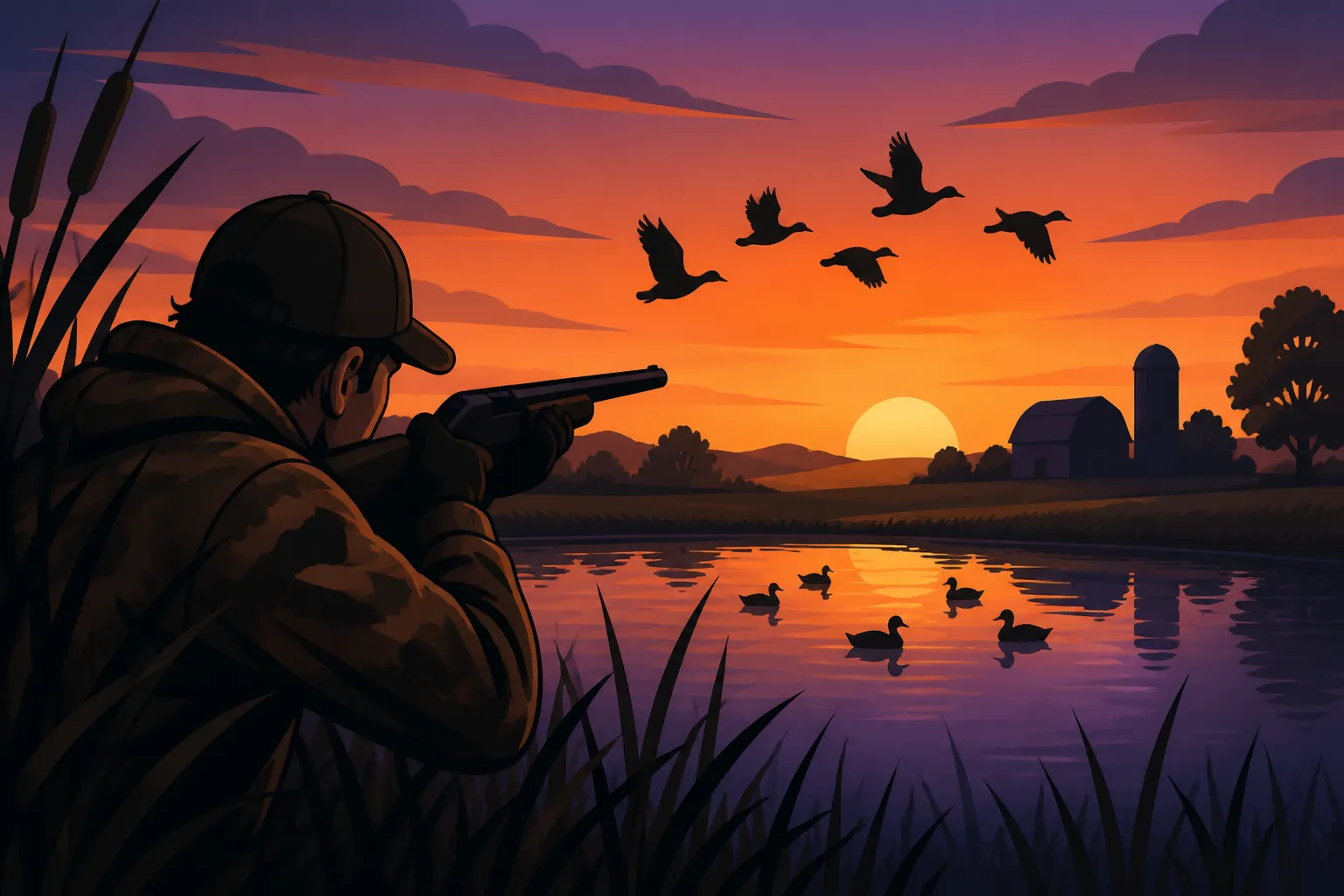
Many hunters mistakenly view small farm ponds in Ontario as little more than stagnant puddles, quickly dismissing them as prime hunting ground. They spend countless hours trekking through vast forests or sitting on large lakes, overlooking these often-hidden gems. Yet, these unassuming bodies of water, particularly as dusk settles, can transform into unexpected hubs of wildlife activity, offering incredible opportunities for the patient and observant hunter. This guide will walk you through unlocking the potential of hunting an Ontario farm pond at dusk, from understanding why they attract game to mastering your setup for success.
The Underrated Magnetism of Ontario Farm Ponds for Hunters
It’s easy to drive by a small farm pond and not give it a second thought, especially when the surrounding landscape is dominated by open fields or thick bush. But for wildlife, these seemingly insignificant water bodies are often vital, acting as life-sustaining oases in areas where other water sources might be scarce or less accessible. This unique appeal makes them surprisingly productive spots for hunting, particularly during those magical transition hours as the sun dips below the horizon.
Water as a Crucial Draw for Wildlife
Think about it: every living creature needs water. In much of Southern Ontario, and even parts of the North, agricultural land can be a dry landscape for many species. Natural wetlands might be few and far between, or simply too large and open to offer concentrated activity. This is where a farm pond shines. Deer, for instance, frequently seek out water before bedding down for the night or after a long day of feeding in nearby fields. They'll come in for a drink, perhaps splash a bit, and move on, often repeating this pattern day after day. Turkeys, too, utilize these ponds not just for drinking, but also for finding damp earth to dust themselves in, which helps manage parasites and feather health. And, of course, waterfowl – ducks and geese – are inherently drawn to water for resting, feeding, and security.
These ponds serve as central hubs in an otherwise uniform environment. Imagine a mosaic of corn, soy, or wheat fields, bordered by small woodlots. A farm pond tucked into a corner of that landscape becomes an indispensable resource. It's a place where multiple game species converge, creating a bottleneck that can work to a hunter's advantage. This convergence intensifies as evening approaches, making dusk an especially potent time for encounters. Hunters who understand the importance of water to game will recognize the hidden value in these unassuming spots.
Natural Cover and Concealment Opportunities
Another often-overlooked aspect of farm ponds is the surprising amount of natural cover they offer. Unlike wide-open fields or dense, uniform forest, the edges of a farm pond are often a riot of diverse vegetation. You'll find thick stands of cattails, towering willows, dense reeds, and sometimes even small clumps of cedars or other evergreens. These features are not just decorative; they are excellent hiding spots for hunters.
These natural elements provide phenomenal concealment, allowing you to blend seamlessly into the environment. You won't need an elaborate blind setup in many cases; simply utilizing a thick clump of willows or a dense patch of cattails can be enough to break up your silhouette and keep you hidden from the sharp eyes of an incoming mallard or a wary whitetail. This natural cover provides a distinct advantage over hunting in open fields, where cover is minimal and elaborate blinds are often necessary. Furthermore, the topography around ponds often includes natural depressions or subtle changes in elevation, which can be further exploited for concealment. When you're planning your approach and setup, these natural hiding spots should be your first consideration, allowing you to remain undetected until the moment of truth.
Decoding the Dusk Activity at Your Chosen Pond
Success at a farm pond hunt, especially at dusk, isn't just about showing up with your gear. It's about understanding the nuances of how wildlife uses that specific water body. Every pond is different, and the game that frequents it will have distinct patterns of movement and behaviour. Dedicated scouting is the cornerstone of a fruitful hunt, allowing you to anticipate activity rather than merely reacting to it.
Pre-Season Scouting and Observation
Before you even think about carrying a firearm or bow to the pond, you need to become a detective. Pre-season scouting is absolutely critical. This means visiting the area frequently, ideally at different times of day, but especially in the late afternoon and early evening, long before hunting season opens. Your goal is silent, discreet observation from a distance. A good pair of binoculars or a spotting scope will be your best friends here. You want to avoid disturbing the area at all costs, as any intrusion can alter natural patterns.
Look for tell-tale signs: fresh tracks in the soft earth at the water's edge, droppings from deer, turkeys, or waterfowl, and well-worn game trails leading to and from the pond. Pay close attention to where these trails originate and terminate. Are they coming from a particular woodlot? Are they crossing a Hunting a Fallow Field Border? Are deer coming from a large block of Hunting a Standing Corn Field Edge? The more you understand these movement corridors, the better you can position yourself. Tools like GoHunt, with its detailed satellite imagery, can be invaluable for pinpointing potential entry and exit points, identifying natural funnels, and understanding the surrounding habitat without setting foot on the property. This intelligence gathering will dramatically increase your odds of being in the right place at the right time when the season arrives.
Interpreting Waterfowl Flight Patterns
If waterfowl are your target, understanding their flight patterns at dusk is paramount. Ducks and geese typically don't just drop out of the sky haphazardly onto a pond. They often have preferred approach corridors, especially as light fades and they become warier. Observe from a distance how birds approach. Do they come in low over a specific tree line? Do they circle a few times before committing to a landing? Are they coming from a specific direction, perhaps from a larger body of water or a nearby feeding field like those mentioned in Hunting Canada Geese on Ontario Farmland?
You'll notice that ducks, particularly mallards and wood ducks, often approach in smaller groups at dusk, looking for a safe, undisturbed resting spot. Geese, on the other hand, might arrive in larger, more vocal flocks, especially if the pond offers a good vantage point for security. Identifying these common flight paths will inform where you set up your blind or position your decoys. It's also worth noting species-specific behaviors; wood ducks, for example, often appear like ghosts at the last minute, zipping into cover, while mallards might be more inclined to circle a few times. Knowing these nuances will allow you to anticipate their arrival and be ready when they commit to the water.
Tracking Deer and Turkey Movement to the Water
Dusk is a prime time for deer and turkeys to visit a farm pond. Deer often move from their daytime bedding areas to feeding grounds, and a quick drink at a pond can be a routine stop along that journey. Look for primary trails that lead directly to the pond's edge. These trails will likely be well-worn, indicating consistent use. Are they fresh? Are there rubs or scrapes nearby, especially during the rut? These signs can tell you a lot about the deer population using the pond.
Turkeys, too, utilize ponds as evening watering holes before heading to their roosts. They'll often feed along the edges, scratch for insects, and take a final drink as the light dims. Look for turkey tracks and dusting bowls (depressions in dry, soft soil where they've ruffled their feathers). Observing their patterns will reveal their preferred approach routes and whether they're coming from a particular woodlot or across an adjacent field. Much like deer, turkeys are creatures of habit, and understanding their routine will give you a significant edge. This strategic thinking, coupled with detailed scouting, applies whether you're at a farm pond or Hunting a Soybean Field at Dusk.
Mastering the Dusk Setup for Optimal Success
Once you've done your homework and understand the general patterns of wildlife around your chosen farm pond, the next crucial step is planning your actual hunt. This involves meticulous attention to detail, from your approach to your exit, ensuring you remain undetected and maximize your opportunities during those precious minutes of fading light.
Selecting Your Hide and Approach Route
Stealth is the golden rule when hunting any farm pond at dusk. Your approach needs to be executed long before the anticipated arrival of game, typically an hour or two before sunset. This gives the area time to settle after your disturbance. When choosing your hide, prioritize natural cover. Look for dense brush, thick stands of cattails, old fence lines overgrown with vines, or even the edge of a standing crop if it's close enough and provides adequate concealment. Remember, the goal is to break up your human silhouette and blend into the environment.
Always consider the wind direction. For deer and turkeys, having the wind in your face is non-negotiable for scent control. Even for waterfowl, a favourable wind can help carry your calls and prevent them from smelling you. Use tools like GoHunt's advanced mapping features to plot your approach route, identifying paths that keep you out of sight and downwind, minimizing the chance of spooking game before you're even set up. The less disturbance you create, the more natural the wildlife activity will be.
Decoy and Calling Strategies for Waterfowl
If you're targeting waterfowl, your decoy and calling strategies at a farm pond might differ significantly from a large marsh or open water. For smaller ponds, a modest spread of a half-dozen to a dozen decoys is often more effective than an overwhelming spread. Too many decoys can look unnatural on a small body of water and actually deter wary birds. A mix of puddle duck decoys (mallards, wood ducks) is usually a safe bet, especially if your scouting has revealed their presence. If the pond is deep enough, a few diver decoys might also be appropriate, but generally, farm ponds attract puddle ducks.
Subtle calling is often best. Instead of aggressive hail calls, opt for soft quacks, contented chuckles, and feeding calls to reassure incoming birds. The goal is to sound inviting and natural, not alarm them. Remember to review Non-Toxic Shot Requirements for Waterfowl as it is mandatory when hunting migratory game birds in Ontario. Positioning your decoys to give birds a clear landing zone within shooting range, typically into the wind, is also key.
Managing Light and Shadows
Dusk offers a very specific and often fleeting window of light, which requires careful planning for your setup. Position yourself so that you have good visibility of the pond and incoming game, but also ensure you are not silhouetted against the lighter sky or the setting sun. Ideally, if the sun is setting, you want it behind you. This puts the glare in the animals' eyes, making it harder for them to spot you, while simultaneously illuminating them for you.
However, as the light fades, shooting becomes more challenging. It's absolutely crucial to only take ethical shots within your comfortable range and in good light. Knowing the legal Ontario Shooting Hours for Big Game is vital; these are strictly enforced and often dictate when your hunt must end. While the low light can be an advantage for concealment, it's also your biggest enemy for target acquisition. Trust your judgment; if you can't clearly identify your target or ensure a clean shot, do not take it. Patience is a virtue, and an ethical hunter always prioritizes a clean harvest over a rushed opportunity.
The Quiet Exit and Post-Shot Protocol
Just as important as your stealthy approach is your quiet exit. Once shooting hours are over, or you've filled your tag, plan your departure carefully. Avoid stomping through the bush or making unnecessary noise, as this can spook game for future hunts. If possible, have an exit route that doesn't pass directly through common game trails or feeding areas. Leaving the area undisturbed helps maintain its appeal for wildlife.
If you've taken a shot, especially on deer, the protocol is crucial. Don't rush in immediately. Give the animal time, particularly in low light. A deer might bed down nearby if not pressured, making retrieval easier. If you hit a waterfowl, mark the spot where it fell precisely. In low light, a downed bird can be incredibly difficult to find. This is where a good retrieving dog can be an absolute game-changer. Consider reading up on Using a Flushing Dog in Thick Bush for more insights into how these loyal companions can aid in retrieval. Always have a reliable flashlight or headlamp ready for tracking and retrieval. Losing game due to poor tracking in the dark is an unfortunate reality for unprepared hunters, and it’s a situation we all want to avoid.
Navigating Regulations and Landowner Relationships for Pond Hunting
Hunting farm ponds in Ontario isn't just about tactics and stealth; it's equally about understanding the legal framework and, perhaps most importantly, fostering good relationships with landowners. Most farm ponds are on private property, making permission an absolute prerequisite for any hunting activity. Overlooking these critical aspects can not only ruin your hunt but also lead to legal trouble and damage the reputation of all hunters.
Securing Landowner Permission is Non-Negotiable
Let's be crystal clear: hunting on private land without explicit permission is trespassing, which is illegal and unethical. The vast majority of farm ponds in Ontario will fall under this category. Therefore, securing landowner permission isn't just a courtesy; it's the foundation of your hunt. This process often starts with a friendly conversation, not just a knock on the door with a gun in hand. Refer to our guide on Knocking on Doors in Southern Ontario for tips on how to approach landowners effectively.
Building rapport is key. Offer to help with chores, respect their property boundaries, and leave no trace. It's not a one-time thing either; you should re-establish permission each season, ensuring they know you're still interested and respectful. Remember that landowners have specific concerns, such as livestock, crops, and personal privacy. Addressing these proactively and demonstrating responsibility will go a long way. Ultimately, a good relationship with a landowner can open up incredible hunting opportunities for years to come, extending far beyond just a single farm pond.
Understanding Local Bylaws and WMU Rules
While provincial hunting regulations provide the overarching framework, it's vital to remember that local bylaws and specific Wildlife Management Unit (WMU) rules can add additional layers of complexity. For instance, you'll need your Ontario Hunting Licences and What They Cost, and appropriate tags for the species you're pursuing. However, some municipalities have specific restrictions on firearm discharge within certain distances of residences or roads, which might impact hunting a pond located close to a farmhouse or a populated area.
Always check the Ontario Hunting Regulations Summary for your specific WMU to confirm season dates, bag limits, and any unique rules for the species you intend to hunt. A fantastic resource for this is Reading an Ontario WMU Map Before You Go, which can help you understand the boundaries and regulations for your area. For waterfowl hunters, knowing the precise Duck Daily Bag Limit by Species is non-negotiable, and these limits can vary. Never assume; always verify. Being well-informed protects you from accidental violations and ensures you're hunting legally and responsibly.
Ethical Hunting and Responsible Retrieval
Ethical hunting goes beyond simply following the rules; it's about making responsible choices in the field. At dusk, when light is fading, it's easy to push the limits of visibility and range. However, an ethical hunter only takes shots that are clean and ensure a quick, humane harvest. If you have any doubt about target identification or the ability to make an ethical shot, hold off. There will always be another opportunity.
Part of ethical hunting also includes responsible retrieval. As discussed earlier, tracking in low light can be challenging, but it's your responsibility to recover any animal you shoot. This means giving a wounded animal time, meticulously tracking blood trails, and being prepared with proper lighting and equipment. After a successful harvest, especially in early fall, meat care is paramount. Knowing how to properly field dress and care for your game, as detailed in guides like Meat Care in Ontario's Warm Early Seasons, ensures the meat doesn't spoil and honours the animal. Leave the area cleaner than you found it, pack out all spent casings, and respect the land. Your actions reflect on all hunters, so make them count positively.
Wildlife Species Commonly Found at Ontario Farm Ponds at Dusk
To help you visualize the potential of these unique hunting grounds, here’s a quick overview of what you might encounter at an Ontario farm pond as the day fades into night.
| Species | Typical Dusk Activity at a Pond | Key Scouting Signs | Hunting Considerations |
|---|---|---|---|
| White-tailed Deer | Coming to drink before moving to feed in fields or bedding for the night. | Well-worn trails leading to water, fresh tracks, droppings, rubs/scrapes nearby. | Set up downwind, utilize natural cover. Be patient, as deer might approach slowly and cautiously. Focus on trails rather than the open water's edge. |
| Wild Turkey | Drinking and dusting before heading to roost for the night. | Tracks at water's edge, dusting bowls in dry soil, droppings. | Turkeys are visually keen; use excellent concealment. Calling can be effective if done subtly to mimic contented flock sounds. Focus on the approach routes. |
| Ducks (Mallards, Wood Ducks, Teal) | Landing for a final feed or to roost for the night, especially in smaller, sheltered ponds. | Flight patterns observed at dusk, droppings at the water's edge. | Utilize natural blinds, small decoy spreads (6-12), subtle calling. Ensure non-toxic shot. Position for clear shooting lanes. |
| Geese (Canada Geese) | Often landing in larger, open ponds to rest for the night after feeding in nearby fields. | Large droppings, strong flight paths, loud honking. | Larger decoys might be effective on larger ponds. Calling is essential for drawing them in. Good concealment is vital as geese have excellent eyesight. Getting Permission for a Goose Field that includes the pond is often beneficial. |
| Coyote/Fox | May visit for water, especially in dry periods, or to hunt other small game attracted to the pond. | Tracks, scat, occasional howls or barks. | While not typically target species for pond hunting, be aware of their presence. If you hear calling, you might be able to try Calling Coyotes at First Light in a nearby field. |
Final Thoughts on Farm Pond Hunting
Hunting an Ontario farm pond at dusk truly offers a unique and rewarding experience. It's a chance to connect with nature in a more intimate way, observing the subtle shifts in wildlife behaviour as day turns to night. The key to success lies in respect – respect for the land, for the landowner, for the game, and for the regulations that govern our hunting heritage. By putting in the effort to scout, plan, and execute your hunt ethically and responsibly, these small, often-overlooked bodies of water can become some of your most cherished and productive hunting spots. It's a reminder that sometimes, the best hunting opportunities are found not in the most remote wilderness, but right under our noses, in the quiet corners of agricultural Ontario.
Disclaimer
The information provided in this guide is for general informational purposes only and does not constitute legal advice. Hunting regulations in Ontario are subject to change and vary by Wildlife Management Unit (WMU). It is the hunter's sole responsibility to consult the most current Ontario Hunting Regulations Summary provided by the Ministry of Natural Resources and Forestry (MNRF) and all applicable federal, provincial, and local laws before engaging in any hunting activities. Always obtain explicit landowner permission before hunting on private property. Failure to do so can result in significant penalties. Hunt safely and ethically.