Hanging Meat in Fall Temperature Swings
There's nothing quite like the thrill of a successful hunt in Ontario's beautiful fall, but the joy can quickly turn to anxiety when you start thinking about meat care. Those crisp autumn days can fool you, with temperatures swinging wildly from surprisingly warm afternoons to frosty nights. This guide is all about navigating those tricky temperature shifts to ensure your hard-earned harvest is perfectly preserved, giving you confidence in the quality of your game meat.
The Unique Challenges of Ontario's Fall Temperatures
Hunting in Ontario during the fall is an incredible experience, but it comes with its own set of logistical challenges, especially when it comes to game meat preservation. We're not talking about predictable, steady cold here. The reality is far more dynamic, and understanding these fluctuations is key to safeguarding your harvest.
Understanding the Temperature Rollercoaster
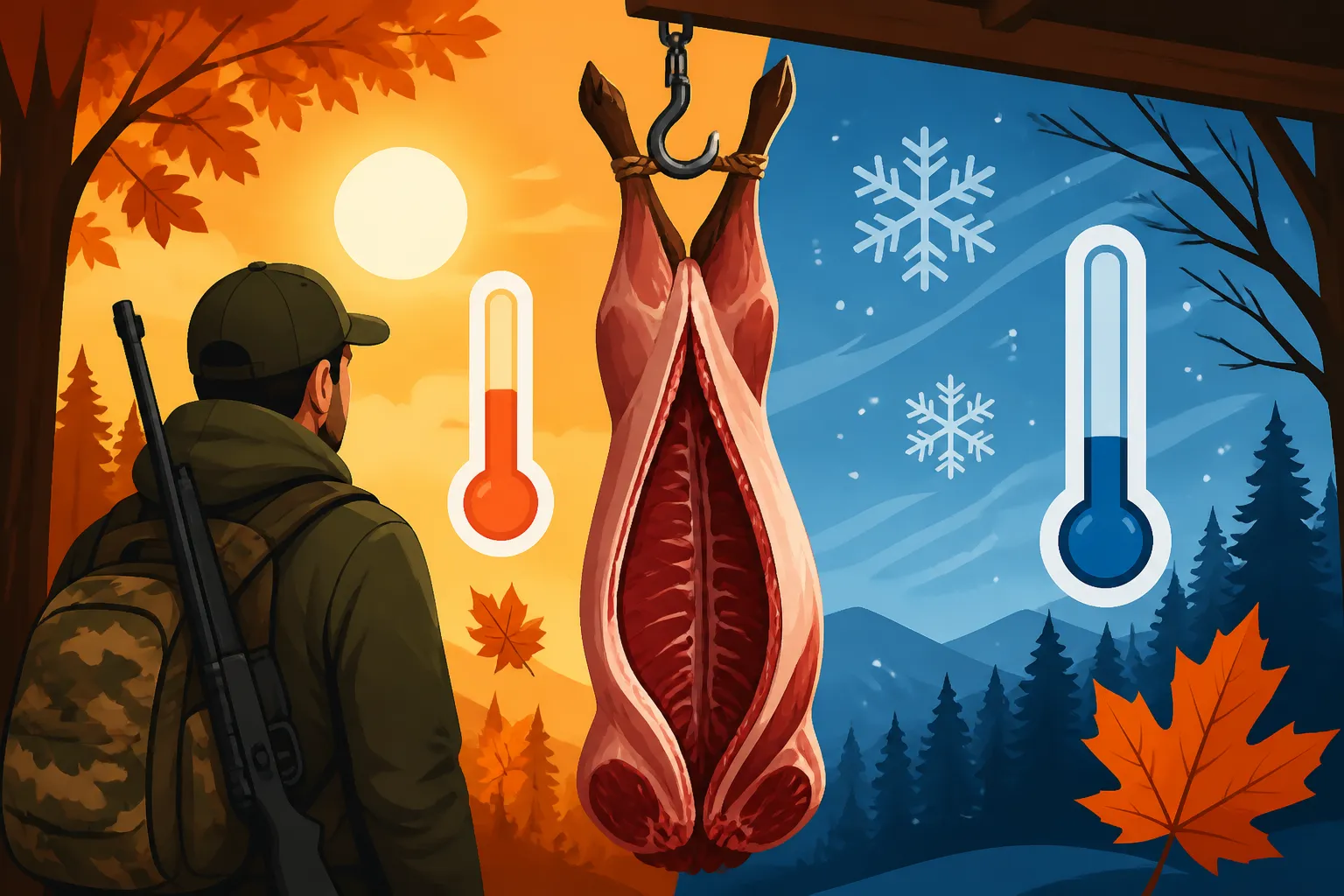
Anyone who spends time outdoors in Ontario during September, October, and even early November knows exactly what I'm talking about: the weather can be a real tease. You might wake up to a biting chill, layering up for the morning hunt, only to be stripping off jackets by noon as the sun beats down. Then, just as quickly, the mercury plummets again as dusk settles. It's a true temperature rollercoaster. This isn't just about your personal comfort; these rapid and often significant swings create a prime environment for bacterial growth if not managed correctly. What might seem like a cool day in the bush could still be warm enough to cause problems if the internal temperature of your game isn't brought down fast and kept stable. This is a common frustration, especially when you're far from refrigeration.
Imagine you're hunting in Southern Ontario farmland, where the days can still hover around 15-20°C in early fall, even if the nights dip close to freezing. Or perhaps you're further north, pursuing Moose in Ontario's Boreal Forest, and a string of unseasonably warm days rolls in. These scenarios are exactly why a proactive approach to meat care is absolutely critical. We can't always rely on consistent cold weather to do the work for us, especially in an unpredictable Ontario fall.
Why Proper Cooling is Non-Negotiable
When you harvest an animal, its internal temperature is roughly equivalent to its body temperature, which is much too warm for safe meat storage. The goal is to rapidly cool that meat down to below 4°C (about 39°F) as quickly as possible. This magical 4°C mark is critical because it significantly slows down the growth of spoilage bacteria. Anything above that, especially in the 5°C to 60°C (40°F to 140°F) range, is often called the "danger zone," where bacteria multiply rapidly, potentially ruining your meat.
The consequences of inadequate cooling are heartbreaking. You risk "sour meat," which often happens when the deep muscle tissues don't cool quickly enough, especially in thicker areas like the hindquarters. This can lead to an off-flavour and smell, and in severe cases, the meat can become completely unpalatable and unsafe. We've all heard stories, or perhaps even experienced it ourselves, of losing a portion of a valuable animal to spoilage because the weather just didn't cooperate. It’s a gut-wrenching feeling, knowing all that effort went to waste. That's why getting the core temperature down and maintaining it is your number one priority after the shot. It's not just about flavour; it's about food safety and respecting the animal you harvested.
Essential Pre-Hanging Steps for Optimal Meat Quality
Before you even think about hanging your game, there are crucial steps you need to take immediately after a successful harvest. These initial actions are the foundation of good meat care and will significantly impact the final quality of your venison or other game meat.
Field Dressing: Your First Line of Defense
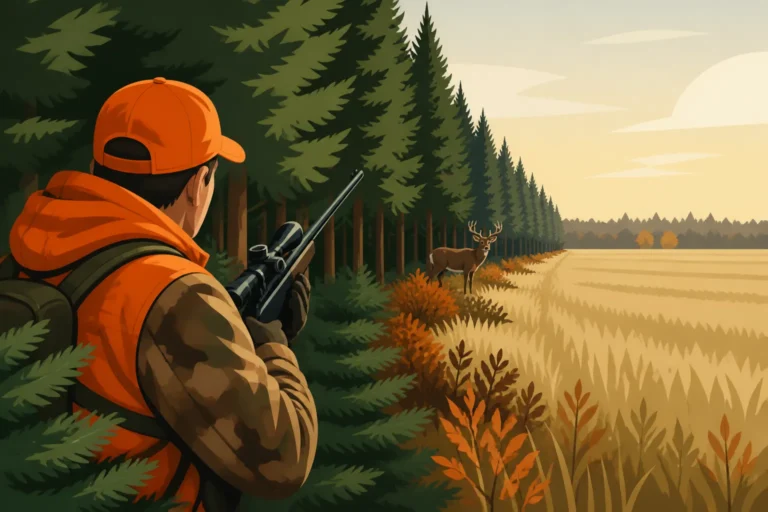
Field dressing isn't just a chore; it's arguably the most important step in preventing spoilage, especially when dealing with those unpredictable fall temperature swings. The moment an animal is down, you need to get to work. Your primary goal is to remove all internal organs quickly and cleanly. This immediately reduces the internal body heat, removes sources of bacteria, and allows the body cavity to start cooling from the inside out. Don't be shy; open up that cavity fully. For something like a White-Tailed Deer Across Ontario, this means making a long, clean cut from the breastbone to the pelvis. For larger animals like moose, it's even more crucial due to their sheer mass.
Be meticulous. Remove anything that's been hit by the shot, any bloodshot meat, and wipe out as much blood as you can with clean cloths or paper towels. Some hunters will even rinse the cavity with clean water if available, though you must ensure it can fully drain and dry quickly to avoid introducing more moisture that could encourage bacterial growth. Once the cavity is empty, prop it open with sticks or use a gambrel to ensure maximum airflow. This initial step can make or break the quality of your meat, particularly when the ambient temperature is on the warmer side.
The Importance of Airflow and Transport
After field dressing, the next challenge is getting your animal out of the bush and ensuring it doesn't reheat during transport. Trapping heat is your enemy here. Never, ever pile a freshly field-dressed animal into the back of a truck, trailer, or ATV and cover it with a tarp or blanket, especially if the weather is still mild. This effectively insulates the carcass, undoing all your hard work of field dressing and inviting spoilage. You're just creating an oven.
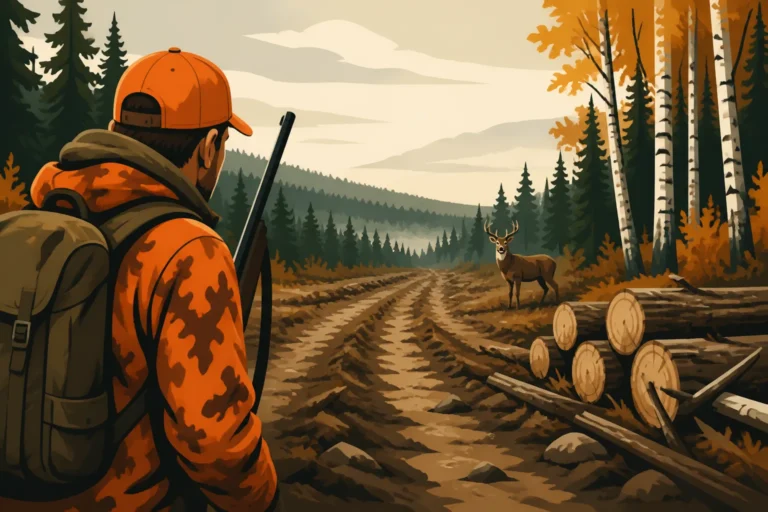
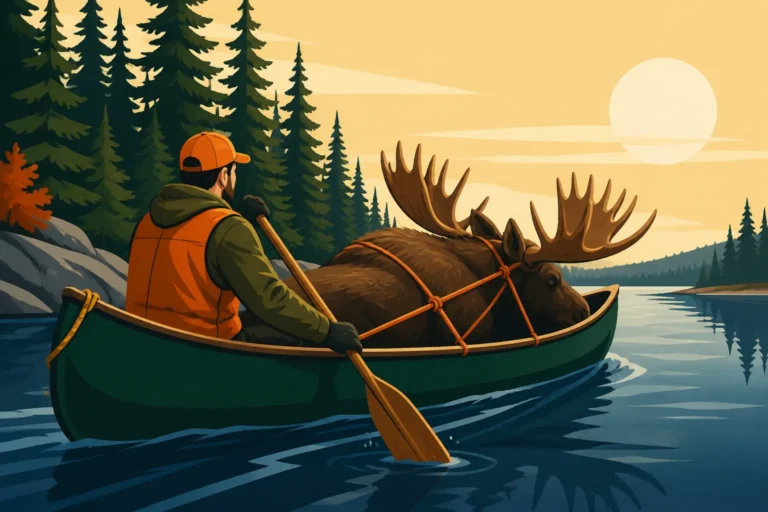
Instead, prioritize airflow. If you're using an ATV or truck, try to elevate the animal slightly, perhaps on logs or a rack, to allow air to circulate all around it. Don't let it sit flat on a hot truck bed. If you have a long drive back to camp or home, consider making frequent stops to check on the carcass. Many savvy Ontario hunters, especially when pursuing White-Tailed Deer Across Ontario in the warmer early archery season, swear by high-quality game bags. Brands like GoHunt offer excellent breathable game bags that protect the meat from flies, dirt, and debris while still allowing vital airflow. These bags are a game-changer because they prevent the meat from forming an insulating crust while still letting it breathe. For a larger animal, like a moose, quartering it in the field into game bags can be essential to both transport and rapid cooling. You'll thank yourself for this extra effort when you're enjoying perfectly preserved game.
Strategies for Hanging Meat in Fluctuating Conditions
Once your game is field-dressed and out of the bush, the real dance with Ontario's fall temperatures begins. The goal is consistent cooling, despite the weather's best efforts to challenge you. This is where strategic hanging comes into play.
Choosing the Right Location for Your Hanging Site
The success of hanging your meat largely depends on where you hang it. You need a location that offers specific conditions to facilitate proper cooling and protection. First and foremost, think shade. Direct sunlight, even on a cool day, can quickly warm the outer layers of your meat, creating a crust that inhibits further cooling and can lead to spoilage underneath. A north-facing wall, a dense stand of pines, or the deep shade of a barn or shed are ideal.
Secondly, you need good air circulation, but not extreme wind. A gentle breeze helps to dry the surface of the meat, creating a protective pellicle (a dry outer layer) that helps prevent bacterial growth and deters flies. However, strong, dry winds can cause excessive drying, leading to freezer burn or a tough, leathery exterior that you'll have to trim away later, reducing your usable meat. Somewhere like an open-sided shed or a carport can be perfect, offering protection from rain while allowing air movement. If you're out in the wilderness after a successful Moose Hunting Ontario's Northern Bush trip, hanging quarters from sturdy trees in a shady, airy spot away from camp is often the best you can do.
Finally, consider protection from scavengers. Coyotes, bears (especially during fall bear season), and even domestic dogs can be drawn to hanging meat. If you're at home, a locked shed or garage is best. In the bush, elevating the meat high enough or surrounding it with temporary barriers might be necessary. This combination of shade, appropriate airflow, and security is paramount to a successful hang.
Utilizing Night Chilling and Day Protection
This is where you truly outsmart the fluctuating fall temperatures. The key is to leverage the cold nights and mitigate the warm days.
Exploiting the Night: As soon as the sun sets and temperatures drop, expose your game to the cold night air as much as possible. If it's in a shed, open the doors wide. If it's outside, ensure it's not covered excessively. Let those low overnight temperatures work for you, rapidly bringing down the core temperature of the meat. This is often when the most significant cooling occurs.
Protecting During the Day: When the sun rises and temperatures start to climb, you need to take action. If your meat is in a shed, close the doors and windows to trap the cool air inside. If it's hanging outside, consider covering it with breathable material like a couple of old cotton sheets or more of those excellent GoHunt breathable game bags. These will shield the meat from direct sun and warm air while still allowing some air exchange to prevent condensation. Avoid plastic tarps unless absolutely necessary for rain protection, and even then, ensure ample ventilation underneath. If you're in a situation where daytime temperatures are persistently above 10-12°C (50-54°F), you might need to improvise. Placing frozen milk jugs or bags of ice inside the body cavity (making sure the water can drain and doesn't sit against the meat) can help to actively cool it during warm periods.
Here's a quick guide to managing your meat in different fall temperature scenarios:
| Temperature Range (Day/Night) | Strategy | Notes |
|---|---|---|
| Warm (15°C+ / 5°C) | Maximize night exposure; tightly close/insulate during the day. Consider ice packs. | Critical to cool rapidly. Process within 1-2 days if internal temperature can't reach below 4°C. Good for a quick hang before a butcher. |
| Moderate (10°C / 0°C) | Good airflow at night; shade/cover during the day. | Ideal for a short aging period (2-3 days). Monitor closely, especially if daytime temps rise unexpectedly. |
| Cool (5°C / -5°C) | Consistent airflow; minimal covering needed unless heavy rain/wind. | Excellent conditions for aging. Can hang for 5-7 days or more depending on animal size and exact temperature stability. |
| Cold (0°C / -10°C) | Keep meat from freezing solid too quickly (can inhibit aging). | Ensure good airflow. Meat will chill fast. If frozen, thawing for processing takes time. This is often the prime time for Hunting Ontario's November Gun Season. |
Monitoring and Adjusting for Success
You wouldn't bake a cake without checking its internal temperature, and you shouldn't rely on guesswork for your game meat either. A reliable meat thermometer is your best friend here. Insert it deep into the thickest part of the hindquarter or shoulder, away from bone, to get an accurate reading of the core temperature. Your goal is to get that reading to 4°C (39°F) or lower, and keep it there.
Check the temperature multiple times a day, especially during those unpredictable swings. If you notice the internal temperature creeping up, it's a clear signal to adjust your strategy – open doors wider at night, add more shade, or consider ice. Beyond temperature, pay attention to the meat itself. The surface should be dry and forming that protective pellicle. It shouldn't feel slimy or have any unusual odours. While a slight gamey smell is normal, any pungent or sour smell is a red flag. Discolouration, especially green or grey spots, is also a sign of spoilage. Don't risk it if you see these signs.
Knowing when to process your meat is also part of this monitoring. For whitetails, 3-7 days of hanging in proper conditions is often ideal for tenderization. For moose, due to their size, longer periods up to 10-14 days can be beneficial if conditions are perfect and stable. However, if those fall temperatures just aren't cooperating and you can't maintain the ideal chilling, it's always better to process earlier than risk spoilage. You can always age meat further in a controlled refrigerator after it's cut and wrapped if you really want to.
Long-Term Storage and Processing Considerations
Once you've successfully navigated the fluctuating fall temperatures and your meat has been properly chilled and perhaps aged, the final steps of processing and long-term storage are critical to enjoying your harvest year-round.
When to Process Your Meat
The decision of when to process your game meat is a balance between achieving optimal tenderization through aging and preventing spoilage, especially in those unpredictable fall conditions. For many hunters, especially with a White-Tailed Deer Across Ontario, a hang time of 3 to 7 days is considered the sweet spot. During this period, natural enzymes in the meat begin to break down connective tissues, leading to a more tender and flavourful product. However, this aging process must occur at a consistent temperature of around 1-4°C (34-39°F) and with good air circulation.
If you've been diligently monitoring your meat with a thermometer and the internal temperature has consistently stayed within that ideal range, you can confidently let it hang for a few days. For larger animals like a moose, if you have the facilities to maintain that consistent cool temperature, a longer hang of 7 to 14 days can result in incredible tenderness. However, if the weather has been a battle, with warm days constantly pushing the internal temperature up, it's always safer to cut your losses and process the meat sooner rather than later. Don't push your luck. A shorter hang with properly cooled meat is far superior to a spoiled, longer-aged carcass. Once the meat feels firm, has a dry pellicle, and maintains a consistent, safe internal temperature, it's ready for the butcher block.
Alternative Cooling Methods and Backup Plans
Sometimes, despite your best efforts, Ontario's fall weather just refuses to cooperate. Perhaps an unexpected warm front settles in for days, or you're hunting in a remote area where maintaining a consistent cool hang is impossible. This is when backup plans become invaluable.
If you're facing persistently warm temperatures that threaten your hanging meat, immediately consider breaking down the animal into smaller pieces that can fit into large coolers. Pack these coolers with plenty of ice, ensuring the meat is completely surrounded and any meltwater can drain away. You can find robust coolers from brands like GoHunt, designed to keep contents cold for extended periods. This is a common and effective strategy for Meat Care in Ontario's Warm Early Seasons or when you've harvested an animal a long way from home.
Another excellent backup plan, especially for larger game like moose, is to have a professional butcher or processing facility lined up. Many operations in Ontario have walk-in coolers and can handle your animal, taking the guesswork out of temperature control. It might cost a bit more, but it's often worth the peace of mind. Some hunters even invest in or rent refrigerated trailers for their hunting camps during extended trips in the north. Having a contact for a nearby butcher or a cooler full of ice ready to go can save your harvest when the weather turns against you.
Transporting Game Meat in Ontario and Beyond
Once your meat is processed, whether it's wrapped and frozen or simply broken down into manageable cuts, you still need to ensure safe transport. When you're ready for Transporting Game Meat in Ontario, especially on a long drive from a northern camp back to a southern home, maintaining a cold chain is crucial. Use high-quality coolers filled with ice or dry ice to keep frozen meat frozen and fresh meat chilled.
Ensure your coolers are secure in your vehicle. For extended trips, consider topping up ice at gas stations along the way. If you're a non-resident hunter, be mindful of specific regulations for taking meat across the border, including any required permits. Always double-check the latest rules from the Canadian Food Inspection Agency (CFIA) and your home country's customs agency. Proper planning for transport, just like proper planning for the hang, ensures that the delicious, hard-earned game meat makes it safely to your table.
Disclaimer
The information provided in this guide is for general informational purposes only and is not intended as a substitute for professional advice. Always consult official Ontario hunting regulations and guidelines for the most accurate and up-to-date information. Adherence to all local, provincial, and federal laws and regulations is the responsibility of the hunter. Meat care practices should always prioritize food safety.