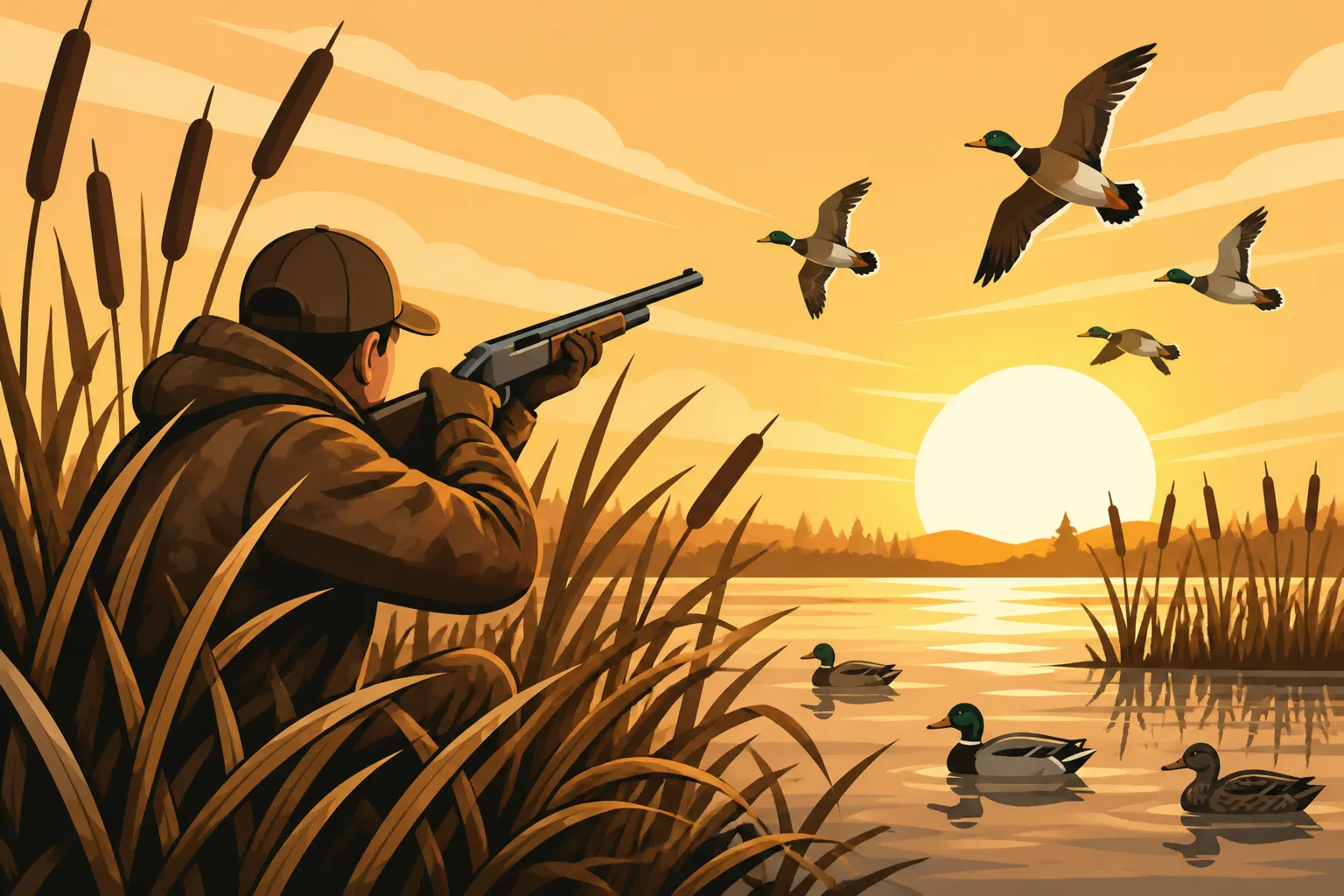
Hunting Ducks in an Ontario Cattail Marsh
There's nothing quite like the allure of an Ontario cattail marsh for duck hunting, but let's be honest, it can feel like trying to find a needle in a haystack – a wet, muddy, and mosquito-infested haystack. Navigating these dense, watery labyrinths to find those elusive pockets where ducks rest and feed is a common struggle for many waterfowlers. This guide is here to walk you through the ins and outs of successfully hunting ducks in an Ontario cattail marsh, making your next outing more productive and less frustrating, no matter how daunting the thick vegetation seems.
The Unique Appeal and Challenges of Ontario's Cattail Marshes for Duck Hunting
Ontario's vast landscape offers an incredible array of habitats for waterfowl, and amongst the most productive, yet often most challenging, are its cattail marshes. These wetlands are absolute magnets for ducks, providing everything they need from season to season. It's easy to see why they flock here, but understanding the specific dynamics can drastically improve your hunt.
Ducks, particularly dabblers like Mallards, Teal, and Wood Ducks, absolutely thrive in cattail marshes. These dense stands of vegetation offer unparalleled cover from predators, strong winds, and human disturbance. Imagine being a duck; those towering cattails are like a fortress. They also provide abundant food sources. From the seeds of the cattails themselves to various aquatic insects, invertebrates, and tubers, these marshes are a veritable grocery store for migrating and resident birds. When the duck season opens, these areas become critical staging grounds, resting spots, and feeding locations, especially during the fall migration as birds move south along Ontario's Ducks and Geese by Flyway.
Across Ontario, you'll encounter different types of cattail marshes. Along the edges of the Great Lakes, such as Lake St. Clair or Lake Erie, you'll find expansive marshes that are heavily influenced by fluctuating water levels and proximity to large bodies of water. These can hold massive numbers of birds but are also exposed to more pressure. Inland, you'll find smaller, often shallower marshes nestled within farmland or larger forest tracts, which might be less pressured but can be harder to access. River deltas and floodplains, like those along the Ottawa River or other major tributaries, also create extensive cattail habitats, constantly replenished by nutrient-rich waters. Each type presents its own unique set of conditions, from current to depth, impacting how ducks use them and how you can effectively hunt them.
However, the very density that makes cattail marshes so attractive to ducks also presents significant hurdles for hunters. Navigation can be a nightmare. Dense stands create a maze, making it easy to get turned around, especially in low light conditions. The bottom can be incredibly soft and muddy, making wading treacherous and boat travel difficult or even impossible in certain areas. Retrieving downed birds is another major frustration; a duck falling into a thick patch of cattails can vanish as if by magic, leading to lost birds and considerable effort to recover them. Then there are the environmental factors – thick mud, potential for rapid weather changes, and the ever-present population of mosquitoes and other biting insects, particularly in the earlier parts of the season. It’s enough to make even seasoned hunters consider giving up, but with the right approach, these challenges are absolutely surmountable.
Essential Gear and Strategic Preparation for Marsh Success
Successfully hunting ducks in an Ontario cattail marsh isn't just about showing up with a shotgun; it requires thoughtful preparation and specialized gear. Knowing what to bring and how to prepare can mean the difference between a memorable hunt and a miserable slog.
First off, let's talk about the non-negotiable items. Good quality waders are paramount. Chest waders, preferably insulated for colder weather, are a must. They need to be durable enough to withstand pushing through thorny brush and deep mud. When it comes to a boat, a shallow-draft canoe, kayak, or a specialized marsh boat with a mud motor is often ideal. Traditional aluminum boats with outboards can get stuck easily in the shallower, muddier areas. You'll need decoys, but not necessarily a huge spread. Six to twelve realistic duck decoys, predominantly dabblers, are often sufficient for marsh hunting. A good mix of Mallards, Pintails, and maybe some Teal can be very effective. Crucially, don't forget your calls. A versatile mallard call is essential, but adding a pintail whistle or a teal call can round out your repertoire. Beyond that, a reliable shotgun and plenty of Non-Toxic Shot Requirements for Waterfowl are critical, as lead shot is illegal for waterfowl. A waterproof bag for your essentials, snacks, water, and an emergency kit are also highly recommended.
Scouting is where your hunt truly begins, long before you even step foot in the marsh on opening day. This is where tools like GoHunt become invaluable. Using satellite imagery, you can identify open pockets within the cattails, potential travel corridors, and areas with different vegetation that might hold more food. Pay close attention to water levels, which can change drastically throughout the season due to rainfall or lake levels. During your scouting trips, look for natural breaks in the cattails, small stretches of open water, or "ponds" that ducks might be using. Observe entry and exit points for birds – are they flying over a specific tree line, or hugging a particular edge? Early morning or late evening observations can reveal flight paths and preferred feeding areas. Don't be afraid to put in the leg work, or paddle strokes, to find these honey holes. Even a quick reconnaissance trip the day before your hunt using GoHunt to mark waypoints can save you hours of aimless searching.
Understanding the legalities is just as important as your gear. Before heading out, ensure you have your Ontario Outdoors Card, a valid hunting licence, and a Federal Migratory Game Bird Permit. Always check the current regulations for the specific Wildlife Management Unit (WMU) you plan to hunt, as season dates and Duck Daily Bag Limit by Species can vary. Remember that federal regulations, such as those governing migratory birds, often supersede provincial rules when it comes to species-specific limits and methods. Keeping yourself informed prevents unwanted surprises and ensures a legal and ethical hunt.
Tactical Approaches for Hunting Ducks in Thick Cattails
Once you've done your homework and gathered your gear, it's time to put those plans into action. Hunting ducks in a dense cattail marsh requires specific tactics that differ significantly from open water or field hunting. Success hinges on strategic setup, effective calling, and impeccable concealment.
Setting up your decoy spread in a cattail marsh isn't about numbers; it's about placement. Instead of a sprawling spread, you're usually working with limited open water, often small pockets or narrow channels. The goal is to create a realistic, inviting landing zone. Position your decoys upwind of your shooting position, facing into the wind as real ducks would. Leave a clear "landing strip" directly in front of you. Often, a tight cluster of 6-12 decoys looks most natural in these smaller openings. If there's a slight current, set them up to drift naturally. Consider placing a few decoys on the very edge of the cattails, as if they're just getting ready to move into the thick stuff, making the scene even more convincing. Remember, ducks in marshes are often looking for sanctuary, so a calm, confident-looking spread is key.
Calling strategies in a marsh also differ. While aggressive calling might work in open fields to pull birds from a distance, marsh ducks are often closer and looking for reassurance. Soft, contented quacks, feeding chuckles, and short greeting calls are usually more effective. You want to sound like a happy, relaxed flock. Overcalling can actually spook birds that are already wary. Listen intently to the marsh; sometimes, simply mimicking the calls you hear from real birds is the best strategy. If you see a flock approaching, start with a subtle greeting call, and if they respond, switch to softer, contented feeding calls as they get closer. Don't be afraid to try a pintail whistle or teal calls if those species are present; a diverse sound can be very enticing.
Concealment is absolutely paramount. In a cattail marsh, you don't just need to be hidden; you need to disappear. Natural blinds made from cut cattails are often the most effective. Blend your boat, if you're hunting from one, directly into the existing vegetation. Wear camouflage that matches the drab, earthy tones of dried cattails and mud. A simple layout blind or even just sitting low in your boat, covered with a camo net and natural vegetation, can work wonders. The key is to break up your outline and ensure there's no movement that could give you away. Ducks have incredible eyesight, and any unnatural shape or motion will send them flaring. Before the hunt, mentally scan your setup from a duck's perspective – are there any glints, dark spots, or unusual shapes?
Finally, consider the two primary hunting methods: decoying and jump shooting. Decoying, as described above, involves setting up a spread and calling birds in. This is often the preferred method for getting cleaner shots and interacting with birds. However, jump shooting can be very effective in marshes, especially if you're exploring new areas or birds aren't responding to calls. This involves slowly and quietly paddling or wading through the cattails, surprising ducks as they flush. It's exhilarating but requires quick reflexes and safe gun handling. For this, having a detailed map on GoHunt with marked channels and open pockets can be a game-changer, helping you navigate silently and position yourself for optimal flushing opportunities. When Hunting a Willow Ring Around a Wetland or Hunting a Beaver Flowage in the Bush, jump shooting can be particularly productive.
Overcoming Obstacles and Ensuring a Responsible Hunt
Even with the best preparation and tactics, hunting Ontario's cattail marshes will inevitably present challenges. Knowing how to mitigate these, combined with a commitment to responsible hunting practices, ensures a safer and more enjoyable experience for everyone.
Navigating dense cover and retrieving downed birds are two of the biggest hurdles. To navigate, stick to the channels you identified during scouting with GoHunt. Use a paddle or push pole to move quietly. If you’re wading, move slowly, testing the bottom ahead of you with your feet or a stick to avoid unexpected deep spots or soft mud that can suck you in. When a bird goes down, mark its fall immediately and precisely. If you have a dog, this is where a well-trained retriever truly shines. Without one, the instant you shoot, lock your eyes on where the bird landed. Paddle or wade directly to that spot as quickly and safely as possible. Don’t assume it will be easy to find; a duck can seemingly vanish into a few feet of cattails. If hunting with a partner, one person should continue to watch the fall while the other moves to retrieve. Always retrieve all downed birds; wasting game is unethical and illegal.
Weather changes can occur rapidly in Ontario, especially near large bodies of water. A calm morning can turn into a blustery, cold, and wet afternoon. Always check the forecast, but be prepared for anything. Dress in layers, prioritizing waterproof and windproof outerwear. Cold water safety is paramount. If you're using a boat, wear a PFD (Personal Flotation Device) and ensure it's easily accessible. Falling into cold marsh water is a serious hazard and can quickly lead to hypothermia. Carrying extra dry clothes in a waterproof bag is a smart move.
After a successful hunt, proper post-harvest care is crucial. Field dress your ducks as soon as possible, especially in warmer early season conditions. This involves gutting the birds to cool the meat quickly, which is essential for quality. Transport them in a cooler with ice, ensuring they remain cool until you can fully process them at home. Follow all regulations regarding evidence of sex or species if required for specific bag limits. A clean, responsible hunter also leaves no trace. Pack out everything you packed in, including spent shotgun shells, empty calls, and any trash. Leave the marsh cleaner than you found it.
Finally, remember the importance of conservation. Cattail marshes are vital wetlands that support countless species beyond just ducks. By respecting the environment, adhering to regulations, and practicing ethical hunting, you contribute to the health of these ecosystems and ensure that future generations can enjoy the incredible experience of Waterfowl Hunting Across Ontario. Participating in programs like Ducks Unlimited Canada or other conservation initiatives also helps protect these invaluable habitats for all.
| Common Marsh Duck Species in Ontario | Preferred Habitat Features | Common Calls | Hunting Tips |
|---|---|---|---|
| Mallard | Dense cattails, shallow open water, access to grain fields | "Quack" series (greeting, feeding) | Highly responsive to decoys and calls; good for jump shooting |
| Wood Duck | Wooded marshes, beaver ponds, flooded timber | High-pitched "wheet-wheet" whistle | Often found in shaded, quieter corners; can be jump-shot easily |
| Green-winged Teal | Shallow water, muddy edges, smaller pockets | Short, high-pitched "peep" (drakes), soft "quack" (hens) | Very fast flyers; small decoys effective; respond well to whistles |
| Blue-winged Teal | Open shallow water, mud flats, emergent vegetation | High-pitched "squeak" (drakes), soft "quack" (hens) | Early season birds; often travel in large flocks; less responsive to calls |
| Northern Pintail | Larger open marsh areas, shallow water | Soft, raspy "quack" (hens), whistle (drakes) | Wary birds; often prefer quiet, undisturbed areas; subtle calling works best |
Disclaimer
The information provided in this guide is for general informational purposes only and is not intended as legal advice. Hunting regulations in Ontario can change frequently, and it is the hunter's responsibility to consult the official Ontario Hunting Regulations Summary, relevant federal regulations, and local bylaws before engaging in any hunting activities. Always prioritize safety and ethical hunting practices.