Hunting Whitetails on Ontario Crown Land
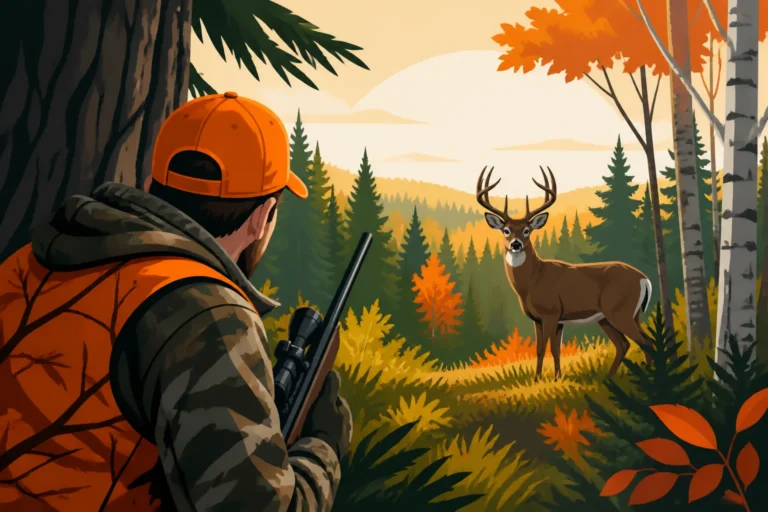
Finding good whitetail hunting spots in Ontario can feel like an impossible task, especially when you don't have access to private land. The vastness of Ontario's Crown land can be intimidating, leading many hunters to wonder if it's even worth the effort for deer. This guide is here to break down the reality of hunting whitetails on Ontario Crown land, offering practical strategies to help you navigate its unique challenges and find success in the big woods.
Understanding Ontario's Crown Land for Whitetails
Let's be real, Crown land isn't always the easiest place to chase whitetails. Unlike the productive farmlands of Southern Ontario, where deer often thrive on abundant agricultural crops, much of the province's Crown land is vast, untamed forest, sometimes less hospitable to large deer populations. It's easy to feel overwhelmed by the sheer scale of it all, wondering where to even begin in a sea of trees that often stretches for miles and miles. But don't let that discourage you. While it presents different challenges, Crown land offers incredible opportunities for solitude and the chance to harvest a truly wild deer that has never seen a feeder or a food plot. You'll often find yourself truly immersed in nature, far from the hustle and bustle, which is a big part of the appeal for many of us.
The reality is that whitetail populations on Crown land can be cyclical, heavily influenced by winter severity, predation, and habitat changes like logging or wildfires. Areas that held good numbers one year might be sparse the next. This means your approach has to be more adaptive, more rooted in understanding the dynamic ecosystem rather than just setting up over a consistent food source. You're hunting pockets of deer, areas where the habitat aligns just right to provide food, cover, and security. These pockets might be smaller and more spread out than on private land, but they are there, and finding them is a key part of the Crown land whitetail hunter's journey. It's about figuring out where deer yard up in deep snow or how they use a cedar swamp edge when the weather turns nasty.
Pre-Season Scouting: Unlocking the Big Woods
Success on Crown land for whitetails hinges on thorough scouting, both before the season even opens and once you're on the ground. You can't just drive up and expect to stumble into deer; the scale is too immense for that. You need a plan, and that plan starts at home. Think of it as a chess match against a wilderness that doesn't care if you succeed or fail.
Digital Reconnaissance and Map Work
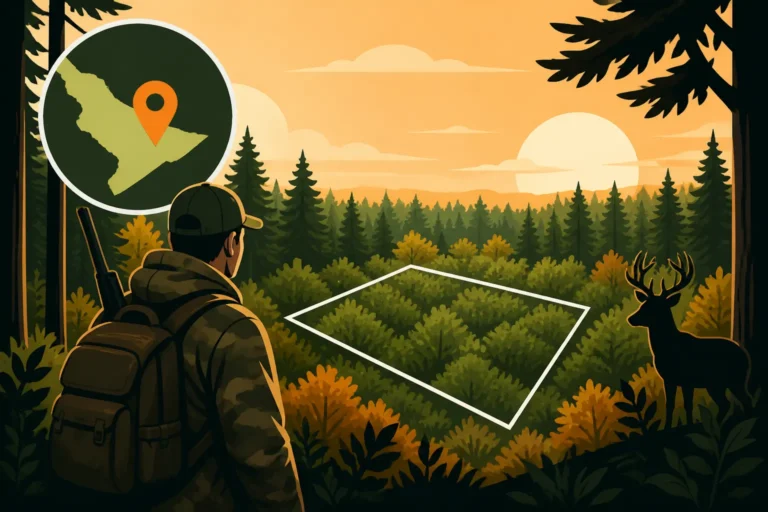
Before you even tie your boots, your best friend will be a good mapping app. Tools like GoHunt have revolutionized how we approach public land hunting. You can spend hours poring over satellite imagery, identifying potential hotspots from the comfort of your home. Look for habitat transitions: where thick conifer stands meet mature hardwoods, where a clear-cut is regenerating with browse, or where an old logging road winds its way through promising cover. These subtle changes often create "edges" that deer love to frequent for feeding, bedding, and travel. Pay close attention to any water sources – streams, beaver ponds, or even small swamps – as these can be natural funnels or sanctuaries, especially in drier years. Identifying potential Hunting a Beaver Meadow Crossing or even just a small creek can be a game-changer.
Layering different map types can give you an even clearer picture. Topographic maps will reveal elevation changes, ridges, and saddles that deer use to travel efficiently. Public land boundaries are crucial to confirm; many mapping apps overlay these, ensuring you're always on legal hunting ground. Don't forget to mark potential access points, parking spots, and any natural barriers that might make certain areas less accessible to other hunters, potentially giving you an advantage. The less obvious the access, the less human pressure the deer will likely experience.
Boots-on-the-Ground Verification
Once you've got some promising spots marked on your GoHunt app, it’s time to hit the bush. Nothing beats actually walking the ground to confirm what your maps are telling you. This pre-season reconnaissance, long before opening day, is invaluable. Look for fresh sign: tracks, droppings, rubs, and scrapes. While rubs and scrapes are usually seasonal, their presence can indicate a buck's travel corridors or core areas from previous years, and deer often use the same general areas year after year if the habitat remains suitable. Concentrate your efforts in areas that offer diverse cover, food, and water within a relatively small radius. Deer, even on vast Crown land, are creatures of efficiency.
Walk the edges you identified digitally. See how the deer are actually moving through them. Are there clear trails, or are they more dispersed? Pay attention to prevailing winds and how they might affect a stand location. When you're Reading Whitetail Sign in Ontario Hardwoods, look for patterns: where are they feeding, where are they bedding, and what routes connect these vital areas? The sheer size of Crown land means deer often have less reason to leave their core habitat, so finding these "sweet spots" where they spend the majority of their time is key. This on-the-ground confirmation helps you refine your hunting strategy and place your efforts where they have the highest chance of success.
Effective Hunting Techniques for Crown Land Whitetails
Hunting whitetails on Ontario Crown land often demands a more proactive and patient approach than hunting private agricultural areas. Deer can be more nomadic, and you're covering much more ground to find them. Adaptability is your greatest asset.
Still Hunting and Tracking Strategies
One of the most effective methods for hunting Crown land is still hunting or still-hunting combined with tracking. This isn't about sitting in one spot all day (though that has its place). Instead, it’s about moving incredibly slowly and deliberately through the woods, stopping frequently to scan, listen, and glass. You're trying to integrate yourself into the environment, becoming part of the natural rhythm rather than an intruder. Focus on areas where you found sign during scouting or where the habitat looks particularly appealing, such as a thick regenerating cut-over or a dense cedar swamp edge.
When still hunting, use the terrain and cover to your advantage. Move into the wind, taking short steps and pausing for minutes at a time. This allows you to spot deer before they spot you, and for them to settle down if they did hear you. In fresh snow, tracking can be highly productive. Following a deer's track in the snow, particularly a mature buck's, can be one of the most exciting and rewarding ways to hunt. It requires immense patience and skill in interpreting the animal's behaviour from its tracks, but the rewards can be significant. This method is particularly useful when Hunting a Hardwood Ridge for Whitetails or working through mixed forests.
Stand Hunting in Strategic Locations
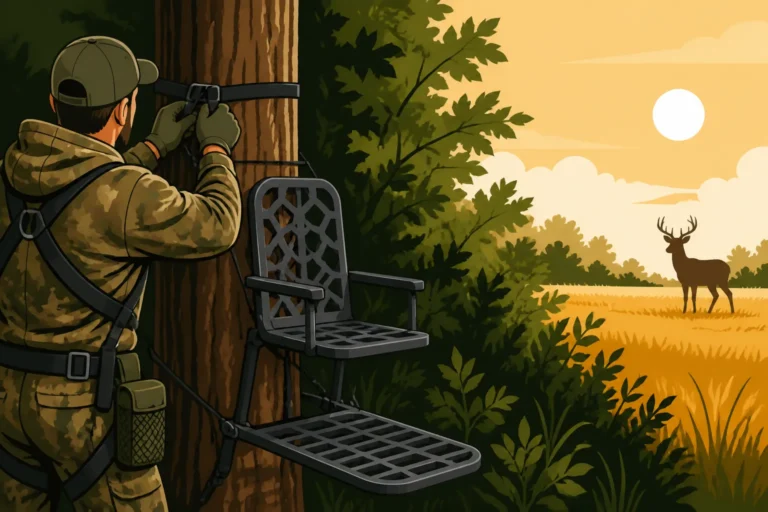
While Crown land might not have the obvious pinch points of private farmland, strategic stand placement is still vital. However, your stand sites might look different. You're often not looking for a deer highway, but rather subtle travel corridors between bedding and feeding areas, or escape routes. Think about placing stands on the edges of thick cover, along old logging roads or trails that deer use for travel, or overlooking natural funnels like saddles or narrow strips of timber. Setting up on an Ontario Bush Edge where two distinct habitat types meet can be highly effective, as deer often use these transition zones.
Consider the prevailing winds for your chosen stand location, as scent control is paramount. You might also want to explore using ground blinds, especially if you find a hot feeding area or a particularly thick bedding location where you want to minimize disturbance getting in and out. Remember that deer on Crown land are often less accustomed to human scent and movement than their farm country counterparts, making good concealment and scent control even more critical. When Hanging a Stand on an Ontario Bush Edge, make sure you have a clear shooting lane and an escape route that doesn't blow your scent into the area you're hunting.
Essential Gear and Preparation for Crown Land Hunting
Hunting Ontario's Crown land isn't just a walk in the park; it requires you to be self-sufficient and prepared for whatever the wilderness throws your way. The consequences of being unprepared can be severe, especially when you're miles from the nearest road.
Navigation and Communication Tools
Your mapping app (like GoHunt) loaded with offline maps is your first line of defense against getting lost. Cell service is notoriously spotty, or non-existent, in many Crown land areas, especially in the larger northern Wildlife Management Units (WMUs). Don't rely solely on your phone. A reliable handheld GPS unit or a compass and physical map are absolute necessities. Know how to use them, even if you prefer digital navigation. Many hunters carry a satellite messenger or a two-way satellite communication device (like a Garmin inReach or a Zoleo) for emergencies, as these can send text messages and SOS signals even without cell service. If you're going into truly remote areas, this isn't a luxury; it's a critical safety tool. If you're ever turned around, knowing What to Do If You Get Turned Around can literally save your life.
Beyond navigation, consider your general survival kit. A multi-tool, a fire starter, a first-aid kit, extra layers of clothing, emergency food, water purification tablets, and a headlamp should always be in your pack. Remember that temperatures can drop quickly, and rain can turn into snow unexpectedly, even in shoulder seasons. Being able to start a fire and stay warm if an unexpected night out occurs is non-negotiable. A well-stocked Truck Kit for a Northern Ontario Hunt is also a good idea, providing a backup if something goes wrong away from your immediate hunting area.
Physical and Mental Toughness
Crown land hunting often means covering significant distances over rugged, uneven terrain. You'll be climbing hills, navigating blowdowns, crossing creeks, and pushing through thick brush. This isn't a sport for the faint of heart or the out of shape. Start your physical conditioning long before the season opens. Hiking with your fully loaded pack, practicing navigating off-trail, and enduring long days in the woods will pay dividends. The mental game is just as important. The solitude and vastness can be daunting, and not seeing deer for hours or even days can test your resolve. Persistence, patience, and a positive mindset are crucial. Celebrate the small victories: finding fresh sign, navigating a challenging section of bush, or just enjoying a beautiful sunrise deep in the wilderness. It's not just about the harvest; it's about the entire experience.
Navigating Regulations and Ethical Considerations
While the focus on Crown land is often about the hunt itself, understanding the rules and acting ethically are paramount to ensuring the future of hunting and respectful coexistence with nature.
Knowing Your WMU and Regulations
Ontario's hunting regulations are managed by Wildlife Management Units (WMUs). These units dictate season dates, bag limits, and specific rules that can vary greatly from one area to another. Before you even set foot on Crown land, you need to know which Ontario's Wildlife Management Units you'll be hunting in and what the specific regulations are for that WMU for Whitetail Hunting in Ontario. This includes understanding antlerless deer draws, controlled hunts, and any specific firearm or archery restrictions. The Ontario Hunting Regulations Summary is your bible; always consult the most current version. Ignorance of the law is never an excuse.
Respecting Crown land goes beyond hunting regulations. While generally open to public use, there are rules regarding camping, vehicle use, and leaving no trace. Always pack out what you pack in. Be mindful of others using the land – hikers, anglers, or other hunters. Ethical hunting practices include making clean shots, recovering wounded game, and properly handling your harvest. Ensure you tag your deer immediately and correctly as per regulations. Leave the land better than you found it, demonstrating respect for the environment and for the privilege of hunting in Ontario's wild spaces.
| Feature | Private Land Hunting (Typical Southern Ontario) | Crown Land Hunting (Typical Ontario) |
|---|---|---|
| Access | Often requires permission, leases, or ownership | Generally open to the public (some restrictions apply) |
| Deer Density | Higher due to agricultural food sources | Lower, more scattered, dependent on natural habitat |
| Pressure | Variable, can be high or very low | Variable, can be low in remote areas, high near access |
| Habitat Type | Mixed farm fields, woodlots, hedgerows | Vast, diverse forests, swamps, rock barrens, clear-cuts |
| Scouting Ease | Easier to pinpoint deer activity | More challenging, requires extensive digital & on-foot |
| Hunting Style | Stand hunting, food plots, feeders often used | Still hunting, tracking, strategic stand placement |
| Gear Needs | Standard hunting gear | Enhanced navigation, survival, self-sufficiency gear |
| Solitude | Can be limited | High potential for true wilderness experience |
| Physical Demand | Moderate | High, often involves long treks over challenging terrain |
Disclaimer
The information provided in this guide is for general informational purposes only and is not intended as legal advice. Hunting regulations, season dates, and access rules in Ontario can change. It is the responsibility of every hunter to consult the most current official Ontario Hunting Regulations Summary and all applicable federal and provincial laws before engaging in any hunting activities. Always prioritize safety and ethical hunting practices.