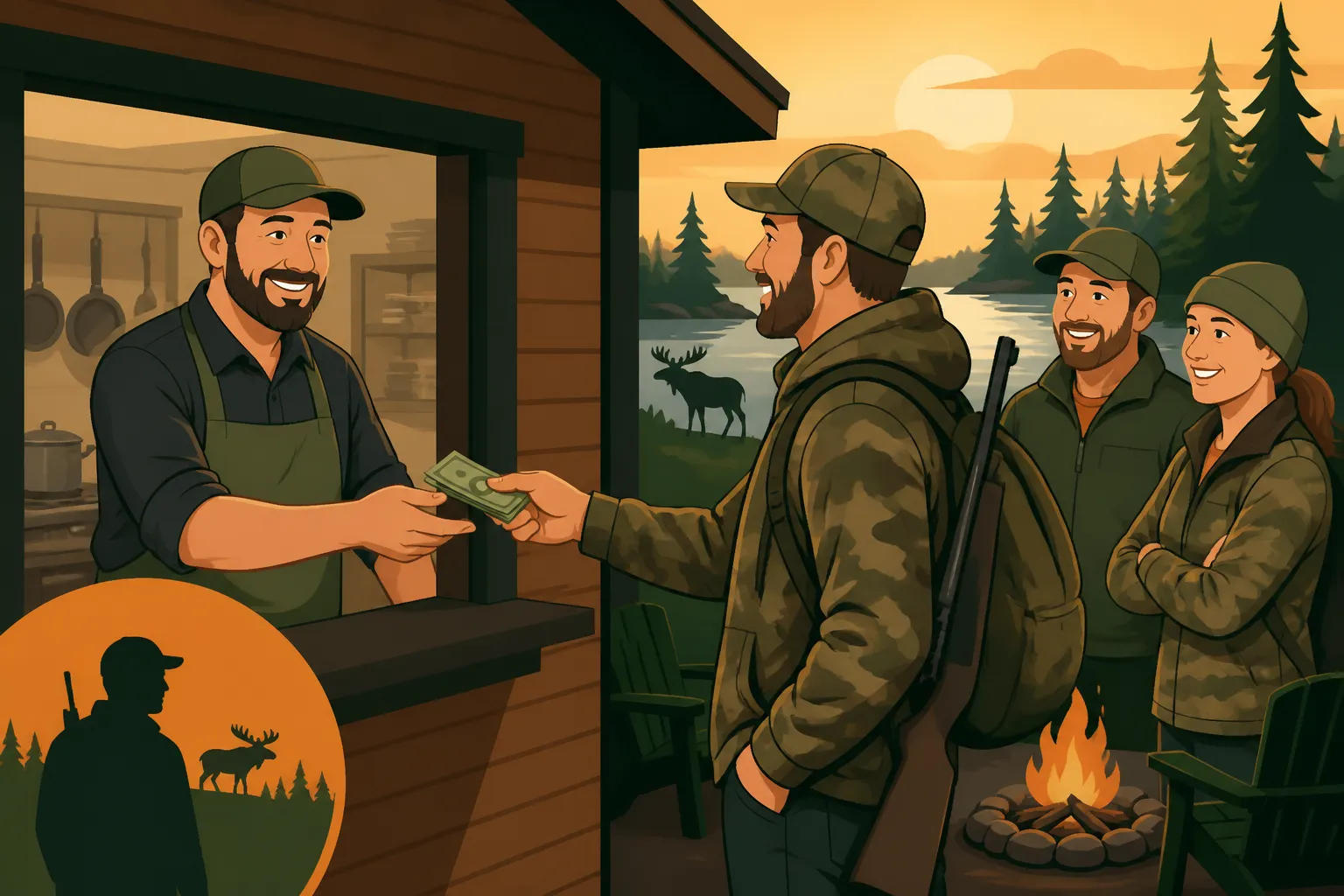
Tipping the Cook and Camp Staff
Many hunters spend countless hours planning their Ontario adventure, poring over maps, fine-tuning their gear, and dreaming of that perfect shot. Yet, when the hunt is winding down, a question often surfaces that can cause a bit of awkwardness: how exactly do you show appreciation to the incredible people who made your experience possible? Tipping the cook and camp staff in an Ontario hunting lodge can feel like a bit of a mystery, a hidden code that no one explicitly teaches. This guide will help demystify the process, ensuring your gratitude is conveyed respectfully and genuinely to those who work tirelessly behind the scenes.
The Unsung Heroes of the Hunting Camp Experience
It’s easy to focus solely on the guide during a hunting trip, and rightfully so—they're the one leading you to game, sharing their knowledge, and often becoming a trusted companion in the bush. But behind every successful hunting camp experience, there’s a dedicated team working around the clock to ensure your comfort, safety, and nourishment. These unsung heroes often toil away from the direct spotlight, yet their contributions are absolutely vital to the overall enjoyment of your trip. Ignoring their efforts is not only a missed opportunity to show thanks but can also leave a sour note on what should be a memorable adventure.
Beyond the Guide: Why Camp Staff Matter
Think about it: who prepares those hearty breakfasts before a chilly morning sit, or the delicious dinners that welcome you back after a long day tracking a whitetail? Who ensures your cabin is clean, warm, and stocked with fresh linens? Who keeps the generators humming, the water running, and the overall camp infrastructure functioning smoothly, often in remote and challenging conditions? This is the camp staff, and their roles are as crucial to your well-being as the guide's role is to your hunting success. Their efforts allow you to focus entirely on the hunt, free from the worries of daily chores and logistics. They are, in essence, the foundation upon which your entire hunting experience is built. When you're Planning an Ontario Hunting Trip, don't forget to account for these vital team members.
The Art of Hospitality in the Bush
Hunting camps, whether rustic or luxurious, are a service industry at their core. The staff, from the head cook to the maintenance person, are providing hospitality. They aim to make your time away from home as comfortable and enjoyable as possible, often going above and beyond to cater to specific needs, dietary restrictions, or unexpected requests. They become part of your temporary "family" in the wilderness. This personalized attention, the warm smile, the extra cup of coffee, or the timely repair of a leaky faucet, contributes significantly to the overall positive atmosphere of the camp. It's a testament to their dedication to making your stay exceptional, transforming a simple hunting trip into a memorable experience.
Who Makes Your Hunt Go Smoothly: Roles and Contributions
A hunting camp is a small, self-contained community, and like any community, it runs on the collective efforts of many different individuals. Each person plays a unique and essential role in ensuring that your hunt is not just productive, but also comfortable and enjoyable. Understanding these roles helps you appreciate the full scope of service you're receiving.
The Culinary Crew
Let's be honest, few things are as satisfying as a hot, delicious meal after a long day in the Ontario bush. The camp cook, and any kitchen assistants, are culinary magicians. They plan menus, order supplies (often hauling them in over considerable distances), prepare three square meals a day, and often bake treats or pack lunches for your field excursions. They’re the ones making sure you're well-fed and energized for your hunt. If you've ever spent a week on your own in a tent, trying to cook over a fire, you quickly realize the immense value of someone else handling all the food prep and cleanup. Their work fuels your energy and boosts your morale.
Housekeeping and Maintenance
Imagine returning to a messy, cold cabin after hours spent in a tree stand or stalking game. Not ideal, right? This is where the housekeeping and maintenance staff shine. They are responsible for keeping your living quarters clean, tidying common areas, ensuring the woodstove is stoked, or the propane heater is working. They might be doing laundry, making beds, or cleaning communal washrooms. Beyond the immediate comfort, the maintenance crew keeps the lights on, the water flowing, and handles any unexpected repairs. They're the silent guardians of your comfort and safety, ensuring all the camp's facilities are in top working order. From fixing a leaky boat to troubleshooting a generator, their skills keep the entire operation running.
The Behind-the-Scenes Support
Beyond the obvious roles, there are often other staff members whose contributions are less visible but equally important. This could include boat handlers who ensure vessels are fuelled and ready for your morning departure, especially if you're on a Canoe-In Hunting on Ontario Crown Land or Hunting Moose From a Boat or Canoe trip. Some camps might have dedicated skinners or meat processors who help with field dressing, quartering, and preparing your harvest for transport or processing. There could be general camp hands who perform various tasks from chopping firewood to hauling garbage. Even the person who answers the phone when you're Booking an Ontario Hunt a Year Ahead plays a part in your experience. Everyone contributes to the seamless operation of the camp, making your hunt possible.
Navigating the Tipping Waters: Guidelines and Etiquette
Now, for the million-dollar question: how much do you actually tip, and to whom? This is where many hunters feel a bit of anxiety. There's no hard and fast rule set in stone, but rather a range of practices based on gratitude, service quality, and the type of camp you're visiting. The goal is to show genuine appreciation without feeling pressured or going overboard, while also acknowledging the hard work these individuals put in.
Individual vs. Group Tips
One of the first considerations is whether to tip individuals directly or contribute to a general staff tip pool. Many camps, especially larger operations, prefer a collective tip that is then distributed among all non-guiding staff. This ensures everyone, from the cook to the dishwasher to the maintenance person, receives a fair share of the gratuity. Sometimes, there will be a designated envelope or box for "Staff Tips." In smaller, more intimate camps, it might be appropriate to hand a direct tip to the cook or another staff member who went above and beyond for you personally. However, always ask the camp manager or owner about their preferred method to avoid any awkwardness. They can often provide the clearest guidance on their camp's specific tipping culture.
Considering the Scope of Service
When deciding on an amount, think about the level of service you received. Was the food outstanding? Were your dietary needs met without fuss? Was your cabin always spotless and comfortable? Did staff go out of their way to assist you, perhaps with a minor gear repair or an extra favour? The length of your stay also plays a role; a week-long stay with extensive service would warrant a more substantial tip than a two-day excursion.
While I can't give specific figures (as these fluctuate and depend entirely on your personal experience and budget), a common guideline for camp staff (excluding your personal hunting guide) is to consider a percentage of the total non-guided portion of your trip cost, or a daily rate per hunter for the staff pool. This amount is generally lower than what you'd tip your hunting guide, but it's still a significant gesture. When you're researching potential trips on platforms like BookYourHunt, or using planning tools from GoHunt, remember to factor this into your overall budget, as it's an expected part of the experience.
It's helpful to remember that many camp staff often work long hours for modest wages, and tips form a meaningful part of their income. A generous tip, when merited, speaks volumes about your satisfaction with their hard work and dedication.
| Staff Role | Typical Duties | Impact on Your Hunt Experience | Tipping Consideration |
|---|---|---|---|
| Camp Cook | Meal preparation, kitchen cleanliness, food sourcing | Fuel for your hunt, morale boost, dietary accommodations | Often a significant portion of the shared tip pool |
| Housekeeping | Cabin cleaning, laundry, fresh linens, camp tidiness | Comfort, hygiene, sense of order after a long day afield | Appreciated for maintaining personal space and common areas |
| Maintenance/Grounds | Repairs, generator upkeep, wood chopping, general camp upkeep | Ensures essential services (heat, light, water), smooth operation | Critical for comfort and safety of the entire camp |
| Boat/Dock Hand | Fueling boats, launching/retrieving, minor repairs | Smooth access to hunting areas, safe transport | Direct impact on daily hunting logistics for water-based camps |
| Skinner/Processor | Field dressing assistance, skinning, quartering, meat handling | Ensures ethical processing, preserves meat and trophies | Highly valued for specialized, often messy, work |
When and How to Present Your Gratitude
The best time to present tips is usually at the end of your stay, just before your departure. This allows you to assess the full scope of service you received throughout your trip. If you're contributing to a general staff fund, the camp manager or owner will typically handle the distribution. If you're giving a direct tip to an individual, do so discreetly and personally. A simple, "Thank you so much for everything, I really appreciate your hard work," accompanied by the tip, is perfectly adequate. Avoid making a grand public display, as it can make others uncomfortable. The gesture should be about sincere appreciation, not showmanship. Thinking about Etiquette in an Ontario Hunt Camp extends to these social considerations.
Making Your Thank You Memorable
Beyond the monetary aspect, there are ways to make your appreciation truly resonate. A tip is a financial thank you, but personal gestures can leave a lasting positive impression, especially in close-knit camp environments.
Cash, Cards, or Kind Gestures?
Cash is almost universally preferred for tips, as it’s immediate and flexible for the recipient. It avoids processing fees and allows the staff to use it as they see fit. If you're in a situation where a tip jar or collective envelope is available, this is ideal for cash contributions. While some camps might accept credit card tips, it’s always best to come prepared with Canadian cash for gratuities, just in case. Always confirm currency preferences when you’re planning, especially if you’re coming from out of country.
Sometimes, a non-monetary gesture can also be deeply appreciated. Perhaps you have some specialty coffee, a local treat from your hometown, or a useful piece of gear that you no longer need. A small, thoughtful gift can be a wonderful supplement to a cash tip, particularly for individuals who went above and beyond. For example, a quality headlamp for the camp hand, or a set of good knives for the cook, if you know they'd be appreciated. Just be mindful not to make a gift a replacement for a cash tip, as staff often rely on those tips for their income.
The Power of a Personal Note
Never underestimate the impact of a handwritten thank you note. In an age of digital communication, a heartfelt card expressing specific appreciation for the cook's delicious meals, the cleaner's spotless cabin, or the mechanic's quick fix, can mean the world. It shows you noticed their efforts and took the time to acknowledge them personally. You can hand this note directly to the individual or leave it with your cash tip. This small act of personal connection reinforces your gratitude and makes their hard work feel truly recognized. It's a powerful way to make your "thank you" memorable and shows that you're a considerate hunter who values the entire camp experience. Remember, a good reputation among outfitters and staff can open doors for future bookings, especially when you Reading Outfitter Reviews Honestly and are hoping they read yours.
Disclaimer
This article is for general informational purposes only and does not constitute professional advice. Laws, prices and regulations vary by location and change over time. Consult a qualified professional for guidance on your specific situation.