Ontario Goose Guide Services
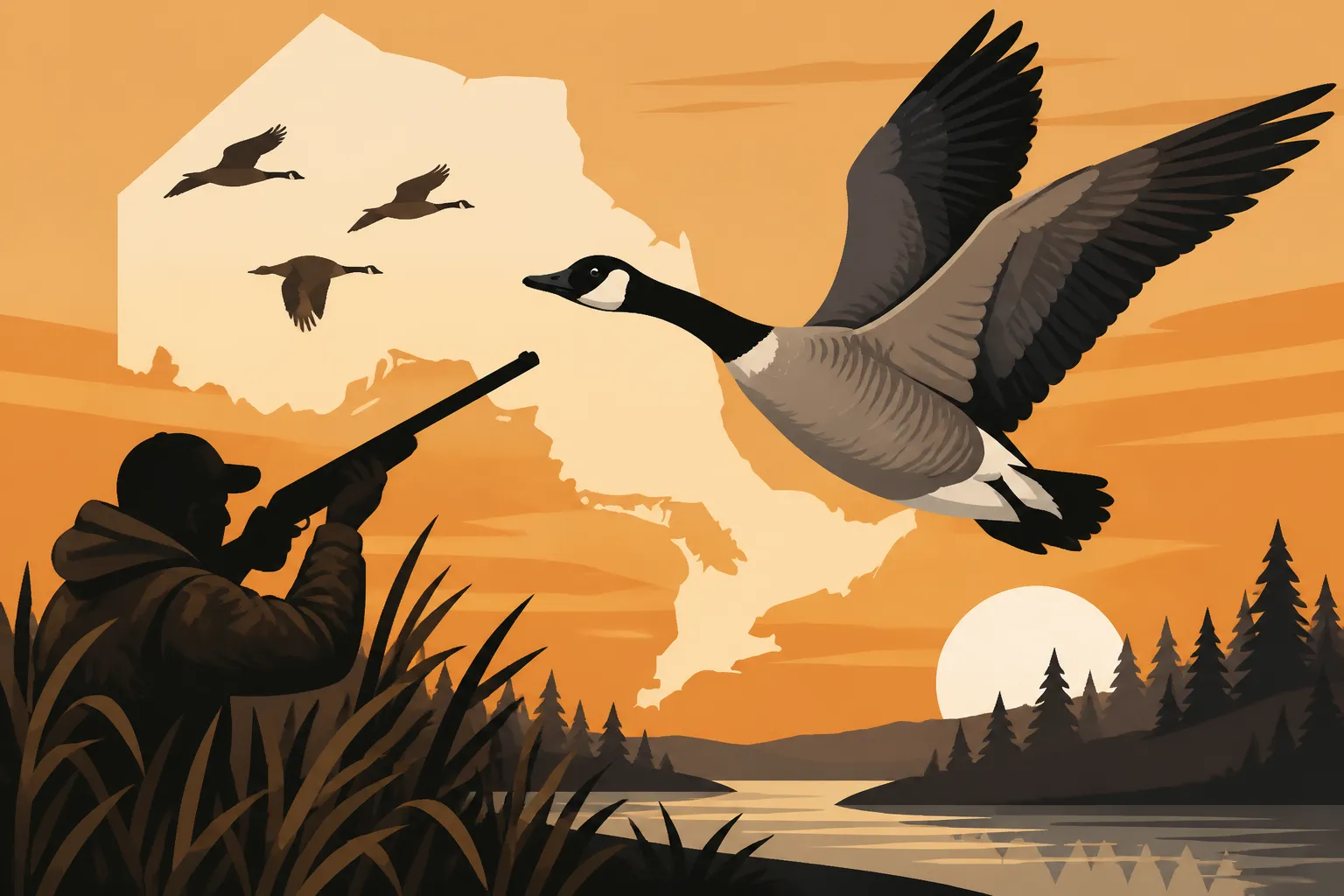
The sheer thrill of watching a massive flock of Canada geese cup their wings and commit to your spread is an experience unlike any other. However, for many hunters, especially those new to Ontario or the nuances of waterfowl, making that magic happen consistently can feel like a monumental task. This guide will walk you through everything you need to know about navigating and utilizing Ontario goose guide services, helping you turn those challenging mornings into memorable successes.
Why Enlist an Ontario Goose Guide?
Hunting geese in Ontario offers incredible opportunities, but it also comes with its fair share of complexities. From scouting prime locations to understanding the ever-shifting regulations and investing in specialized gear, it can be a steep learning curve. This is where a professional goose guide truly shines, acting as your seasoned navigator through the world of Ontario waterfowl.
Navigating Regulations and Access
One of the most significant hurdles for any goose hunter in Ontario is the intricate web of regulations and the challenge of securing prime hunting access. Ontario has specific migratory bird seasons, zone restrictions, and strict rules regarding Non-Toxic Shot Requirements for Waterfowl. Keeping up with all these details can be a full-time job. A good guide lives and breathes these regulations, ensuring your hunt is always legal and compliant. They've already done the homework, understanding the nuances of Ontario Game Bird Seasons and Limits for different regions, saving you from potential fines or, worse, unknowingly breaking the law. Beyond regulations, guides often have established relationships with landowners, granting them access to private fields that are otherwise impossible to hunt. Trying to secure these permissions yourself, especially as an out-of-towner, can be daunting and time-consuming. Imagine knocking on dozens of doors trying to find a good spot; a guide already has the keys to the best fields. This expertise in access alone can be worth the investment, transforming a frustrating search into a productive hunt.
The Advantage of Expertise and Equipment
Goose hunting, particularly over fields, is an equipment-intensive pursuit. You're looking at hundreds, if not thousands, of dollars in decoys, blinds, and calling gear. Not only is the investment substantial, but knowing how to deploy it effectively is an art form. This is where a guide's expertise becomes invaluable. They possess extensive knowledge of goose behaviour, migration patterns, and local hotspots. They understand what geese are looking for in terms of feeding areas, roosts, and flight paths, often leveraging years of experience to put you in the right place at the right time. They know how to read the birds, adjusting the spread and calling routine on the fly based on the geese's reactions.
Furthermore, a professional goose guide comes fully equipped. You won't need to buy, transport, or set up dozens of full-body decoys, silhouette decoys, or multiple layout blinds. They'll arrive with everything needed for a successful Field Setups a Waterfowl Guide Provides, from meticulously placed spreads to comfortable, concealed blinds. Their calling skills are typically honed over countless seasons, producing realistic sounds that entice wary birds. Many guides also bring well-trained retriever dogs, adding another layer of excitement and efficiency to your hunt, ensuring every downed bird is recovered promptly. This allows you to focus purely on the hunting experience, rather than the logistics and heavy lifting.
Maximizing Your Success and Enjoyment
Ultimately, most hunters enlist a guide to increase their chances of success and to simply enjoy the hunt more. Goose hunting can be incredibly challenging, and doing it solo often means spending more time scouting, setting up, and cleaning up than actually hunting. A guide streamlines this process, allowing you to arrive at a pre-scouted field, step into a comfortable blind, and focus on the incoming birds. They've already put in the hard work of identifying active feeding fields, often by How Waterfowl Guides Scout Fields Daily, ensuring you're hunting where the birds want to be.
The educational aspect is also significant. Hunting with an experienced guide provides an incredible opportunity to learn. You can observe their calling techniques, understand their spread configurations, and pick up tips on decoying strategies, gunning ethics, and how to read bird behaviour. This hands-on learning can accelerate your own skills, making you a more proficient hunter in the long run. Beyond success rates, the sheer camaraderie and shared experience of a guided hunt, with the guide taking care of the logistics, makes for a far more relaxing and enjoyable outing, free from the usual stresses that can accompany a DIY hunt.
What to Expect from an Ontario Goose Guide Service
When you book with an Ontario goose guide, you're not just paying for access; you're investing in an entire experience. Understanding what a typical hunt entails and what services are usually included can help you set realistic expectations and choose a guide that aligns with your hunting style.
Typical Hunt Scenarios
Most Ontario goose guide services focus on morning hunts, capitalizing on the birds' movement from roosting areas to feeding fields. Your day will likely start well before sunrise, often with a rendezvous point at a gas station or designated meeting spot near the hunting area. From there, you'll typically travel a short distance to the field, where the guide and their team will have already begun or completed setting up the decoy spread and blinds. Depending on the terrain and the specific setup, you might be hunting from layout blinds nestled in stubble fields, pit blinds dug into the ground, or even large A-frame blinds positioned along a field edge. The goal is always optimal concealment and clear shooting lanes.
Once set up, the hunt itself involves waiting for the geese to fly in, with the guide actively calling to bring them within range. Expect periods of intense action interspersed with quiet lulls, which are perfect opportunities to chat, learn from your guide, and soak in the natural surroundings. A typical hunt might last until late morning or early afternoon, or until limits are reached, whichever comes first. After the hunt, the guide will handle the breakdown of the spread and the retrieval of birds, often with the help of well-trained retriever dogs. If you're hunting for Hunting Canada Geese on Ontario Farmland, this field-based setup is almost certainly what you'll encounter.
Services and Inclusions
The specific inclusions can vary between outfitters, but generally, a guided goose hunt in Ontario will provide the majority of what you need for a successful day. This usually encompasses:
- Expert Guide Service: Knowledgeable guides who know the local goose populations, flight patterns, and regulations.
- Pre-Scouted Fields: The guide will have spent considerable time scouting to ensure you're hunting active fields.
- Full Decoy Spreads: Professional-grade decoys (full bodies, silhouettes, shells) set up by the guide.
- Blinds and Concealment: Comfortable and effective concealment, whether layout blinds, pit blinds, or field blinds.
- Calling: Expert callers who can entice wary geese.
- Dog Service: Often, guides will provide trained retriever dogs for efficient bird recovery.
- Transportation to the Blind: While you drive your own vehicle to the rendezvous point, the guide typically handles transport to the specific blind location within the field, often with ATVs or UTVs.
What's typically not included, and something you'll need to arrange yourself, are your hunting licenses and permits, ammunition (which must be non-toxic), appropriate clothing, meals and drinks, and bird processing after the hunt. Some outfitters might offer these as add-ons, but it's crucial to clarify beforehand.
Common Types of Guided Goose Hunts
While field hunting for Canada geese is by far the most common type of guided goose hunt in Ontario, there can be variations. Most hunts will involve hunting over agricultural fields such as cut corn, stubble wheat, or pea fields, where geese are actively feeding. These often utilize layout blinds for ultimate concealment, blending seamlessly with the field. Some guides might also offer hunts in specific wetland areas or along larger bodies of water, particularly during peak migration when large numbers of geese congregate. For instance, Hunting an Ontario Farm Pond at Dusk could involve geese, though it's more often associated with ducks.
However, the classic image of big Canada geese decoying into a field spread is what most guided services specialize in. It's important to discuss with your chosen outfitter what kind of hunt they offer and what species they primarily target. While some guides may also offer duck hunting, most goose guides are highly specialized in field hunting due to the unique demands of decoying large, wary geese. This specialization ensures they have the right equipment and expertise for the task at hand.
Choosing the Right Ontario Goose Guide for Your Trip
Finding the perfect goose guide is crucial for a successful and enjoyable trip. It's not just about finding someone with a license; it's about finding a reputable professional who aligns with your expectations and provides a safe, productive experience.
Researching and Vetting Outfitters
The first step in choosing a guide is thorough research. Start by searching online for "Ontario goose guides" or "waterfowl outfitters Ontario." Look for guides with professional websites, good quality photos, and clear descriptions of their services. Pay close attention to testimonials and reviews from past clients. Platforms like BookYourHunt and GoHunt can be excellent resources for finding reputable outfitters, as they often feature client reviews, detailed service descriptions, and sometimes even short videos or photos from past hunts. These platforms also provide a level of vetting, as guides listed there typically meet certain standards.
Don't just rely on online reviews; ask for references. A reputable guide should be happy to provide contact information for recent clients you can speak with directly. When you call references, ask specific questions about the guide's professionalism, their scouting efforts, the quality of their equipment, their calling abilities, and their overall communication. Ask about safety protocols and how they handle unforeseen circumstances, like weather changes. Remember, a good guide isn't just about killing birds; it's about the entire experience.
Key Questions to Ask Before Booking
Once you've narrowed down your choices, prepare a list of questions to ask potential guides. This ensures you're comparing apples to apples and helps avoid misunderstandings. Here are some essential questions:
- What is your typical group size? This impacts the intimacy of the hunt and How Many Hunters an Outfitter Can Take in a single spread. Some prefer smaller, more personal groups, while others are set up for larger parties.
- What is your average success rate or typical bag limits per hunter? While no reputable guide can guarantee success, they should be able to provide realistic expectations based on past seasons.
- What exactly is included in the price? Reiterate the discussion about licenses, ammo, meals, and bird processing to avoid surprises. Understanding What a Guide Fee Actually Covers is critical.
- What happens if the weather is bad or the geese aren't flying? Ask about their cancellation or rescheduling policy.
- Do you use live birds, electronic calls, or only mouth calls? Ontario regulations will dictate what is legal, but it’s good to know their methods.
- What is your experience with hunting for specific species or certain types of hunts (e.g., field vs. marsh)?
- What are your safety protocols? Discuss firearm handling, first aid, and emergency communication, especially in remote areas.
Understanding Pricing and Booking
Guide services generally offer day rates, and sometimes multi-day packages. While I can't provide specific costs, expect rates to reflect the significant investment in time, equipment, and expertise the guide provides. Day rates typically cover the guide's service, equipment, and field access for a single morning or afternoon hunt. Multi-day packages might include lodging, additional meals, or hunts for other species. Always get a clear quote in writing, detailing what's included and what's extra.
Booking usually requires a deposit, often a significant percentage of the total fee, with the remainder due upon arrival or at the conclusion of the hunt. Be sure to understand their deposit and cancellation policy thoroughly. Many guides book up quickly, especially during peak migration periods in late fall. Planning ahead, sometimes a year in advance, is often necessary to secure your desired dates. Platforms like BookYourHunt often streamline the booking process and provide clear pricing structures from various outfitters, making it easier to compare and commit.
Preparing for Your Ontario Goose Adventure
Once you've booked your Ontario goose guide, the next step is to prepare yourself and your gear for the upcoming hunt. Proper preparation ensures you're comfortable, compliant, and ready to make the most of your time in the field.
Essential Gear and Clothing
Ontario weather, particularly during the fall goose season, can be notoriously unpredictable. A crisp, sunny morning can quickly turn into a cold, windy, and wet affair. Layering is key. Think waterproof and windproof outer shells, insulated mid-layers, and moisture-wicking base layers. Good quality waterproof boots are non-negotiable, even if you're field hunting, as fields can be muddy or have standing water. Camouflage clothing is standard, but ensure it matches the typical landscape of the hunting area—field patterns for stubble fields, or darker patterns if hunting near bush edges. Don't forget essentials like warm gloves, a hat, and eye/ear protection. Check the forecast before you leave, but always pack for the worst conditions, especially when considering Dressing for Ontario's November Cold.
A small backpack to carry snacks, water, extra layers, and any personal items is also highly recommended. While guides provide the major equipment, your personal comfort gear is your responsibility. This might also include a thermos of coffee or tea, a headlamp for pre-dawn setups, and any personal medications you might need. Being prepared for the elements will directly impact your enjoyment and ability to stay focused during the hunt.
Licenses, Permits, and Border Crossings
Before you even step foot in the field, ensure all your legal ducks (or geese!) are in a row. For Ontario residents, you'll need a valid Outdoors Card and an Ontario hunting license with the appropriate game bird endorsement. Additionally, all waterfowl hunters in Canada are required to purchase a federal Migratory Game Bird Hunting Permit and affix a Canadian Wildlife Habitat Conservation Stamp to it. These are non-negotiable.
For non-residents, the process is slightly more involved. You will also need an Outdoors Card and a non-resident hunting license for small game. You'll also need the federal Migratory Game Bird Hunting Permit and stamp. If you're bringing your own firearm across the border from the United States, you'll need to complete a Non-Resident Firearm Declaration form (form RCMP 5589) in triplicate and declare it to Canada Border Services Agency (CBSA) officers upon entry. There is a fee for this, and it acts as a temporary firearm registration. Be absolutely meticulous with this paperwork. Always declare all firearms. After a successful hunt, if you plan on taking your game meat or a trophy (like wings for mounting) back home, be aware of any export permits or import regulations in your home country. While your guide can offer advice, the responsibility for compliance ultimately rests with you, so be sure to investigate what you need regarding Taking Meat and Antlers Across the Border.
Physical and Mental Readiness
Goose hunting can be physically demanding. Setting up dozens of heavy decoys, trekking across potentially muddy fields, and spending hours in a layout blind can be tiring. While your guide will handle most of the heavy lifting, being in reasonable physical shape will certainly enhance your experience. You don't need to be a marathon runner, but endurance and mobility are beneficial.
Mentally, be prepared for early mornings, sometimes in cold and damp conditions. Patience is a virtue in goose hunting; there can be long periods of waiting interspersed with sudden bursts of action. Listen to your guide, follow their instructions, and maintain good gun safety practices at all times. Being calm, focused, and ready to react when the birds commit to the spread will increase your shooting success. Embrace the entire experience, from the pre-dawn anticipation to the camaraderie in the blind, and you're in for an unforgettable Ontario goose hunt.
Disclaimer
This article is for general informational purposes only and does not constitute professional advice. Laws, prices and regulations vary by location and change over time. Consult a qualified professional for guidance on your specific situation.