Booking a Father and Child Hunt
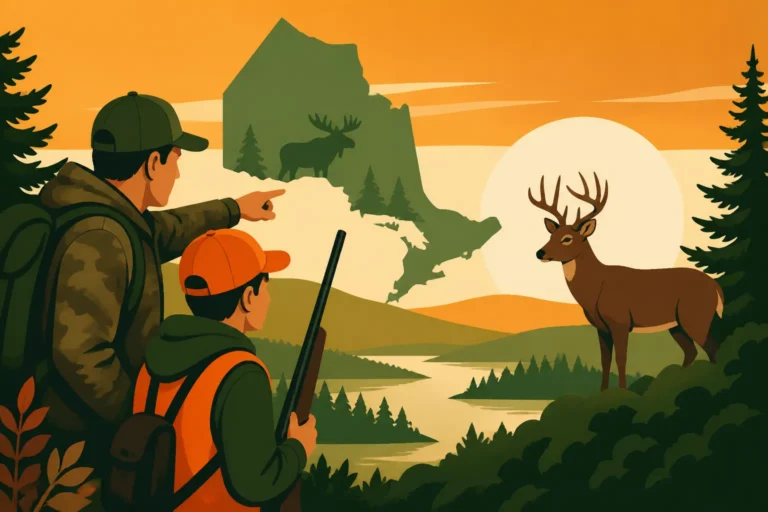
The dream of sharing the outdoors, the quiet anticipation, and the thrill of a successful hunt with your child is a powerful one for many parents. But let's be honest, trying to plan a hunting trip to a vast and diverse place like Ontario, especially when you're thinking about a younger, less experienced hunter, can feel like navigating a dense cedar swamp without a compass. This guide is all about cutting through that thicket of questions and logistics, helping you plan an incredible, memory-making father and child hunting adventure in Ontario.
Why a Guided Father and Child Hunt in Ontario is a Fantastic Idea
There’s something truly special about introducing your child to the traditions of hunting. It’s more than just a pursuit of game; it's about connecting with nature, learning valuable life skills, and forging an unbreakable bond. For many of us, our earliest hunting memories are tied to our parents or mentors, and you want to ensure your child’s first experiences are positive, safe, and truly memorable.
Building Lifelong Memories and Skills
Picture this: you and your child, bundled up in a blind as the sun peeks over the eastern Ontario hardwoods, steam rising from your coffee (or hot chocolate for them!). That quiet moment, waiting, observing, is where the real magic happens. It’s not just about the shot, it’s about sharing stories, teaching patience, and pointing out the subtle signs of wildlife around you. These are the moments that stick, the ones you’ll both recount around campfires for years to come.
A hunting trip with your child is an unparalleled opportunity to pass down skills that go far beyond just pulling a trigger or releasing an arrow. They learn about tracking, identifying wildlife, understanding habitat, and the importance of ethical harvest. It's a hands-on education in conservation and respect for the natural world. These are life lessons in perseverance, responsibility, and the satisfaction of earning a meal from the land, lessons that modern life often doesn't offer in the same tangible way.
Beyond the practical skills, these trips build character and deepen relationships. The shared challenge, the success, and even the moments of frustration, all contribute to a unique bond. It’s a chance to see your child in a new light, to watch them develop confidence and a deeper appreciation for the outdoors. Even if the game isn't harvested, the experience of being together, completely immersed in nature, is a trophy in itself.
Overcoming Logistical Hurdles with Expert Help
Let's face it, planning any hunting trip can be a headache, but adding a child into the mix brings a whole new layer of considerations. You're thinking about their comfort, their attention span, their safety, and how to keep them engaged. Finding the right hunting location, ensuring you have proper licensing, understanding the local regulations, and having the right equipment for both of you can quickly become overwhelming, especially if you're not intimately familiar with Ontario's vast hunting landscape.
This is where a reputable outfitter truly shines. They are the local experts who can cut through the red tape. They understand Ontario Hunting Licences and What They Cost and can guide you through the process of securing an Ontario Outdoors Card Explained for yourself and navigating the specific rules for youth hunters, including the Ontario Apprentice and Youth Hunting program. Outfitters have already done the legwork of scouting prime hunting areas, setting up safe blinds or stands, and understanding game movements, saving you countless hours of pre-trip stress and ensuring a higher chance of success and enjoyment for your young hunter.
A guided hunt also dramatically enhances safety and comfort. Outfitters are familiar with the terrain, have communication systems, and are trained in first aid. They provide appropriate gear for the hunting scenario, from comfortable blinds to proper transportation, making the experience less physically demanding and more enjoyable for your child. Knowing you have an experienced professional looking out for your child's well-being allows you to relax and fully immerse yourself in the shared experience, rather than constantly worrying about the unknowns.
Choosing the Right Game and Outfitter for Young Hunters
The key to a successful father and child hunt is selecting the right type of game and an outfitter who truly understands the unique needs of younger participants. Not all hunts are created equal when it comes to keeping a child engaged and comfortable.
Matching the Game Species to Age and Experience
When planning, think about your child’s personality and attention span. For younger children or those new to hunting, highly active hunts or those requiring long, motionless sits might not be the best starting point. Small game hunting, like for rabbits or grouse, offers more movement and frequent action, which can be great for maintaining interest. Small Game Hunting in Ontario can be an excellent introduction, teaching gun safety and basic hunting ethics without the intense pressure of big game.
Wild turkey hunting, especially in the spring, can be incredibly engaging. The calling, the strutting, the close-range action, and the relatively short hunt durations are often perfect for youngsters. Spring Turkey Hunting in Ontario offers an exciting challenge that is often more interactive than still-hunting for deer. Waterfowl hunts, particularly field hunting geese or marsh hunting ducks, can also be social and exciting, with the constant anticipation of birds working the decoys.
For big game, consider what offers the best blend of excitement and comfort. Black Bear Hunting in Ontario from a comfortable, scent-controlled ground blind over bait can be fantastic for a child. It often involves less walking and can be a thrilling experience watching other wildlife at the bait. Whitetail Hunting in Ontario can be wonderful, but long sits in a treestand, especially in cold weather, can be challenging for some children. Discuss these options with potential outfitters, as they often have specific recommendations and setups tailored for youth.
Finding Youth-Friendly Outfitters
Not every outfitter is set up for, or even interested in, hosting father and child hunts. When you're researching, look for outfitters who explicitly mention family hunts, youth programs, or apprentice hunter opportunities on their websites. A good starting point is a platform like BookYourHunt, where you can often filter for outfitters with specific offerings. When you speak to them, ask direct questions: "Have you guided many father and child groups?" and "What do you do to keep younger hunters engaged and comfortable?"
Pay close attention to the guide-to-hunter ratio. For a father and child trip, a one-on-one guide ratio (where one guide is dedicated to just you and your child) is often ideal, ensuring personalized attention and coaching. Inquire about their safety protocols, especially regarding firearms handling and emergency procedures. Do they have specific, stable blinds or ground setups that are safe and accessible for children? Ask about available accommodations and if they are family-friendly, perhaps with space for quiet time or non-hunting activities.
Online platforms like GoHunt can provide reviews and testimonials, sometimes from other families who have had positive experiences. Don’t shy away from asking the outfitter for references from past father and child groups. A reputable outfitter will be happy to connect you. Remember, when you're Choosing the Right Ontario Outfitter, you're not just booking a hunt; you're entrusting them with a precious family experience.
Planning for Comfort and Engagement
Even with the best outfitter, a successful youth hunt relies heavily on foresight and planning for your child’s comfort and sustained interest. Long, cold, or boring stretches can quickly sour the experience. Always err on the side of overpacking warm, layered clothing, even if the forecast looks mild. Cold hands or feet can end a hunt prematurely.
Ensure there are plenty of healthy snacks and drinks readily available in the blind or stand. Short breaks for stretching, bathroom trips, or simply walking around a bit (if the hunting situation allows) can make a huge difference. Don't underestimate the power of quiet conversations, pointing out birds, squirrels, or explaining the wind direction. Engage their curiosity even when nothing is moving.
Crucially, manage expectations. Talk with your child beforehand about what hunting entails: patience, quiet, and that success is never guaranteed. Emphasize that the adventure, the learning, and the time spent together are the real prizes, not necessarily harvesting an animal. If they do harvest an animal, celebrate it responsibly and teach them about ethical field dressing and meat care. If not, pivot to other activities. Many outfitters offer combination packages that might include fishing, hiking, or even just exploring the beautiful Ontario bush, ensuring there’s always something to do. Planning an Ontario Hunting Trip involves considering the whole experience, not just the hunt itself.
Practical Preparations for Your Ontario Father-Child Adventure
Once you've chosen your outfitter and your game species, it's time to get down to the nitty-gritty of preparing for your trip. Proper preparation will ensure a smooth, enjoyable, and most importantly, safe experience for both you and your child.
Navigating Licences, Permits, and Education
Ontario has a clear path for new and young hunters, but it requires adherence to specific regulations. Both you and your child will need an Ontario Outdoors Card. As a mentor, you will need a valid hunting licence for the species you are pursuing. Your child, if participating under the Ontario Apprentice and Youth Hunting program, will typically need an Outdoors Card and may require specific tags or validations depending on the species.
For your child to hunt independently in the future, they will need to complete the Ontario Hunter Education Requirements, which usually involves a firearms safety course and a hunter education course. Your chosen outfitter should be well-versed in these requirements and can often assist in explaining the process, or at least point you to the most current information available from the province. Be sure to complete all necessary paperwork well in advance of your trip to avoid any last-minute stress or delays.
It's vital to remember that as the accompanying adult, you are responsible for ensuring your child understands and adheres to all safety rules and hunting regulations. This includes proper handling of firearms or bows, understanding shooting zones, and knowing target identification. The outfitter's guide will be there to assist and instruct, but your role as a mentor is paramount in instilling good habits.
Essential Gear and Packing Considerations
Ontario weather can be unpredictable, especially during hunting seasons. Layered clothing is your best friend. Think moisture-wicking base layers, insulating mid-layers, and a waterproof/windproof outer shell for both you and your child. Don't forget quality hunting boots that are waterproof and insulated, along with extra socks. Warm hats, gloves, and neck gaiters are also non-negotiable.
For safety, ensure you both have appropriate eye and ear protection. If using a firearm, it must be legally acquired and transported. If your child is using a firearm, ensure it fits them properly in terms of length of pull and weight, making it comfortable and safe to handle. Practice shooting together before the trip to build confidence and proficiency. Don't forget a good backpack with plenty of water, high-energy snacks, a first-aid kit, and any personal medications. What to Bring to an Ontario Bush Camp will often list many of these essentials.
Beyond the hunting gear, consider comfort items for camp or down time. A good book, a deck of cards, or a small travel game can be great for unwinding after a hunt or during quiet periods. Remember, part of the experience is the camp life, and making it enjoyable for your child means thinking beyond just the hunting hours.
Setting Realistic Expectations and Valuing the Journey
This cannot be stressed enough: success on a father and child hunt isn't measured solely by a filled tag. It's about the time spent together, the lessons learned, and the memories created. The biggest frustration for many new hunters, especially kids, comes from unrealistic expectations. Talk openly about the challenges of hunting – the long waits, the misses, the unpredictable nature of wildlife.
Celebrate every small victory. The patience shown during a long sit, the quiet observation of a squirrel, the accurate shot at a target, or simply the ability to identify a new bird call. These are all successes that contribute to a positive experience. If a shot is missed or an animal isn't harvested, use it as a teaching moment. What could have been done differently? What was learned? It's all part of the journey.
Ultimately, this trip is an investment in a relationship and a shared passion. The stories you'll tell, the photos you'll share, and the bond you'll strengthen will be far more valuable than any trophy. Focus on nurturing that love for the outdoors in your child, and you'll find that the hunt itself, regardless of the outcome, becomes an unforgettable chapter in your family's story. Remember, the true prize is the time spent on an Hunting an Ontario Bush Edge or in a quiet field, together.
Financial Aspects and Booking Details
Understanding the financial commitment and the booking process for a guided father and child hunt is crucial to avoid any unwelcome surprises. Planning ahead will ensure a smooth trip.
Understanding the Cost Structure
The cost of a guided hunting trip in Ontario can vary widely depending on the species, the length of the hunt, the amenities of the camp, and whether it’s a fully outfitted or housekeeping package. Generally, a package will include lodging, professional guiding services, and sometimes meals. What’s almost always not included are your hunting licenses, specific game tags, personal gear, gratuities for your guide, meat processing, and taxidermy services.
For a father and child hunt, you might find outfitters offer specific youth rates or slightly adjusted packages. Always ask for a detailed breakdown of costs so you know exactly what you’re paying for and what additional expenses you should budget for. Some outfitters might include transport from a local airport, while others expect you to arrive at camp under your own steam. What an Ontario Guided Hunt Costs can differ significantly, so comparing a few options is wise.
Booking Timelines and Deposits
Popular hunting seasons and specific outfitters book up quickly, sometimes a year or more in advance, especially for prime dates like the moose rut or the deer rut in early to mid-November. For a father and child hunt, where you might have specific dates that align with school holidays, it's even more critical to book well ahead. Starting your research and making inquiries 6-12 months out is a good rule of thumb.
Most outfitters require a significant deposit to secure your booking, often 30-50% of the total cost. Be sure to understand their cancellation policy thoroughly. Life happens, and you'll want to know what your options are if an unforeseen circumstance forces you to change your plans. Confirm all booking details, including dates, included services, and payment schedule, in writing.
Leveraging Booking Platforms
Websites like BookYourHunt and GoHunt are fantastic resources for browsing a wide array of outfitters across Ontario. You can often filter by species, region, and even read reviews from past clients. These platforms can give you a good starting point for comparison, allowing you to see what different outfitters offer for similar prices or for specific types of hunts.
Once you’ve narrowed down a few options from these platforms, don’t hesitate to contact the outfitters directly. This personal connection is invaluable. Explain that you’re planning a father and child hunt, the age and experience level of your child, and any specific needs or concerns you have. A good outfitter will be happy to answer all your questions and help tailor an experience that’s perfect for your family.
Game Species Suitable for Youth Hunters in Ontario
When planning a hunting trip with a child, choosing the right game species is critical for engagement and success. Here’s a simple guide to help you decide, considering factors like action level, required patience, and potential comfort.
| Game Species | Action Level | Patience Required | Comfort & Setup | Youth-Friendly Rating | Notes |
|---|---|---|---|---|---|
| Small Game | High | Low to Moderate | Flexible | Excellent | Frequent movement, often less pressure. Great for teaching fundamentals. |
| Wild Turkey | Moderate/High | Moderate | Moderate | Very Good | Exciting calling, close-range action. Shorter hunt durations. |
| Waterfowl | Moderate/High | Moderate | Good (Blind) | Very Good | Social atmosphere, good for groups. Decoy work is engaging. |
| Black Bear | Low/Moderate | High (Blind Sit) | Excellent | Good | From a comfortable blind over bait, less walking. Requires long, quiet sits. |
| White-Tailed Deer | Low/Moderate | High | Moderate | Moderate | Can be challenging for kids due to long, cold, motionless sits. Best in warm weather, comfortable blind. |
| Moose | Low | Very High | Challenging | Limited | Very physically demanding, long treks, extreme patience. Generally not ideal for young children. |
Disclaimer
This article is for general informational purposes only and does not constitute professional advice. Laws, prices and regulations vary by location and change over time. Consult a qualified professional for guidance on your specific situation.