Applying for an Export Permit as a Visitor
There's nothing quite like the thrill of a successful hunt in Ontario, but for many visitors, the moment the tag is filled, a new kind of challenge often emerges: getting your hard-earned game back home. The process can feel like a maze of regulations, especially when you're dealing with crossing international borders. This guide is here to walk you through the ins and outs of applying for an export permit as a non-resident hunter in Ontario, helping you navigate the paperwork so your trophy and meat make it home without a hitch.
Understanding the Ontario Export Permit for Hunters
Successfully bagging an animal in Ontario is just one part of the adventure. The next, equally important step, especially for visitors, is ensuring you can legally transport your harvest out of the province and back to your home. This is where the Ontario Export Permit comes into play, and misunderstanding its role can lead to significant headaches.
Why You Need an Export Permit as a Non-Resident
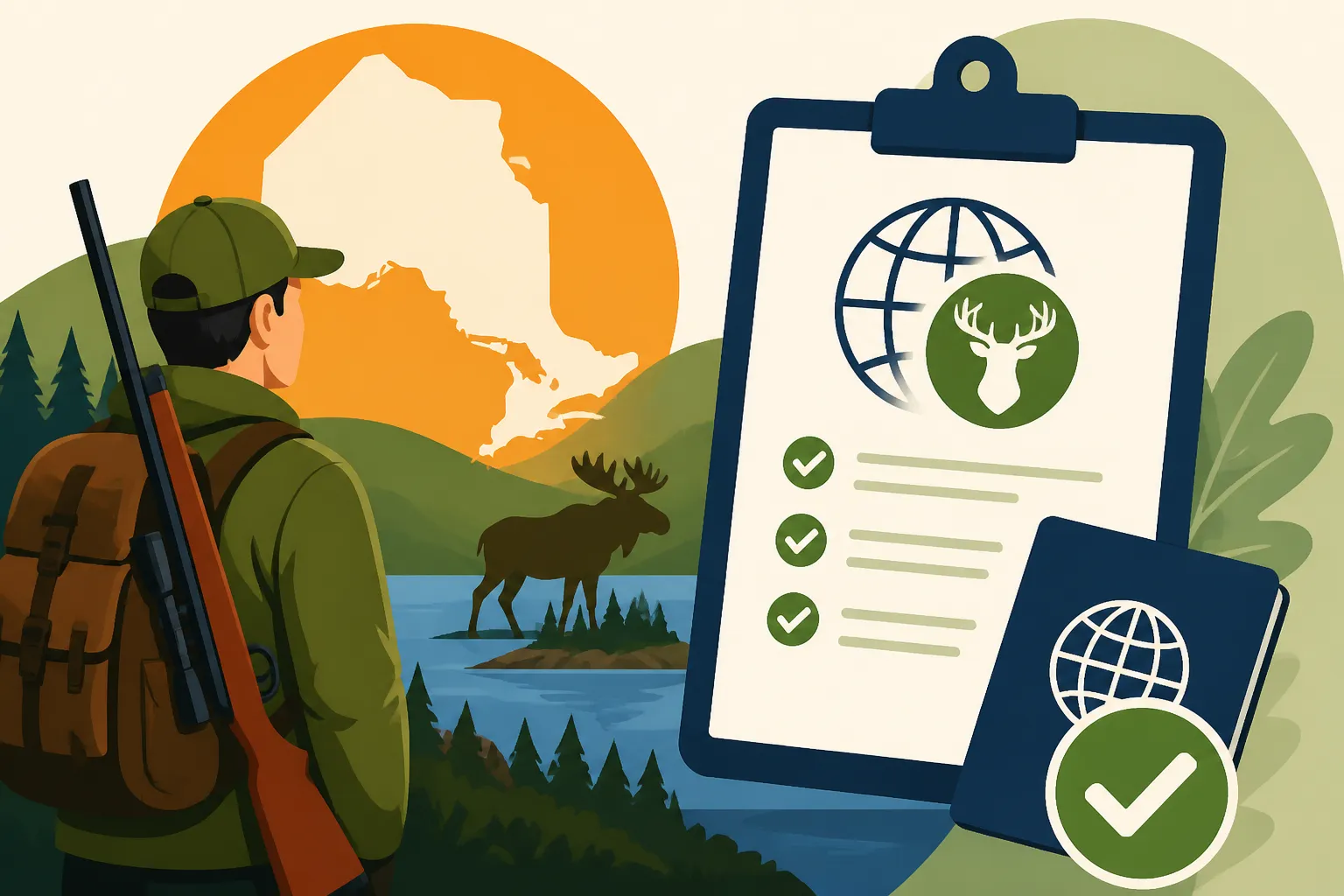
Let's be clear: if you're coming to Ontario from another country, say, the United States, and you harvest game, you absolutely need an export permit to take any part of that animal (meat, hide, skull, antlers) out of Ontario. This isn't just a suggestion; it's a legal requirement under provincial regulations. Think of it as your official provincial passport for your game. Without it, you could face delays, fines, or even the forfeiture of your hard-won harvest at the border. It's designed to track game movement, ensure legal harvest, and protect Ontario's wildlife resources.
For residents, the rules are different. If you live in Ontario, you generally don't need a provincial export permit to move game within the province, or even to another Canadian province, though federal regulations might apply for certain species or if you're taking it to another country. But as a visitor, your journey home involves crossing that provincial boundary and often an international border, making the export permit a crucial piece of documentation. It's often one of the core differences that Rules for Non-Residents Hunting Ontario clarifies for incoming hunters. You've invested time, money, and effort into your hunt; don't let a simple piece of paper derail your plans.
What the Export Permit Covers (and What it Doesn't)
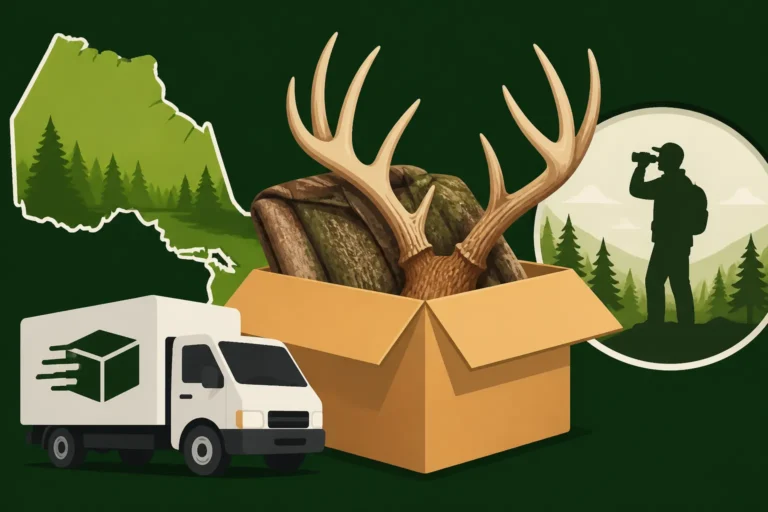
The Ontario Export Permit specifically authorizes the movement of legally harvested game parts from Ontario. This includes things like the packaged meat from a deer or moose, the hide of a bear, or the antlers and skull plate of a whitetail. It's designed to cover all the physical components of the animal you wish to take with you, ensuring they were taken under a valid licence and tag.
However, it's vital to understand its limitations. This provincial permit is not a blanket pass for international travel. While it gets your game out of Ontario, it doesn't automatically grant you entry into your home country with that game. For example, if you're a US resident, you'll still need to comply with US Fish & Wildlife Service and possibly USDA regulations for importing animal products. These often require additional declarations or inspections at the border. The Ontario permit also doesn't replace federal permits like CITES (Convention on International Trade in Endangered Species of Wild Fauna and Flora) permits, which are only required for specific species or parts that are listed under CITES appendices, though this is rare for most common game species in Ontario like deer or moose. The main takeaway here is that the Ontario export permit is a critical piece of the puzzle, but it's only one piece. It gives you the green light from Ontario, but you still need the green light from your destination.
The Application Process: Step-by-Step for Visitors
The thought of navigating bureaucracy after an exhilarating hunt can feel daunting, but applying for your Ontario Export Permit is usually quite straightforward if you know the steps and prepare in advance. Don't let the process intimidate you; breaking it down makes it much more manageable.
Gathering Your Documentation Before You Apply
Before you even think about hitting that "apply" button, you need to have all your ducks in a row. The key to a smooth application is having accurate information readily available. Here's what you'll typically need:
First and foremost, your Ontario Hunting Licences and What They Cost and your Ontario's Outdoors Card Explained will be central. You'll need the numbers from these documents. Your valid game tag, which should be properly notched and attached to your harvested animal, is also crucial. Remember, that tag is proof of a legal harvest. For some species or tag types, especially antlerless tags, you might need to show "evidence of sex" until the meat is processed. This means leaving a specific part of the animal attached, as outlined in the hunting regulations. It's a common requirement to verify the legality of your harvest.
If you used an outfitter or guide for your hunt – and many non-residents do, especially for species like moose or bear – have their information handy. Often, these professionals will assist you with the permit application, as they are well-versed in the requirements. Outfitters found through platforms like BookYourHunt or GoHunt often pride themselves on providing a full service, including help with post-hunt paperwork. Finally, have your personal identification ready: your passport (if crossing international borders) and your driver's licence. Keeping meticulous records from the moment you harvest your animal, including photos, can also be beneficial in the unlikely event of a dispute. Be sure you’ve also completed your mandatory Reporting Your Ontario Harvest, as this feeds into the system and verifies your success.
Where and How to Apply for the Permit
For most non-resident hunters, the easiest and most common way to apply for your export permit is through the Ontario government's online Natural Resources Information System (NRSI) portal. This system is designed to streamline the process for hunters and anglers. You'll typically log in using the same credentials you used to purchase your licence or Outdoors Card. The online form will prompt you for all the details gathered in the previous step, ensuring you provide everything necessary.
While Service Ontario centres exist, they are primarily for in-person transactions and might not be the most practical option for a non-resident who is likely wrapping up their hunt in a remote area before heading home. This is where your outfitter can be a lifesaver. Many reputable Ontario outfitters, particularly those catering to non-resident clients, will either guide you through the online application step-by-step or even handle the submission on your behalf as part of their service. When you're Choosing the Right Ontario Outfitter, it's a great question to ask upfront: "Do you assist with export permits?" They often have the necessary digital tools and experience to make this process incredibly smooth for their clients. It’s part of the comprehensive service you might expect from a quality operation.
The key is to apply before you're literally packing your vehicle to leave. Give yourself and the system enough time. While digital permits can sometimes be issued quickly, unexpected glitches or busy periods can cause delays.
Fees and Processing Times
Let's talk about the practicalities of cost and time. Yes, there's typically a fee associated with an Ontario Export Permit. This fee is subject to change, so I can't give you an exact figure, but it's generally a reasonable administrative cost. It's a small price to pay for peace of mind and legal compliance, especially when you consider the investment already made in your What a Non-Resident Moose Licence Costs or What a Non-Resident Deer Licence Costs. You'll usually pay this fee directly through the online portal with a credit card at the time of application.
Processing times can vary. In many cases, if you apply online and all your information is accurate, the permit can be issued almost instantly or within a few hours. However, during peak hunting seasons or if there are any discrepancies in your application, it might take longer. It’s always best to aim for at least 24-48 hours before your planned departure to avoid any last-minute stress. There isn't typically an "expedited" option for an additional fee; the best way to expedite is to submit a complete and accurate application well in advance.
Imagine this scenario: you've packed your cooler full of prime moose steaks, you're at the border crossing, and you suddenly realize you forgot to apply for your export permit. This is a situation you absolutely want to avoid. Border Services agents are there to enforce regulations, and without the proper documentation, they simply cannot let your game pass. This can lead to your game being confiscated, and that's a heartbreak no hunter wants to experience after a successful trip. Plan ahead, apply early, and keep your permit easily accessible with your other travel documents. This is a crucial step in What Happens After You Fill Your Tag.
Avoiding Pitfalls and Ensuring a Smooth Border Crossing
You've done the hard work, navigated the application, and now have your export permit in hand. The finish line is in sight, but there are a few more critical steps to ensure your journey home with your game is as seamless as possible. Border crossings can be intimidating, and preparedness is your best friend.
Proper Packaging and Labelling of Your Game
This might seem obvious, but proper preparation of your game is paramount, both for preservation and for smooth passage at the border. For meat, ensure it's been quartered, properly wrapped (vacuum-sealed is ideal), and frozen solid. Freezing helps with preservation and can also be a requirement for certain import regulations into your home country. Label every package clearly with your name, your hunting licence number, the species (e.g., "Whitetail Deer Meat"), and the date of harvest. This level of detail shows diligence and helps border agents quickly verify your harvest. Transporting Game Meat in Ontario provides more detailed advice on this.
For skulls and antlers, they should be cleaned of any brain tissue and hide remnants, and thoroughly dried. Hides intended for tanning should be salted liberally and kept cool, ideally frozen, especially if it's a bear hide. Again, clear labelling is key. Remember that your physical game tag should remain attached to the largest portion of the carcass or trophy until it's at its final destination or processed into unidentifiable pieces. For instance, if you're taking a rack, the tag should be zip-tied securely to the antlers or skull plate. This provides immediate visual proof to any official who inspects your vehicle.
Coordinating with Border Services and Your Home Country
While your Ontario Export Permit allows your game to leave the province, you're not out of the woods until it's safely across the border and into your home country. This means you need to be aware of and comply with the import regulations of your own nation. For US residents, this involves both Canada Border Services Agency (CBSA) on the Canadian side and the US Fish & Wildlife Service (USFWS) and potentially the US Department of Agriculture (USDA) on the American side.
Always, always declare all game products you are transporting when you arrive at the border. Attempting to conceal anything, even unintentionally, can lead to serious legal consequences, including fines and the confiscation of your game and even your vehicle. Have all your documentation ready: your passport, your Ontario hunting licence, your properly notched and attached game tag, and your Ontario Export Permit. If you brought a firearm into Canada, also have your The Non-Resident Firearm Declaration ready.
It's a smart move to contact your specific border crossing beforehand, or at least research your home country's import regulations online. A quick call to the USFWS or USDA office nearest your planned crossing point can save immense frustration. They can advise you on any specific requirements, such as whether certain parts of the animal are prohibited, or if veterinary certificates are needed for certain products. Taking a trophy Taking Meat and Antlers Across the Border involves more than just the Ontario side of the paperwork.
Common Mistakes to Avoid
In the excitement of a successful hunt and the rush to get home, it's easy to overlook crucial details. Here are some of the most common mistakes non-resident hunters make when dealing with export permits:
- Not applying early enough: Waiting until the last minute is a recipe for stress. Give yourself a buffer of at least a day or two before departure.
- Missing documentation: Whether it's a forgotten licence number, an uncompleted harvest report, or simply not having your physical permit printed or easily accessible on your phone, incomplete documentation will cause delays.
- Incorrectly identifying species or sex: Double-check that the species and, if applicable, the sex of the animal on your permit matches your harvest exactly. Discrepancies can raise red flags.
- Not having the physical permit with your game: While digital permits are convenient, having a printed copy is often advised, especially if you're traveling through areas with spotty cell service. Keep it with your other vital documents.
- Forgetting to declare everything at the border: This is perhaps the biggest and most serious mistake. Always declare all animal products. Honesty and transparency are key to a smooth border crossing.
- Not understanding your home country's import rules: The Ontario Export Permit is just one piece of the puzzle. It's your responsibility to know what your country requires for import.
By being meticulous and preparing ahead of time, you can ensure that the memory of your incredible Ontario hunting experience isn't overshadowed by border hassles.
Essential Documents for Non-Resident Hunters Crossing the Border
To help summarize all the key documents you'll need, here's a quick reference table. Remember, each plays a specific role in your hunting and travel journey.
| Document Type | Purpose | Issuer | Who Needs It (Visitor) |
|---|---|---|---|
| Ontario Export Permit | Legal permission to transport game out of Ontario | Ontario Ministry of Natural Resources and Forestry (MNRF) | Required for non-residents taking game parts out of Ontario |
| Hunting Licence & Tag | Legal permission to hunt and harvest in Ontario | Ontario MNRF | All hunters, proof of legal harvest |
| Outdoors Card | Base identifier for all hunting/fishing licences in Ontario | Ontario MNRF | All hunters |
| Federal Migratory Bird Permit | Required for hunting migratory game birds (ducks, geese, snipe) | Environment and Climate Change Canada | Migratory bird hunters |
| Non-Resident Firearm Declaration | Legal permission to import firearms into Canada | Canada Border Services Agency (CBSA) | Non-residents bringing firearms into Canada |
| Passport & Driver's Licence | Standard travel identification | Your home country | All international travellers |
| Home Country Import Documents | Legal permission to import game into your home country (e.g., USA) | Your home country (e.g., US Fish & Wildlife/USDA) | Non-residents taking game across international borders |
Disclaimer
This article is for general informational purposes only and does not constitute professional advice. Laws, prices and regulations vary by location and change over time. Consult a qualified professional for guidance on your specific situation.