Getting Meat Processed in Ontario
You've just put in the hard work, maybe hiked miles through the bush, or sat patiently in a stand for hours, and finally, you've harvested an animal in Ontario. That feeling of accomplishment is incredible, but then the practical side kicks in: what now? The next crucial step, and one that can make or break the quality of your hard-earned meat, is proper processing. It's a stage many hunters, especially those new to the province or visiting from afar, find daunting, wondering if they should tackle it themselves or trust a professional. This guide is here to walk you through all your options for getting your game meat processed in Ontario, ensuring your efforts in the field translate into delicious meals on the table.
The Initial Field Dressing – Your First Steps to Quality Meat
Before you even think about a butcher shop or your own kitchen, the quality of your game meat starts literally moments after the animal is down. This initial field dressing is the most critical step, and honestly, it’s not one you can afford to mess up or delay.
Why Field Dressing is Crucial and Quick!
Think of it this way: the moment an animal expires, its body heat begins to build up, especially in the body cavity. This warmth, combined with internal moisture, creates a perfect breeding ground for bacteria that can quickly spoil the meat. Your goal in field dressing is to rapidly cool the carcass by removing the internal organs. It's not the most glamorous part of the hunt, but it’s absolutely essential. I've seen too many otherwise successful hunts result in less-than-stellar meat because the field dressing was rushed or delayed, especially on a warm early season day. Imagine you've just taken a beautiful whitetail buck on a balmy September afternoon; that clock starts ticking fast. Delaying even an hour can start to compromise the meat, giving it an off-flavour or causing spoilage around the gut cavity. Don't let all your hard work in the bush go to waste at this stage!
Essential Tools for Field Dressing in the Bush
You don't need a massive toolbox for field dressing, but having the right essentials makes a world of difference. A good, sharp knife is paramount – something with a comfortable grip and a blade that holds an edge. Many hunters carry a few knives: a sturdy fixed blade for initial cuts, and perhaps a smaller, finer knife for delicate work. Beyond that, a pair of rubber gloves is a must for hygiene and to protect yourself from any potential pathogens. Some hunters also carry a small piece of rope or zip ties to secure legs for easier handling, and often, a small saw or bone cutters if you plan on quartering the animal in the field to make it easier to haul out. Game bags, breathable cloth sacks, are also invaluable for protecting the meat from dirt, insects, and drying out once it’s field dressed and cooling. If you’re hunting remotely, consider how you’ll get the animal back to camp or your vehicle. For moose or larger deer, this might involve quartering right where it fell, which requires a bit more skill and the right tools.
Handling and Transporting the Carcass
Once field dressed, the race against heat isn't over. You need to get that carcass to a cooler environment as quickly and cleanly as possible. If you’re hunting close to a vehicle, a sled or game cart can make dragging a deer much easier, especially over rough terrain or through heavy bush. For bigger game like moose, or if you're deep in the wilderness, quartering the animal in the field is often the only realistic way to transport it out. This involves breaking the animal down into manageable pieces – often four quarters, the backstraps, and the tenderloins – and carrying them out in game bags. Field Dressing in Warm Ontario Weather delves into specific strategies for warmer conditions.
No matter how you move it, keep the meat clean. Avoid dragging it directly on the ground if possible, or at least keep the skinned sides up. Once loaded, ensure air can circulate around the carcass to continue the cooling process. Don't just throw it in the back of a pickup truck and drape a tarp over it, trapping heat. Consider using large coolers with ice for smaller game or quartered pieces, especially if you have a long drive ahead or if ambient temperatures are still high. For larger animals, hanging the carcass in a cool, shaded area at camp, perhaps strung up from a tree limb where air can circulate, is ideal until you can get it to a processor or begin butchering yourself. It’s all about maintaining that precious meat quality.
Options for Processing Your Game Meat in Ontario
After the initial field dressing, you're faced with a choice: do you roll up your sleeves and do it yourself, or do you hand it over to a professional? Both options have their merits, depending on your experience, equipment, time, and comfort level.
DIY Processing at Home or Camp
Many seasoned Ontario hunters take immense pride in processing their own game meat. It’s a continuation of the hunt, a hands-on way to connect with the food you’ve harvested, and it offers complete control over the final product.
Pros of DIY Processing:
- Cost Savings: This is often the biggest motivator. Professional processing can add a significant cost to your hunt, especially for larger animals. Doing it yourself eliminates that expense.
- Custom Cuts: You decide exactly how you want your meat cut – thick steaks, thin cutlets, specific roasts, or how much you want ground. No more wondering if the butcher understood your request for extra stew meat.
- Satisfaction: There's a deep satisfaction in taking an animal from the field to your freezer all by your own hand. It's a skill that many hunters value.
- Knowing Your Meat: You'll know exactly what went into the processing, from cleanliness to trim.
Cons of DIY Processing:
- Time-Consuming: Processing a deer, let alone a moose or bear, is a serious time commitment. It can take many hours, often spread over a couple of days.
- Requires Equipment: You'll need good knives, a sharpening steel, a cutting surface, game bags, a grinder for burger, and potentially a vacuum sealer or freezer paper. A dedicated cool space, like a garage in the fall, is also crucial.
- Knowledge and Skill: Proper butchering takes practice and knowledge to get clean cuts and maximize yield. Learning can be a messy process.
- Space: You'll need a clean, dedicated workspace, ideally with access to running water and a large cooler or walk-in cooler if hanging for an extended period.
If you decide to go the DIY route, ensure you have a plan. Understand the basic anatomy, watch some instructional videos, and start with good, sharp tools. Hanging Meat in Fall Temperature Swings provides excellent advice on the nuances of aging and cooling meat at camp.
Hiring a Professional Butcher or Processor
For many hunters, especially those visiting Ontario from out of province or those with limited time, space, or experience, a professional game processor is a godsend. They handle everything from skinning to packaging, leaving you with neatly wrapped cuts ready for the freezer.
Pros of Professional Processing:
- Convenience: This is a huge one. You drop off your field-dressed animal and pick up packaged meat. It saves immense time and effort after a demanding hunt.
- Expertise: Professional butchers know how to maximize yield and provide clean, expertly cut meat. They have specialized equipment for efficient processing.
- Specialty Products: Many processors offer more than just basic cuts. Think custom sausages, burger patties, jerky, pepperettes, or even cured hams.
- Proper Storage: Most processors have large walk-in coolers to properly hang and age your meat, which can significantly improve flavour and tenderness.
Cons of Professional Processing:
- Cost: Professional services come with a price tag, often charged by the pound or as a flat fee, plus extra for specialty items. This can add a few hundred dollars or more to your hunt expense.
- Scheduling: During peak hunting seasons (especially the deer rifle season in November), processors can get incredibly busy. You might need to book ahead or face delays.
- Finding One: While many rural areas have reputable processors, finding one that's convenient to your hunting area can sometimes be a challenge, particularly in very remote regions. If you're planning a trip, resources like BookYourHunt or GoHunt, while primarily focused on booking hunts, can sometimes provide insights into local services or outfitters that work with specific processors. It's always a good idea to ask your outfitter or local hunting contacts for recommendations. Finding a Butcher Near Your Camp can help you locate a reliable service.
Understanding Processing Timelines and Costs
When you opt for a professional processor, understanding the timeline and cost structure is important for managing expectations and your budget.
Timelines:
The turnaround time for processing game meat can vary wildly.
- Seasonality: During the busiest times of year, like the peak of deer season in November, processors can have a backlog. What might take a few days in the off-season could stretch to a week or more during the rut.
- Animal Size: A whitetail deer will generally be processed faster than a large moose or bear.
- Specialty Requests: If you're asking for a lot of custom sausages, jerky, or smoked products, this will naturally add to the processing time.
Always call the processor before your hunt, or at least immediately after harvest, to get an estimate on their current turnaround times. This allows you to plan your pick-up or travel arrangements accordingly.
Costs:
Processor fees are not standardized across Ontario, but generally fall into a few categories:
- Basic Processing Fee: This often covers skinning, basic cuts (steaks, roasts, ground meat), and packaging. It might be a flat rate per animal or a per-pound charge based on the hanging weight of the carcass.
- Additional Fees for Specialty Items: If you want custom sausages (e.g., hunter sausage, pepperoni), jerky, pepperettes, smoked hams, or specialty burger patties (e.g., with bacon or cheese), these will almost always be extra.
- Packaging: Standard packaging might be included, but vacuum sealing, which offers superior freezer burn protection, often comes at an additional cost per pound.
- Disposal Fees: Some processors might charge a small fee for the disposal of hides and other waste.
As I can't provide current figures, always contact the individual processor directly for their current pricing structure and any associated fees. Don't be shy about asking for a detailed breakdown so there are no surprises when you pick up your meat.
What to Expect When Using a Professional Processor
So, you've decided to go with a professional. Great choice! But knowing what to expect can help ensure a smooth experience and that you get exactly what you want from your valuable harvest.
Choosing the Right Processor for Your Needs
Not all butchers are created equal, and not all specialize in wild game. Taking a few minutes to vet a processor beforehand can save you headaches later.
Key Questions to Ask:
- Experience with Game: Does the butcher regularly process deer, moose, bear, or whatever you've harvested? Game meat handles differently than domestic livestock.
- Types of Cuts Offered: Can they do specific cuts you prefer (e.g., boneless roasts, bone-in steaks, backstrap cutlets)?
- Specialty Products: Do they make sausages, jerky, or other processed items? What are their options and costs?
- Packaging Options: Do they offer vacuum sealing, or just freezer paper? Vacuum sealing is highly recommended for long-term freezer storage.
- Storage: Do they have a clean, cool place to hang the carcass before processing? How long can they store the finished product before pickup?
- Cleanliness: While you might not inspect their shop beforehand, reviews or recommendations from other hunters often speak volumes about a processor's hygiene standards.
It's a good idea to call ahead, especially during hunting season, to confirm they are accepting game and to discuss your needs. If you're hunting with an outfitter, they usually have trusted local processors they work with and can guide you. This kind of planning is an important part of Planning an Ontario Hunting Trip.
Common Cuts and Specialty Products
When you drop off your animal, the processor will usually have a cut sheet or will ask you about your preferences.
Standard Cuts:
- Steaks: Often from the backstraps, hindquarters, or loin. You can specify thickness.
- Roasts: Typically from the larger muscle groups of the hindquarters and shoulders.
- Ground Meat: This is where a lot of game meat ends up, especially from the trimmings and neck meat. You can often request a specific fat-to-meat ratio by adding pork or beef fat.
- Stew Meat/Kabob Meat: Cubed meat, perfect for slow cooking.
Beyond the Basics – Specialty Products:
Many processors excel at turning game meat into delicious, shelf-stable, or ready-to-cook items:
- Sausages: A hugely popular option. You can often choose from various flavours (e.g., mild Italian, hot Italian, breakfast sausage, garlic sausage) and whether you want it fresh or smoked.
- Burger Patties: Pre-made patties, sometimes with added bacon or other ingredients, ready for the grill.
- Jerky/Pepperettes: Cured, dried meat snacks that are fantastic for on-the-go or as gifts.
- Cured Items: Some processors can cure and smoke hams, back bacon, or even make pastrami from larger cuts.
The packaging for these products is usually robust. Vacuum-sealed bags are increasingly common and are the gold standard for preventing freezer burn and extending freshness. Otherwise, heavy-duty freezer paper or thick plastic bags are used.
Storage and Transporting Your Finished Product
Once your meat is processed, it's typically frozen solid and ready for pickup. This is where your planning for storage and transport comes in.
- Freezer Space: Ensure you have ample freezer space at home or camp to accommodate your bounty. A deer can yield a significant amount of meat, and a moose will fill a chest freezer easily!
- Coolers for Transport: If you have a long drive home, especially if you're a non-resident heading across the border, you'll need sturdy coolers, and plenty of ice or dry ice to keep the meat frozen solid. Transporting Game Meat in Ontario offers specific advice on this. You definitely don't want to pick up beautifully processed meat only to have it start thawing on the way home.
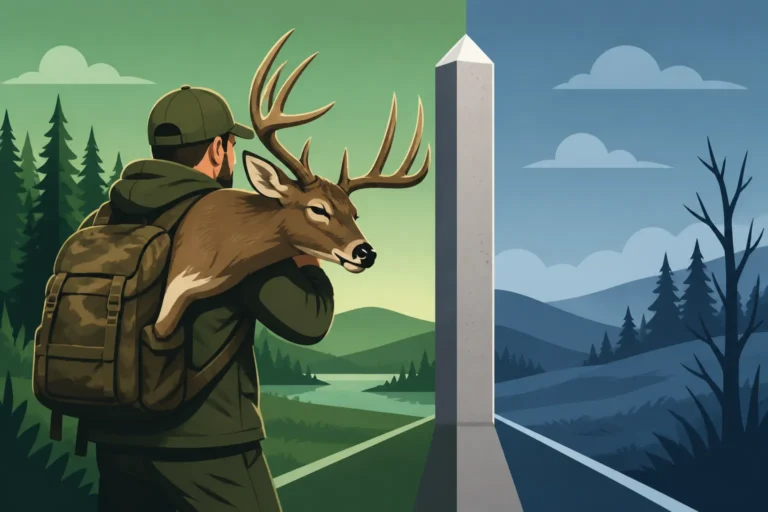
- Crossing the Border: Non-residents need to be aware of regulations for bringing wild game meat into the United States (or other countries). Typically, meat needs to be deboned, processed, and often accompanied by proper documentation, like your hunting licence and tag. Check with border services before your trip to ensure you meet all requirements. Your processor can often help with the necessary paperwork or advice. Taking Meat and Antlers Across the Border is a crucial read here.
Tips for Ensuring a Great Processing Experience
Getting your game meat processed in Ontario should be a rewarding part of your hunting adventure. A little proactive effort and clear communication go a long way in ensuring you get exactly what you want and that the process is smooth from start to finish.
Communication is Key
It sounds simple, but clear communication with your chosen processor is the absolute bedrock of a good experience. Don't assume they know your preferences, especially if you're a first-time client or bringing in a new species.
- Call Ahead: Always, always call the processor as soon as you know you've harvested an animal, or even before your hunt if possible. Confirm their hours, their capacity to take your animal, and current turnaround times. This avoids the frustration of showing up with a carcass only to find they're full or closed.
- Be Specific About Cuts: Don't just say "standard cuts." Use their cut sheet if they have one, or clearly articulate if you want thick steaks, thin stir-fry strips, boneless roasts, or a certain lean-to-fat ratio for ground meat. If you have unique requests, discuss them early.
- Confirm Pick-Up: Make sure you know exactly when your meat will be ready and plan to pick it up promptly. Processors have limited freezer space, and timely pick-up is a common courtesy.
Maintaining Meat Quality from Field to Freezer
Your processor can only work with the quality of meat you bring them. Their expertise can enhance it, but they can't magically fix meat that has been poorly handled in the field. This goes back to the absolute importance of proper field dressing and rapid cooling.
- Keep it Clean: Prevent dirt, hair, or gut contents from contaminating the meat. Rinse the body cavity if needed with clean water (and thoroughly dry it afterwards), and use game bags to protect it during transport.
- Keep it Cool: The faster you can drop the internal temperature of the carcass, the better the meat quality will be. This means field dressing quickly, hanging it to cool, and delivering it to the processor in a timely manner. If you're out in the wilderness, Meat Care in Ontario's Warm Early Seasons offers vital strategies for managing heat. For later seasons, understanding Hanging Meat in Fall Temperature Swings is equally important to avoid freezing or thawing prematurely.
- Deliver Promptly: Get the field-dressed animal to the processor as soon as practically possible. Every hour counts, especially in warmer temperatures.
Exploring Butcher Shops and Local Services
Finding a reputable game processor can sometimes feel like a treasure hunt, but there are some reliable avenues to explore.
- Word-of-Mouth: This is often the best way. Talk to other local hunters, members of hunting clubs, or even folks at local tackle shops or sporting goods stores. They’ll usually have strong opinions and good recommendations.
- Outfitters: If you're on a guided hunt, your outfitter will undoubtedly have a preferred processor they work with regularly. They can usually handle the logistics of getting your animal there and often facilitate communication. Look at their websites or contact them to ask about post-hunt services, as many will mention working with local butchers.
- Online Searches: A quick search for "game meat processing Ontario" or "deer butcher near [your hunting town]" can yield results. Check their websites for services and look for reviews. Remember, for general trip planning, sites like GoHunt or BookYourHunt focus on connecting hunters with outfitters, but those outfitters in turn are connected to local services, so you might find indirect leads there.
- Local Abattoirs/Butcher Shops: Many small-town butchers that process domestic livestock will also take wild game, especially during hunting season. They often have the necessary equipment and experience.
By taking these steps, you'll be well on your way to enjoying the delicious, high-quality meat from your Ontario hunting adventure, knowing that you've honoured your harvest every step of the way.
Disclaimer
This article is for general informational purposes only and does not constitute professional advice. Laws, prices and regulations vary by location and change over time. Consult a qualified professional for guidance on your specific situation.