What an Ontario Guided Moose Hunt Costs
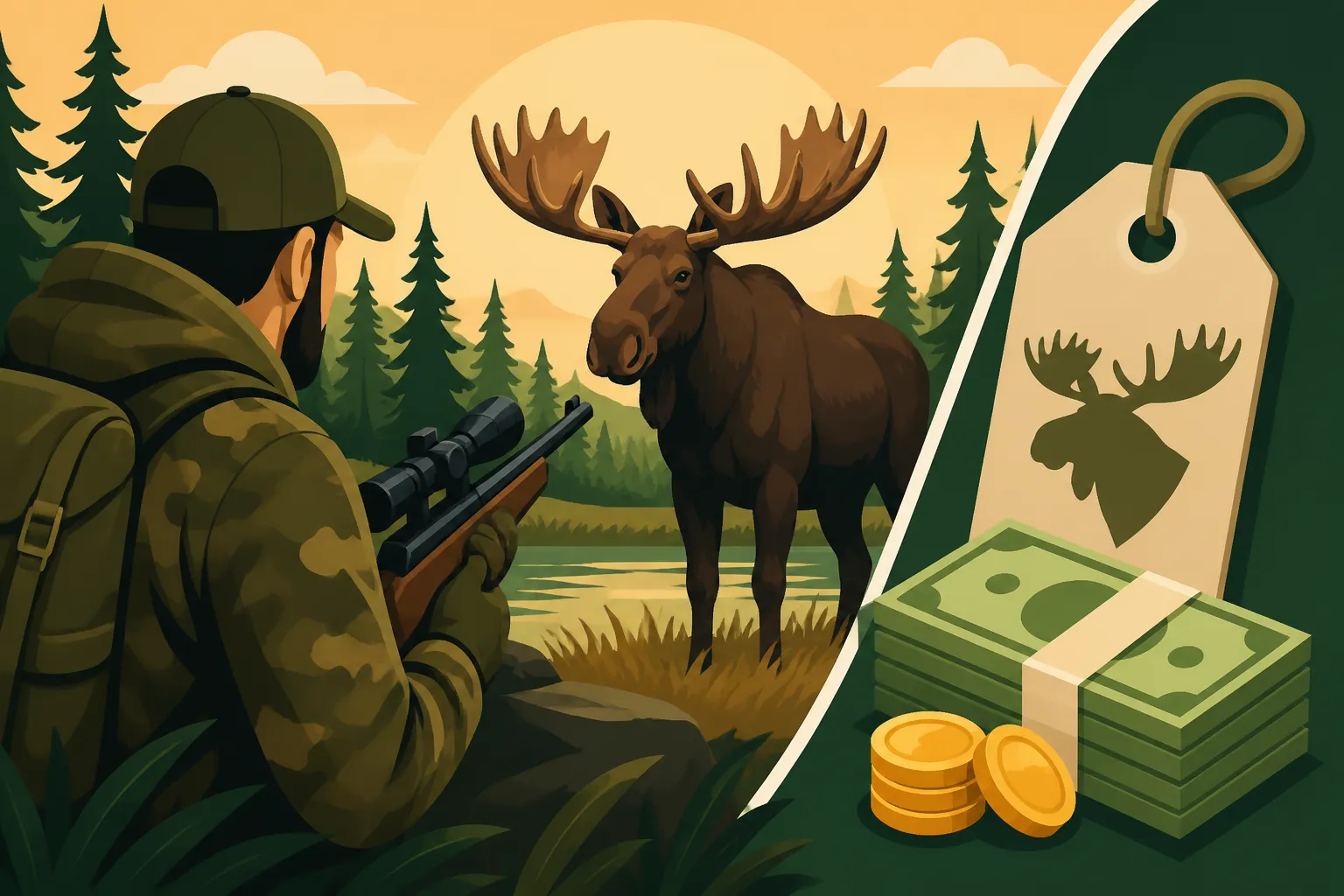
One of the biggest questions that swirls around anyone dreaming of an Ontario moose hunt is, "What's this actually going to cost me?" It's a completely fair concern, because let's be honest, hunting in Canada can seem like a big financial commitment, and the prices you see online for guided trips can vary wildly. This guide is here to demystify those costs, break down what you're really paying for, and help you understand the true investment involved in chasing a bull moose in Ontario's incredible wilderness.
Breaking Down the Base Costs of a Guided Moose Hunt
When you look at a guided moose hunt package in Ontario, the sticker price is usually what grabs your attention first. This base price is what the outfitter charges for the core experience, and it's important to understand what's typically bundled into that figure. Generally, this covers your guiding services, accommodation, meals, and transportation once you've arrived at their camp.
A good guided package often includes a dedicated guide for your hunting party, whether it's one-on-one or two-on-one. These guides are crucial; they know the territory, how moose move, and how to track and call these magnificent animals. Their expertise is a significant part of the cost, as they're not just showing you where to walk, but actively hunting with you, helping you make decisions, and ensuring your safety. Without an experienced guide, especially if you're unfamiliar with the vast northern bush, your chances of success can plummet.
Accommodation can range from rustic tent camps deep in the bush to comfortable lodges with modern amenities. The type of lodging directly impacts the overall price. A cozy cabin with hot showers and a chef preparing meals will naturally cost more than a basic canvas tent camp where you're cooking over an open fire. Most packages also factor in all your meals, which is a huge convenience. Imagine coming back from a long day of hunting to a hot, hearty dinner already prepared for you – that's a luxury you're paying for, and it frees you up to focus purely on the hunt.
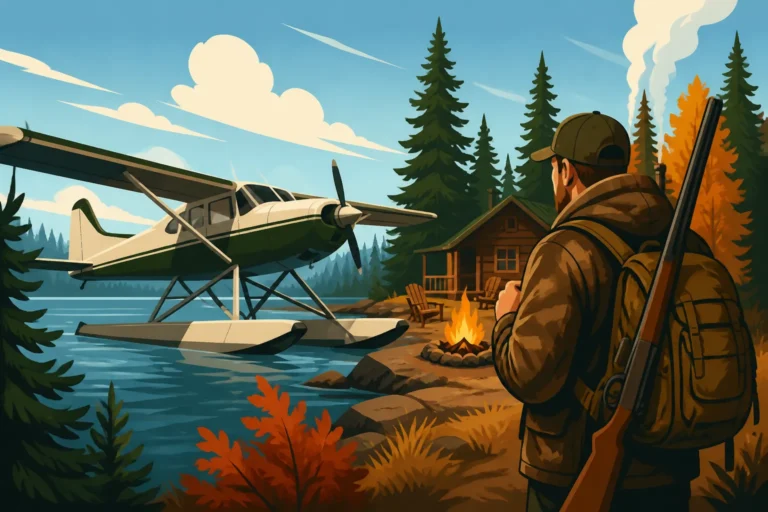
Transportation during the hunt, such as boat access to remote areas, ATV use, or even float plane flights to distant spike camps, will also be part of the base cost. If you're going deep into the boreal forest, it's often the logistics of simply getting to the hunting grounds each day that add up. These are the operations costs for the outfitter, and they get passed along in the package price. This is why some remote, fly-in hunts can feel quite a bit steeper than a drive-to camp.
Beyond the Base Price: What Else You'll Pay For
While the package price is a big chunk, it's almost never the final cost. There are several other significant expenses you'll need to budget for when planning your Ontario guided moose hunt. Ignoring these can lead to unpleasant surprises later on.
First up are your hunting licences and tags. As an international hunter, you'll need an Outdoors Card, which is your permit to hunt in Ontario, along with your specific moose licence and tag. These aren't usually included in the outfitter's package fee and must be purchased separately. The cost for these can vary depending on whether you're a resident or non-resident, and whether you're opting for a bull or cow tag. You can find more specific details on What a Non-Resident Moose Licence Costs by checking current regulations. Outfitters often assist with this process, but the fees are yours to cover.
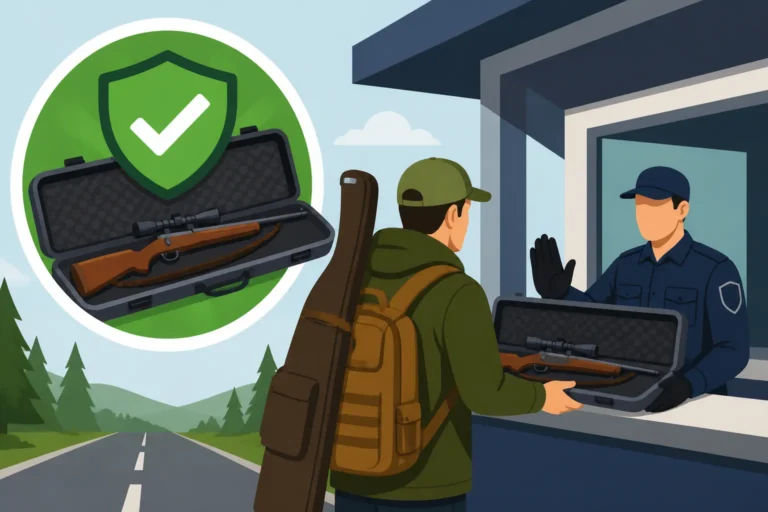
Travel to and from Ontario is another major consideration. This includes airfare if you're flying, fuel costs if you're driving a long distance, and any overnight stays required before or after the hunt. Many hunters from outside Ontario will fly into major hubs like Toronto or Thunder Bay. From there, you might rent a car for a long drive, or catch a regional flight, or be picked up by your outfitter. Remember to factor in baggage fees for your hunting gear and any extra costs for transporting firearms if you're flying with them. Don't forget the process of Declaring a Firearm at the Canadian Border if you're bringing your own rifle or shotgun.
Then there are the "trophy care" and meat processing costs. Once you've successfully harvested your moose, the real work begins. Your outfitter will typically help with field dressing and getting the animal out of the bush. But from there, you'll need to decide how to handle the meat and any trophy parts. Will you have the meat processed locally by a butcher? This can add a significant cost, but saves you immense time and effort. If you plan to take the hide, skull, or antlers home, there may be fees for caping, salting, or preparing them for shipment. Shipping costs for meat and trophies, especially if you're traveling a long distance, can be substantial. Understanding What Happens After You Fill Your Tag regarding meat and trophy handling is key.
And let's not forget gratuities. Tipping your guide and any camp staff is customary and expected in the hunting industry, especially for a job well done. This is a significant part of their income and a way to show appreciation for their hard work, long hours, and dedication to your hunting success. Budgeting for How Much to Tip an Ontario Guide is an important part of your overall financial planning.
Factors That Influence the Final Price Tag
The variability in guided moose hunt costs isn't random; it's driven by several key factors that directly impact the outfitter's operational expenses and the level of service they provide. Understanding these can help you discern why one package might be thousands more than another.
One of the biggest differentiators is the duration and type of hunt. Most guided moose hunts run for a specific number of days, usually 5 to 7 days of actual hunting, not including travel days. A longer hunt typically means a higher cost, simply because it involves more guide time, more meals, and more wear and tear on equipment. The type of hunt also matters: a fully-guided experience where your guide is with you from dawn till dusk, actively calling, tracking, and assisting, will cost more than a "semi-guided" trip. A semi-guided hunt might offer a camp, meals, and advice, but you're largely hunting on your own. There are also "drop camps" where an outfitter provides remote transportation and equipment, then leaves you to hunt independently, which are generally the most affordable option.
The remoteness and accessibility of the hunting area play a huge role. Outfitters operating deep in Ontario's wilderness, especially those requiring float plane access, will have higher costs due to fuel, aircraft maintenance, and logistical complexities. If you're looking for an adventure far from roads and other hunters, be prepared to pay a premium. A drive-in camp that's easier to access will usually be more budget-friendly. For example, some areas like the Lake of the Woods country might be more accessible by road, while others deeper into the Chapleau country might necessitate a float plane or extensive ATV travel. The outfitter often needs to budget for What a Fly-In Camp Weight Limit Means as well, which impacts what gear you can bring.
Camp amenities and services also drive costs. As mentioned, a rustic tent camp is cheaper than a lodge with hot running water, electricity, internet, and a dedicated cook. If you're particular about comfort, you'll pay for it. Consider what type of camp experience you want. Some hunters prefer the bare-bones bush camp for an authentic wilderness experience, while others value a warm, dry bed and good food after a strenuous day. Understanding What a Housekeeping Camp Actually Means versus a fully catered "American Plan" lodge is important when comparing packages.
Finally, the hunter-to-guide ratio affects the price. A true one-on-one guided hunt provides the most personalized experience but also carries the highest cost, as the guide is exclusively focused on your success. A two-on-one hunt, where two hunters share a guide, is often more economical and still offers a high level of service. If you're hunting with a buddy, a two-on-one package can be a great way to split costs and make a guided trip more attainable.
Here's a quick comparison of typical guided hunt options:
| Hunt Type | Guide Presence | Lodging & Meals | Transportation on Hunt | Overall Cost Expectation |
|---|---|---|---|---|
| Fully Guided | Dedicated, 1:1 or 2:1 | Provided, often catered | Included | Highest |
| Semi-Guided | Advice, camp setup | Provided, often housekeeping | Limited, or self-drive | Mid-Range |
| Drop Camp | Transport to site only | Provided (tent/cabin), self-catered | None | Lowest |
Making Smart Choices: Finding Value in an Ontario Guided Moose Hunt
Given the significant investment, it's essential to do your homework and make informed decisions to ensure you're getting the best value for your money. Don't just pick the first outfitter you find; research is your best friend.
Start by clearly defining your budget and your expectations. Are you looking for a luxury experience with all the comforts, or are you happy with a more rugged, no-frills hunt? Knowing this upfront will help you narrow down your options. Platforms like BookYourHunt or GoHunt can be excellent resources for finding and comparing outfitters across Ontario, giving you a broad overview of what's available and at what price points. You can filter by species, location, and services offered, which makes the initial scouting much easier.
When you start contacting outfitters, don't be afraid to ask detailed questions. Inquire about exactly what's included in the package price and, perhaps more importantly, what isn't. Ask about hidden fees, additional services like meat processing, and trophy handling. Get clarity on the hunter-to-guide ratio, the type of terrain you'll be hunting, and what kind of physical conditioning they recommend. Experienced outfitters will appreciate your thoroughness and be happy to provide transparent answers. You'll also want to ask about their success rates. Keep in mind that Success Rates on Ontario Moose Hunts can vary wildly year-to-year and depend on many factors, so don't expect a guarantee, but it gives you an idea of their general performance.
Timing your hunt can also influence cost and success. Many hunters aim for the rut period in late September and early October, as moose activity is higher, making them more responsive to calling. Booking Around Ontario's Rut Weeks often means higher demand and potentially higher prices, so weigh the benefits against the cost if your budget is tight. Booking well in advance, sometimes a year or more ahead, is often necessary for prime dates and gives you more flexibility. Check out tips for Booking an Ontario Hunt a Year Ahead to ensure you secure your spot.
Finally, consider the outfitter's reputation. Look for reviews, testimonials, and if possible, ask for references from past clients. A reputable outfitter will have a track record of satisfied hunters and a commitment to ethical hunting practices. While it's tempting to jump on a "deal," remember that in hunting, you often get what you pay for. Investing in a well-regarded outfitter typically translates to a safer, more enjoyable, and ultimately more successful hunt. A little extra spent on a trusted outfitter can save you a lot of disappointment in the long run.
Disclaimer
This article is for general informational purposes only and does not constitute professional advice. Laws, prices and regulations vary by location and change over time. Consult a qualified professional for guidance on your specific situation.