Ontario Housekeeping Versus American Plan Camps
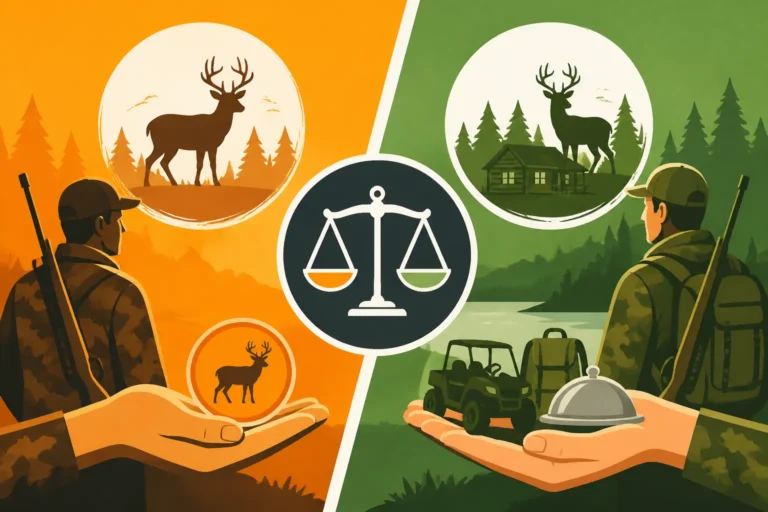
Deciding on the perfect hunting camp experience in Ontario can feel like trying to hit a moving target, especially when you're faced with options like "housekeeping" versus "American Plan." Many hunters, particularly those coming from out of province or planning their first big Ontario adventure, get a little bewildered trying to figure out what each truly entails and which one will best suit their unique hunting style and group dynamics. This guide is here to untangle that confusion, breaking down the distinct characteristics, advantages, and considerations of both camp types, so you can confidently choose the ideal setup for your next wilderness pursuit.
Understanding the Housekeeping Camp Experience
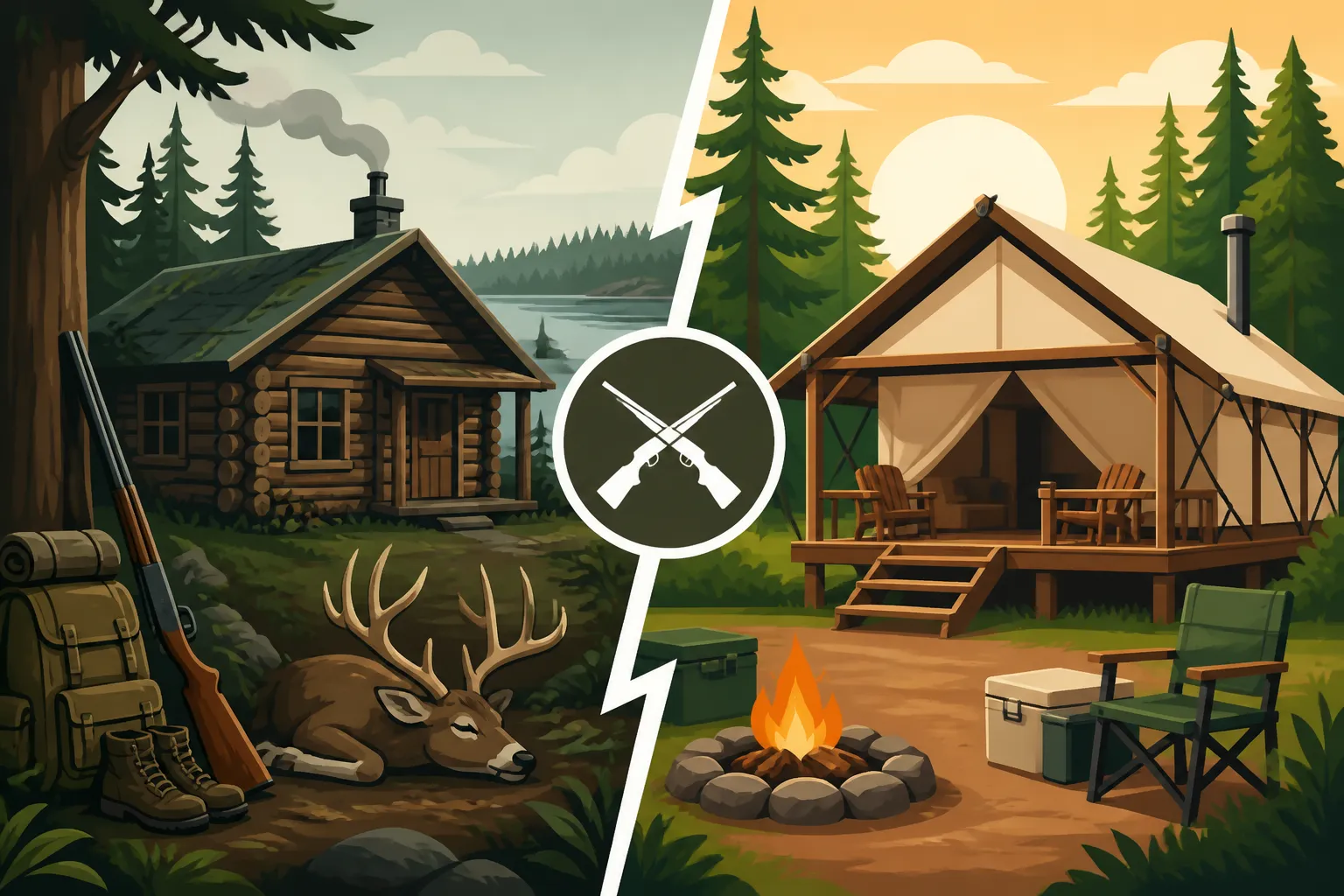
When an outfitter or lodge talks about a "housekeeping camp," they're essentially offering you a rustic home away from home, a self-contained unit where you're the master of your own domain. Think of it as renting a cottage or cabin in the heart of the Ontario bush, equipped with the basics you need for an extended stay, but without the daily service you might find in a hotel. This style of camp is incredibly popular for good reason, giving hunters a level of independence that many truly value.
The DIY Ethos
At its core, a housekeeping camp embodies the "do-it-yourself" spirit. You're responsible for almost every aspect of your daily life beyond the actual hunting guidance, if you've opted for a semi-guided package. This means you're stocking the fridge, cooking your own meals, cleaning up after yourselves, and generally managing the rhythm of your camp life. For many, this is part of the charm. It harks back to simpler times, gathering around a campfire or kitchen table, sharing stories while someone flips pancakes for breakfast or grills up some venison from a previous hunt for dinner. It fosters a strong sense of camaraderie within your hunting party as everyone pitches in. You’ll find that many remote camps, especially those deeper in the backcountry, often operate on this model, providing that authentic, rugged experience. It’s also often the more budget-friendly option, as you're not paying for the extensive staff and provisions that come with a fully serviced lodge.
Cooking and Cleaning Expectations
Be prepared to roll up your sleeves! Housekeeping camps typically come with a fully equipped kitchen, or at least a functional one: stove, oven, refrigerator, basic pots, pans, plates, and cutlery. Some might even include a BBQ outside. However, the food itself is entirely up to you. You'll need to plan your menus, shop for all your groceries beforehand, and then prepare every meal. This requires a bit of logistical planning, especially if you're driving a long distance or coming from another country. You'll want to think about non-perishable staples, easy-to-cook meals after a long day in the bush, and how to store everything safely. Similarly, you're expected to maintain the cleanliness of your cabin during your stay and leave it in good order upon departure. This usually means a basic tidying up, washing dishes, and taking out your garbage. It's not a white-glove service; it’s more like borrowing a friend's cabin. You want to leave it as you found it, or better.
Stocking Your Own Supplies
Beyond food, you're generally on the hook for all your personal supplies. This includes things like bedding (sometimes provided, but often not), towels, toiletries, toilet paper, paper towels, dish soap, garbage bags, and any personal comfort items. It’s vital to check with your specific outfitter about what is and isn't included to avoid any unwelcome surprises upon arrival. Sometimes, outfitters will have a small general store on site where you can pick up forgotten essentials, but you definitely don't want to rely on that for your main provisions, especially in more remote areas. Getting a good checklist together before you pack can make all the difference. For those looking to really immerse themselves in the independence of an Ontario hunt, perhaps deep in the woods Hunting Ontario's Crown Land, the housekeeping camp is often the go-to choice, allowing full control over every aspect of your stay.
Deciphering the American Plan Camp Experience
The "American Plan" camp is, in many ways, the antithesis of the housekeeping model. If housekeeping is about self-reliance, the American Plan is about relaxation and convenience. It's often associated with a more traditional lodge experience, where guests are catered to, allowing them to focus almost entirely on the hunting adventure itself, without the daily chores.
All-Inclusive Convenience
When you book an American Plan camp, you're generally signing up for an all-inclusive experience (though "all-inclusive" can vary slightly between outfitters, so always confirm what's covered). The most significant convenience is that your meals are provided and prepared for you. Think hearty breakfasts before dawn, packed lunches for the field, and delicious, often communal dinners in the lodge at the end of the day. This is a huge draw for hunters who want to maximize their time in the woods and truly unwind without worrying about grocery runs, cooking, or washing dishes. It's often part of a larger guided package, where your guide will also be part of this seamless experience. The convenience extends beyond food; often, these camps will include daily cabin cleaning, fresh linens, and sometimes even laundry services, making it feel much more like a vacation resort focused on hunting. When planning a hunt, especially for something like Black Bear Hunting in Ontario where focus is key, the American Plan can really elevate the experience.
Structured Days and Meals
Because meals are provided and often served at set times, the American Plan tends to have a more structured daily schedule. Breakfast might be served between 5:00 AM and 6:30 AM, dinner at 6:00 PM or 7:00 PM. While this structure is designed to facilitate efficient hunting schedules (e.g., getting everyone out the door early for a morning sit), it does mean less flexibility for individual hunters who might prefer a different routine. If you're someone who likes to sleep in after a late night of tracking or wants to stay out until dark every single day, you might find yourself rushing meals or missing them altogether. However, most reputable outfitters are quite good at providing grab-and-go options for those extended hunting sessions. Communication is key here – talk to your outfitter about their typical schedule and how they accommodate different hunting preferences. These camps often become a hub for camaraderie, with hunters sharing stories and strategies around the dinner table, a unique aspect of the American Plan.
Guided Experience Integration
Many American Plan camps come hand-in-hand with a guided hunting experience. This means not only are your meals and lodging taken care of, but you also have the expertise of a professional guide leading your hunt. This integration is seamless: your guide knows when breakfast is served, can advise on what lunch to pack, and will coordinate your daily hunting strategy around the camp's schedule. It removes much of the logistical burden, allowing you to focus on learning from your guide, enjoying the scenery, and, of course, pursuing game. For those new to Moose Hunting Ontario's Northern Bush or simply wanting to maximize their chances with local knowledge, this can be an invaluable asset. When researching outfitters, you might find detailed packages listed on platforms like BookYourHunt that clearly outline what's included in their American Plan offerings, from guiding services to specific meals.
Cost Considerations: Housekeeping vs. American Plan
Money matters, and understanding how costs are structured between these two camp types is crucial for planning your Ontario hunting trip. While direct price comparisons are tough (as outfitters set their own rates), we can look at the shape of the cost. It's not just about the sticker price; it's about what you get for your money and what additional expenses you'll incur.
Upfront vs. Hidden Expenses
Generally speaking, a housekeeping camp might have a lower upfront booking cost. You're paying for the rental of the cabin and perhaps basic amenities. However, this is where the "hidden" expenses can creep in if you're not careful. You're then responsible for the cost of all your groceries, drinks, snacks, cooking supplies, cleaning supplies, and potentially even propane for a BBQ or wood for a stove. These can quickly add up, especially for a week-long trip with a group. An American Plan, on the other hand, typically has a higher upfront cost because it bundles in all those services: meals, cleaning, and sometimes even guiding fees. What you see on the package price is often much closer to your final expenditure, excluding personal items, licenses, and tips. It's less about hidden fees and more about a comprehensive package. When weighing options, really itemize what you'll spend in a housekeeping scenario to get a true comparison.
Budgeting for Food and Supplies
For a housekeeping camp, precise budgeting for food and supplies is essential. Consider how many people are in your group, how many days you'll be there, and what kind of meals you plan to eat. Eating out in remote areas isn't usually an option, so you'll be doing all your own cooking. This can be cost-effective if you plan carefully and stick to simpler, hearty meals. However, if you're prone to impulse buys at the grocery store or want more gourmet ingredients, your food bill could rival a catered experience. Don't forget non-food items like ice, firewood, and even things like bug spray or extra batteries, which can be surprisingly expensive in isolated areas. Creating a shared grocery list and splitting costs among your group can help manage this aspect. For American Plan, your food budget is essentially zero once the package is paid, allowing you to allocate those funds elsewhere, perhaps towards a better rifle scope or a nice piece of gear.
Value Beyond the Dollar Amount
While American Plan might seem pricier on paper, consider the value of your time and effort. If you're someone who drives hundreds or thousands of kilometers to hunt, do you really want to spend precious hunting time grocery shopping, cooking, and washing dishes? For many, the ability to come back to a warm meal and a clean cabin after a strenuous day of Whitetail Hunting in Ontario is worth the extra investment. It allows for more rest, more focus on the hunt itself, and a greater sense of a true vacation. A housekeeping camp, while cheaper, demands more active participation in camp duties. The "value" in a housekeeping camp comes from the independence, the bonding over shared tasks, and the satisfaction of a truly self-sufficient adventure. Platforms like GoHunt can help you compare different outfitter packages and their inclusions, giving you a clearer picture of value versus cost.
Flexibility and Control: Which Camp Style Wins?
The level of control you desire over your hunting trip's daily rhythm is a major factor in choosing between these two camp types. Do you thrive on spontaneity, or do you prefer a well-oiled machine?
Setting Your Own Schedule
This is where housekeeping camps truly shine for the independent hunter. You set your own schedule entirely. Want to be in the stand an hour before legal light, stay until absolute dark, and then come back to cook a late dinner? No problem. Want to sleep in one morning because you tracked a deer late the night before? Absolutely. There are no meal times to adhere to, no specific departures or arrivals to coordinate with a camp-wide schedule. This freedom is invaluable for those who hunt intensely, adapting their plans minute-by-minute based on weather, game movement, or tracking needs. It allows for a truly personalized hunting experience, where your hunting strategy dictates your daily routine, not the camp's operations. This autonomy is particularly appealing for experienced hunters or those who relish the challenge of a fully self-reliant trip into areas like Hunting Ontario's Mixed Hardwood Bush.
Meal Times and Hunting Windows
In an American Plan camp, your hunting windows will often be shaped, at least partially, by the meal schedule. Early morning hunts might be coordinated to ensure everyone makes it back for a hot breakfast, or evening sits might need to wrap up in time for a communal dinner. While outfitters are typically very accommodating and understand the demands of hunting, there's inherently less flexibility than in a housekeeping setup. You might get a packed lunch to take into the field, but if you want to stay out all day and skip dinner, you'd need to coordinate that, and you might miss out on the social aspect of the evening meal. For those who enjoy a structured routine and the convenience of having meals waiting, this is a non-issue. For others, who prefer pushing their limits and adapting on the fly, it can feel a bit restrictive.
Adapting to Conditions
Imagine a sudden cold snap in late November during Hunting Ontario's November Gun Season. In a housekeeping camp, you can decide to sleep in an extra hour, make a quick, hot breakfast, and then head out when conditions improve. Or, if you fill your tag early, you can spend the rest of your time exploring, fishing, or simply relaxing without feeling tied to any camp schedule. In an American Plan camp, adapting to unexpected changes might require more coordination with your guide or the camp staff. While they'll certainly work with you, the default is usually the set schedule. This isn't necessarily a drawback; for many, having the logistics handled allows them to focus solely on the immediate hunting conditions and the advice of their guide, without the added mental load of planning meals or managing camp life.
Social Dynamics and Camp Atmosphere
The type of camp you choose can significantly impact the social experience of your hunting trip. Do you envision lively evenings with fellow hunters, or quiet solitude with your closest companions?
The Communal Lodge Feel
American Plan camps often cultivate a strong communal atmosphere. The main lodge typically serves as a central gathering point, especially during meal times. This is where hunters from different parties, and sometimes even the guides and outfitters themselves, come together to share stories, compare notes, and forge new friendships. Imagine recounting the day's near misses or triumphs over a hearty dinner, sharing tips, and listening to veteran hunters spin tales of past adventures. This social interaction is a huge draw for many, especially those who enjoy the camaraderie of a hunting community. It can be a fantastic way to meet like-minded individuals and truly soak in the overall hunting culture of the region. If you're traveling solo or with a small group and want to expand your social circle, an American Plan camp offers that built-in opportunity. It’s a great way to unwind after a day of Calling Moose in Ontario's Boreal Forest.
Privacy and Solitude
Housekeeping camps, by their very nature, offer more privacy and solitude. Your cabin is your private retreat. While you might see other hunters staying in nearby cabins or at the outfitter's main office, your interactions are largely optional and dictated by your own preferences. This is ideal for groups who value their internal dynamics, want to avoid external distractions, or simply prefer a quieter, more intimate experience. Imagine a group of old friends who cherish their annual hunting trip, where the focus is entirely on their own stories, laughter, and shared traditions without feeling the need to engage with others. For some, the opportunity to retreat into their own space after a long day in the bush, without the constant chatter of a busy lodge, is incredibly appealing. This can be especially true for those who appreciate the quiet reflection that comes with a demanding hunt.
Interacting with Guides and Staff
In an American Plan setting, your interactions with guides and camp staff are typically frequent and integrated into your daily routine. They might join you for meals, offer constant advice, and be readily available to assist with any needs. This close relationship can be incredibly beneficial, as you learn directly from their expertise and benefit from their continuous support. It adds a layer of service and professionalism to your hunt. In a housekeeping camp, your interactions with guides (if you have one) might be more transactional – meeting in the morning for the day's hunt, or checking in at specific times. Camp staff might be available for emergencies or specific requests, but they aren't typically part of your daily rhythm in the same way. The choice here comes down to whether you prefer a hands-on, highly serviced experience or a more independent, self-directed one. For those looking for structured guidance, an outfitter like those found on BookYourHunt often clearly defines their staff and guide interactions.
Who is Each Camp Type Best For?
Understanding the nuances of each camp style helps solidify which one aligns best with your personal hunting philosophy and group needs. It's not about one being definitively "better," but rather about finding the right fit for you.
The Independent Hunter
The housekeeping camp is truly the sanctuary of the independent hunter. If you relish the challenge of being self-sufficient, enjoy cooking your own meals, thrive on setting your own pace, and prefer the camaraderie of just your immediate hunting party, this is likely your ideal choice. It’s perfect for seasoned hunters who know what they want and how to get it, or for groups who have their own established routines and don't need external structure. It's also an excellent option if you're working with a tighter budget and are willing to put in the extra effort to keep costs down. You might be planning to focus on tactics like Rattling and Calling Ontario Whitetails on your own terms, or perhaps exploring a new area with full autonomy. This camp style allows for ultimate flexibility to adapt to conditions and personal preferences, providing a truly bespoke hunting experience, albeit one that requires more personal investment of time and effort.
The Hassle-Free Vacationer
For those who view their hunting trip as a well-deserved escape from daily responsibilities, the American Plan camp is a dream come true. If you want to arrive, unpack, and have everything else handled – from delicious meals to guided expertise – then the American Plan is built for you. It’s fantastic for hunters who want to maximize their time in the field, learn from experienced guides, and enjoy a comfortable, serviced lodge environment. It's also a great option for newer hunters who might benefit from the structured support and guidance, or for anyone who simply wants to relax and socialize without worrying about logistics. Consider it an investment in a stress-free experience, where the only thing you need to focus on is the hunt itself and making lasting memories. This is particularly appealing for those booking a bucket-list trip, like a full Moose Hunting Ontario's Northern Bush package.
Groups and Family Dynamics
The size and composition of your hunting group can also sway your decision. A housekeeping cabin can be a wonderful, intimate setting for a close-knit group of friends or a family, allowing for private bonding time and shared responsibilities. It fosters a strong sense of teamwork and shared accomplishment, not just in the hunt but in managing camp life. Conversely, an American Plan camp can be excellent for larger groups who want to stay together but avoid the complexities of coordinating cooking and cleaning for many people. It also provides a ready-made social environment, which can be great for mixing different families or groups who might not know each other well initially. Ultimately, both offer distinct advantages, but the American Plan often streamlines the group experience by offloading domestic tasks, letting everyone focus on the main event.
Camp Style Comparison
To help you visualize the key differences, here's a quick comparison:
| Feature | Housekeeping Camp | American Plan Camp |
|---|---|---|
| Meals | Self-catered (you plan, buy, cook) | Provided (cooked by staff, often communal) |
| Cleaning | You clean your cabin daily and upon departure | Daily cleaning services often included |
| Flexibility | High (set your own schedule for hunting, eating) | Moderate (structured meal times and routines) |
| Cost Structure | Lower upfront, more variable/hidden food costs | Higher upfront, generally all-inclusive |
| Social Aspect | More private, focused on your group's dynamics | Communal lodge, opportunity for broader interaction |
| Effort Required | High (cooking, cleaning, planning) | Low (focus almost entirely on hunting) |
| Ideal For | Independent hunters, budget-conscious groups | Hassle-free vacationers, guided experiences, new hunters |
Choosing between a housekeeping and an American Plan camp boils down to your priorities: do you crave independence and cost savings at the expense of effort, or do you prefer convenience and a higher degree of service for a potentially greater investment? Both offer incredible ways to experience hunting in Ontario, and knowing the difference is the first step to planning your perfect adventure.
Disclaimer
This article is for general informational purposes only and does not constitute professional advice. Laws, prices and regulations vary by location and change over time. Consult a qualified professional for guidance on your specific situation.